
Rubber test cap
One of the essential things a plumber must do when installing a water tubing system is to test it if it’s working correctly. These tests are done to determine the water tubing system’s capacity for handling water pressure and flow. If these tests are not done correctly, it can result in a shabby tubing installation that can break down any moment and flood your house. It can be a nightmare for both the consumer in whose house the tubing was installed and for the plumber who installed it.
Plumbers and tubing installers take several measures to avoid this scenario. One method can be checking the reports of the previously installed tubing, but it can be outdated information. The second method is getting the water pressure tested by a government authority, but it can be too time-consuming and also costs a lot. That’s why most plumbers end up using a component that is not only efficient but also cost-effective – a rubber test cap.
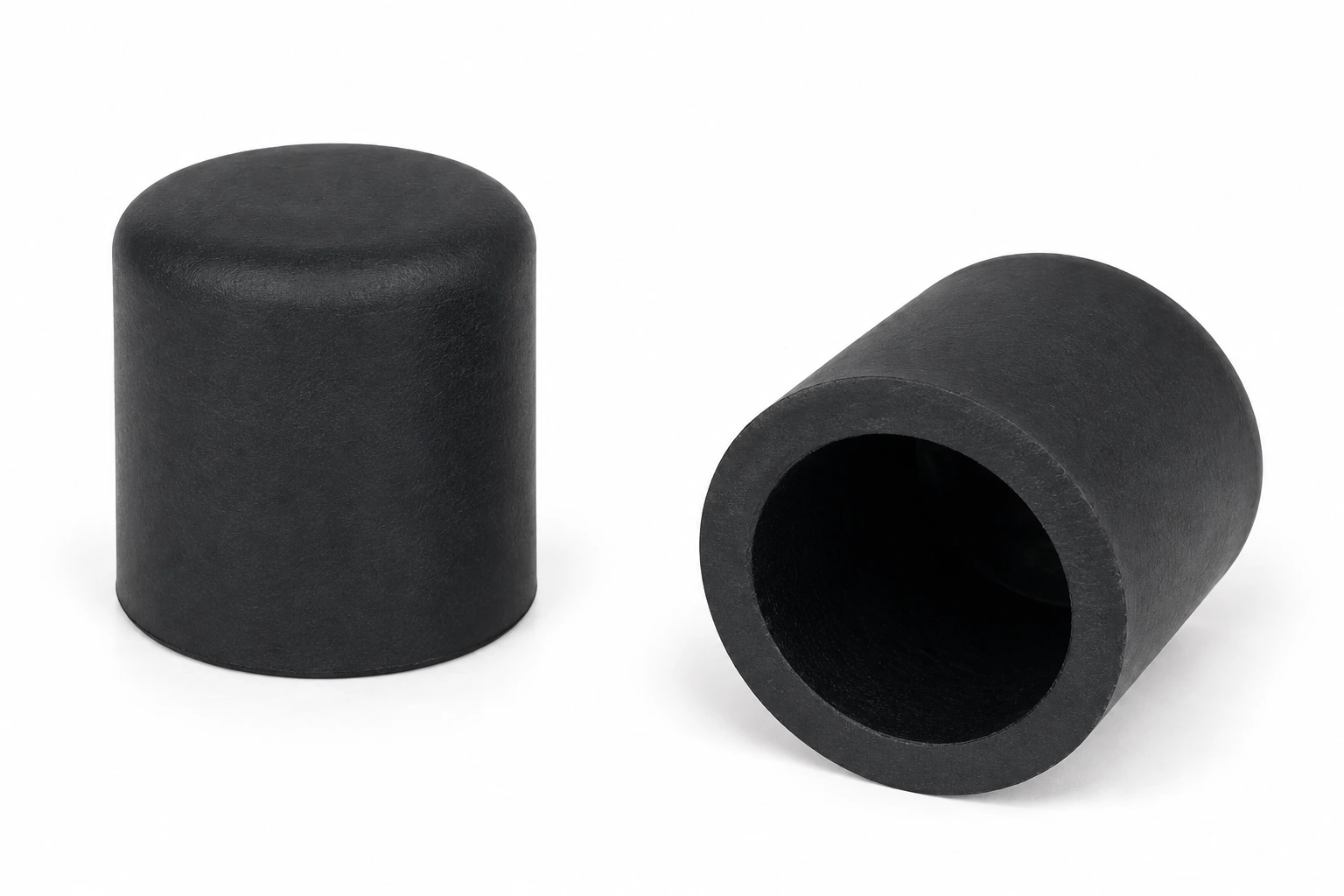
A rubber test cap can do wonders for you if you are installing a new tubing system. The function of a rubber test cap is to test the effectiveness of a tubing system by placing itself in a pipe just before a water tap. This way, when the water tap is opened, and water flows out, your rubber test cap can help you determine if the tubing is adequate to handle the water flow and pressure. If it’s not, the rubber test cap will either break or block the water flow from flowing further.
This works wonders for plumbers and their clients since they won’t have to use other costly options, and their plumber can check everything is in order by himself. It’s also relatively easy to install if you have experience working with pipes, though it is not recommended to do so for ordinary people who have never worked with a tube in their entire life.
Rubber Cap Size Catalog
Compare the internal and external dimensions of rubber caps against the part being covered.
Custom colors are available to your Pantone color code. Include the code in your inquiry.
Rubber Caps-RSE
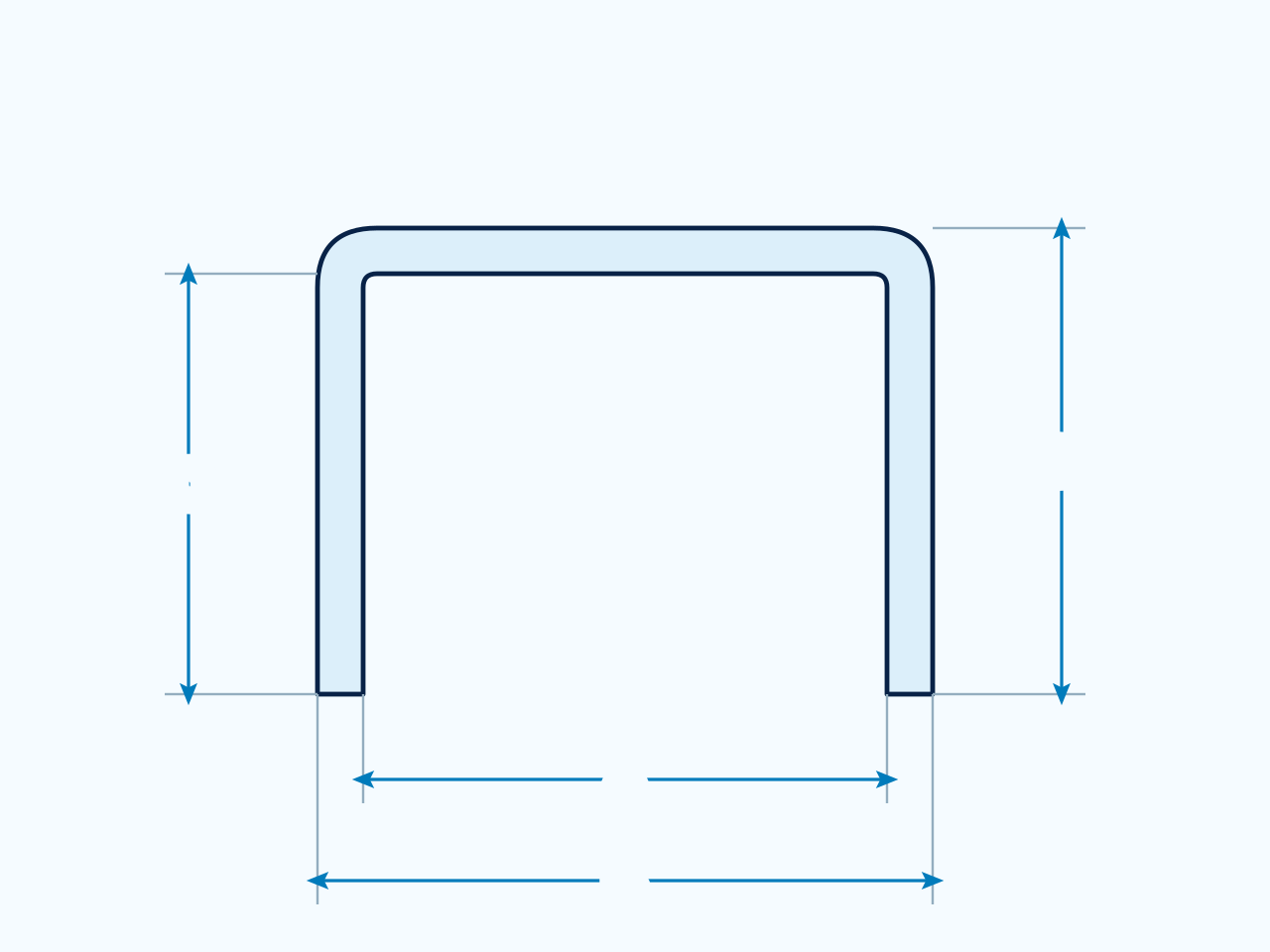
Compare A (inner diameter), B (outer diameter), C (inner depth) and D (total height), in mm.
Need a different size? Share your drawing, mating dimensions and intended use to discuss a suitable part.
Discuss Your RequirementsProduct specifications
- Product form
- Protective cover fitted over a component end
- Application focus
- Pipe or conduit ends. Size the part against the selected assembly.
- Dimensions to confirm
- Mating outside dimensions, cover depth, cavity and wall thickness. Match these to pipe or conduit ends.
- Test arrangement
- Define the test medium, pressure differential, duration and positive retention before choosing the closure.
- Cover retention
- Check the installed overlap and pull-off force on the actual end profile.
Need a quote or a custom part?
Send your requirements, drawings or samples to discuss standard and custom silicone rubber parts.
Email us[email protected]