
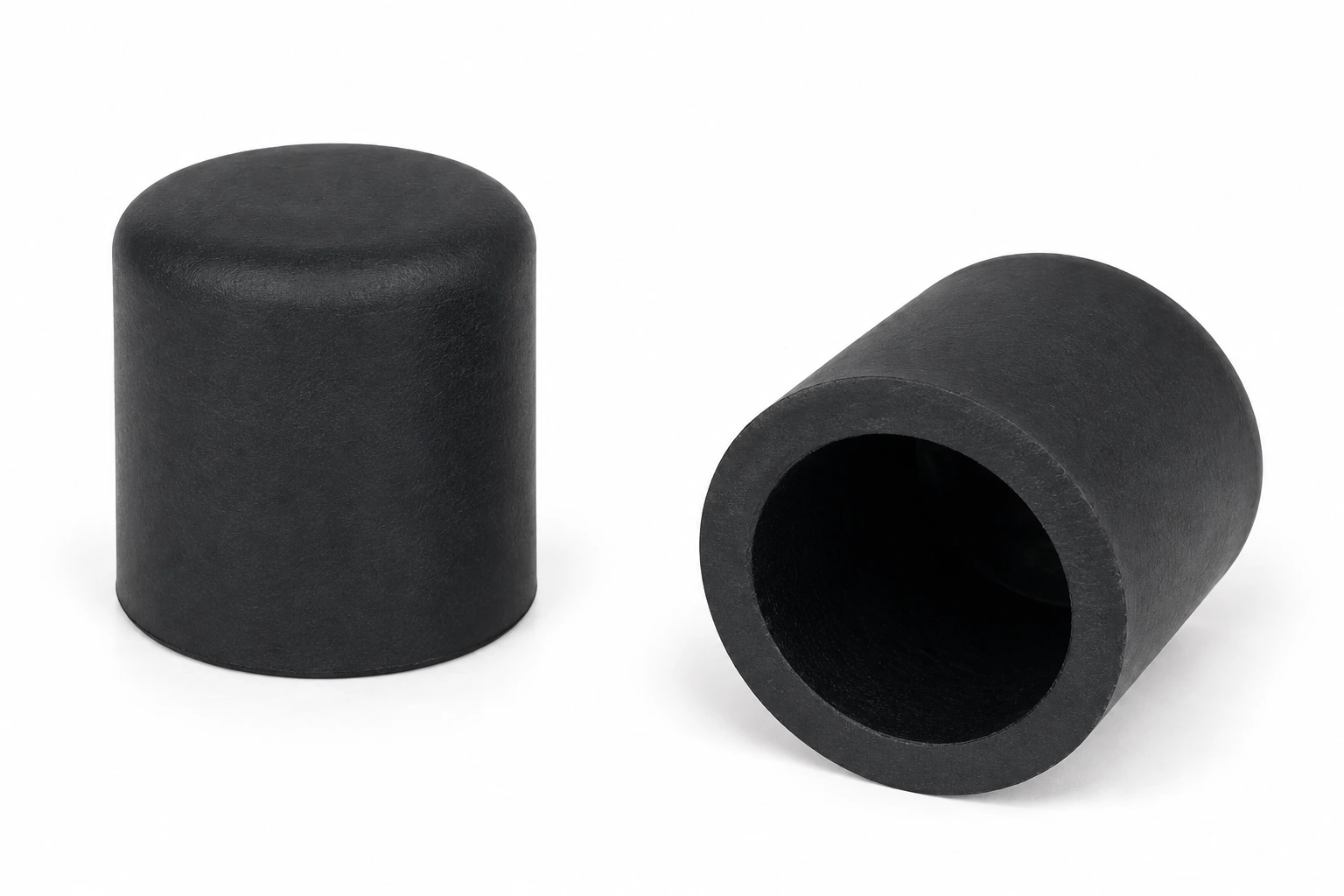
Rubber Test Cap
Rubber Test Caps are explicitly used as a masking product. However, they are also used as a protection solution. Various kinds of rubber are used for these and lots of other purposes. Silicone rubber, ethylene propylene diene monomer (EPDM) and Butyl are commonly used to check caps.
EPDM is in particular used as a protecting product. It’s less pricey than silicone and has excellent thermal resistance. Thus, it’s used to make roof equipment inside the production industry. In the same vein, this material displays high-value chemical resistance.This makes it suitable for the automotive, natural gas and oil industries. Guess what, it’s far compatible with ketones and is resistant to ripping. Silicone rubber test caps are an excellent preference for an electrical insulator. It’s far more flexible and at the same time provides a good seal. But it’s terrible at abrasion resistance. They’re brilliant at chemical resistance, however, score too low at tear-resistance and compatibility with ketones. TPRs are lightweight rubber with molding abilities as good as thermoplastics. They offer tear resistance and are reusable and recyclable. They also provide excellent resistance to gas permeation.
Similarly, based on form and qualities, rubber test caps are labeled as – Chemical-Resistant Round Caps – those caps have tremendous chemical resistance for protecting components during the chemical finish. High-Temperature Tapered Caps are suitable for electrical surfacing and powder plating. They can face temperatures up to 570° F and comply with round openings for a comfy fit. Domed spherical Caps – their domed head extends beyond the diameter of the pipe, rod, or tubing for more safety, High-Temperature Tapered Caps – those caps resist temperatures of 450° F. Their flexible caps are tapered to suit a variety of unthreaded and threaded items, and Capacitor Caps – these caps guard capacitors and cord connections from harm.
All dimensions are in mm
Rubber Cap Size Catalog
Compare the internal and external dimensions of rubber caps against the part being covered.
Custom colors are available to your Pantone color code. Include the code in your inquiry.
Rubber Caps-RSE
Compare A (inner diameter), B (outer diameter), C (inner depth) and D (total height), in mm.
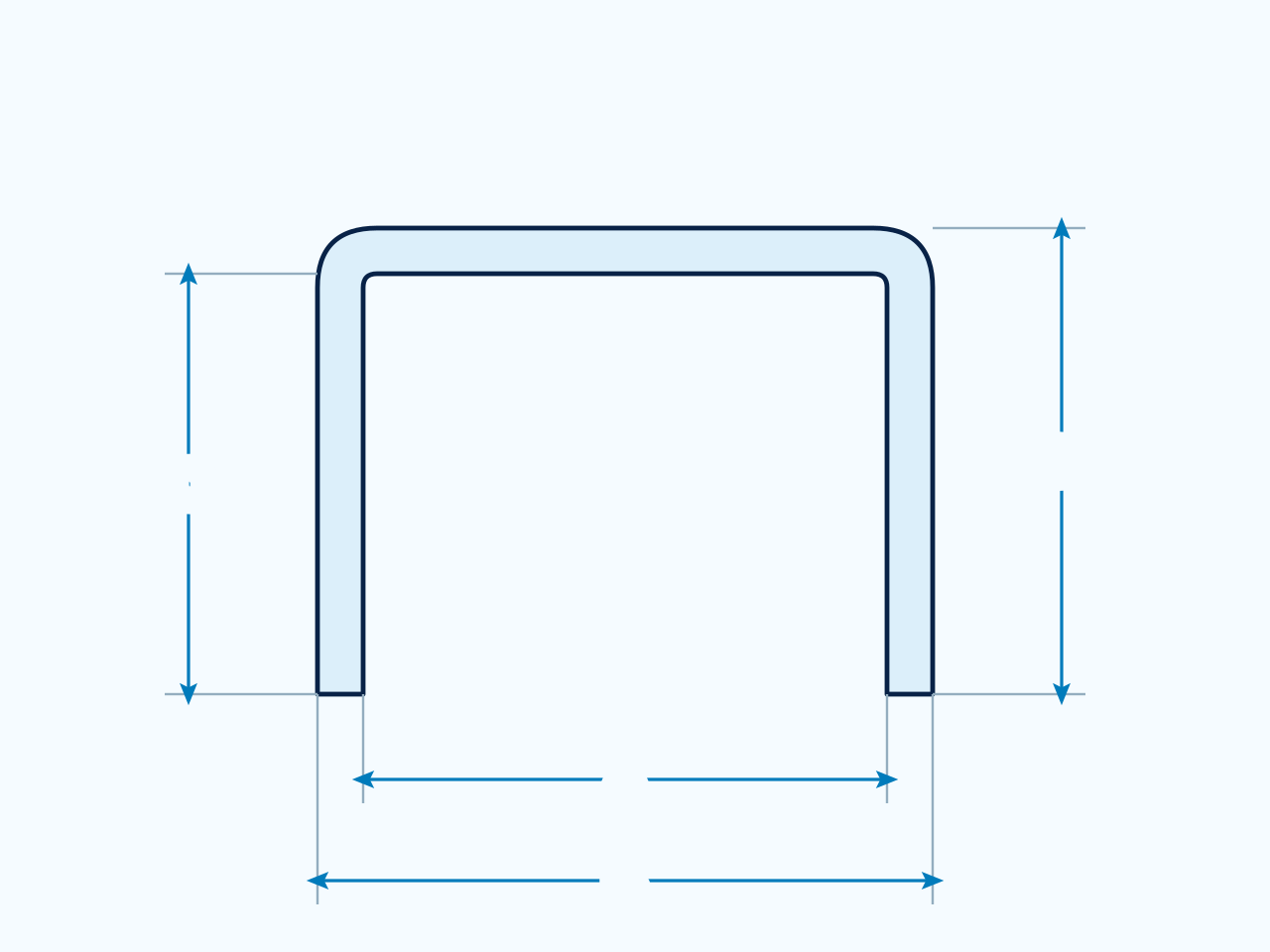
Need a different size? Share your drawing, mating dimensions and intended use to discuss a suitable part.
Discuss Your RequirementsNeed a quote or a custom part?
Send your requirements, drawings or samples to discuss standard and custom silicone rubber parts.
Email us[email protected]