
Rubber tube
Rubber tube, rubber tubing, rubber hose or rubber piping, whatever you call this product, you probably use it often and you know how important it is for the functioning of most industries. But let’s start with the daily use of a rubber tube. If it has a large enough diameter and length, you can use it as a garden hose. Also, you can use it to make different types of food and beverages, of course in that case it must be food grade, which means it is made of food grade silicone that is non-toxic, odorless and tasteless. These are just some of the most popular household applications, and you can be creative and use whatever you want.
Now we move on to the industries. Reinforced rubber tubes are often used in industries, which in most cases are reinforced in the same way, and reinforced tubes are needed for a heavy duty environment in factories where the tubes will be exposed to high pressure and weight. Also, it happens to be exposed to a vacuum or some similarly generally hosted environment, so in order to be able to stand it all without compromising function, customers opt for a reinforced rubber tube. Heat shrink rubber tube is fantastic if you need this product to insulate and protect your installation, even if you need to repair something.
Chemical tubing is used for acids, toxic chemicals, but also various other fluids like hydraulic fluids. The movement of these fluids takes place through the rubber tube, and different types of rubber are ideal for smoothness and flexibility, but also for chemical stability and great tear strength for which many rubber materials are known, both natural rubber and synthetic rubber variations. Chemical rubber tubing is designed for the movement of hydraulic fluids, acids, and toxic substances. The key characteristics of chemical tubing is its flexibility, resistance to absorption, and smoothness.
Rubber Hose Size Catalog
Compare tube bore, outside diameter and available wall thickness. Confirm material compatibility and operating requirements for the selected hose.
Rubber Hose
Compare Inside Diameter and Outside Diameter in mm. The cross-section drawing identifies the bore and outside diameter; confirm the selected tube material and service requirements.

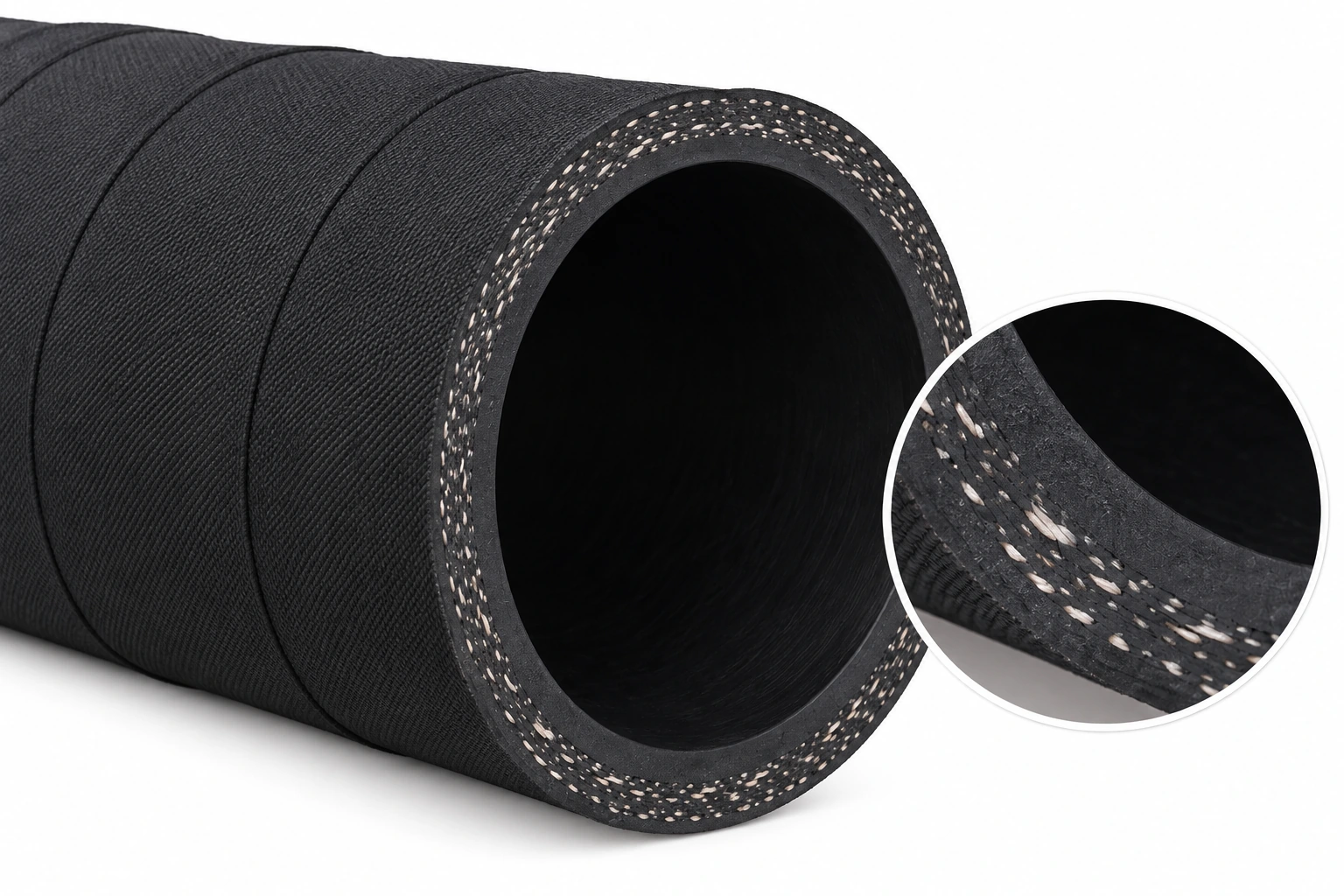
Fluororubber Hose
Compare Inside Diameter and Outside Diameter in mm. The cross-section drawing identifies the bore and outside diameter; confirm the selected tube material and service requirements.
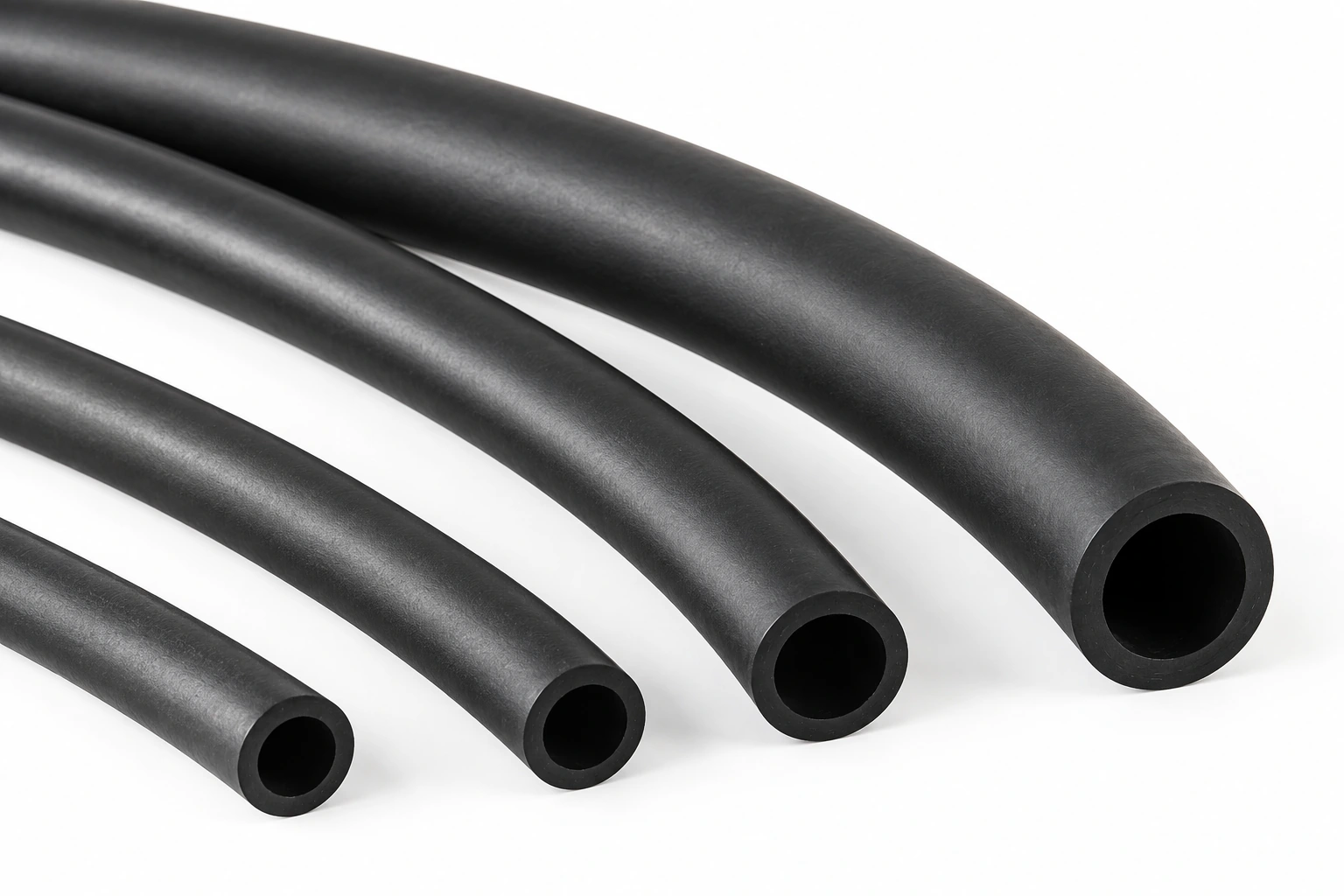
Colourful rubber high pressure hose
Compare Inside Diameter and Outside Diameter in mm, together with the listed Thickness and Colour. The cross-section drawing identifies the bore and outside diameter; confirm the selected tube material and service requirements.
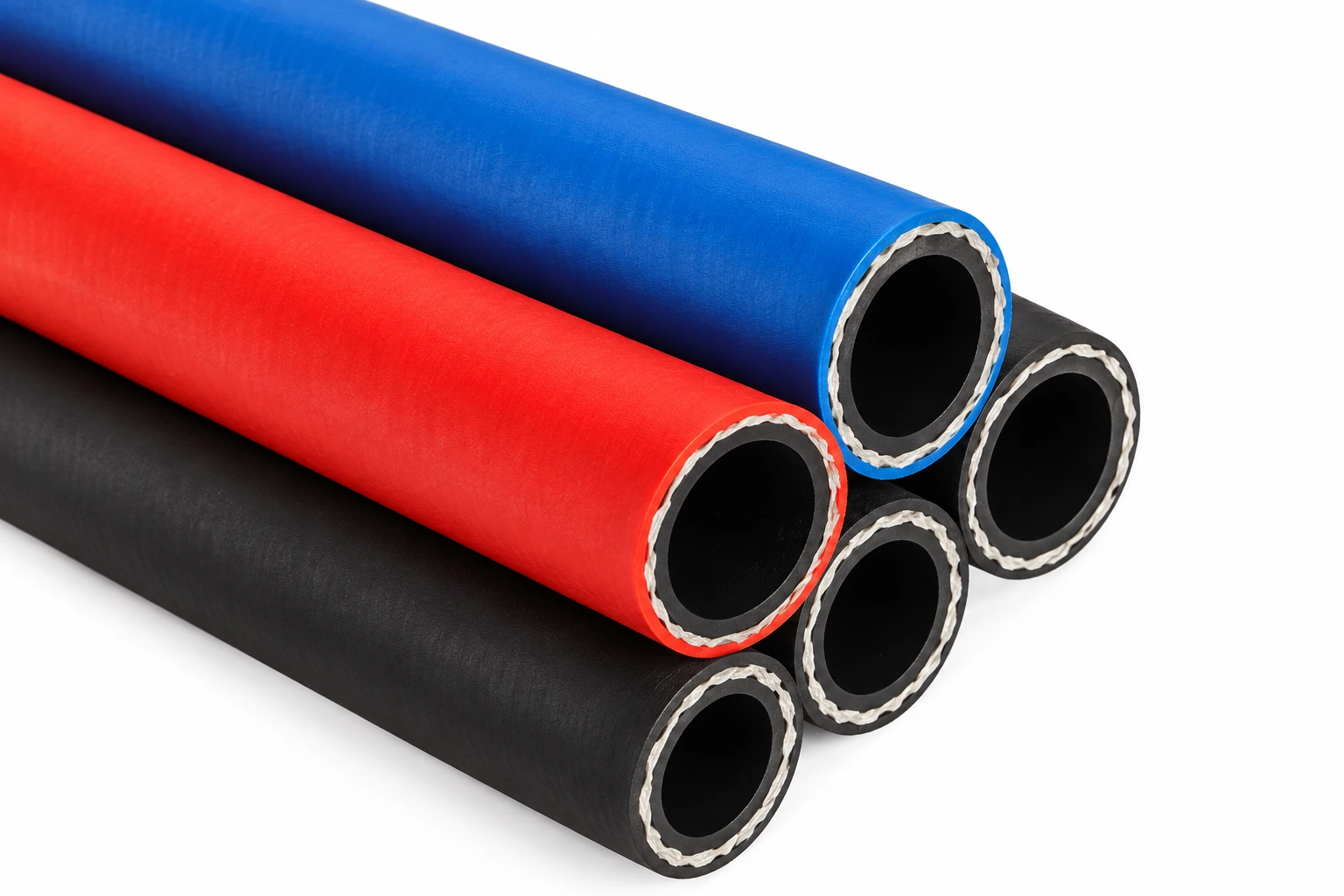
Need a different size? Share your drawing, mating dimensions and intended use to discuss a suitable part.
Discuss Your RequirementsProduct specifications
- Product form
- Hollow elastomer tubing for a fitted line or sleeve
- Material options discussed
- Silicone and natural rubber / latex. Choose one formulation for the actual contact and loading conditions.
- Application focus
- Food-processing equipment. Size the part against the selected assembly.
- Dimensions to confirm
- Inside diameter, outside diameter, wall thickness and cut length. Match these to food-processing equipment.
- Contact conditions
- Food ingredients, acids and hydraulic fluid: define concentration, temperature and contact time, then check compatibility with the chosen compound.
- Line layout
- Check bend radius, unsupported spans and clearance at both connections.
Need a quote or a custom part?
Send your requirements, drawings or samples to discuss standard and custom silicone rubber parts.
Email us[email protected]