
Screw in rubber bumpers
In case you are furnishing your home and thinking about whether you have done everything in your power to protect your new furniture, it is a good idea to ask yourself if you have screw-in rubber bumpers in your collection. And if you have them, are they appropriate? You can always call us and consult with us about the screw in rubber bumpers you need. These are very practical accessories that can be of great help to you in the household, so it is always good to have them at hand.
The main role of screw-in rubber bumpers is to protect objects from damage due to pressure, vibration, scratching and the influence of other mechanical forces. When it comes to the home, you can place them on the legs of the chair so it doesn’t damage them every time you want to sit or stand up. You can also apply them to the washing machine and prevent damage to the tiles under them.
If you are wondering why it is important for screw-in rubber bumpers to be proper the answer has several aspects. First of all, it is necessary that their size is adjusted to the object on which you will place it. You want to be able to screw the rubber bumper into the foot of the furniture and make it fit perfectly and not move. However, the optimal dimensions of screw in rubber bumpers are not the only thing you should take into account when buying. If you are going to use them on objects that will be in a visible place, it is important that they fit adequately with the rest of the interior. You don’t want to invest your money in buying beautiful, new furniture, only to end up completely ruining the aesthetics by using screw-in rubber bumpers that don’t match. It just doesn’t make sense.
Contact us and we will help you find screw-in rubber bumpers that perfectly fit their final purpose. We will discuss the style that would be the best, as well as the color, size, and other parameters that are important.
Rubber Feet & Bumper Size Catalog
Compare mounting style, overall size and recess dimensions. Each profile uses its own drawing and column meanings.
Recess Rubber Bumper
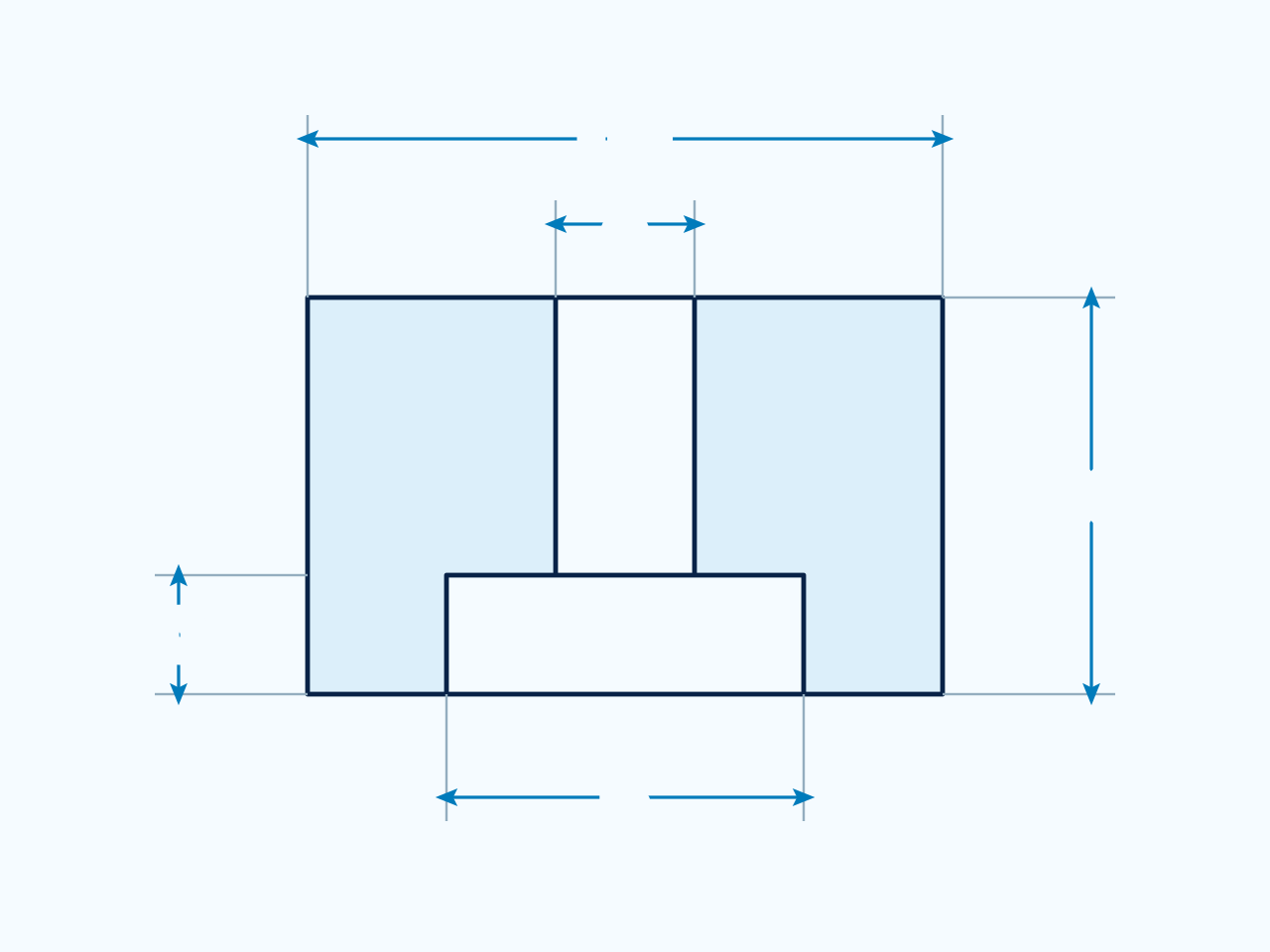
Compare OD, H, A, B and C in mm. C indicates the outer base dimension on this bumper profile, not the recess depth.
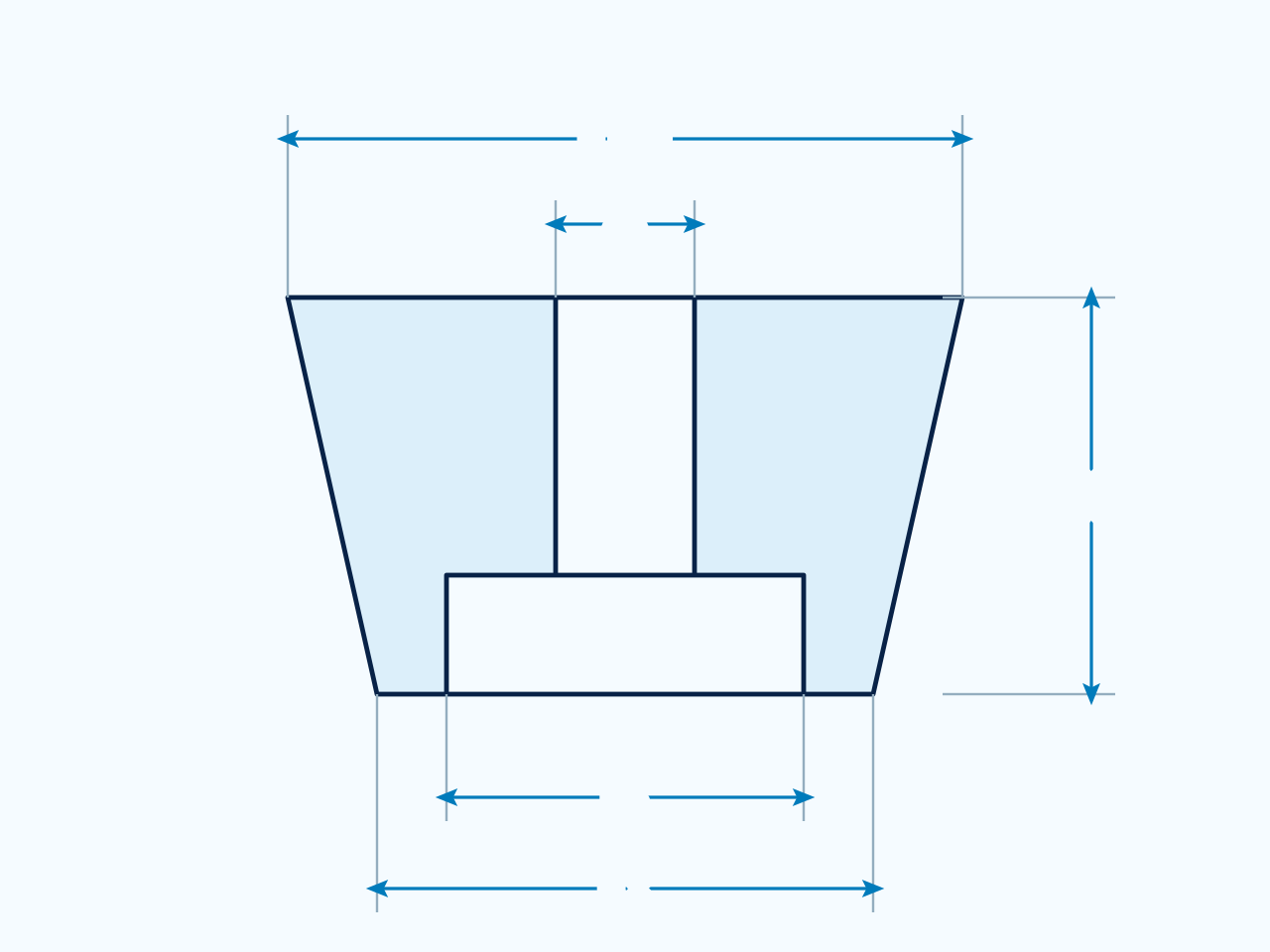
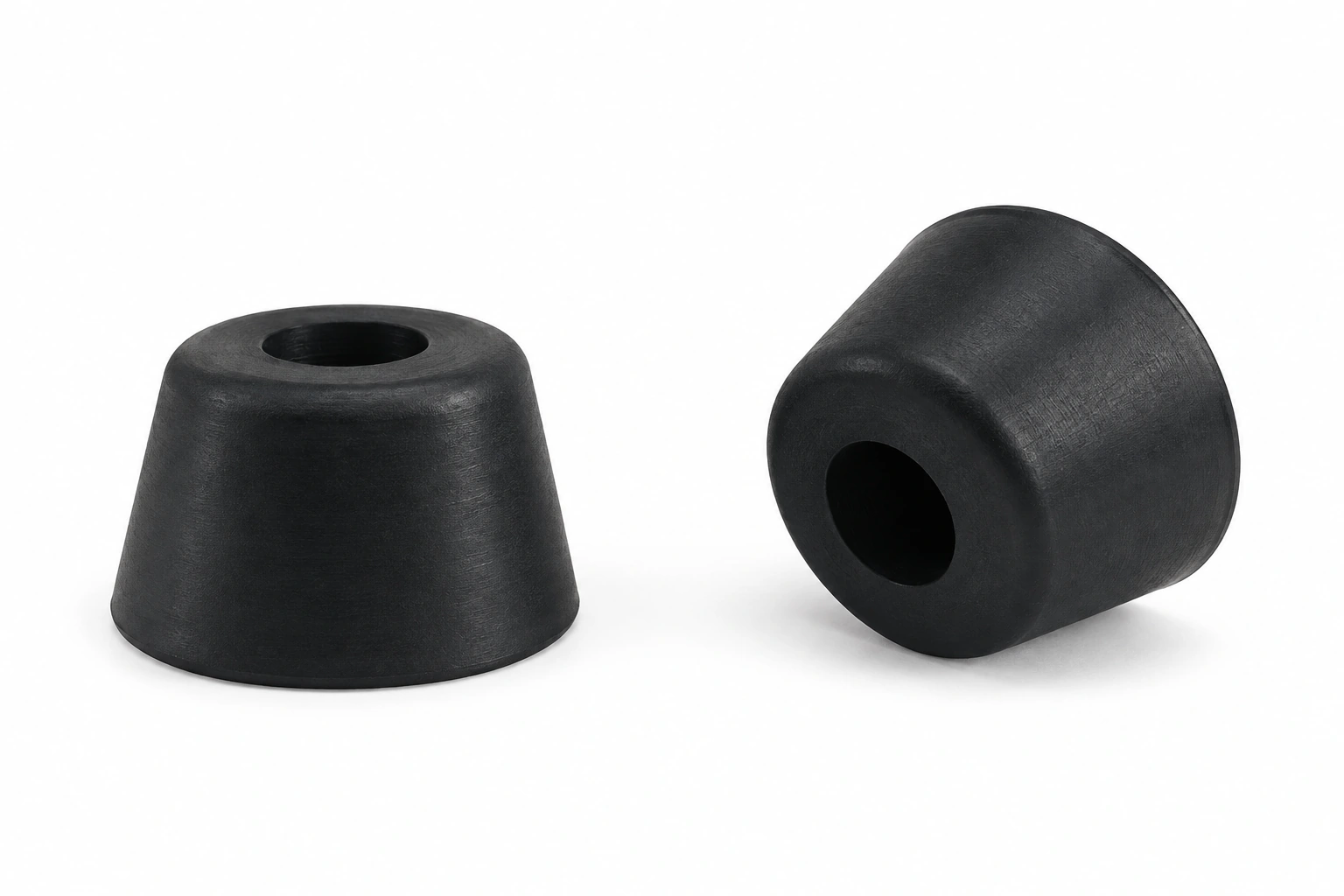
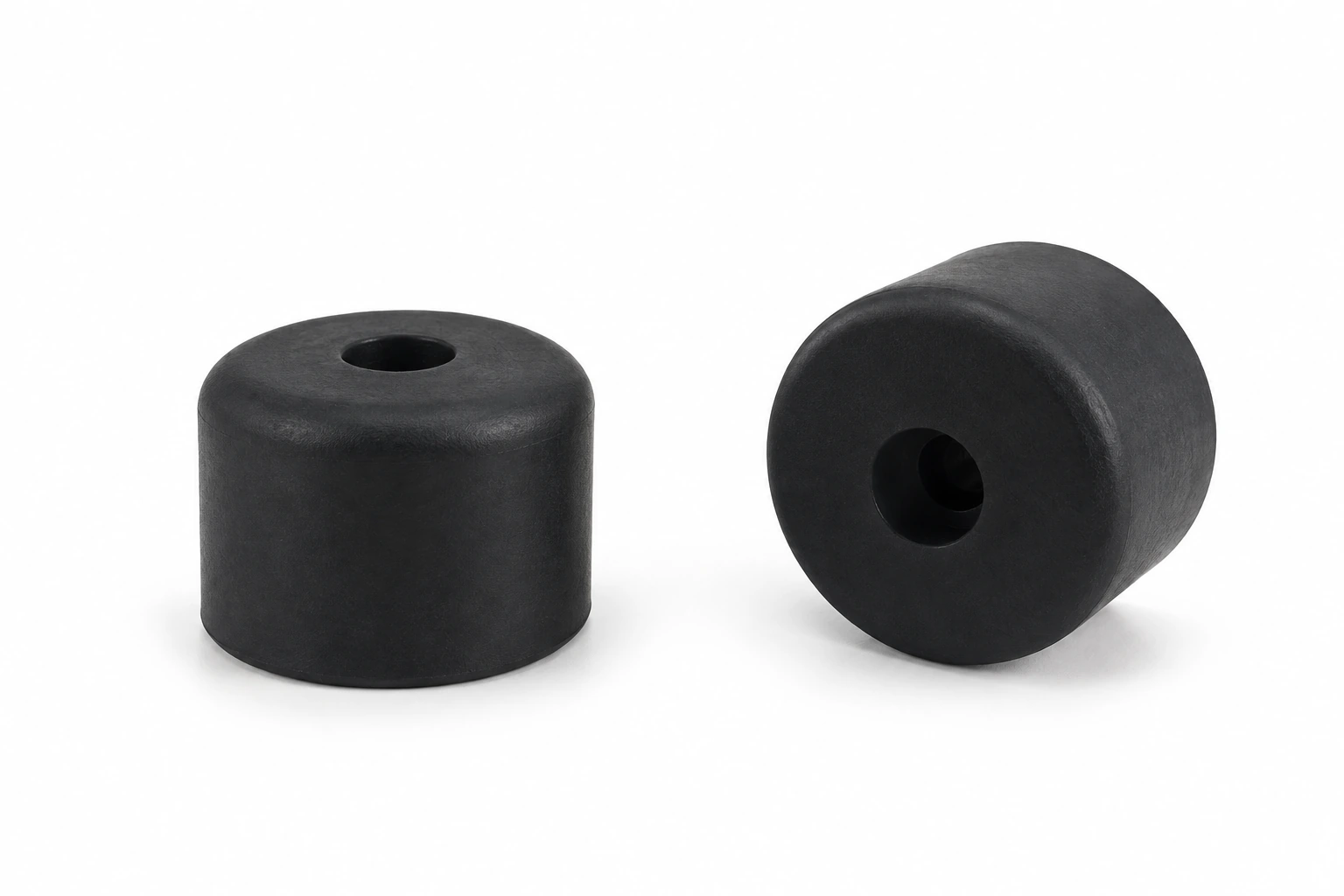
Cylindrical Rubber Feet
Compare OD, H and B in mm using the cylindrical-foot drawing. Material and colour remain listed separately.
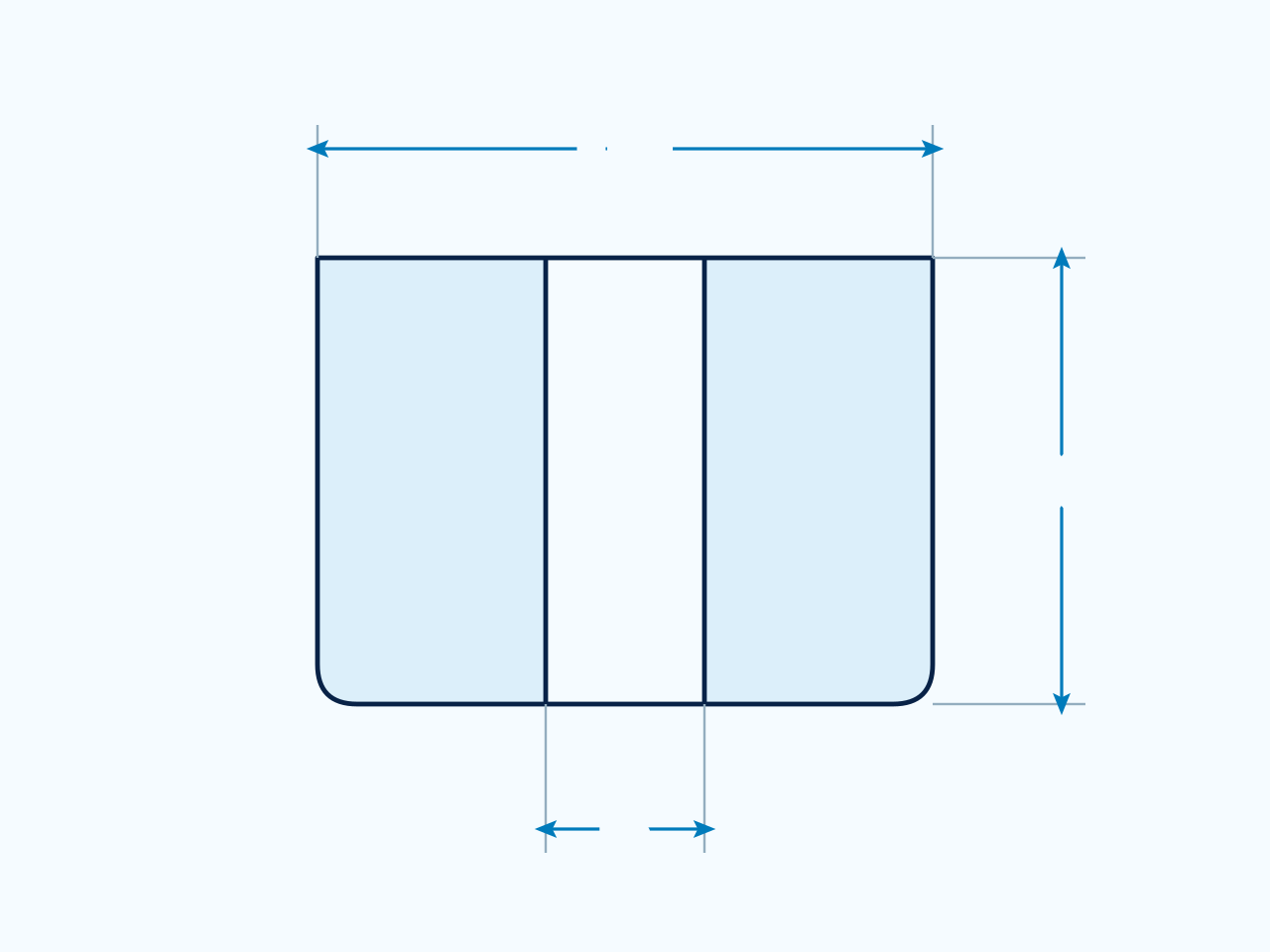
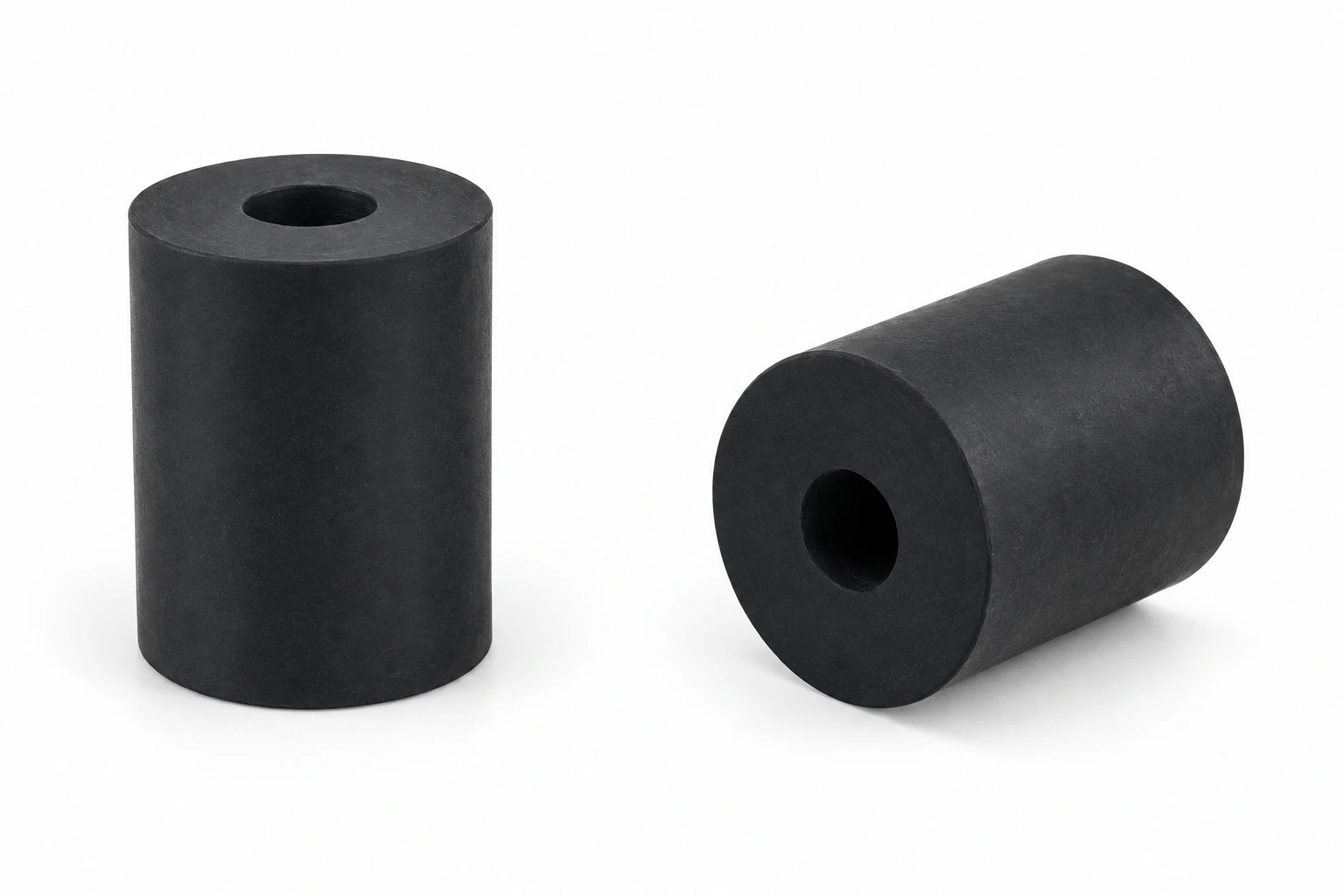
Recess Rubber Feet
Compare OD, H, A, B and C in mm. C indicates the recess depth on this feet profile.
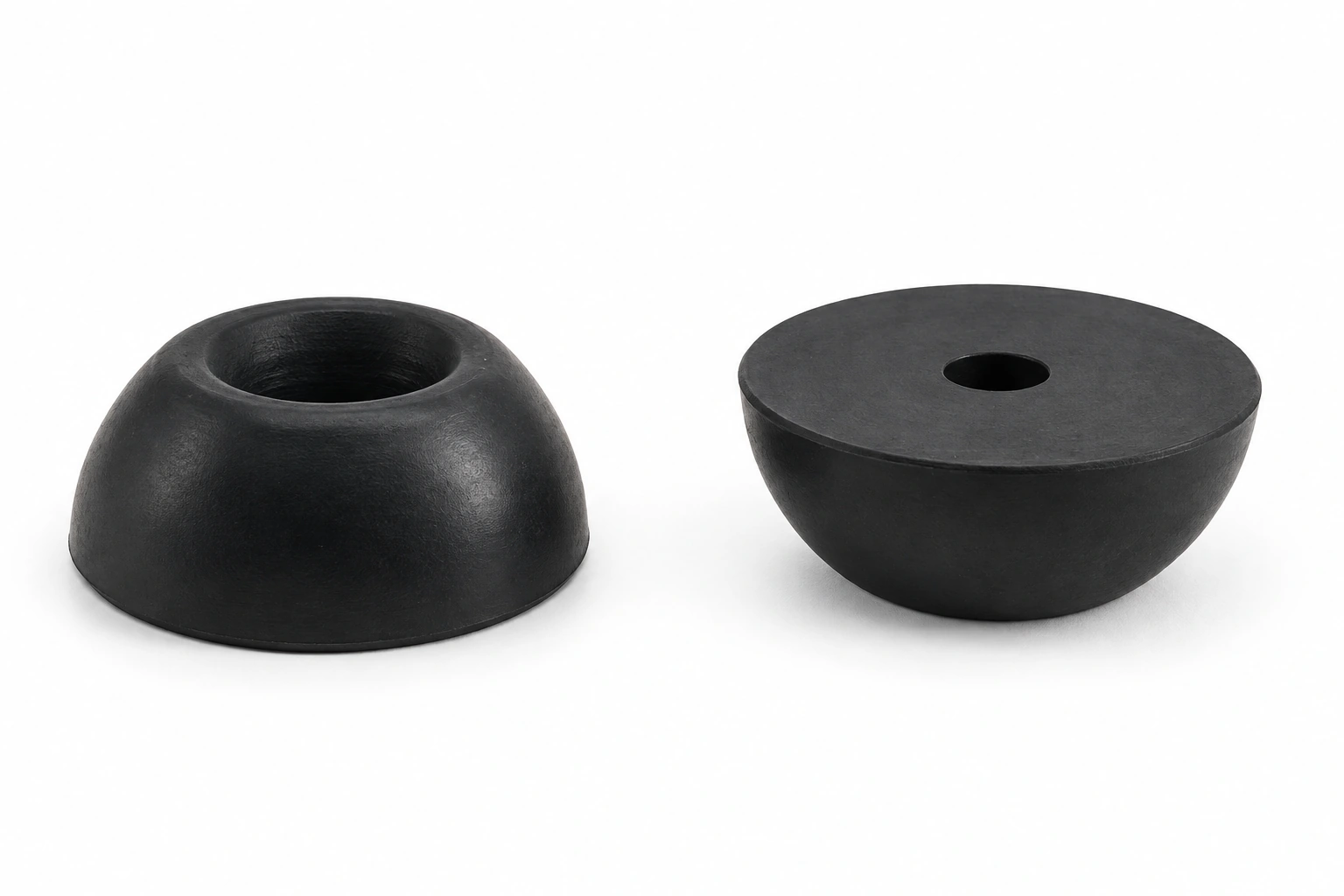
Hemispherical Rubber Bumper
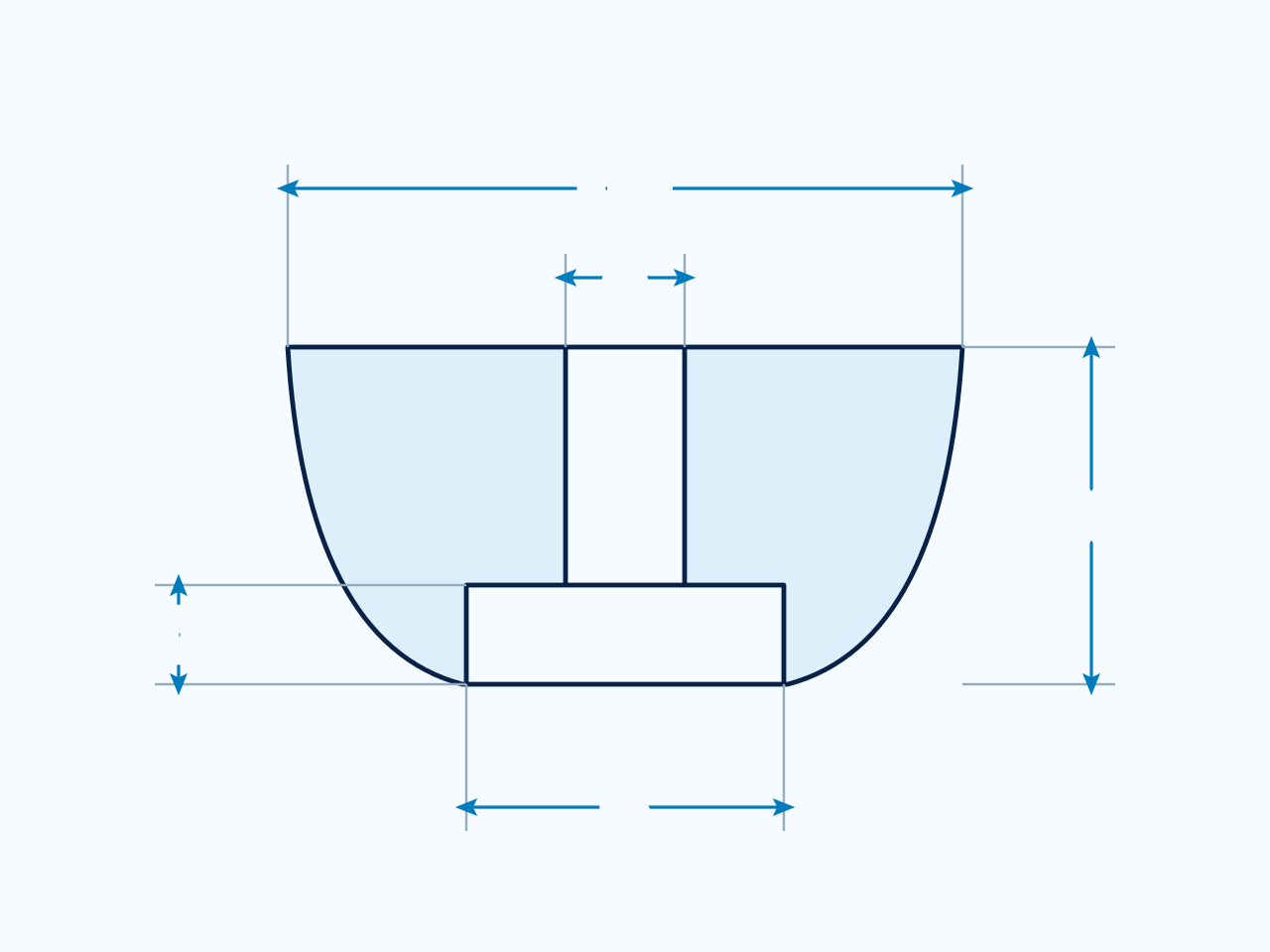
Compare OD, H, A, B and C in mm using the hemispherical-bumper drawing.
Rubber Tips
Compare A, B and C in mm using the open round-tip drawing. Check the mating leg dimensions and seating depth.
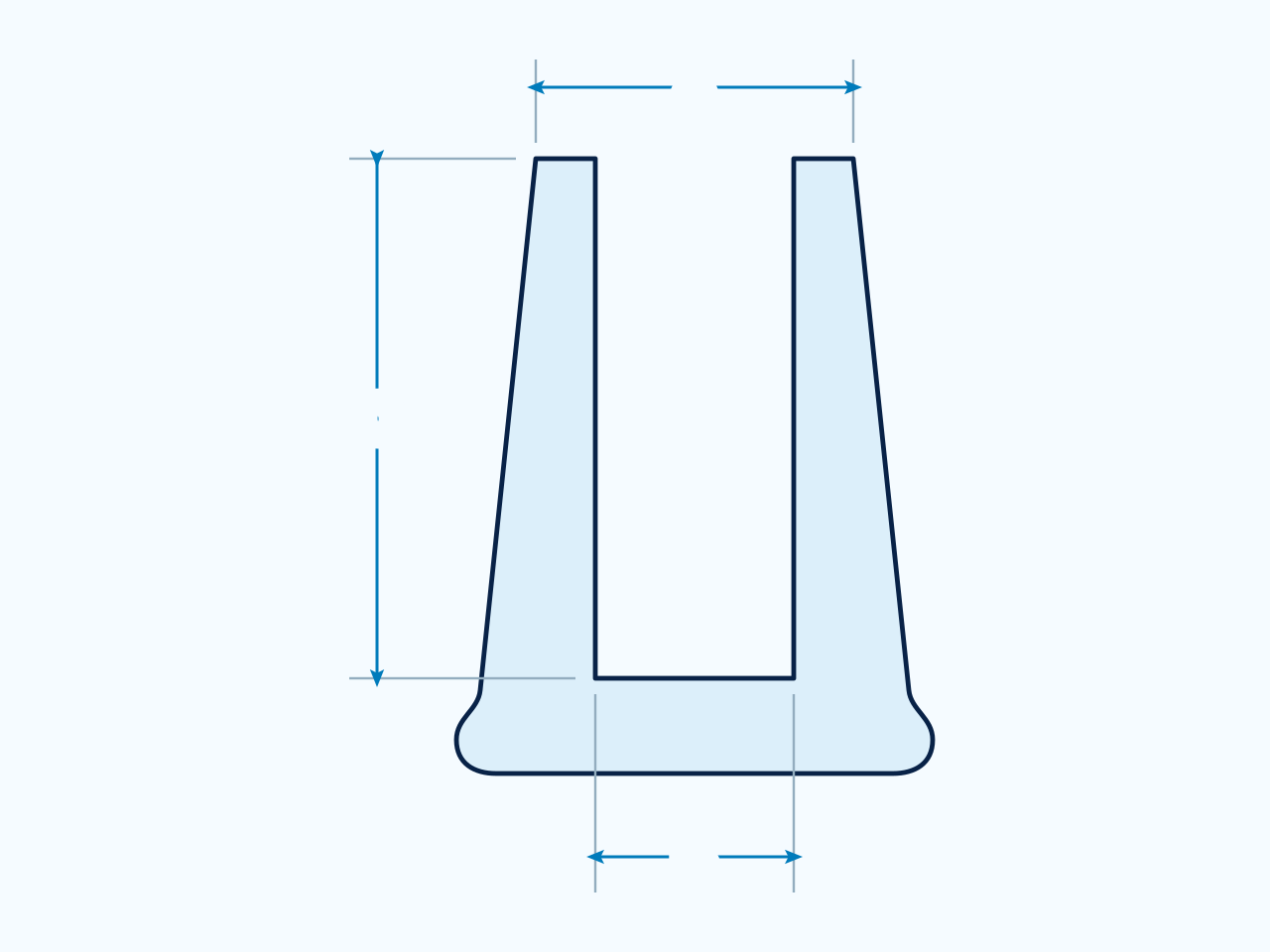
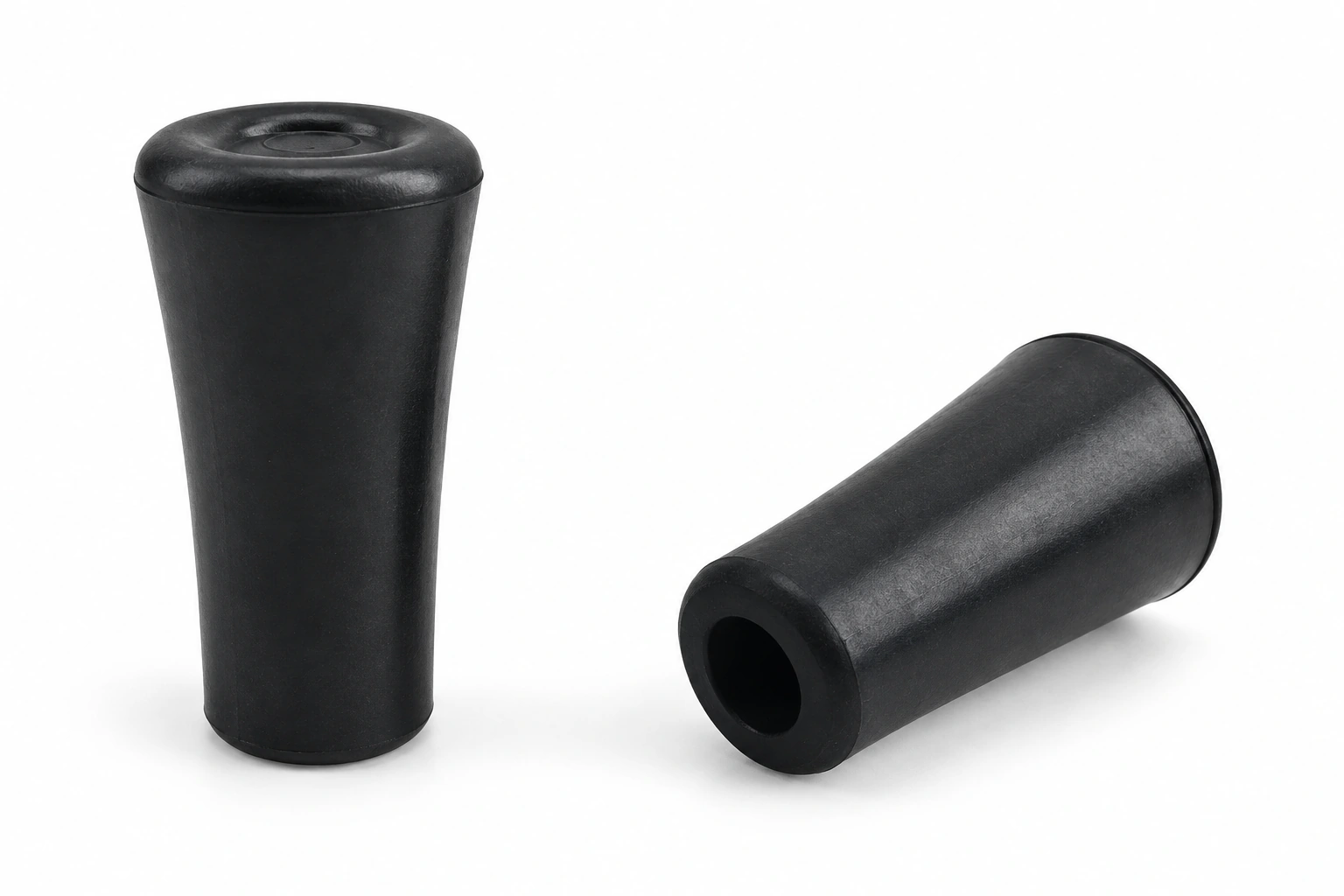
Rectangular rubber feet for chairs
Compare A, B and C in mm using the rectangular-tip drawing. Check both sides of the mating leg and the seating depth.
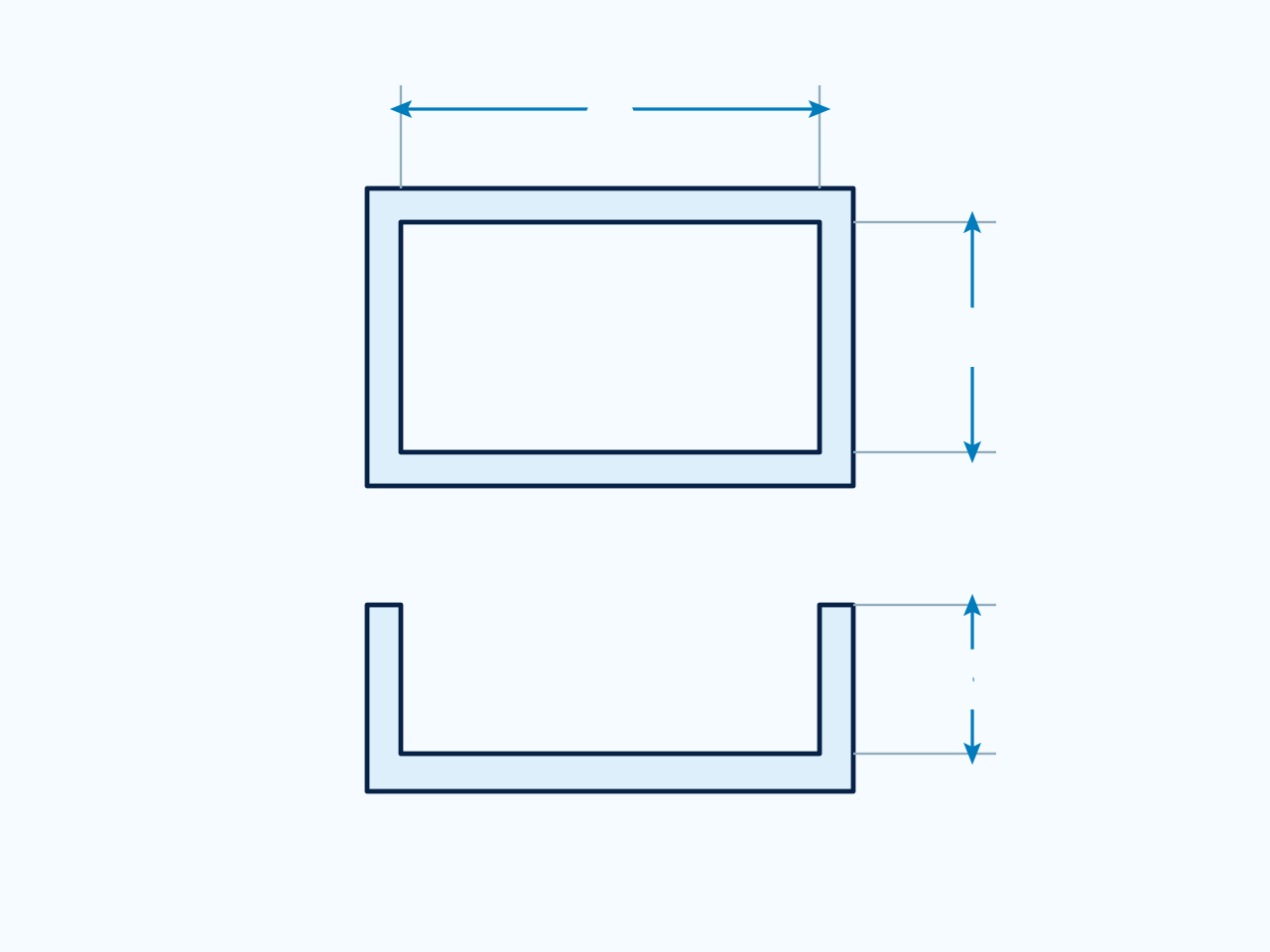
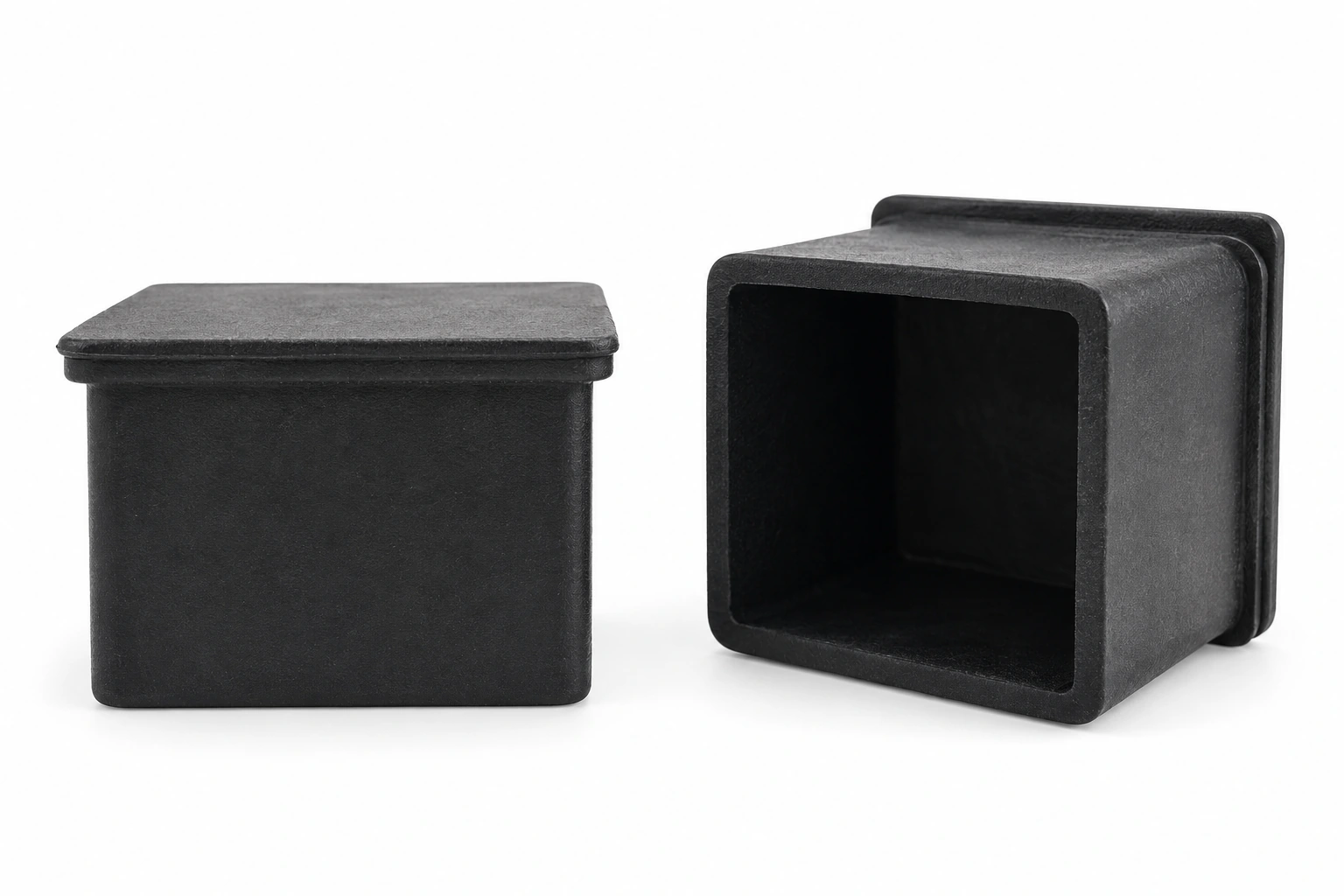
Rubber Feet For Chairs
Compare A, B, C and D in mm using the square-tip drawing. Check the mating leg profile and seating depth.
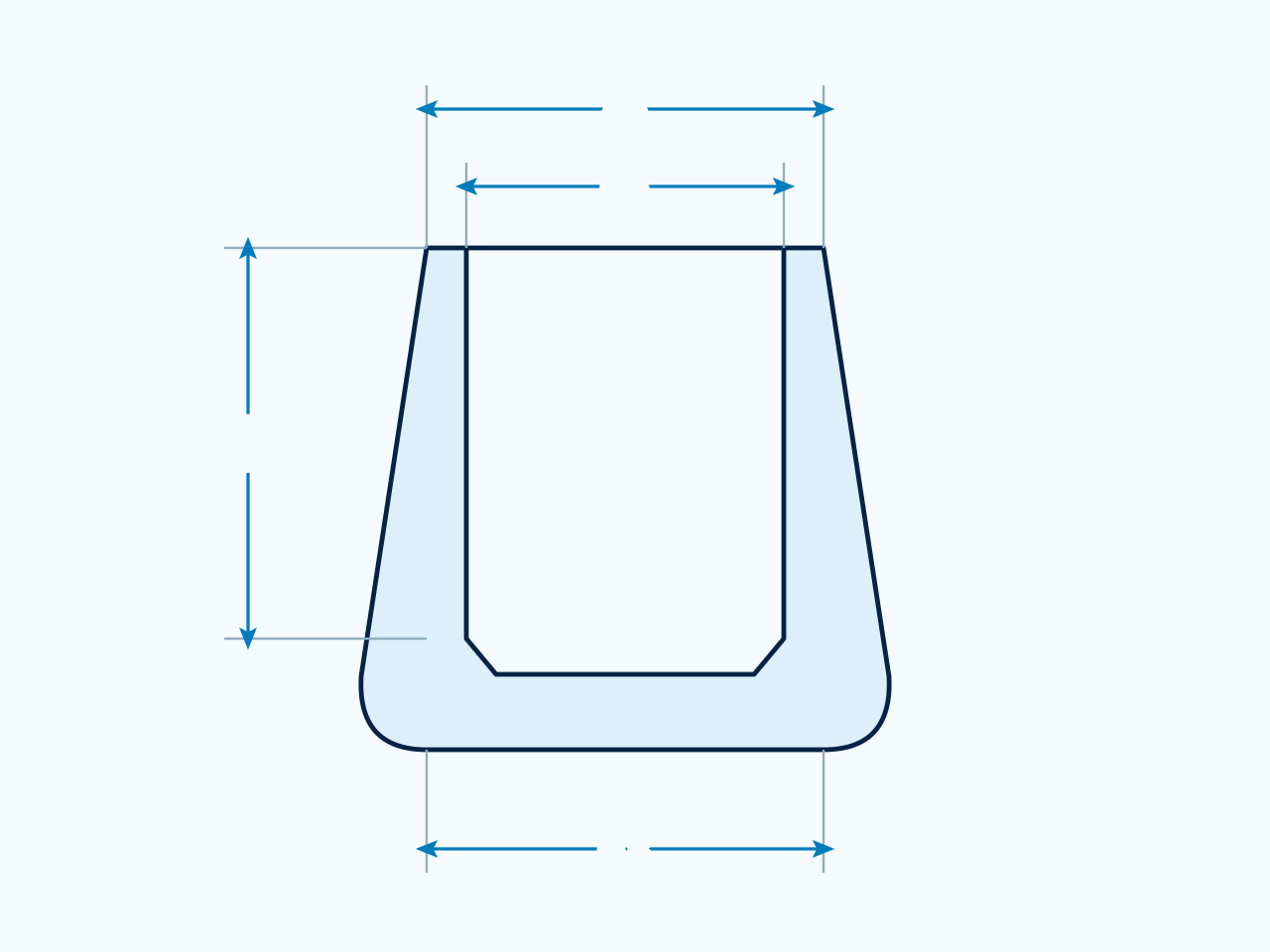
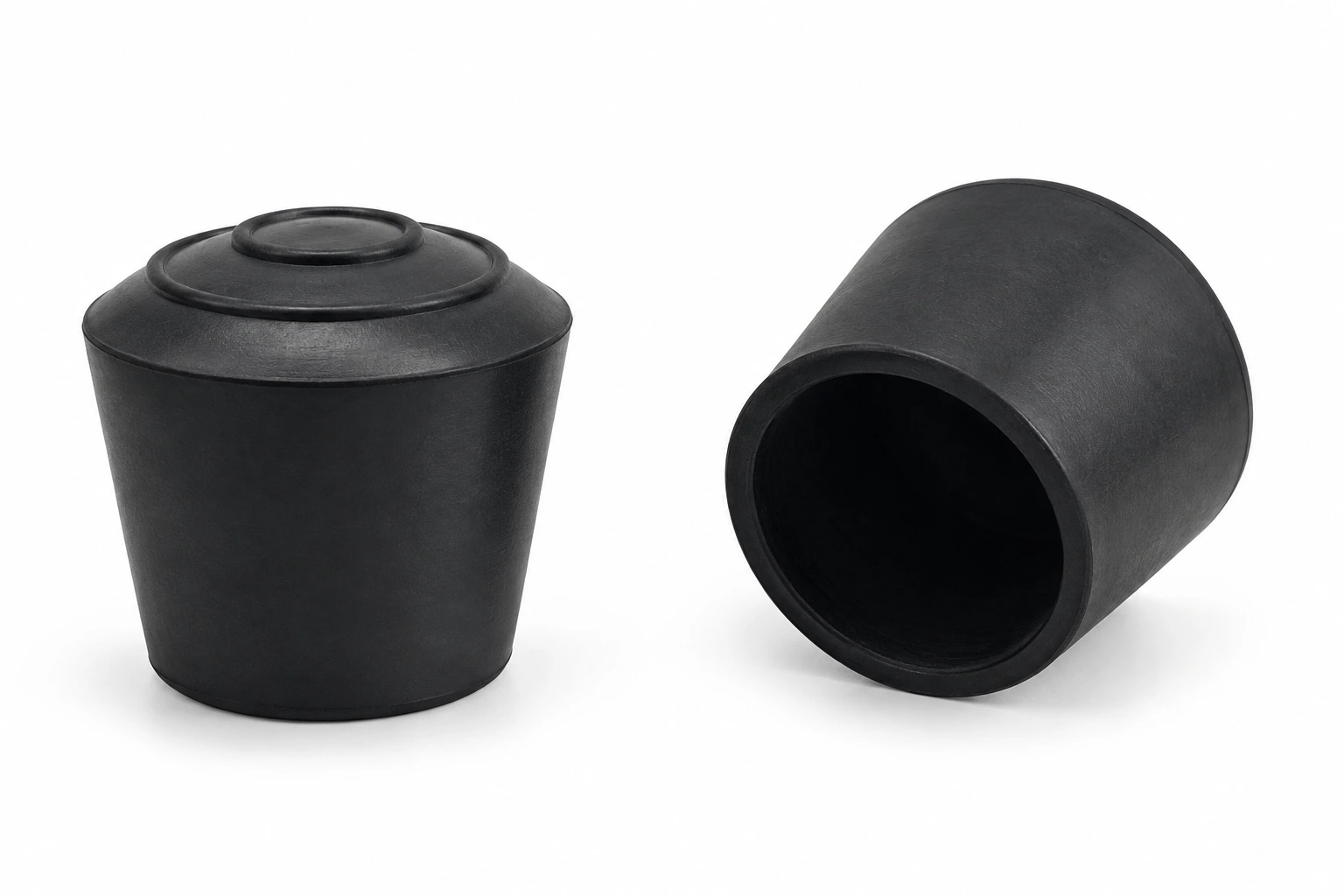
Need a different size? Share your drawing, mating dimensions and intended use to discuss a suitable part.
Discuss Your RequirementsProduct specifications
- Product form
- Resilient contact stop
- Dimensions to confirm
- Contact-face area, projection and mounting geometry.
- Fastening
- Define thread size, pitch, engagement and clearance; identify whether the hardware is molded in or fitted separately.
- Installation discussed
- Screw attachment. Identify the chosen retention method and the surface or hardware it engages.
- Contact surface
- Ceramic tile. Check marking, grip and movement on the actual finish under load.
- Working clearance
- Define the closing gap, contact direction and compression available at the stop.
Need a quote or a custom part?
Send your requirements, drawings or samples to discuss standard and custom silicone rubber parts.
Email us[email protected]