
self-adhesive rubber bumpers
Today, we use rubber bumpers in almost all industries. Their wide application has made these products in great demand in the market. However, as is usually the case, with higher demand came new customer requirements. This is how self-adhesive rubber bumpers appeared – which are today an important part of industries such as electronics, home appliances, transport, and many others. Many companies in the world have recognized the need for these products, so we are no longer surprised by their growing mass production.
We can say that self-adhesive rubber bumpers have today become one of the most sought-after and versatile products of this type. You will see such bumpers on the windows, but also on the cabinet doors, as well as on the corners of the walls or drawers. Their purpose is not only to prevent damage associated with long-term use. Their role is additionally protective in the way that they prevent slipping, and thus damage – as well as thumping sounds because they represent a kind of boundary.
In the electronics and computer industry, self-adhesive rubber bumpers are most commonly used in portable devices, computers, printers, scanners, or speakers. We can also see them as parts of the screen where they prevent slipping, scratching, or any additional damage. We can even see them on ordinary things we use at home – such as coasters or cutting boards. Their presence not only protects the object to which they are applied – but also the surface below them.
Today, depending on your needs, you can find different sizes and shapes of self-adhesive rubber bumpers. They can be made so that they are of top quality – and you can choose the shapes yourself according to your needs. Maybe you want a square or cylindrical one? That’s not a problem since today, you can find all kinds of self-adhesive rubber bumpers that can fit any place you need them. Of course, there are also different sizes that you can typically order according to the purpose for which you need them.
Adhesive Rubber Feet Size Catalog
Compare adhesive foot profiles, footprint dimensions and height. Confirm the surface, adhesive and material requirements for your application.
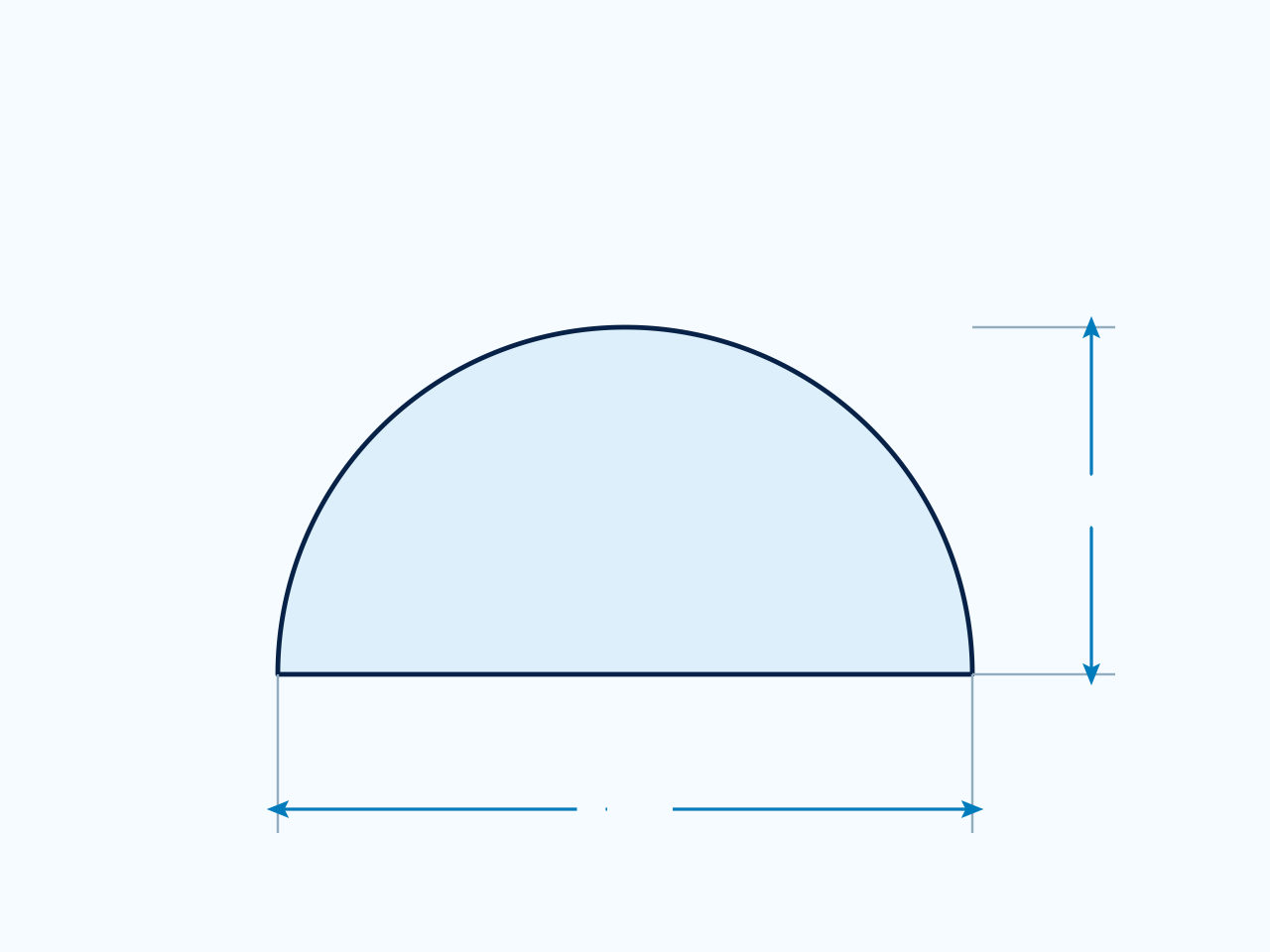
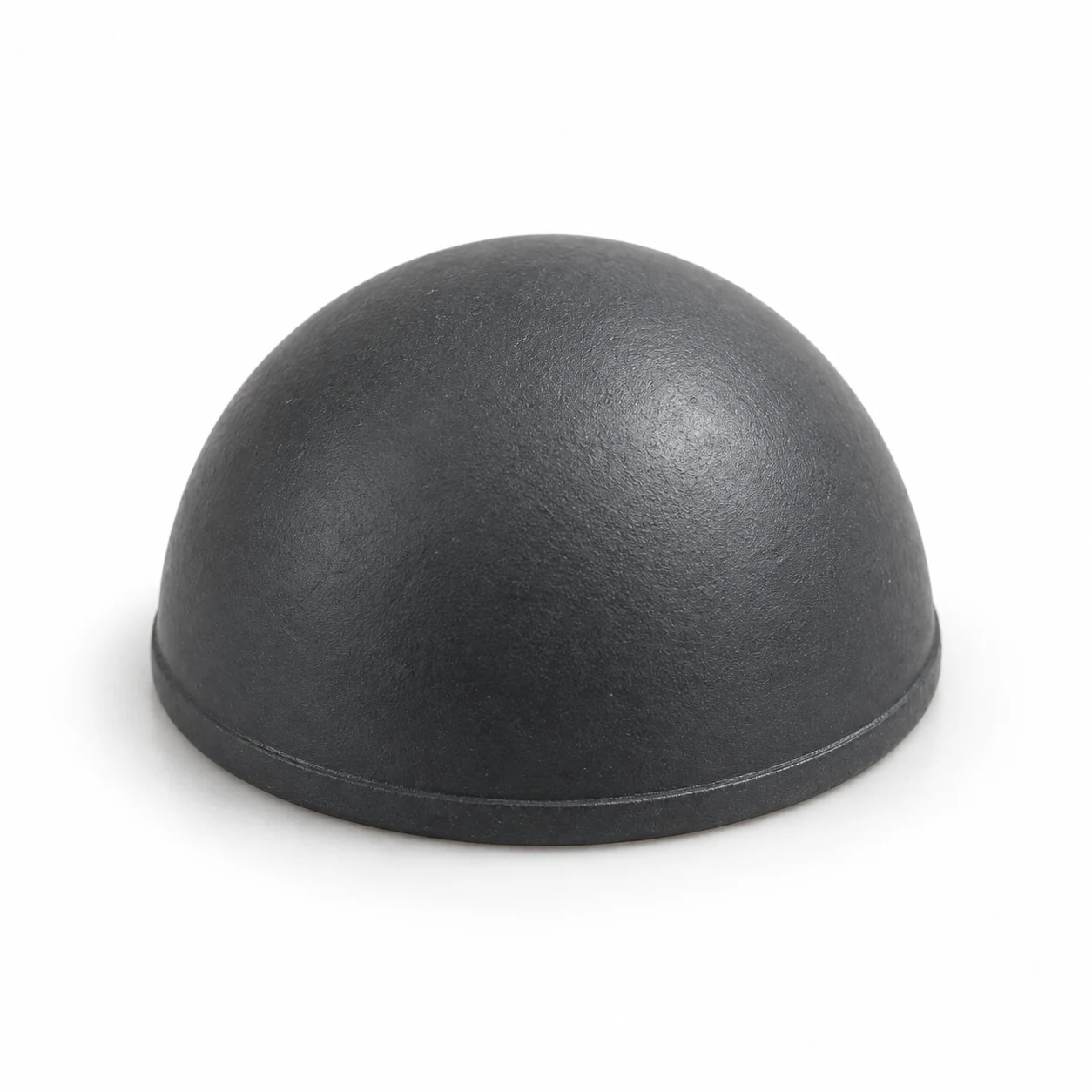
Hemispherical Self Adhesive Rubber Feet
Compare OD and H in mm using this profile drawing. Confirm the required material, colour and adhesive.
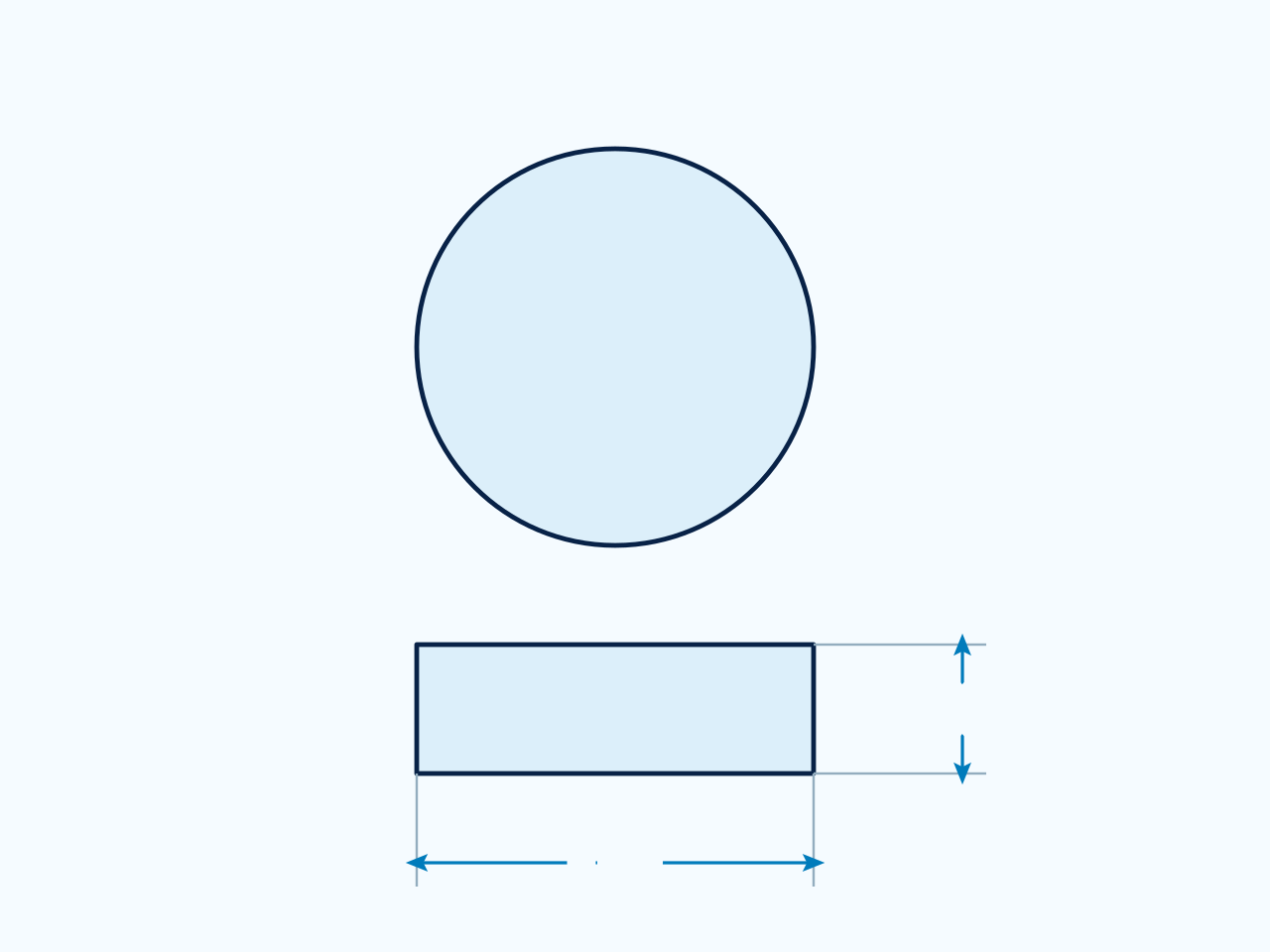
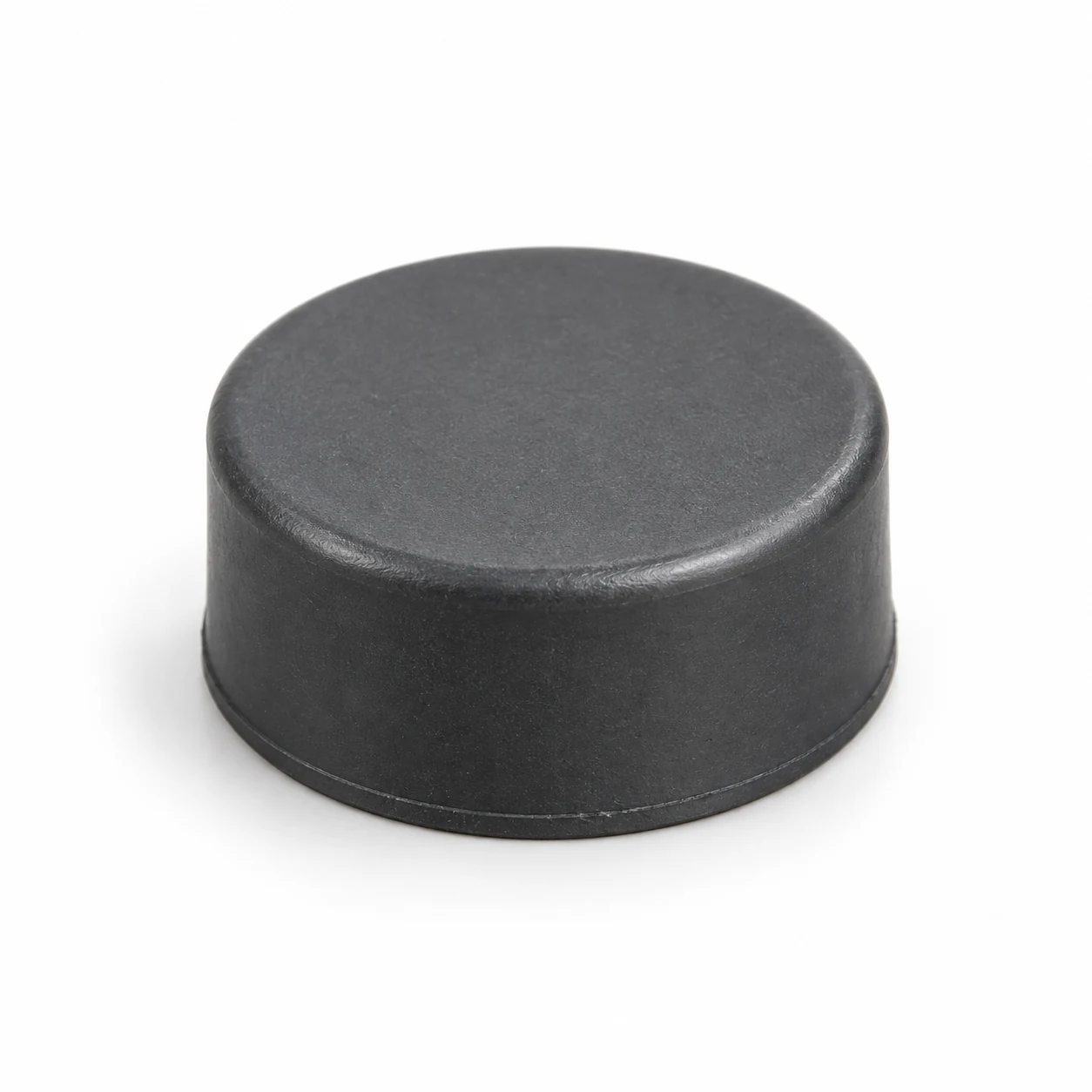
Columniform Self Adhesive Rubber Feet
Compare OD and H in mm using this profile drawing. Confirm the required material, colour and adhesive.
Rectangular Self Adhesive Rubber Feet
Compare A, B and H in mm using this profile drawing. Confirm the required material, colour and adhesive.
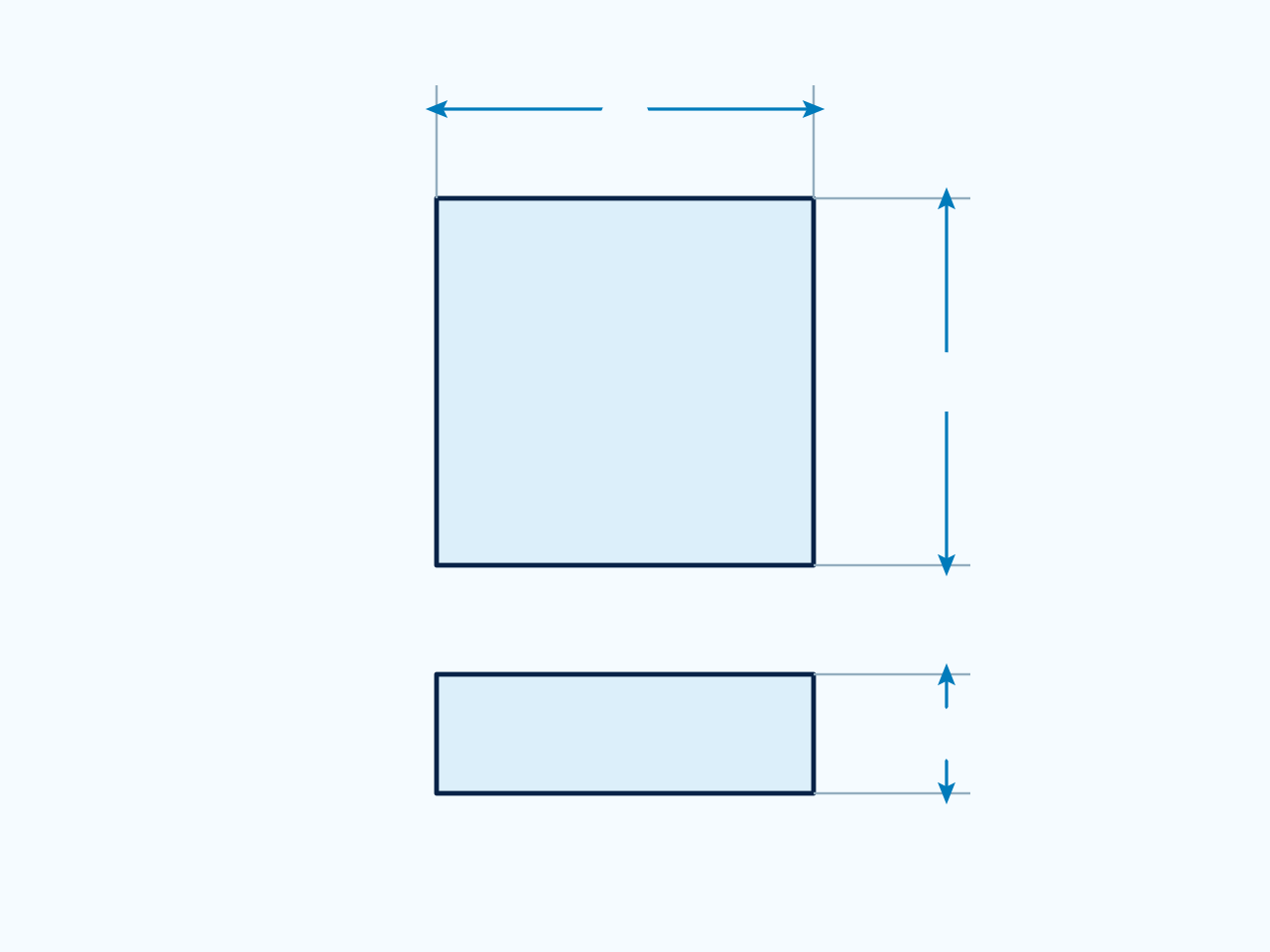
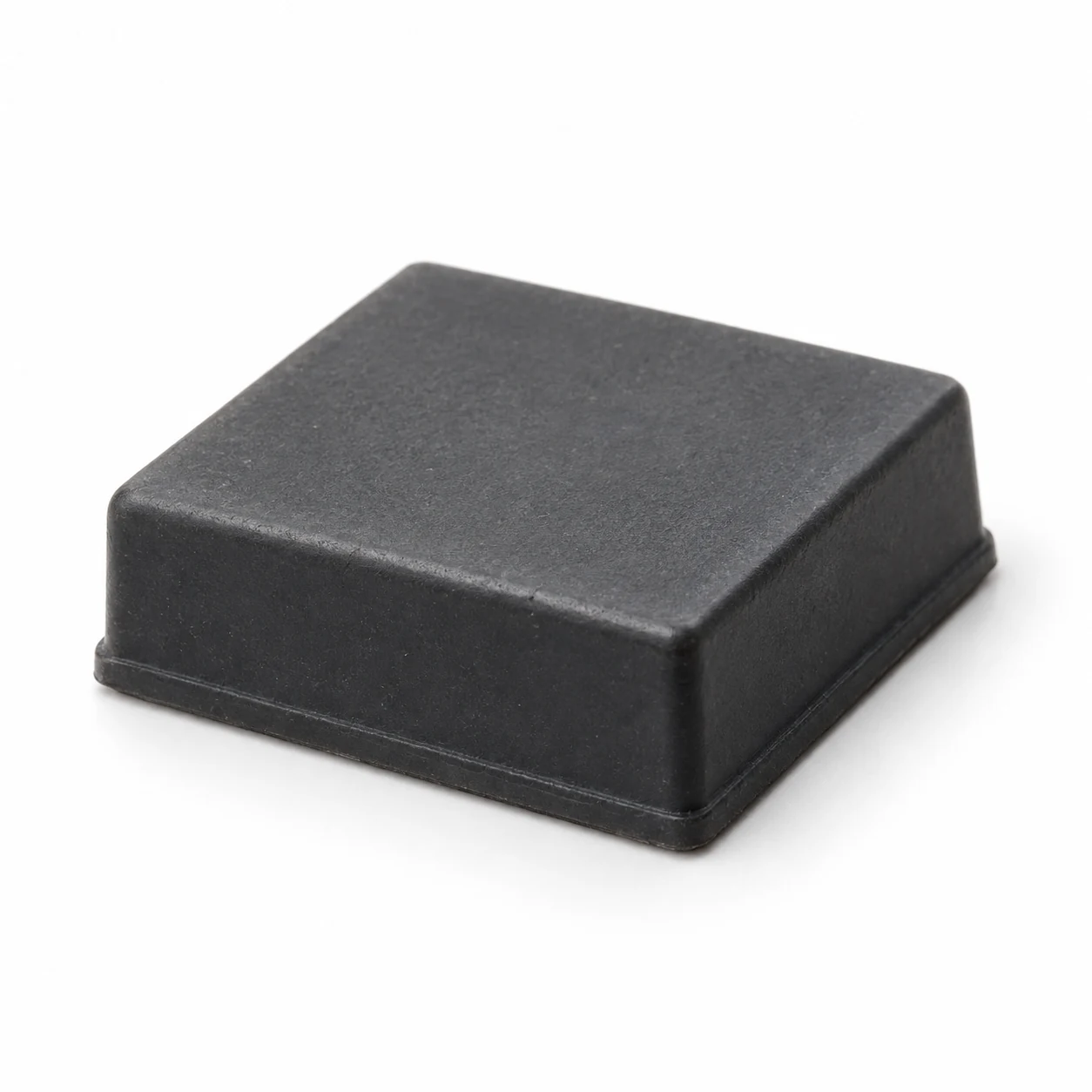
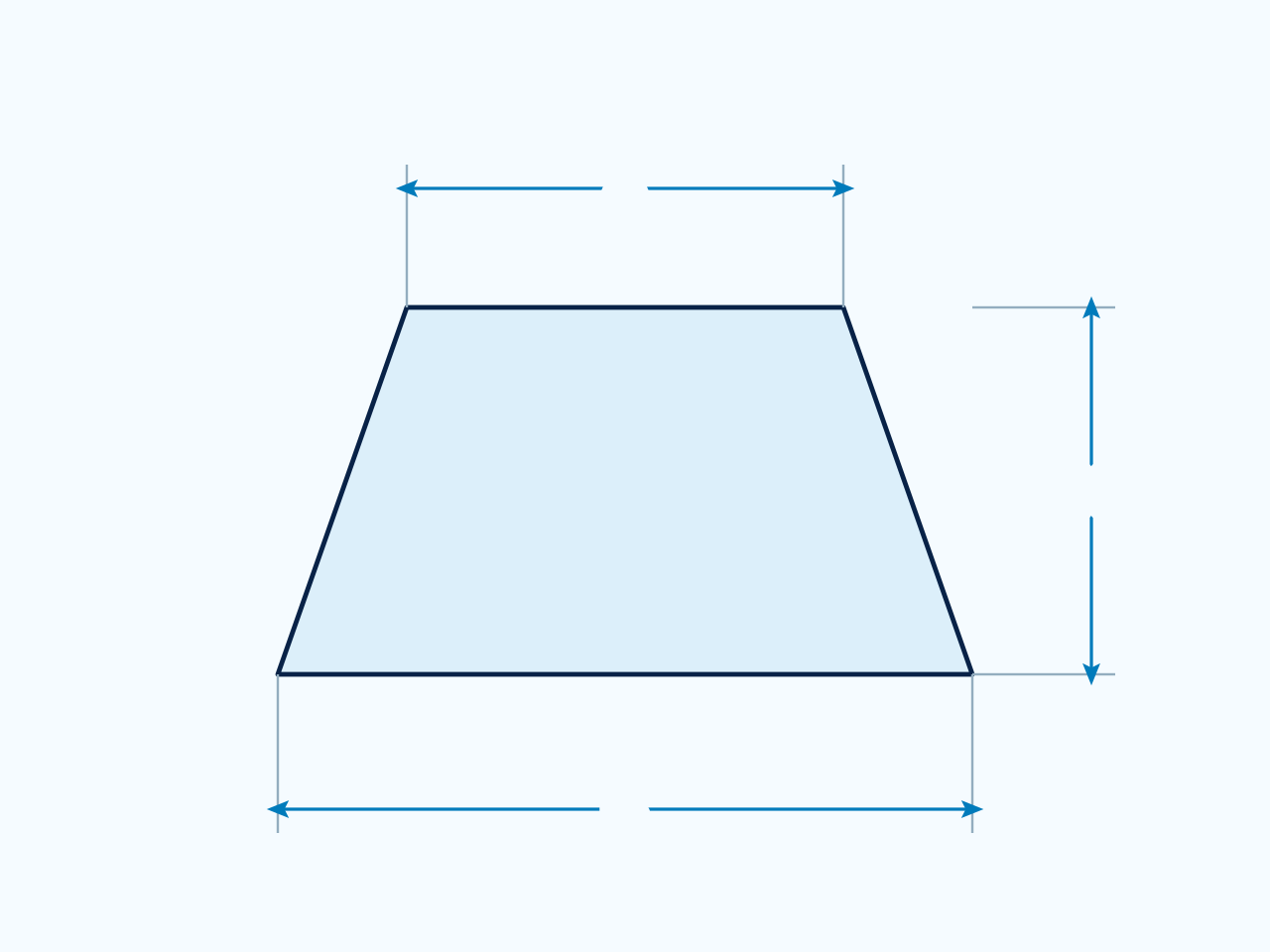
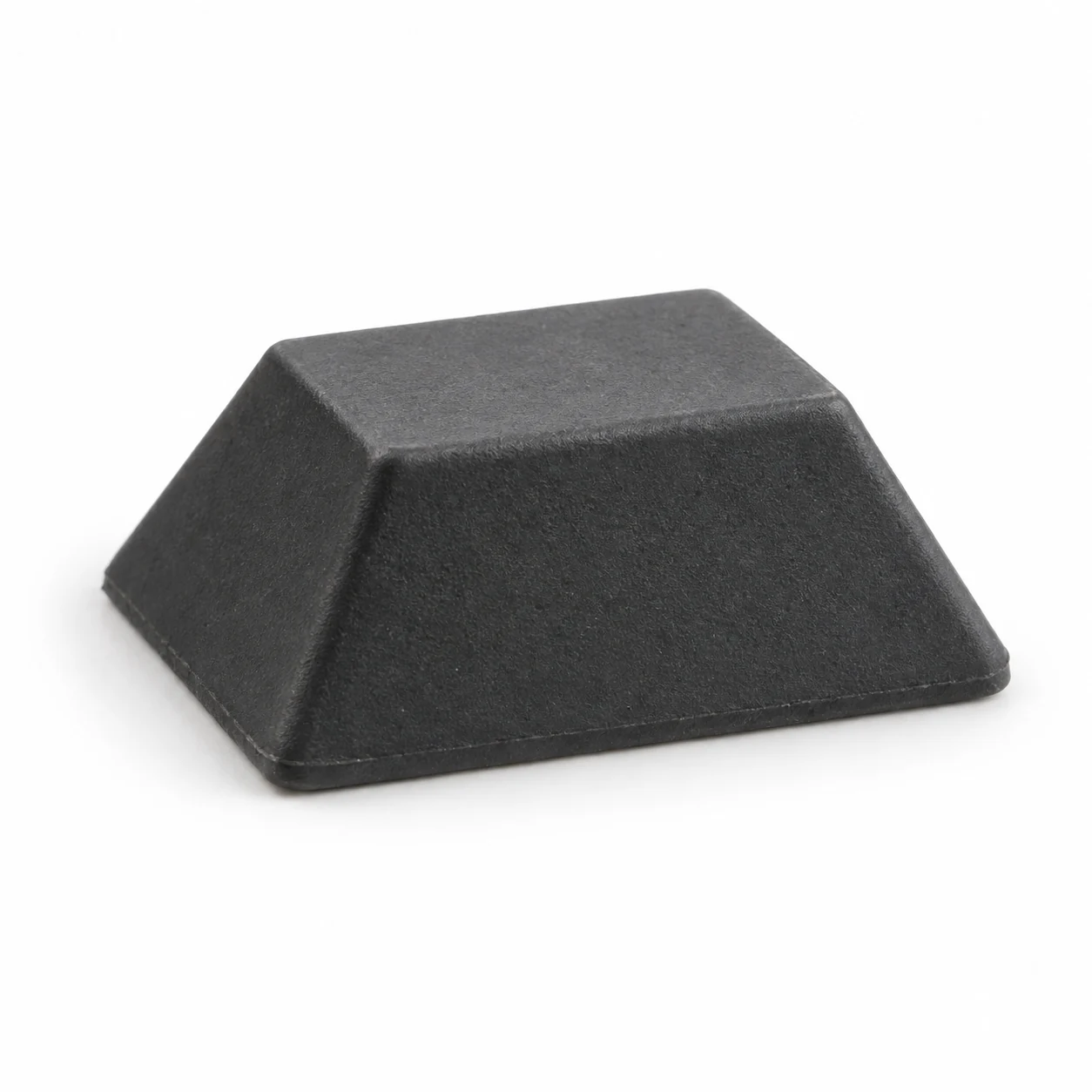
Trapezoidal Self Adhesive Rubber Feet
Compare A, B and H in mm using this profile drawing. Confirm the required material, colour and adhesive.
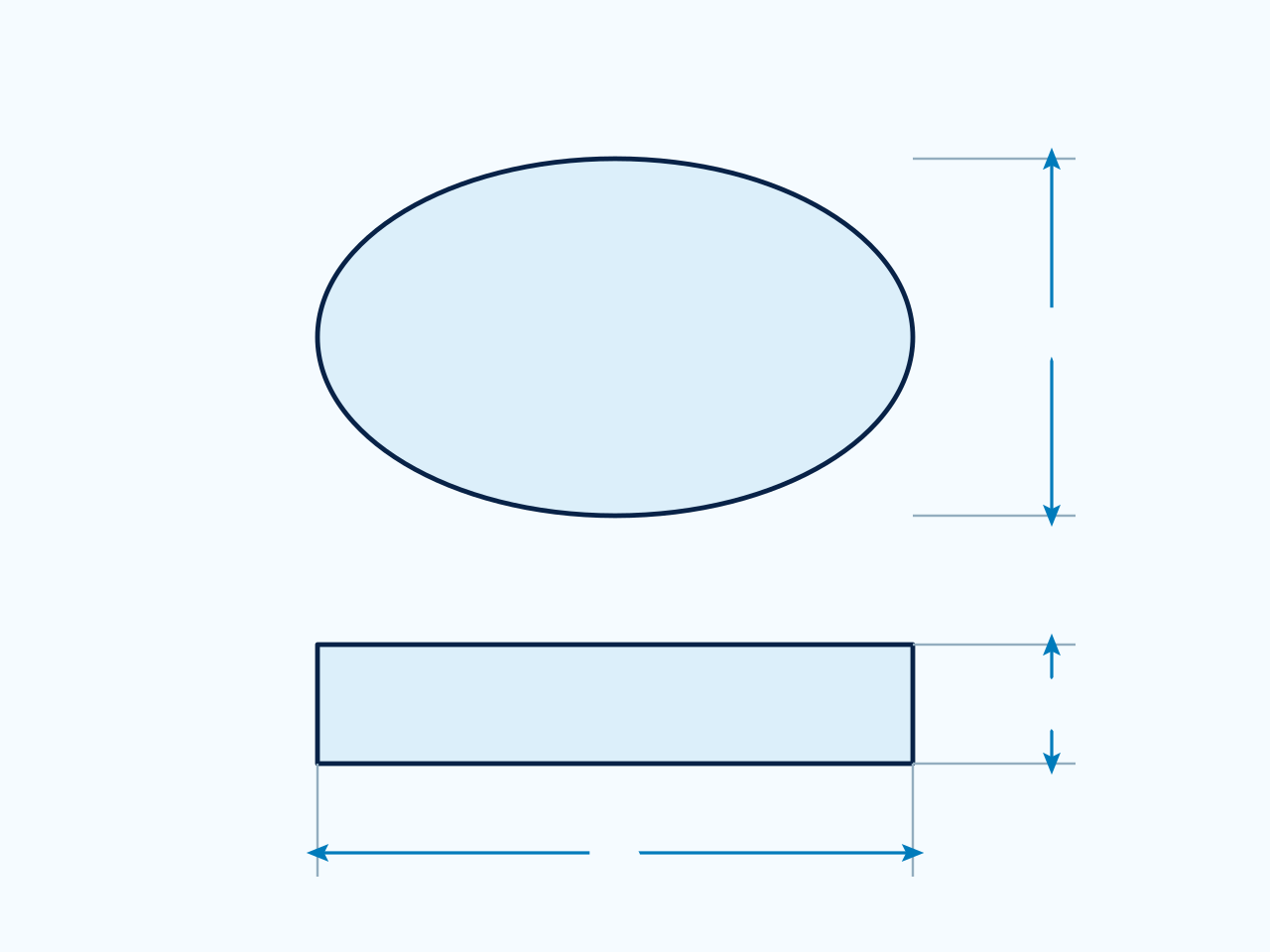
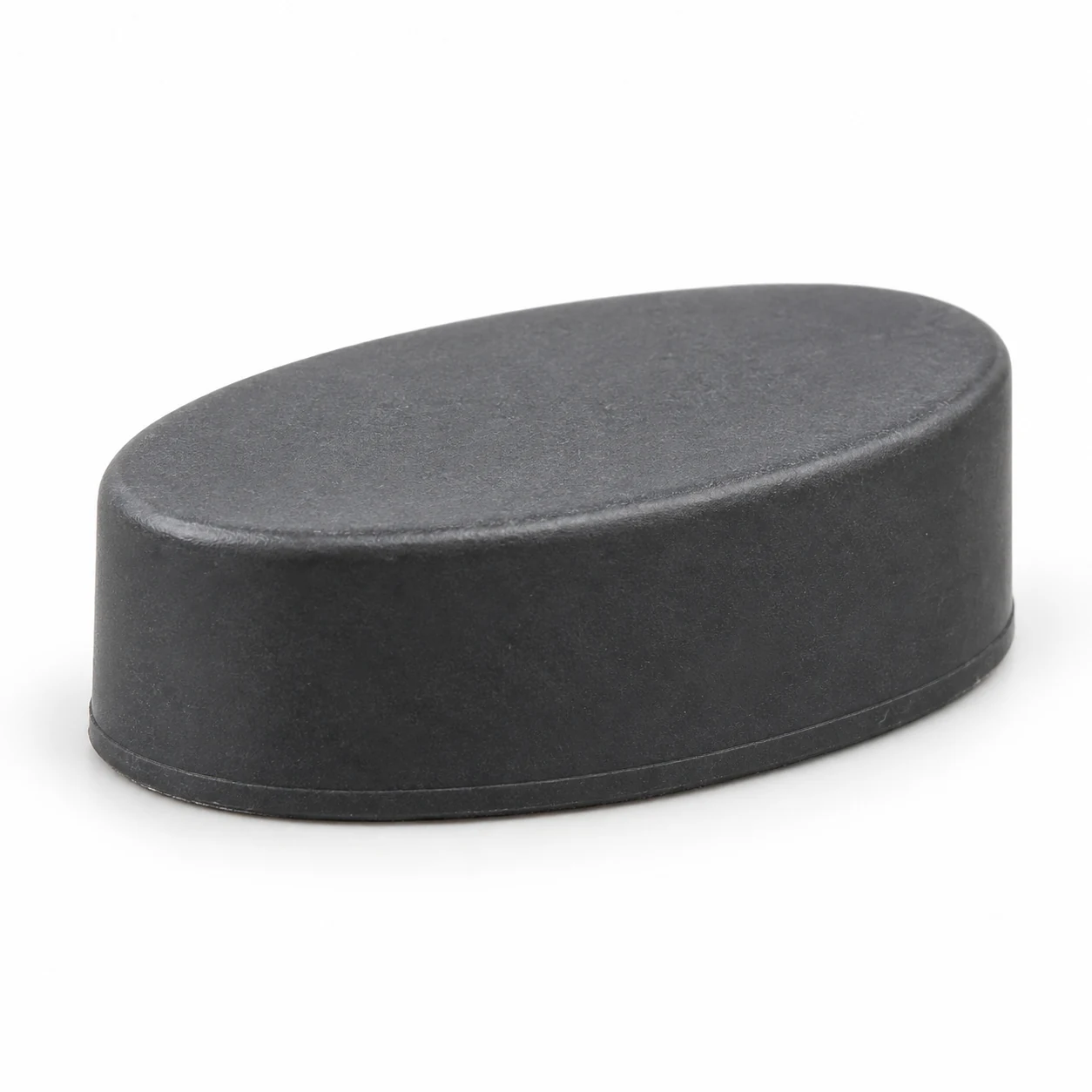
Oval Self Adhesive Rubber Feet
Compare A, B and H in mm using this profile drawing. Confirm the required material, colour and adhesive.
Need a different size? Share your drawing, mating dimensions and intended use to discuss a suitable part.
Discuss Your RequirementsProduct specifications
- Product form
- Resilient contact stop
- Application focus
- Cabinet or door contact points and electronic equipment bases. Size the part against the selected assembly.
- Dimensions to confirm
- Contact-face area, projection and mounting geometry. Match these to cabinet or door contact points and electronic equipment bases.
- Bond interface
- Identify the substrate and surface finish, adhesive footprint and peel or shear loading at the bond.
- Profiles discussed
- Square profiles and cylindrical sections. Select the profile that matches the mating part and dimension that section explicitly.
- Installation discussed
- Adhesive bonding. Identify the chosen retention method and the surface or hardware it engages.
- Working clearance
- Define the closing gap, contact direction and compression available at the stop.
Need a quote or a custom part?
Send your requirements, drawings or samples to discuss standard and custom silicone rubber parts.
Email us[email protected]