
Shock absorbing mounts
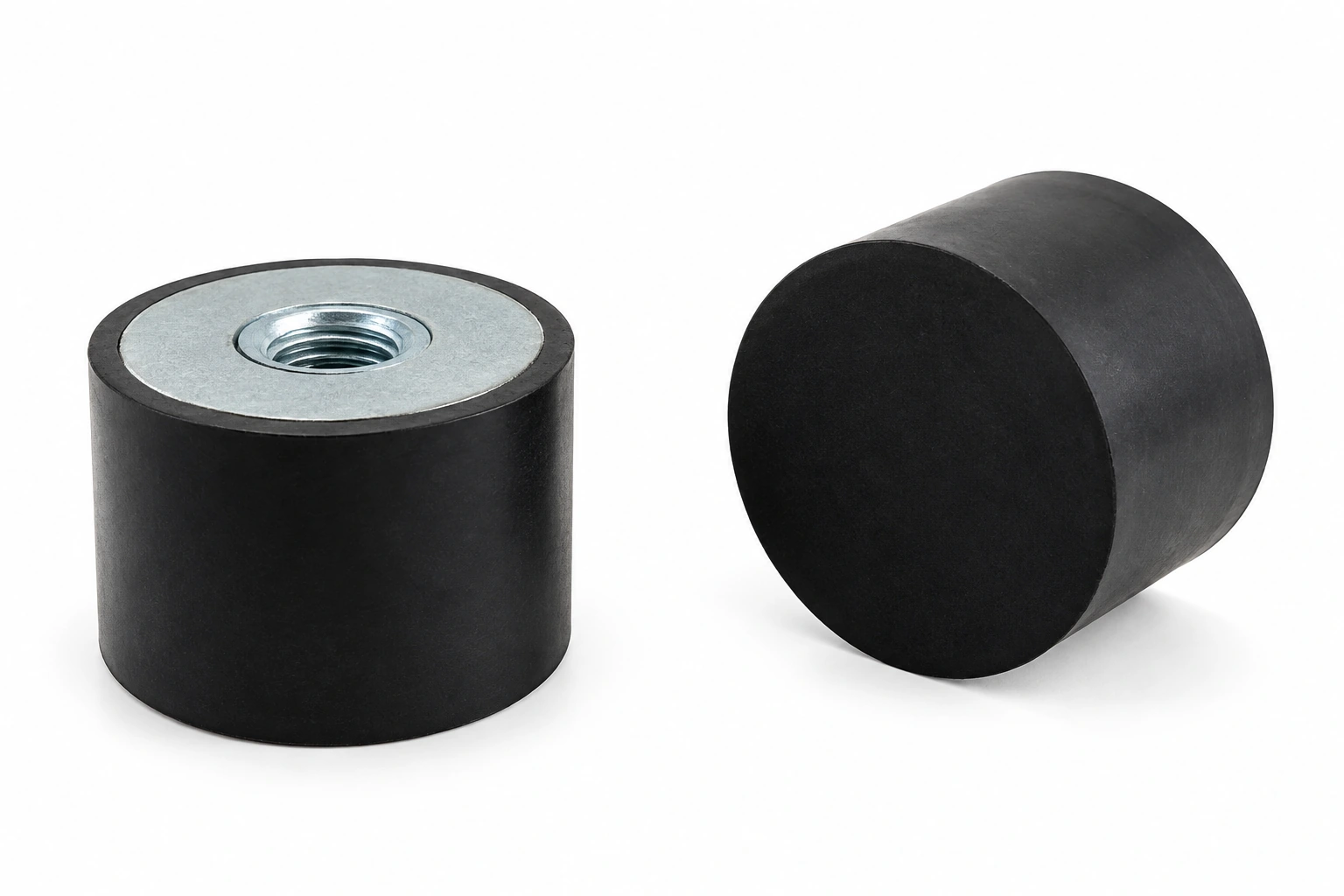
Shock absorbing mounts are, in most cases, manufactured from a rubber part that is then connected to a metal plate, however, they could also simply be rubber molded parts. The shock absorbing mounts that our organization offers have a wide range of applications, and their main purpose is to, as the name implies, absorb shock and vibrations, but they will also reduce the noise that particular machines, devices, appliances, heavy machinery, tools, and equipment makes. In most machines available on the market, the vibration isn’t an integral part of the operation, which is why shakes, vibrations, and rumbles can hinder the components from working properly, thus, the machine might malfunction regularly.
If it does need repairs regularly, companies will have an increased bill for the repairs and/or replacements of parts, but, by adding shock absorbing mounts, this situation can be entirely avoided. These mounts are utilized in almost every industry, and some of the most common ones that use them include the automotive, marine, military, as well as manufacturing industries. Since they are manufactured from high-quality rubber, they could be used in various environments, and the shock absorbing mounts are also resistant to a wide range of substances.
Some of the substances that won’t influence the condition of the mounts are oils, liquids such as water, some types of acid, and it’s also worth mentioning that it’s resistant to humidity, dampness, and dirt. Some of the applications that these shock absorbing mounts are used for include pumps, machinery, engines, compressors, as well as general industrial machines. The one thing all our customers must ensure is to choose a mount that’ll suit the machine, device, equipment, or tools that they have to protect from vibrations, hence, they must consider the weight of the item, as well as the operating speed of the item.
Vibration Mount Size Catalog
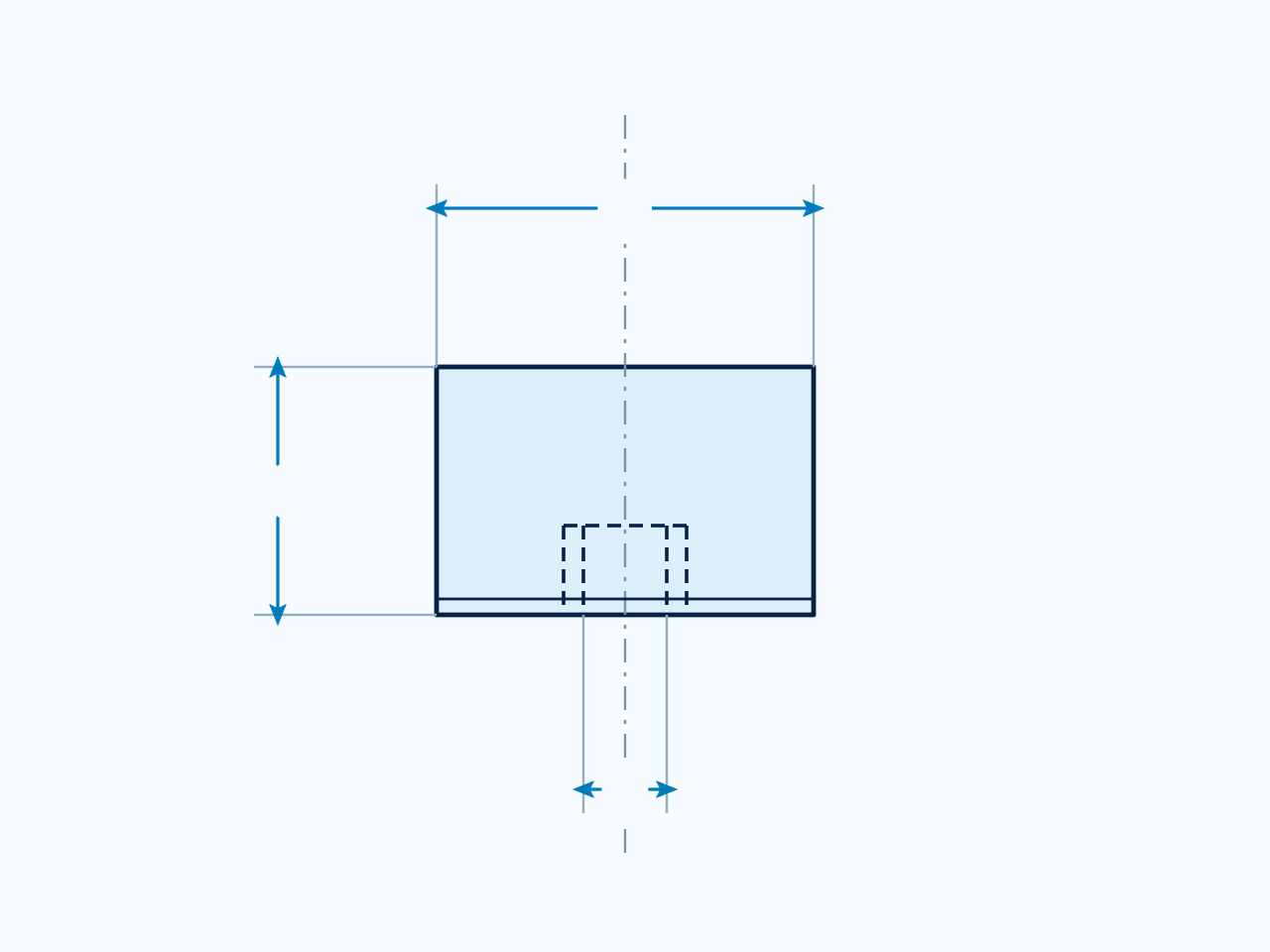
Compare five mounting arrangements using the matching drawing, thread and dimensional data. Load and compression columns retain their stated units; confirm operating conditions for your installation.
Vibration Damping Mounts A
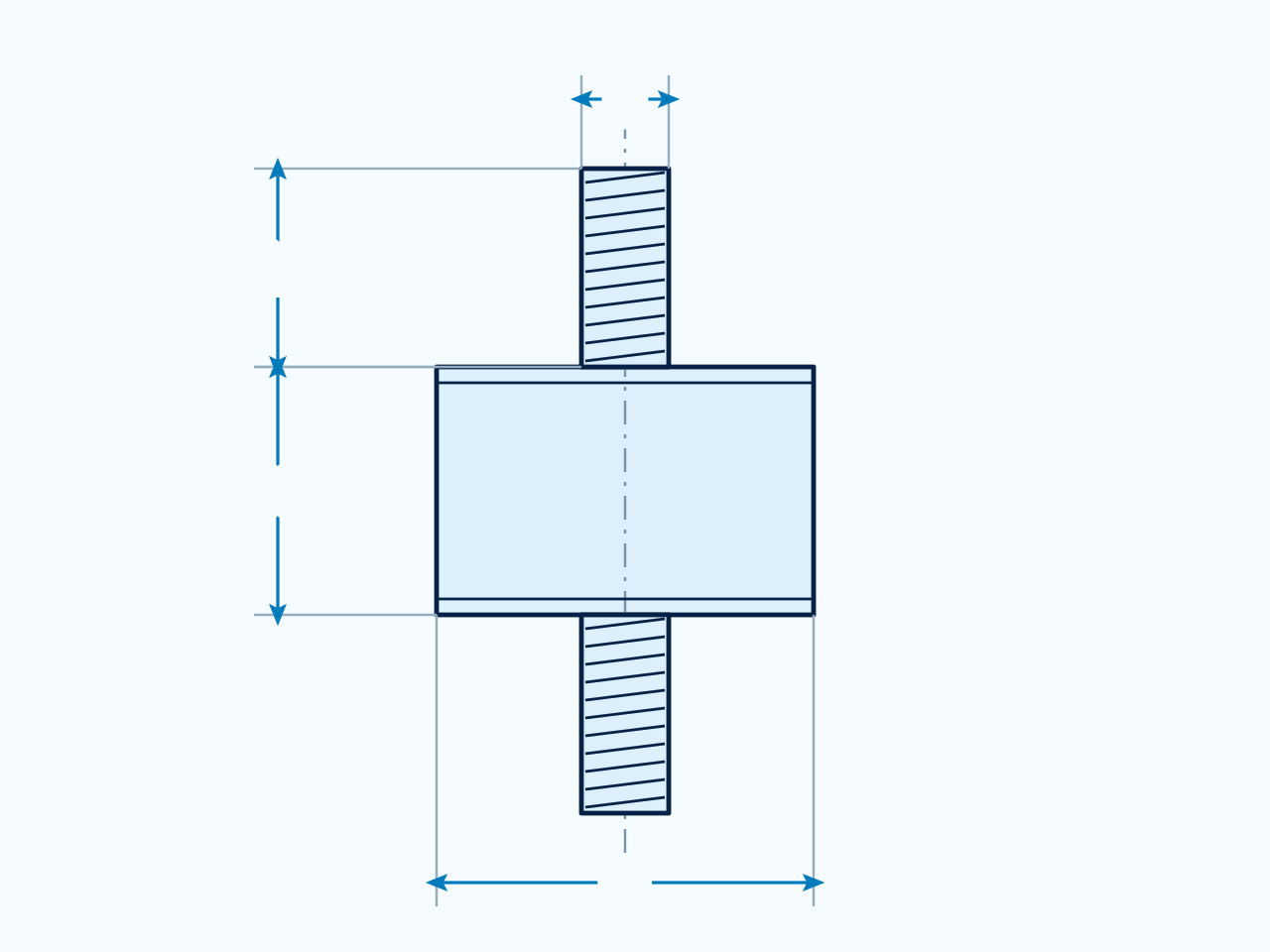
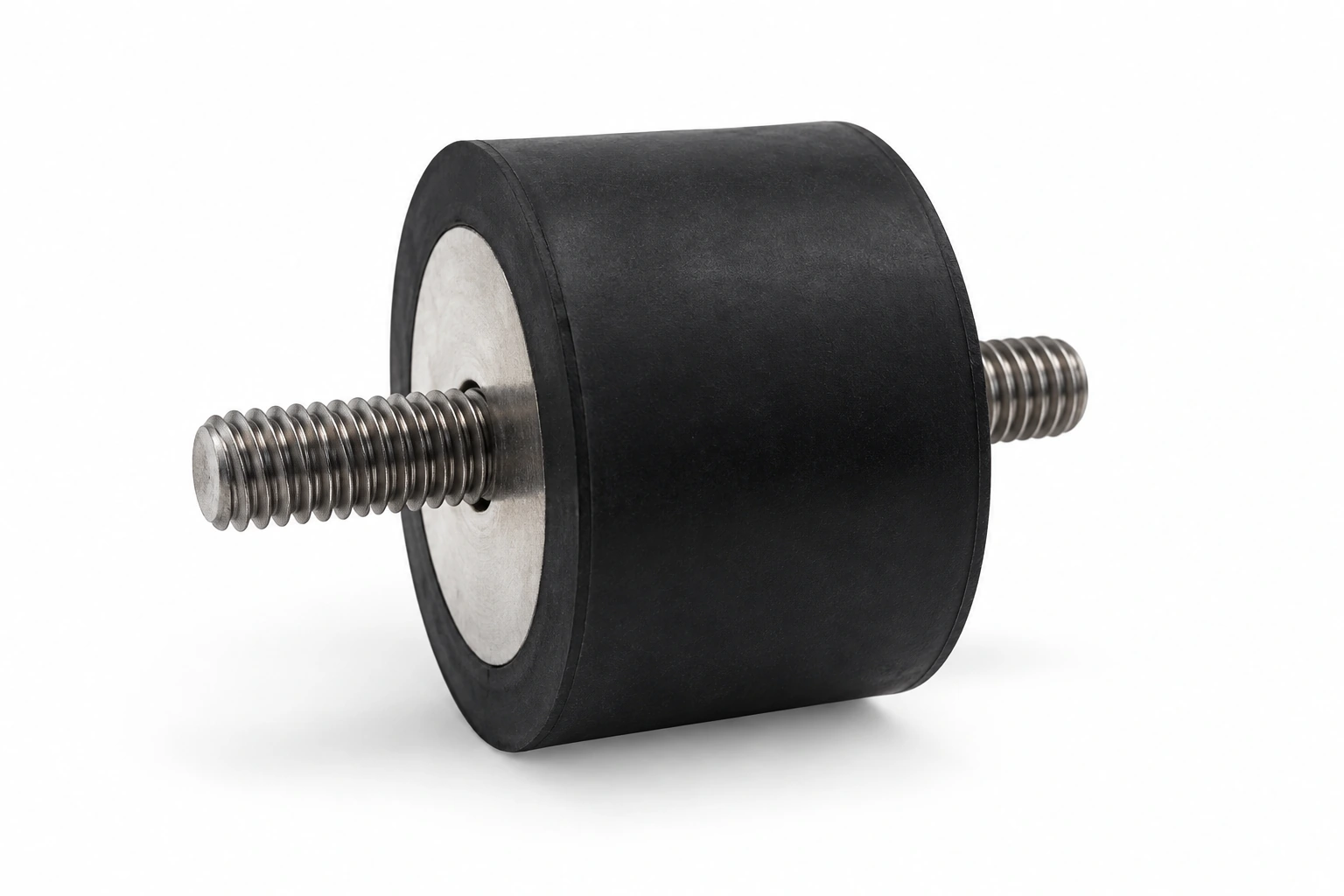
Match D, H and thread d to the drawing, including stud length L. Dimensions are in mm; thread designations, load in kg and compression in mm follow the table headings. Confirm load direction and operating conditions for your installation.
Anti-Vibration Rubber Mounts B
Match D, H and thread d to the drawing, including stud length L. Dimensions are in mm; thread designations, load in kg and compression in mm follow the table headings. Confirm load direction and operating conditions for your installation.
Vibration Isolators C
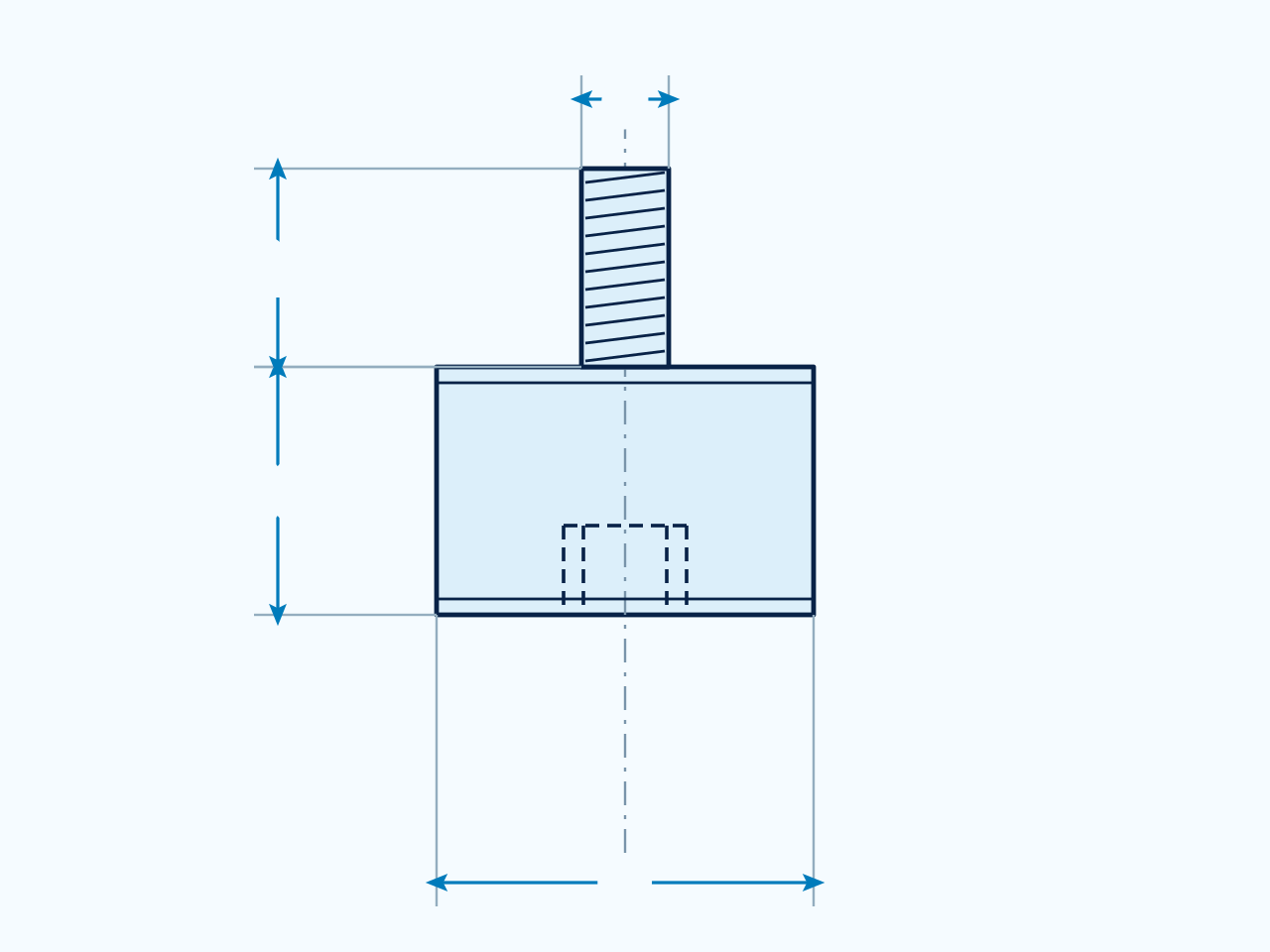
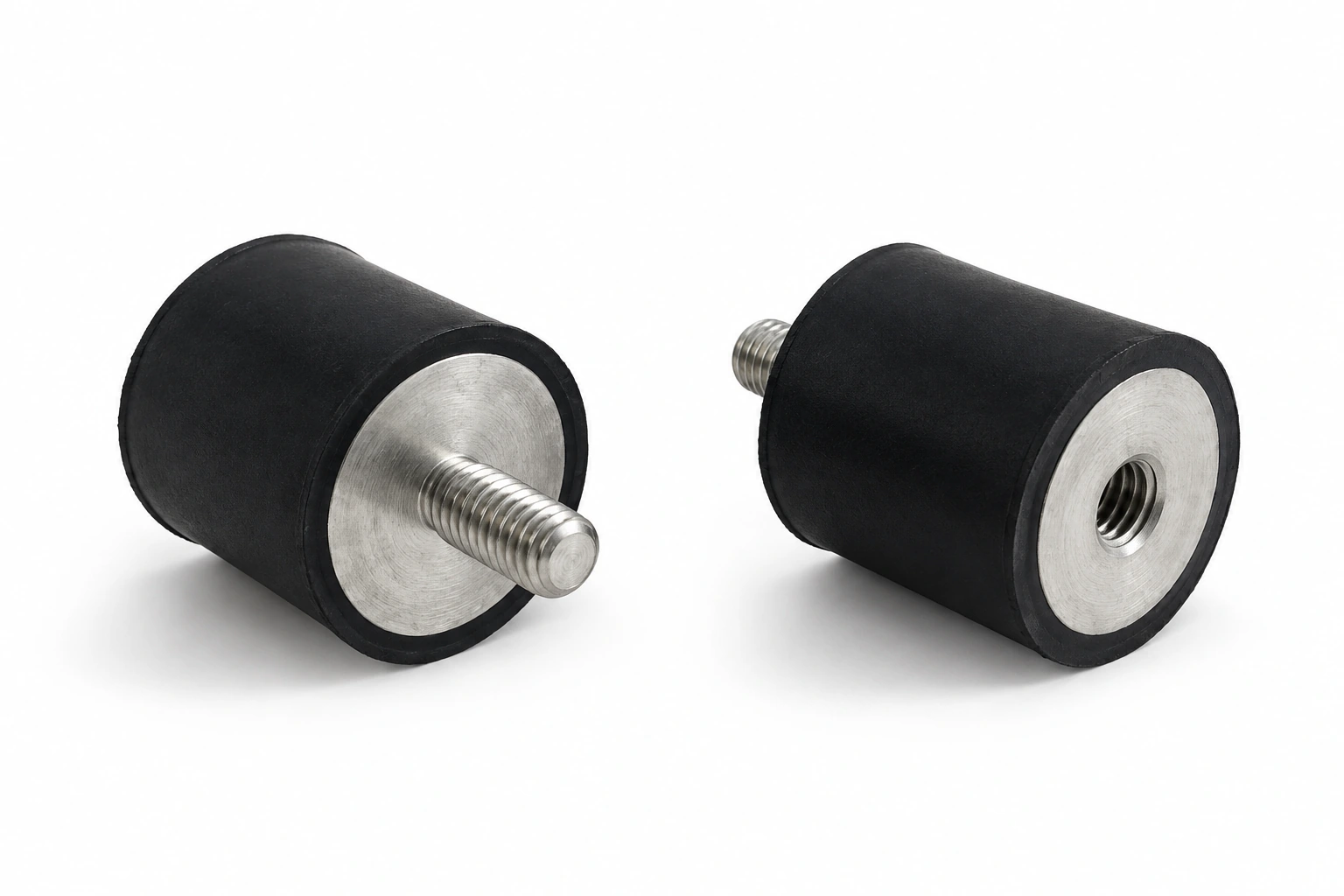
Match D, H and thread d to the drawing. Dimensions are in mm; thread designations, load in kg and compression in mm follow the table headings. Confirm load direction and operating conditions for your installation.
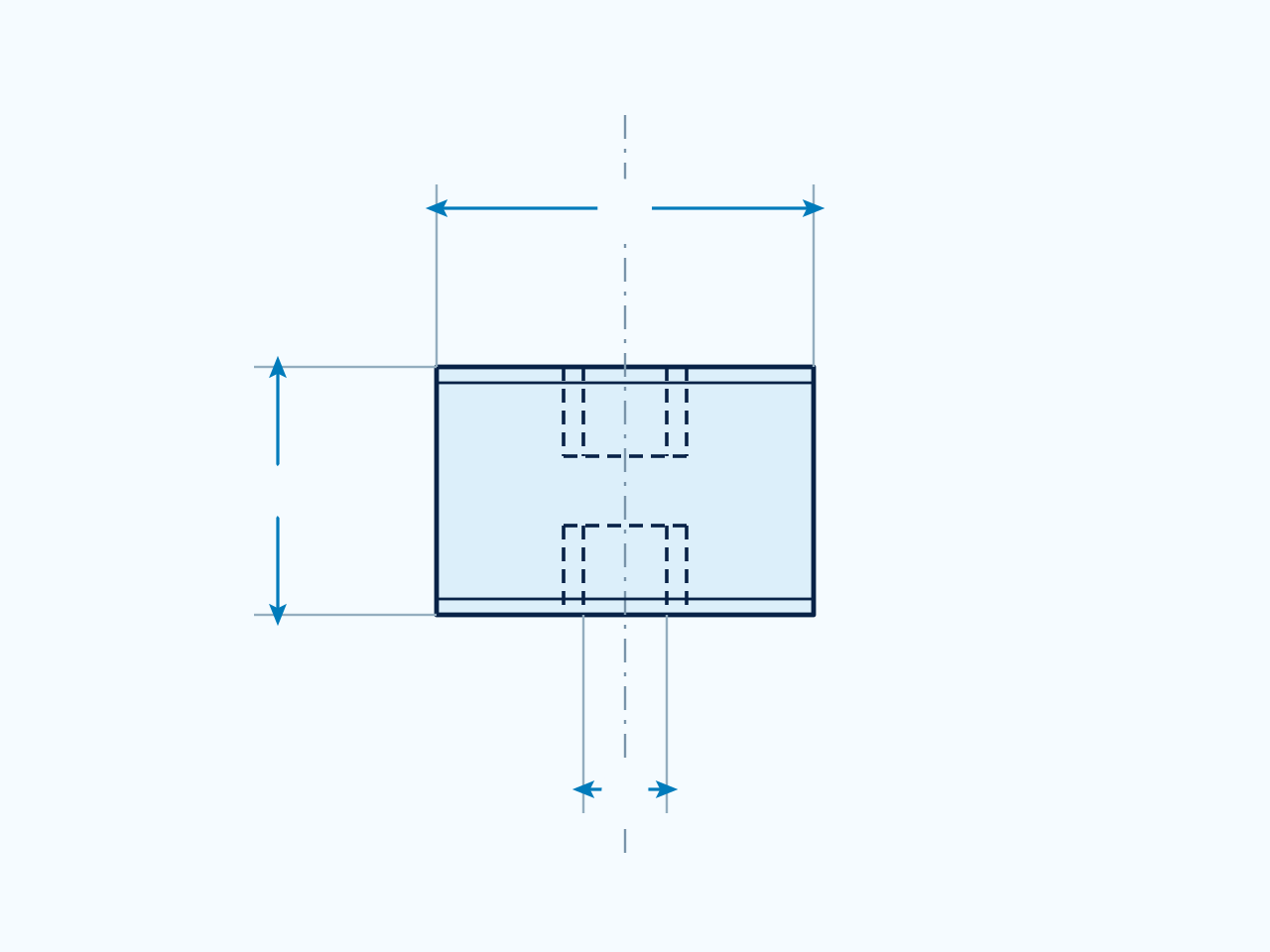
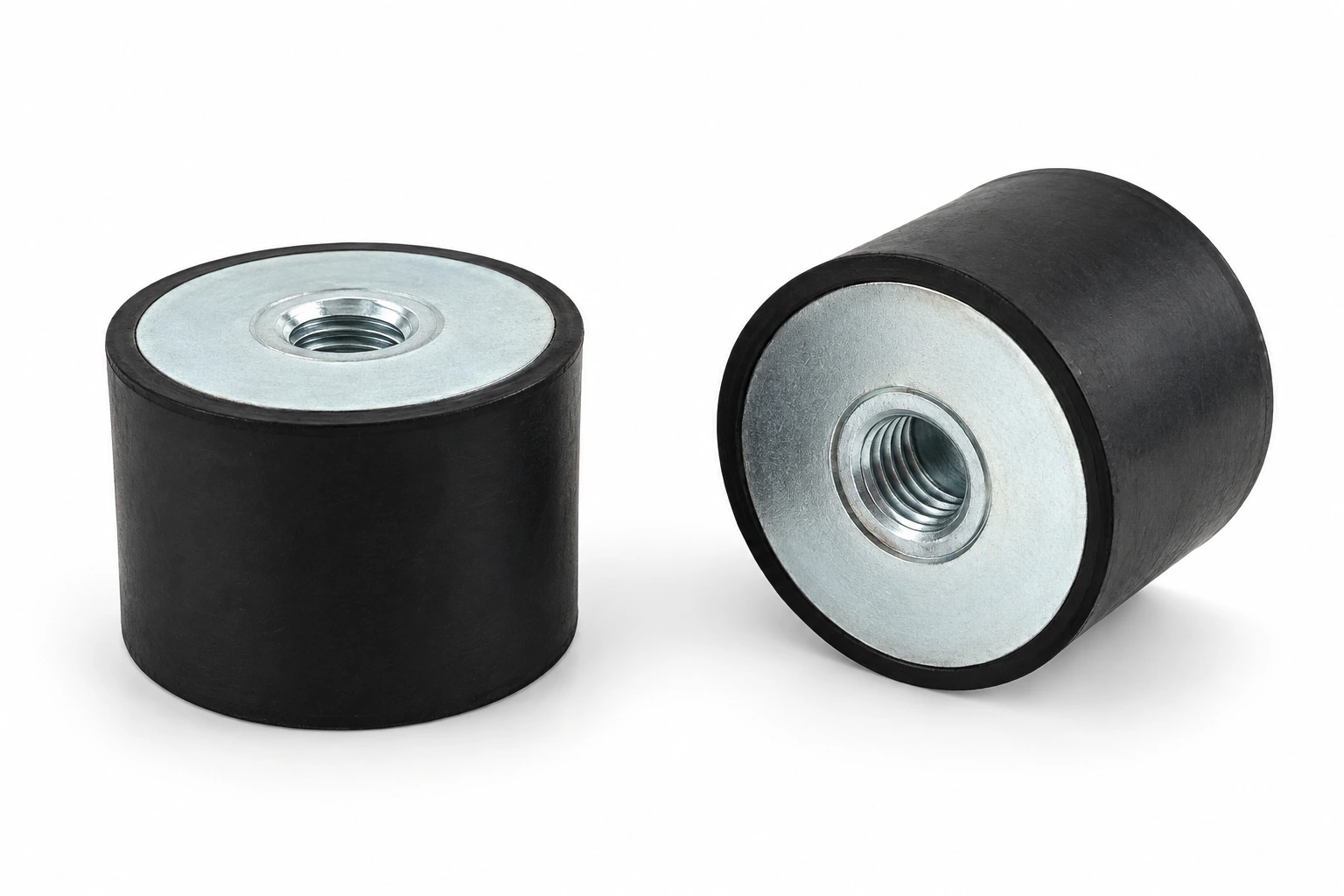
Rubber Mountings D
Match D, H and thread d to the drawing, including stud length L. Dimensions are in mm; thread designations, load in kg and compression in mm follow the table headings. Confirm load direction and operating conditions for your installation.
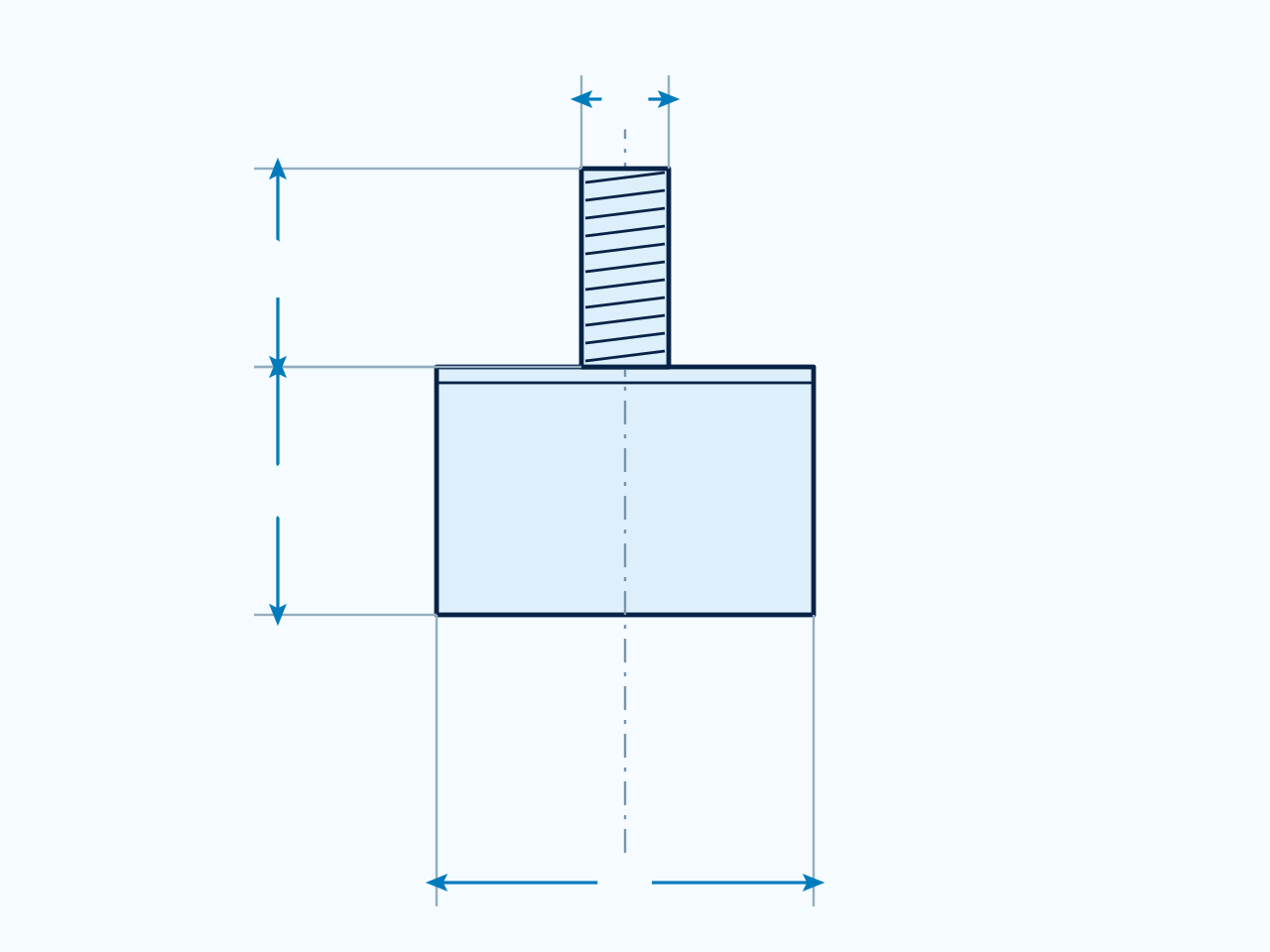
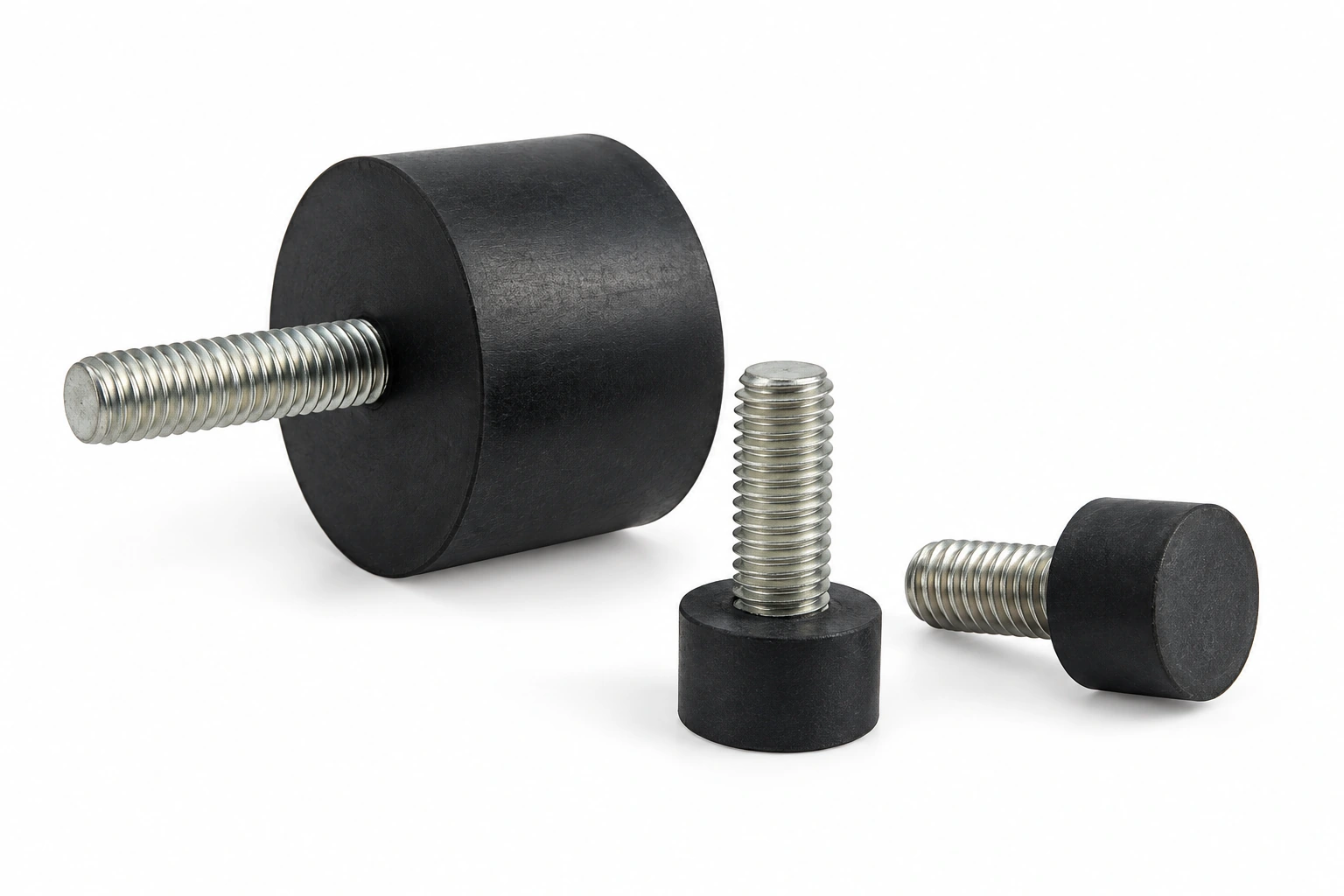
Rubber Vibration Mounts E
Match D, H and thread d to the drawing. Dimensions are in mm; thread designations, load in kg and compression in mm follow the table headings. Confirm load direction and operating conditions for your installation.
Need a different size? Share your drawing, mating dimensions and intended use to discuss a suitable part.
Discuss Your RequirementsProduct specifications
- Product form
- Elastomer mount between a vibrating assembly and its support
- Application focus
- Household appliances, heavy machinery, marine installations, pumps and engines. Size the part against the selected assembly.
- Dimensions to confirm
- Free and loaded heights, attachment spacing and body envelope. Match these to household appliances and heavy machinery.
- Transient load
- Define the impact direction, peak load and available travel separately from the steady vibration requirement.
- Exposure to evaluate
- Moisture, dust or debris and oil splash. Validate the selected material under the combined conditions.
- Isolation objectives
- Steady vibration, impact or shock and structure-borne noise. Define a measurable acceptance target on the supported assembly.
- Construction discussed
- Bonded metal faces. Detail the chosen arrangement and all mating hardware on the drawing.
- Dynamic selection
- Use the load per mount, excitation frequency and allowed movement to select the mount.
Need a quote or a custom part?
Send your requirements, drawings or samples to discuss standard and custom silicone rubber parts.
Email us[email protected]