
Silicone elastomer tubing
Have you heard of silicone elastomer tubing? We’re sure you have, but if (think) you haven’t – here’s a brief explanation. Elastomers are polymers with high viscoelasticity, meaning they are both very elastic and they have high viscosity. Loosely translated, that means that elastomers can be easily stretched without breaking and that they are resistant to deformation. So, if you stretch them out, fold them, or tie them up – they will revert to their previous shape, virtually unaffected by the things done to them. Silicone rubber is a saturated rubber and is a great example of an elastomer. It is a polymer made from silicon, carbon, hydrogen and oxygen. As we all know, silicone rubber is one of the most commonly used rubber for the manufacturing of tubing, so silicone elastomer tubing is nothing more than your regular, everyday, silicone tubing.
As you probably know, silicone tubing is the most popular kind of tubing. It is used across many industries. Its main purpose is to transfer liquids or gases from one point to another. For instance, you may find silicone elastomer tubing in chemical facilities and laboratories transporting liquids and samples from one piece of glassware to another. Also, you might find silicone elastomer tubing in the food industry. But, since most people don’t really have access to neither of these, the easiest way for you to picture silicone tubing at its best is through a water-cooled computer. Silicone tubes will run water through your whole system, taking away the extra heat from the components, running it through the radiators to cool it down, and then, thanks to the pump, doing that over and over again, actively cooling your computer’s components. But, if you need an even better example – just picture any water hose you’ve ever held in your hand. Chances are, it was made out of silicone.
Silicone Tubing Size Catalog
Compare inside diameter, outside diameter and listed wall thickness across silicone tube ranges. Confirm the material grade and application requirements for the selected part.
Food grade silicone tube
Compare Inside Diameter and Outside Diameter in mm, together with the listed Thickness and Colour. The cross-section drawing identifies the bore and outside diameter; confirm the selected tube material and service requirements.

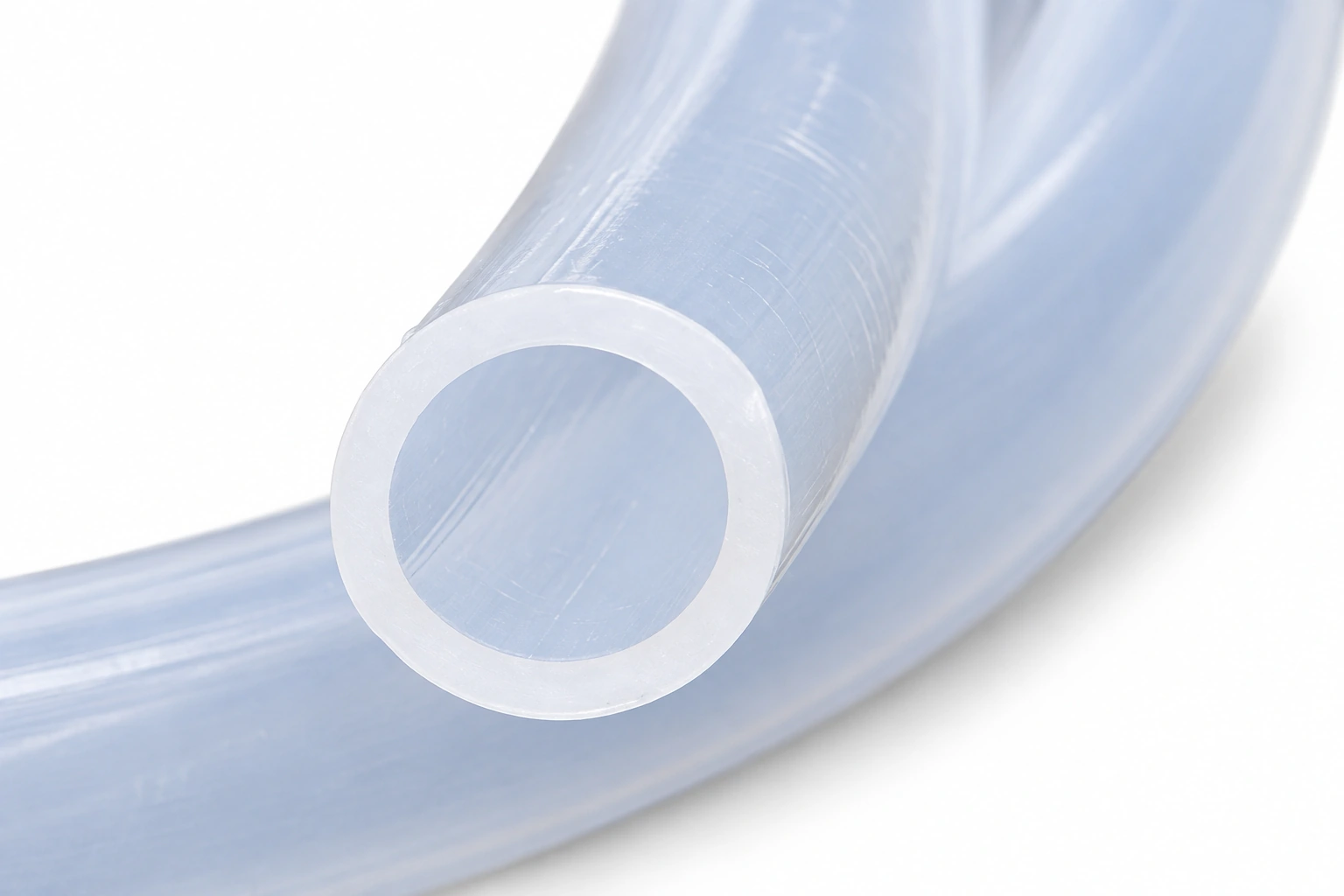
Black silicone tubing
Compare Inside Diameter and Outside Diameter in mm, together with the listed Thickness and Colour. The cross-section drawing identifies the bore and outside diameter; confirm the selected tube material and service requirements.
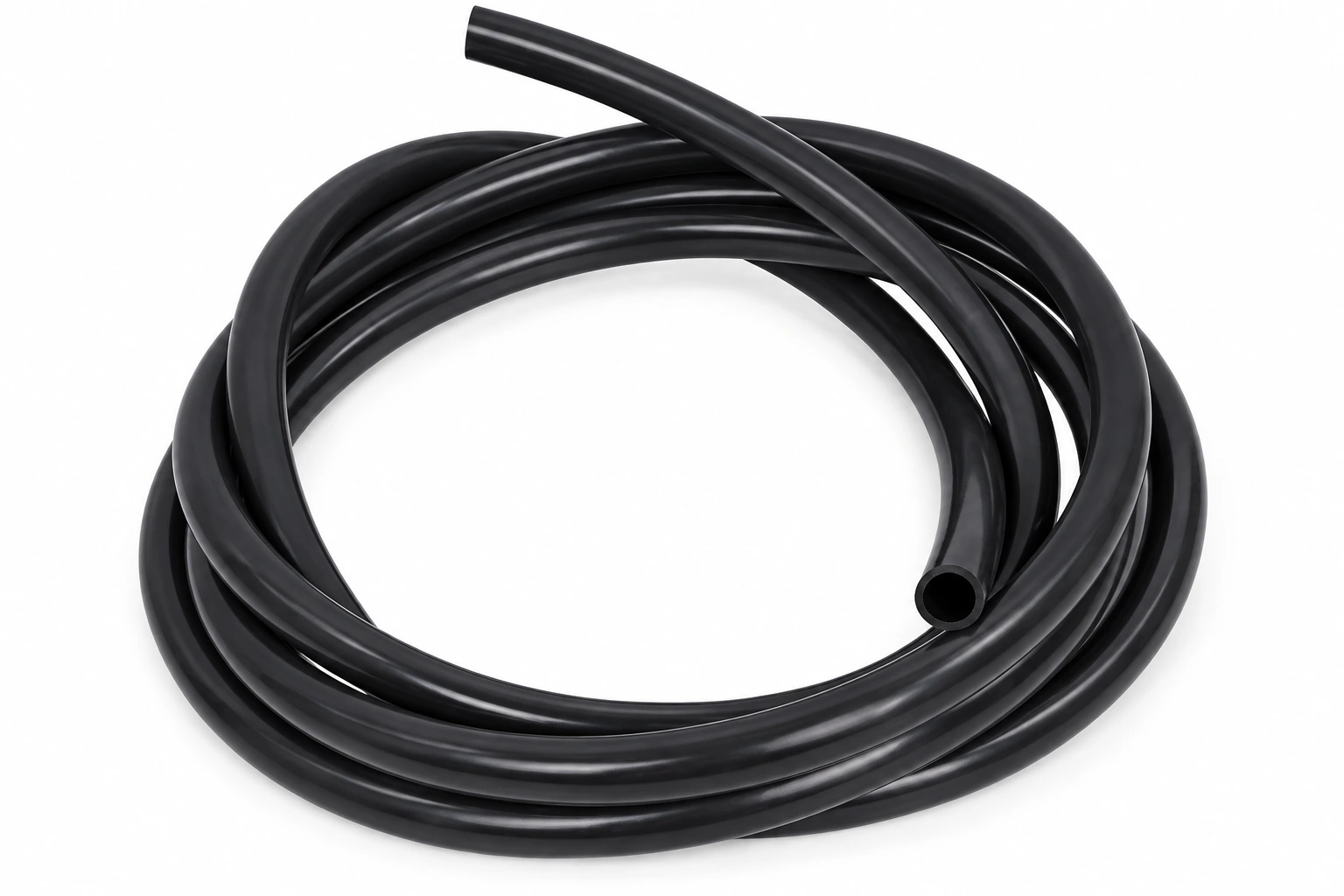
Industrial silicone tube
Compare Inside Diameter and Outside Diameter in mm, together with the listed Thickness and Colour. The cross-section drawing identifies the bore and outside diameter; confirm the selected tube material and service requirements.
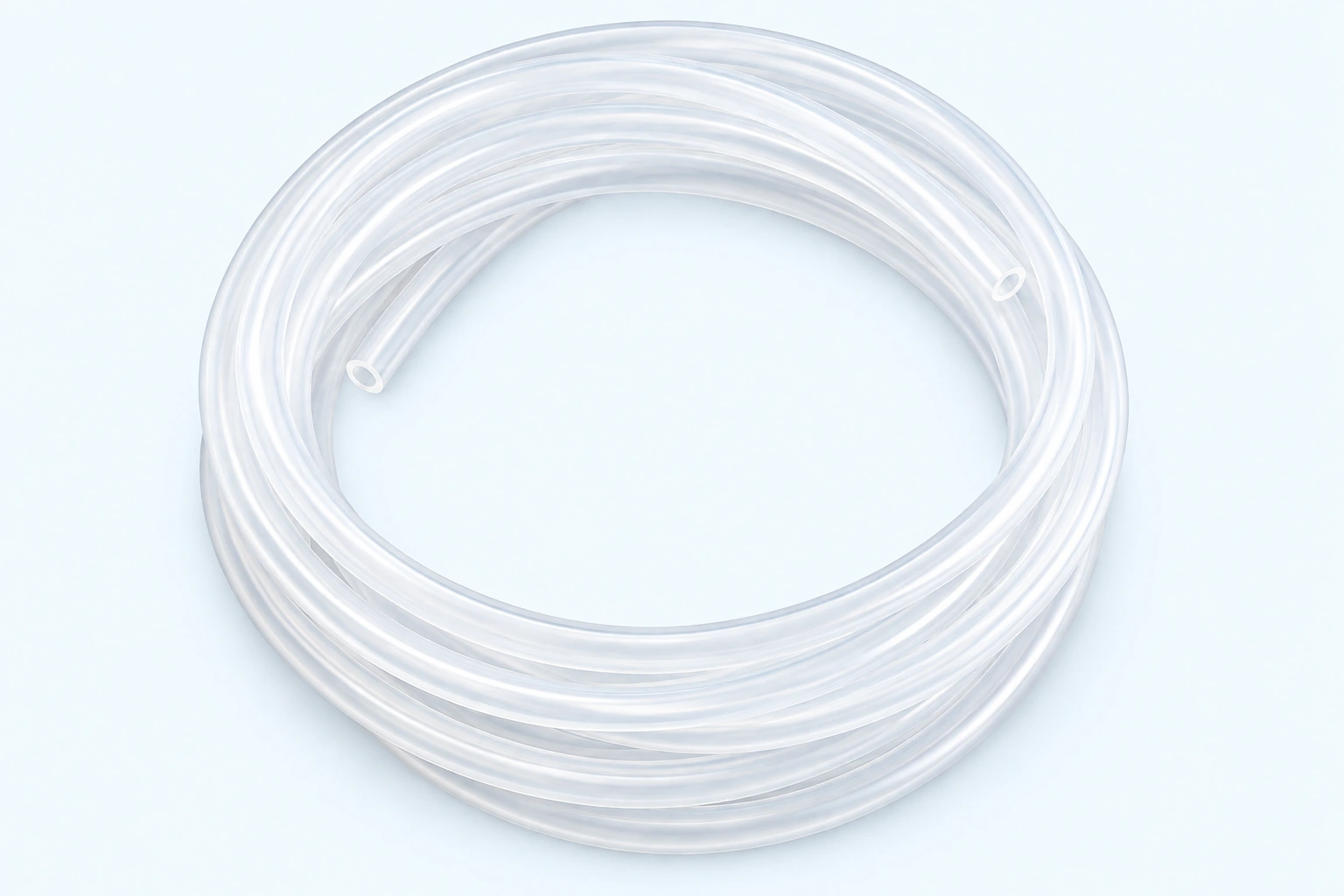
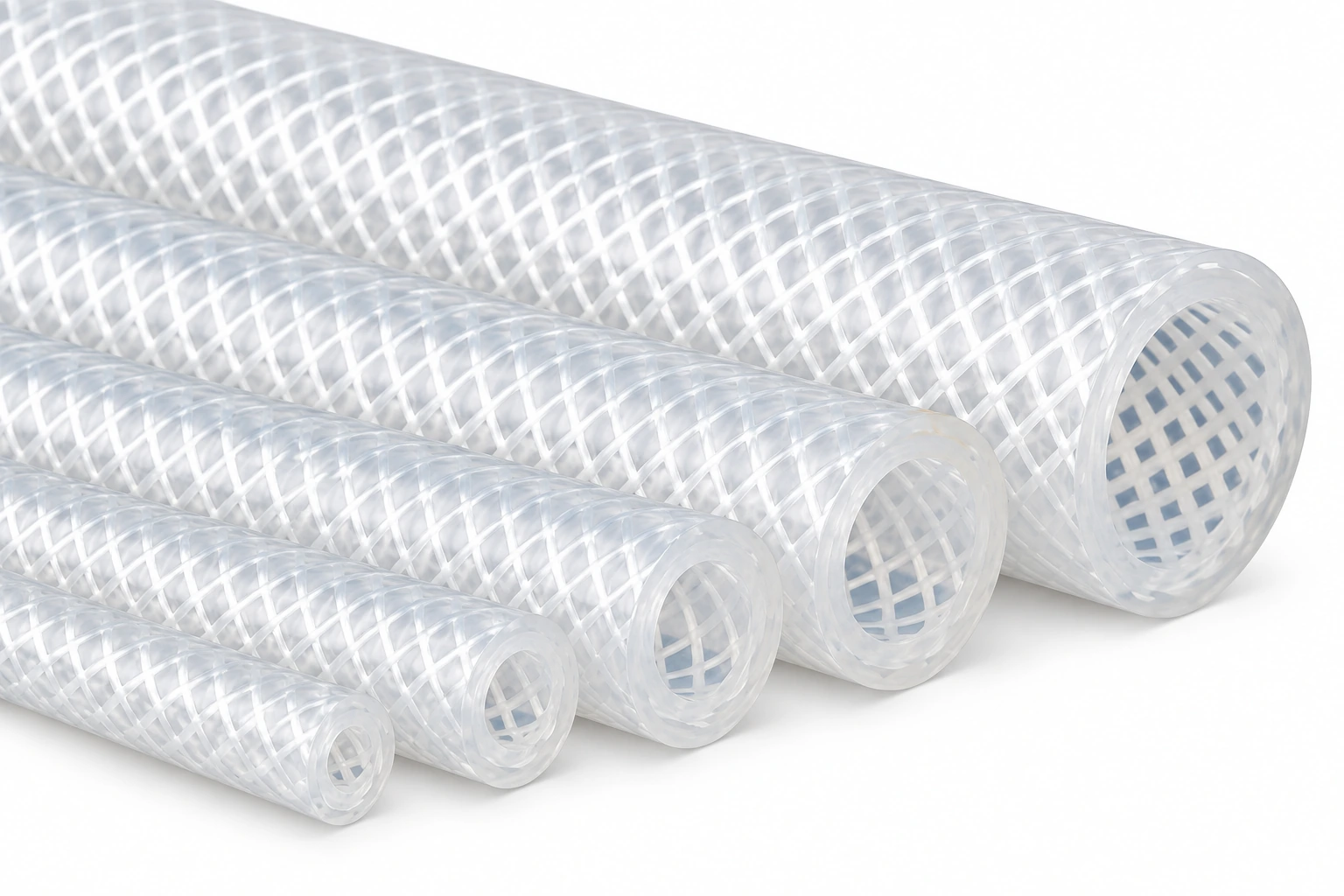
Colourful silicone braided tube
Compare Inside Diameter and Outside Diameter in mm, together with the listed Thickness and Colour. The cross-section drawing identifies the bore and outside diameter; confirm the selected tube material and service requirements.
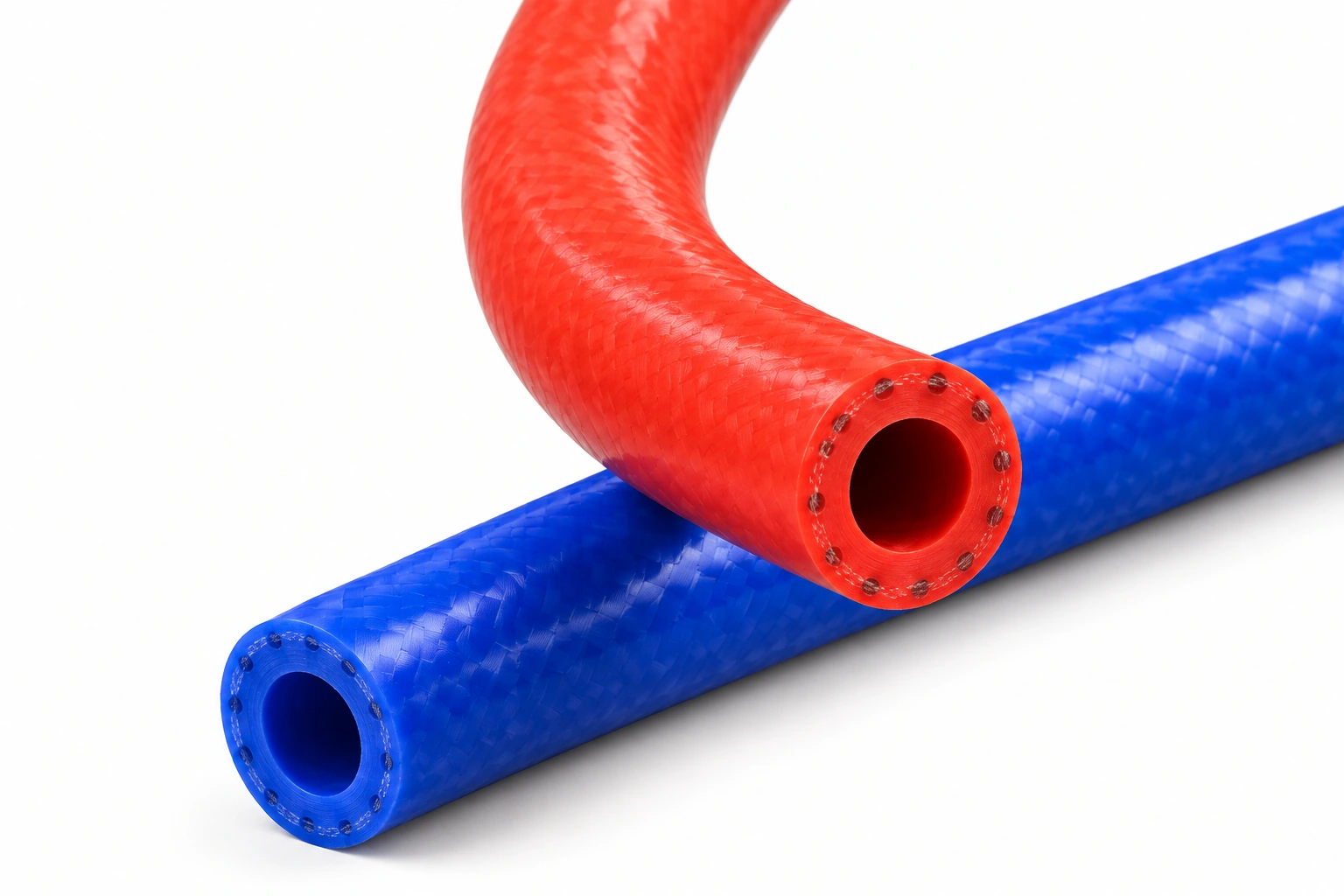
Food grade silicone braided tube
Compare Inside Diameter and Outside Diameter in mm, together with the listed Thickness and Colour. The cross-section drawing identifies the bore and outside diameter; confirm the selected tube material and service requirements.
Need a different size? Share your drawing, mating dimensions and intended use to discuss a suitable part.
Discuss Your RequirementsProduct specifications
- Product form
- Hollow elastomer tubing for a fitted line or sleeve
- Material
- Silicone. Specify the compound grade for the selected service.
- Application focus
- Industrial fluid lines, laboratory connections and food-processing equipment. Size the part against the selected assembly.
- Dimensions to confirm
- Inside diameter, outside diameter, wall thickness and cut length. Match these to industrial fluid lines and laboratory connections.
- Contact conditions
- Oxygen, food ingredients and water: define concentration, temperature and contact time, then check compatibility with the chosen compound.
- Line layout
- Check bend radius, unsupported spans and clearance at both connections.
Need a quote or a custom part?
Send your requirements, drawings or samples to discuss standard and custom silicone rubber parts.
Email us[email protected]