
Silicone rubber bumpers
You can find a large number of rubber bumpers on the market that can be placed on the tops or instead of the legs of your device, appliance or furniture. Whether we are talking about industrial devices or devices for everyday use, these bumpers can be found almost everywhere. They are produced in various shapes and sizes, so it is almost impossible that you cannot find the one you need. Since they are made of silicone, they are quite elastic. They are resistant to heat and moisture. These bumpers are very long-lasting.
If you need to lift, separate or secure a device that works at high temperatures, then we recommend that they be exclusively silicone rubber bumpers. Silicone is very resistant to high temperatures, so no other bumper will be good enough.
In a household assembly, a silicone rubber bumper usually works at a defined contact point. A cabinet stop takes contact as the door closes; a support beneath an appliance carries weight while the appliance is in use. Choose the contact face and installed height for that particular job. Check that the bumper meets the opposing surface squarely and that nearby hinges, catches or ventilation openings still have clearance. This makes placement part of the design instead of relying on the material name to prevent every scratch or noise.
Individual bumpers and continuous strips serve different layouts. A few pads can establish separate resting points, whereas a strip follows a longer edge. With an adhesive-backed version, leave the liner in place until the locations have been marked, then follow the adhesive system’s application instructions. After fitting, operate the door or place the equipment on its supports and check the actual contact. The selected height should provide the intended spacing without forcing another part of the assembly out of alignment.
Rubber Feet & Bumper Size Catalog
Compare mounting style, overall size and recess dimensions. Each profile uses its own drawing and column meanings.
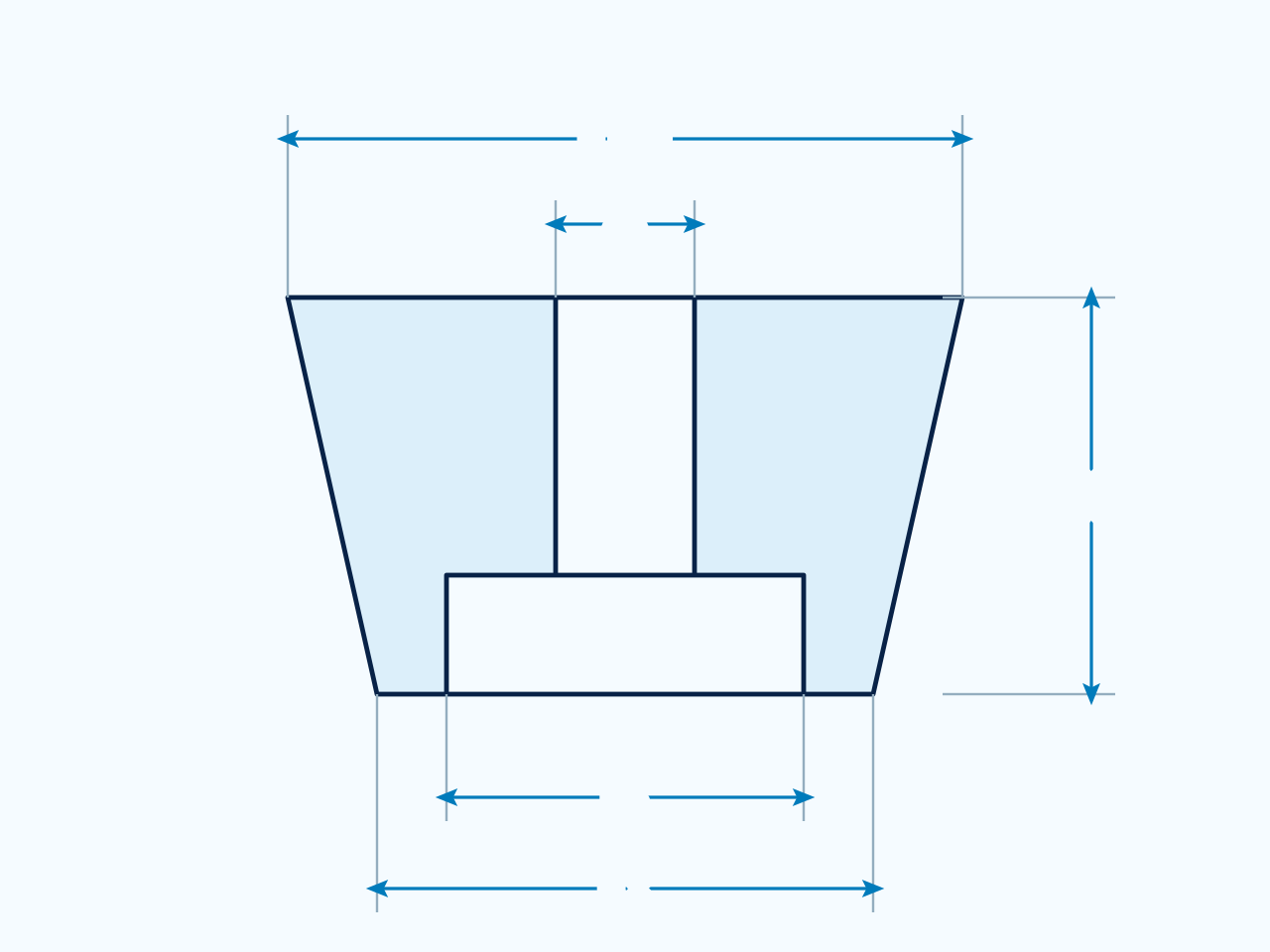
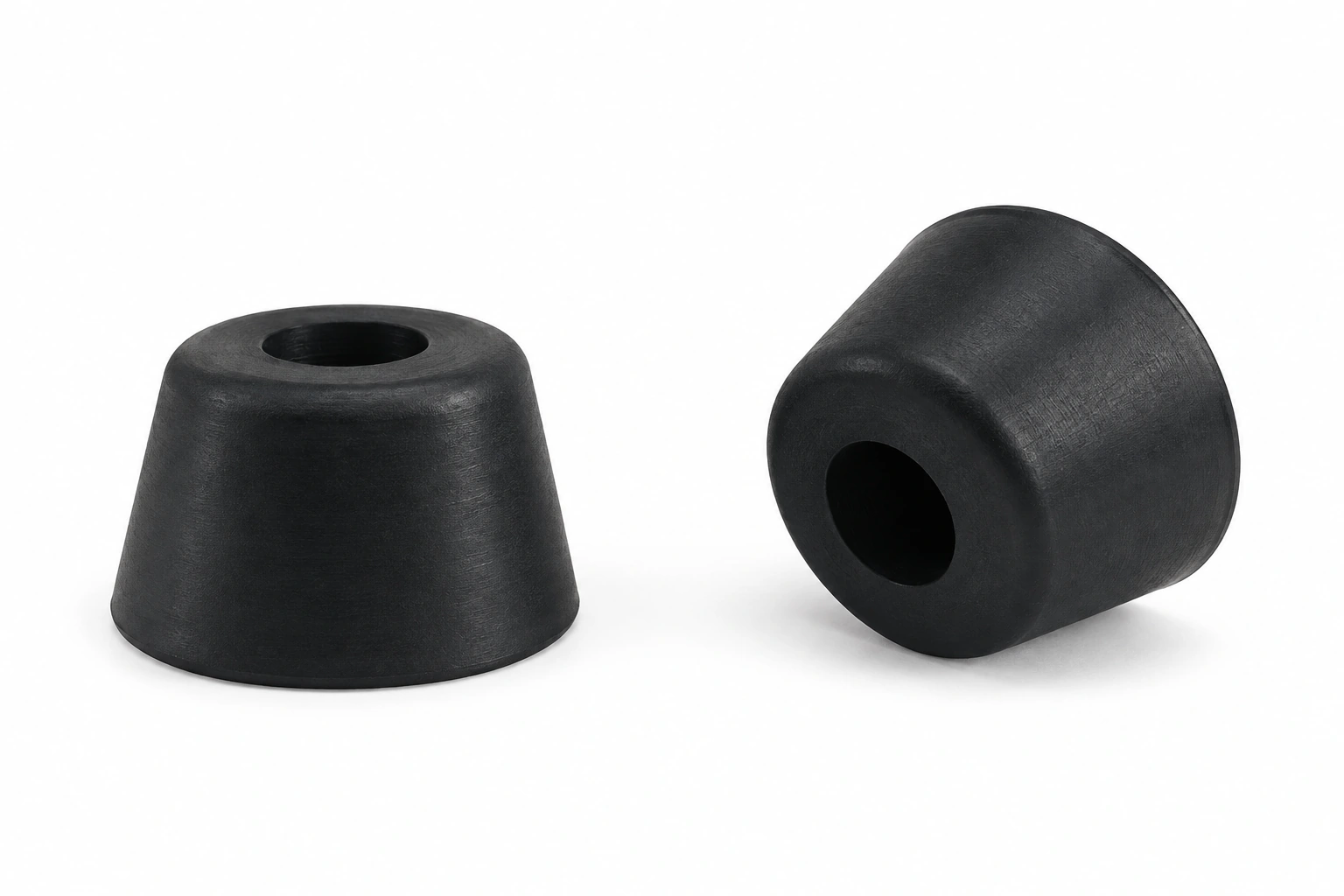
Recess Rubber Bumper
Compare OD, H, A, B and C in mm. C indicates the outer base dimension on this bumper profile, not the recess depth.
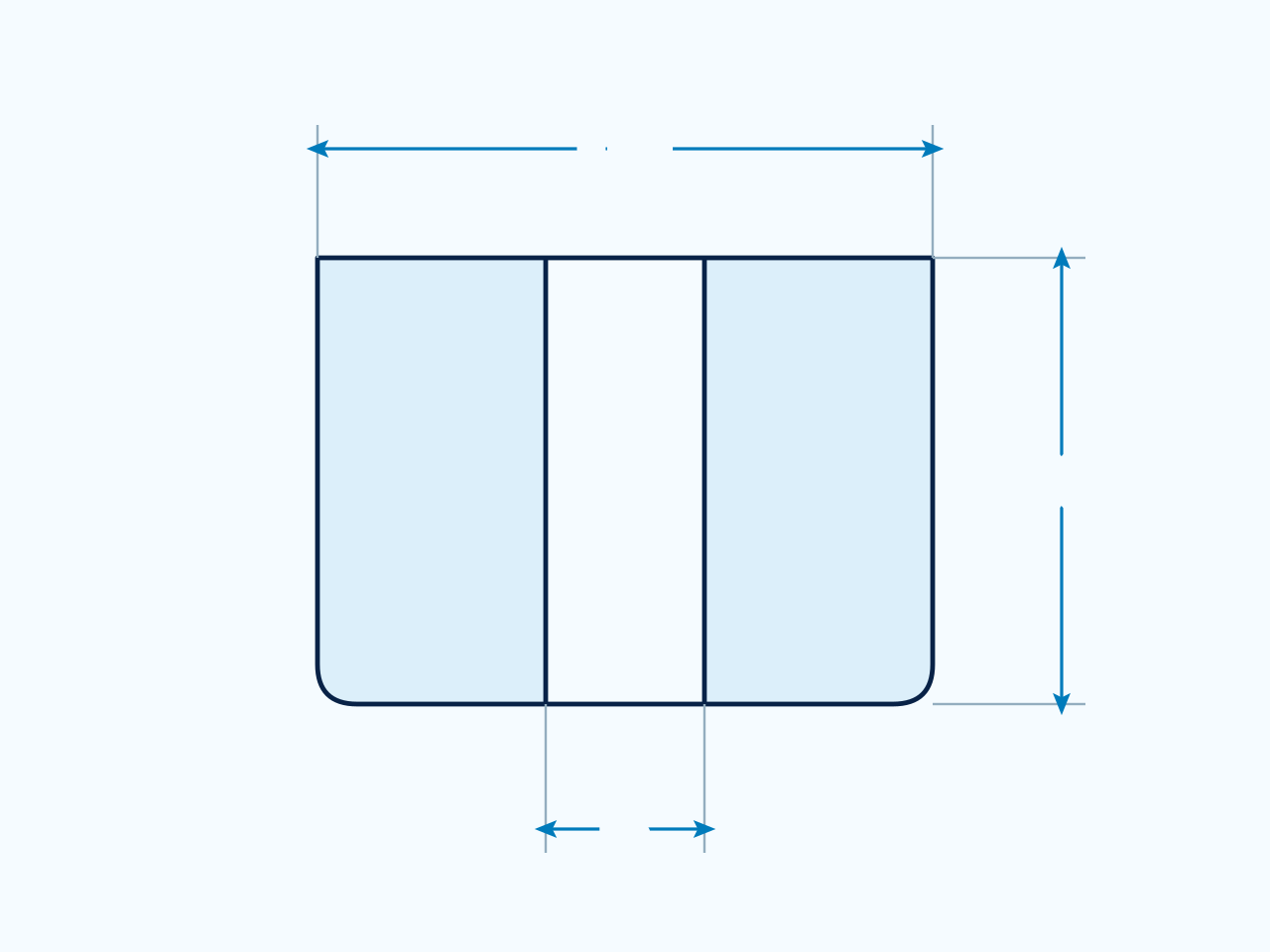
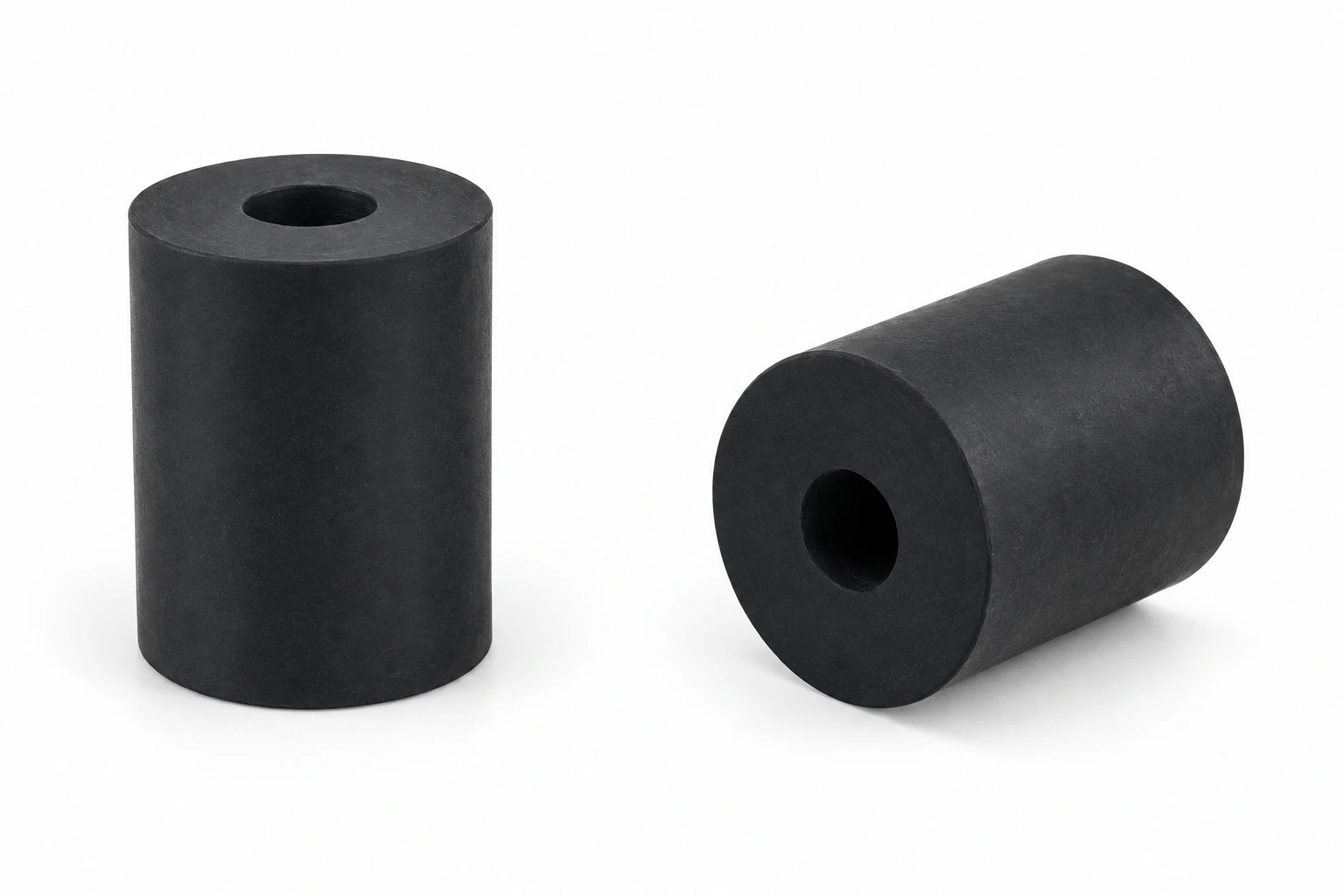
Cylindrical Rubber Feet
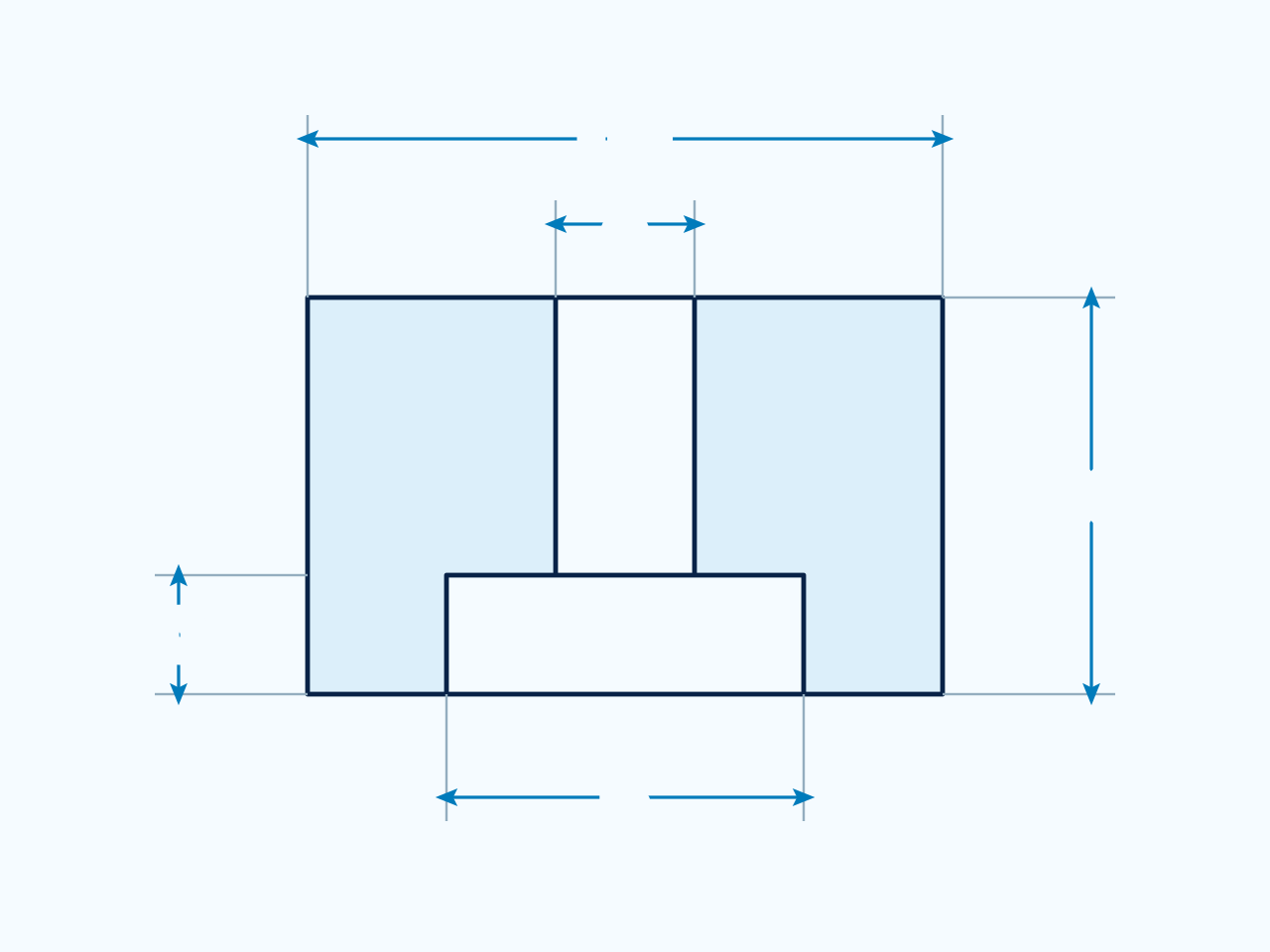
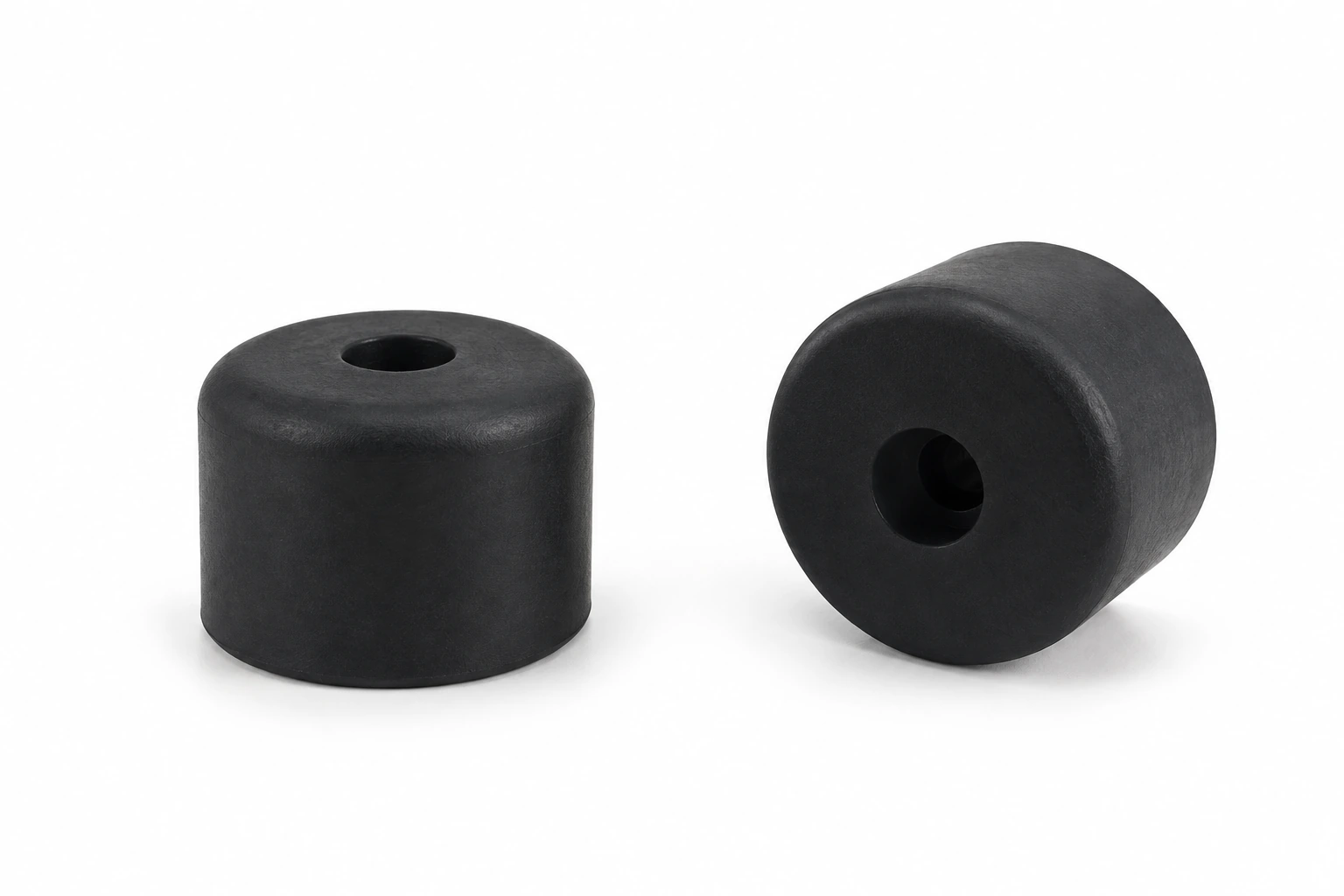
Compare OD, H and B in mm using the cylindrical-foot drawing. Material and colour remain listed separately.
Recess Rubber Feet
Compare OD, H, A, B and C in mm. C indicates the recess depth on this feet profile.
Hemispherical Rubber Bumper
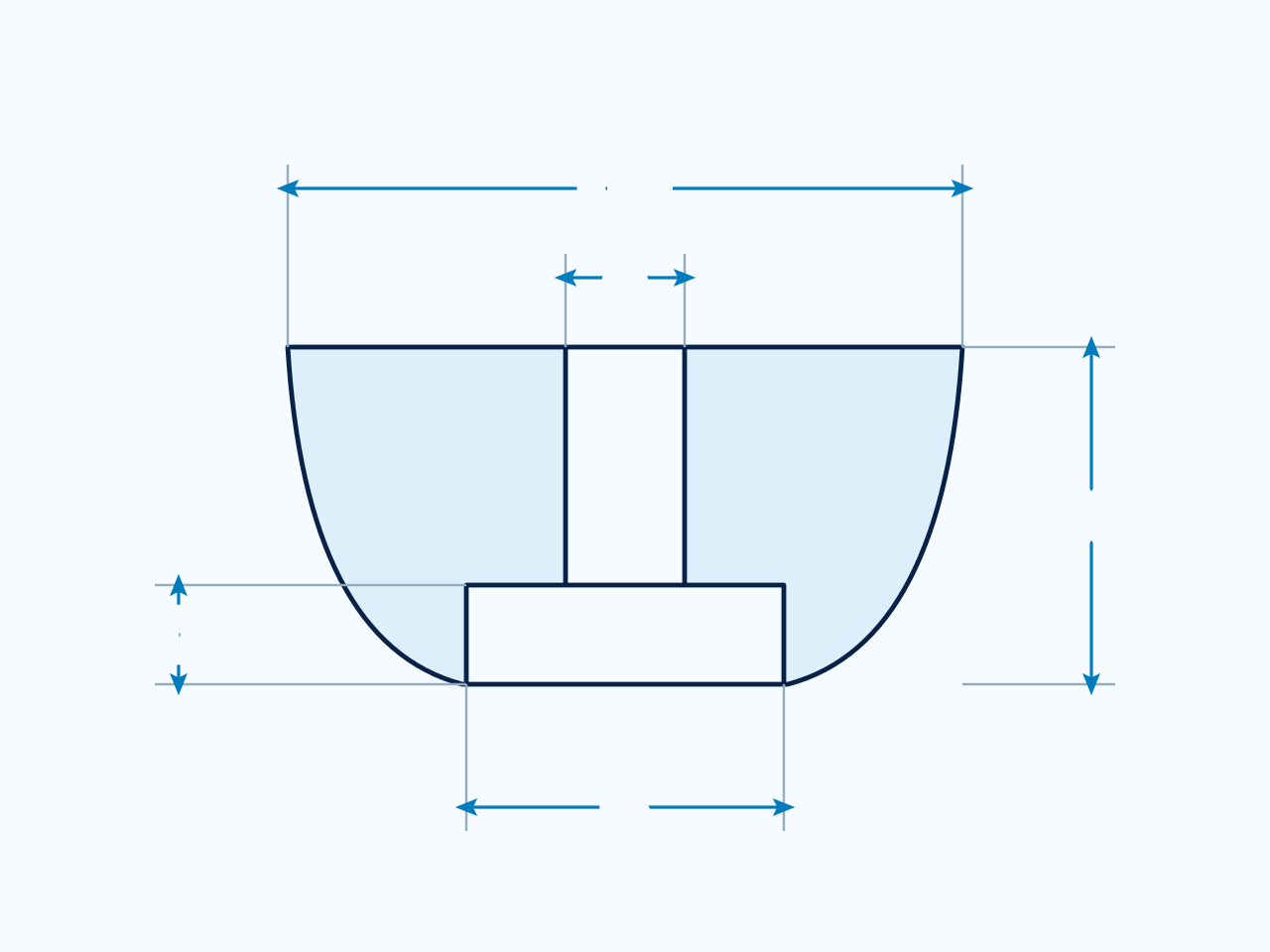
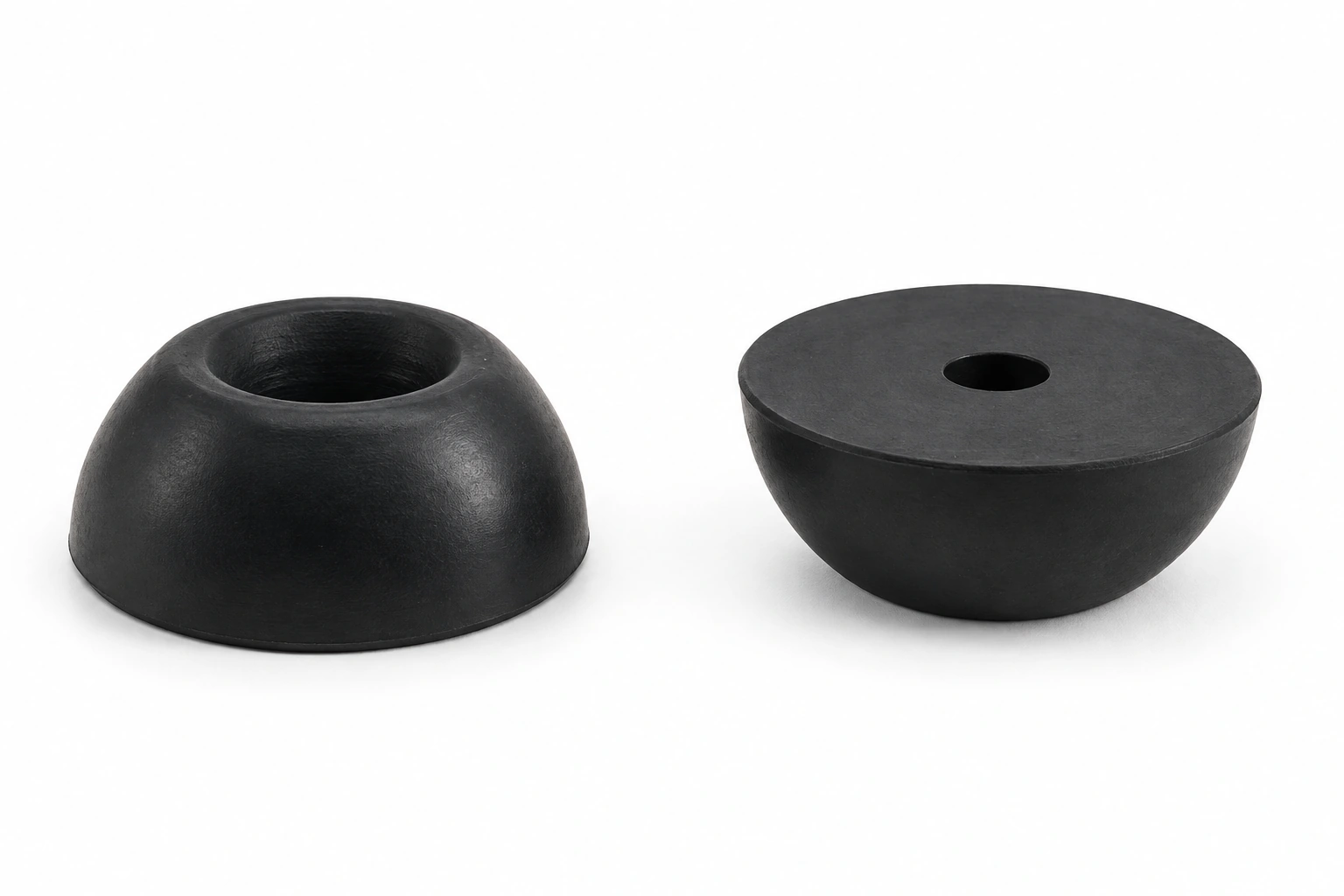
Compare OD, H, A, B and C in mm using the hemispherical-bumper drawing.
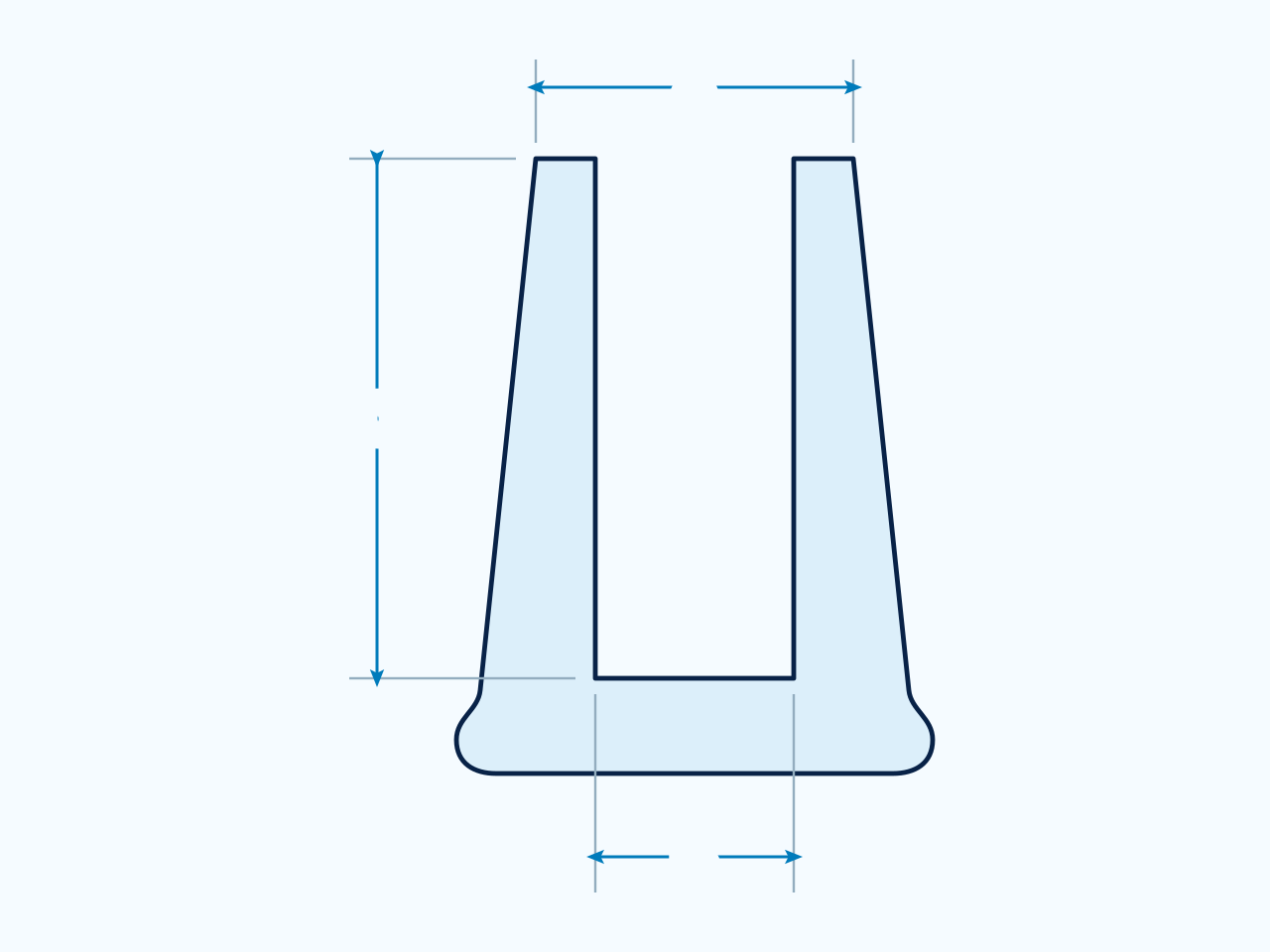
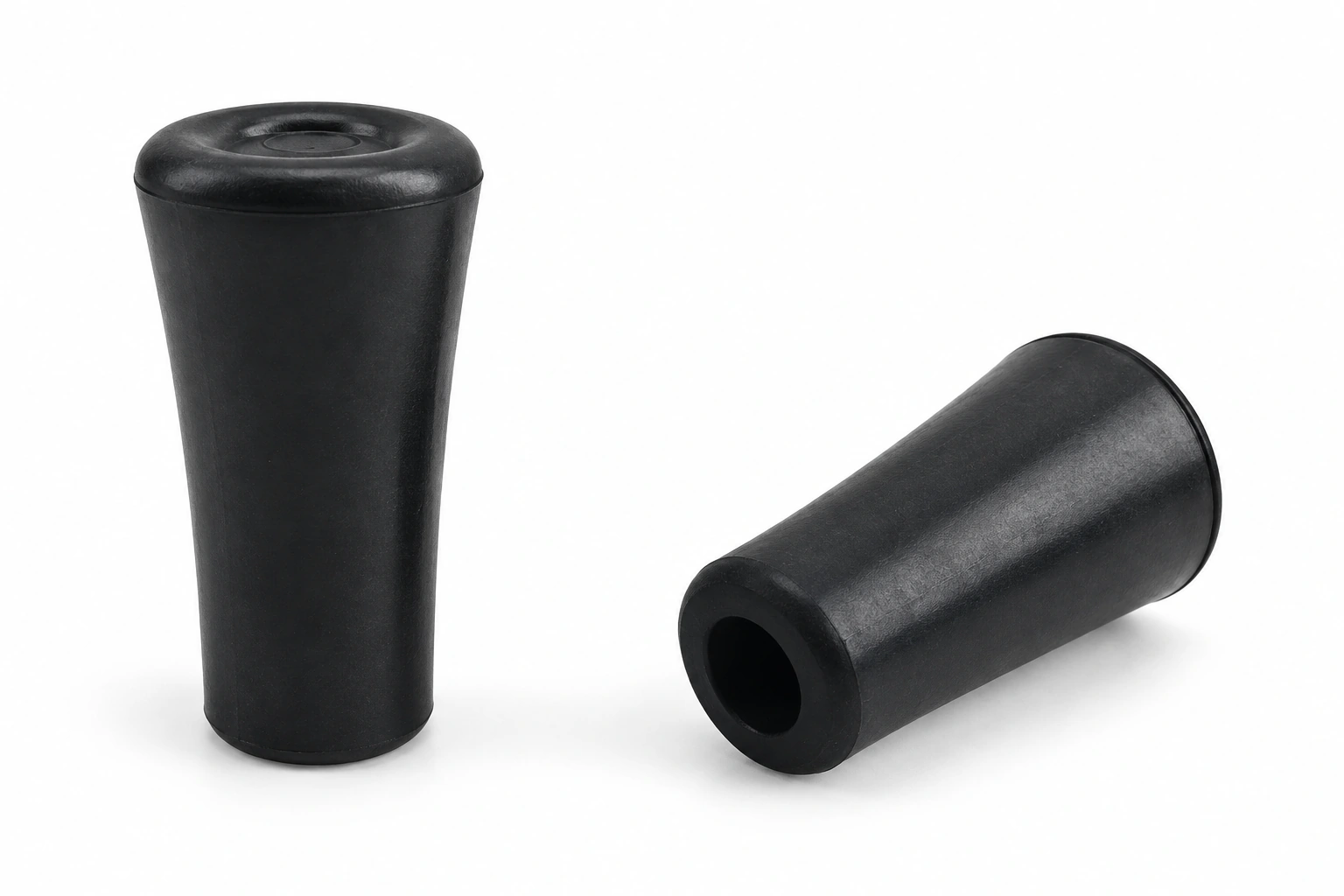
Rubber Tips
Compare A, B and C in mm using the open round-tip drawing. Check the mating leg dimensions and seating depth.
Rectangular rubber feet for chairs
Compare A, B and C in mm using the rectangular-tip drawing. Check both sides of the mating leg and the seating depth.
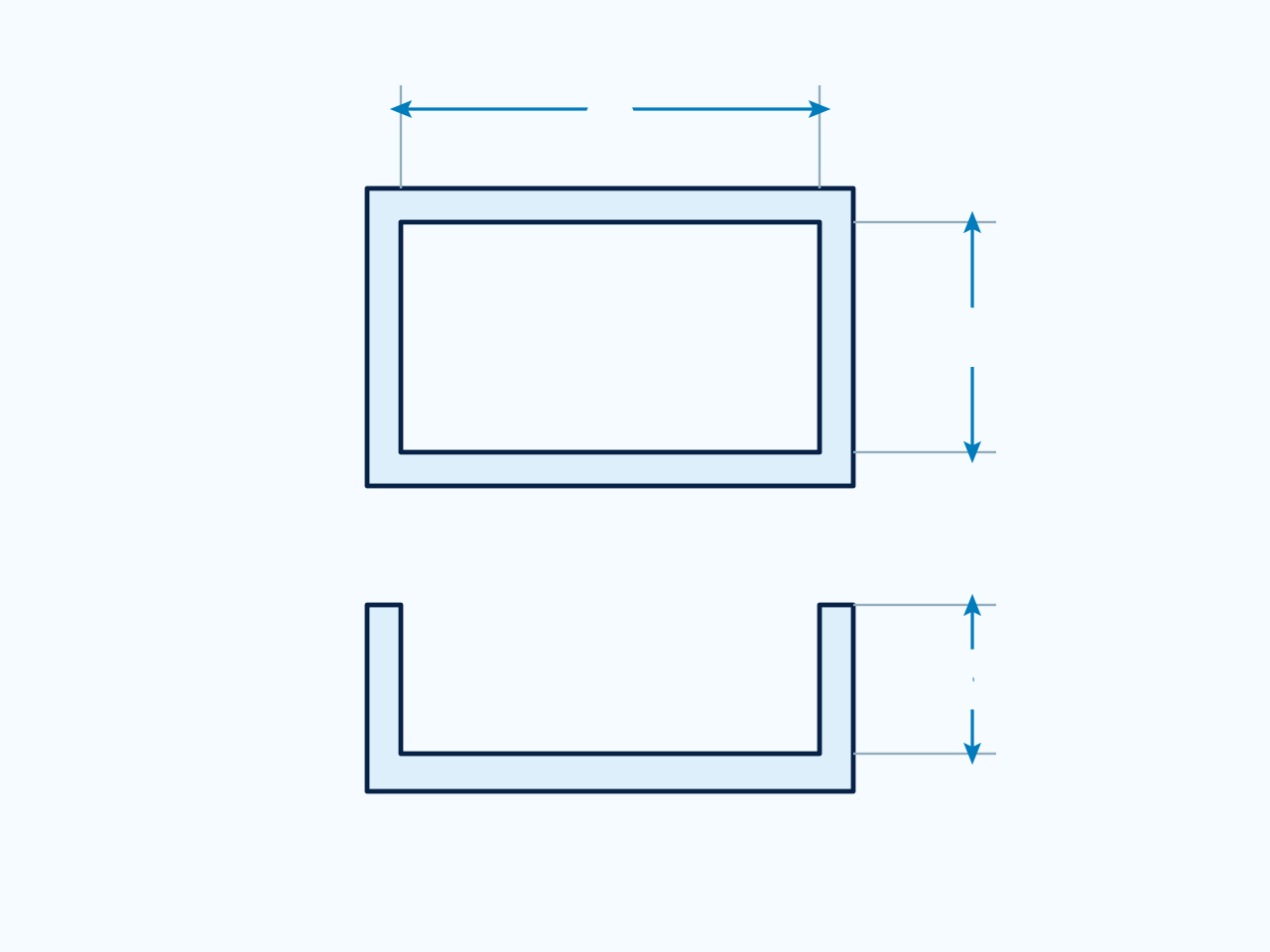
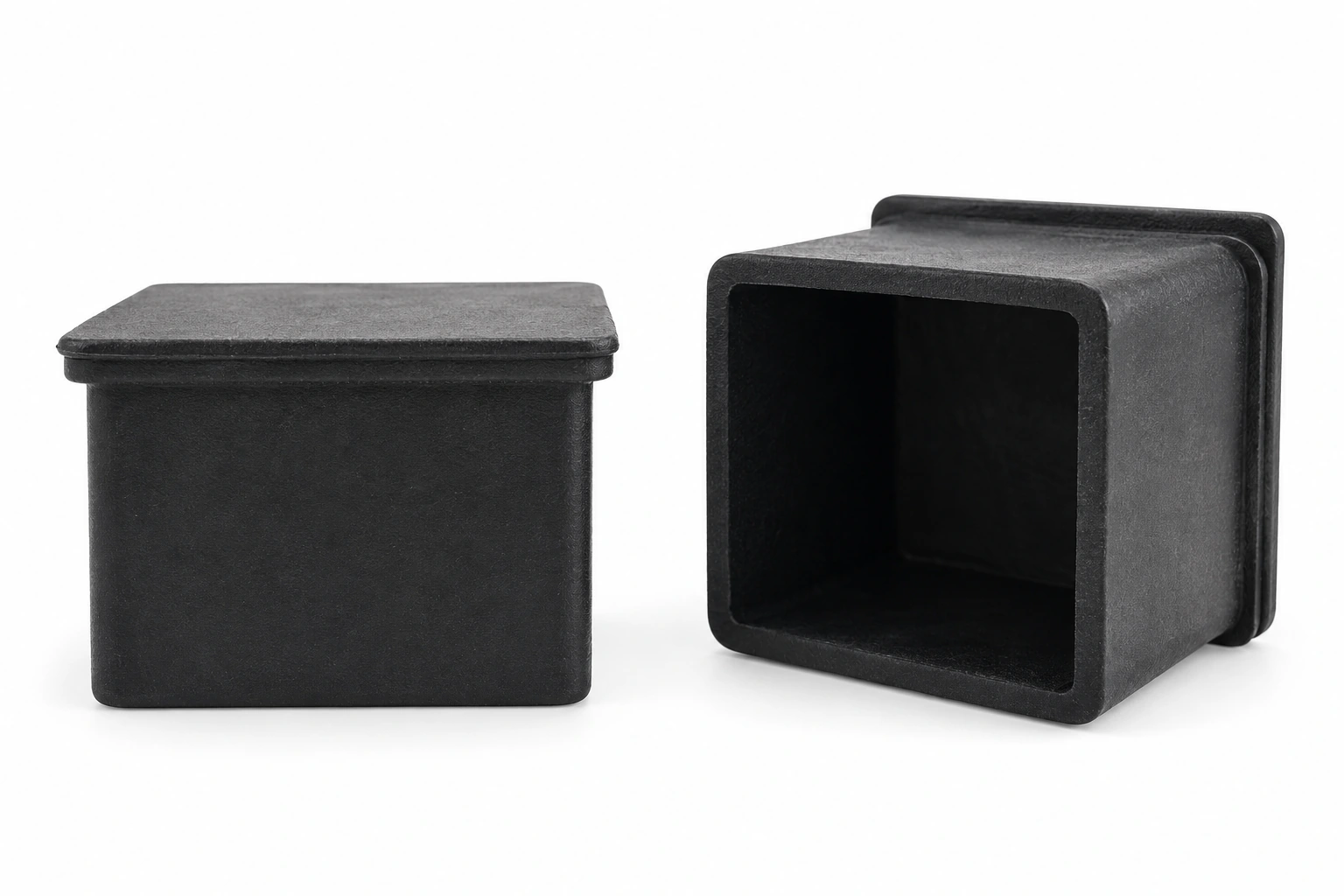
Rubber Feet For Chairs
Compare A, B, C and D in mm using the square-tip drawing. Check the mating leg profile and seating depth.
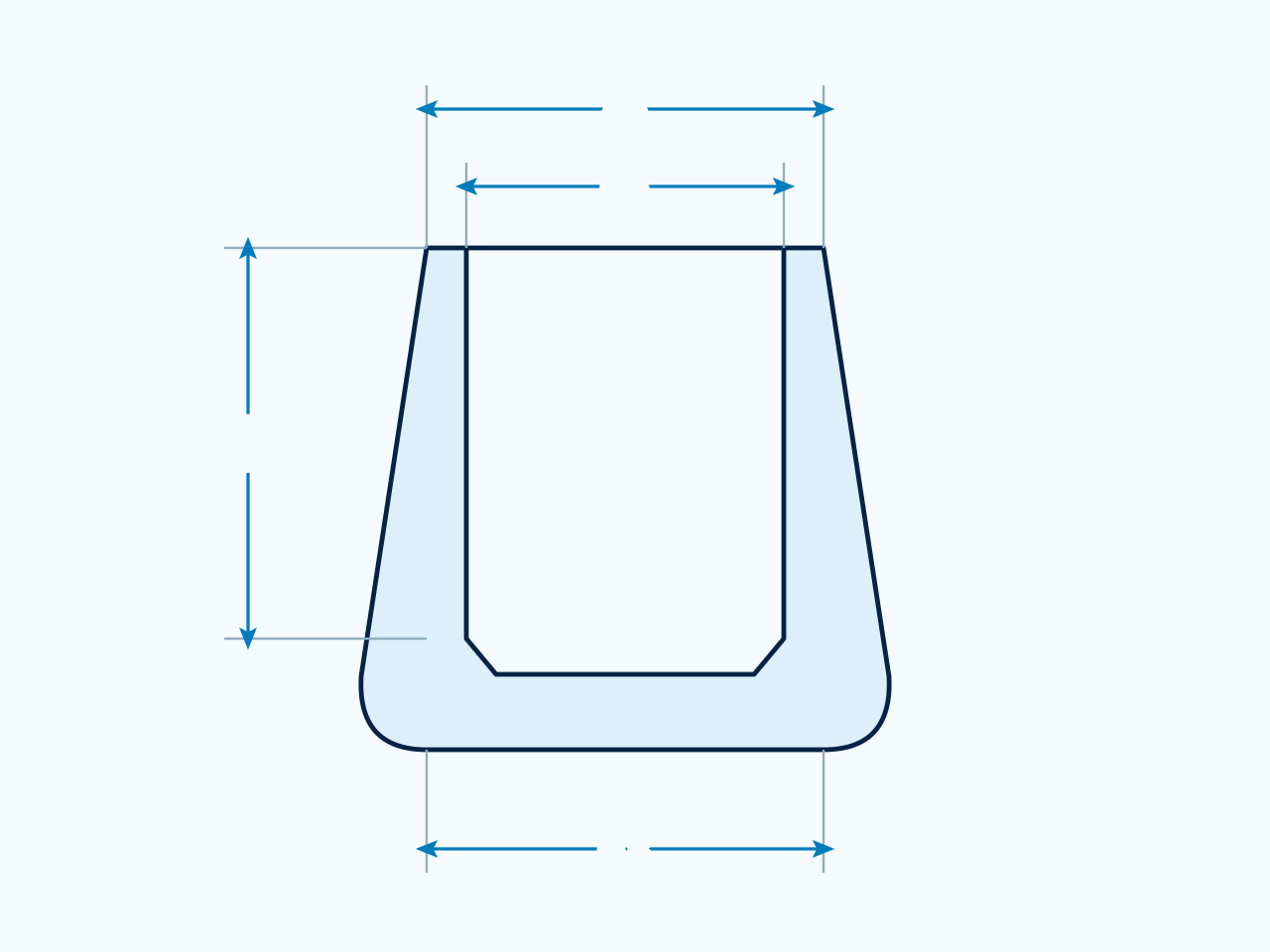
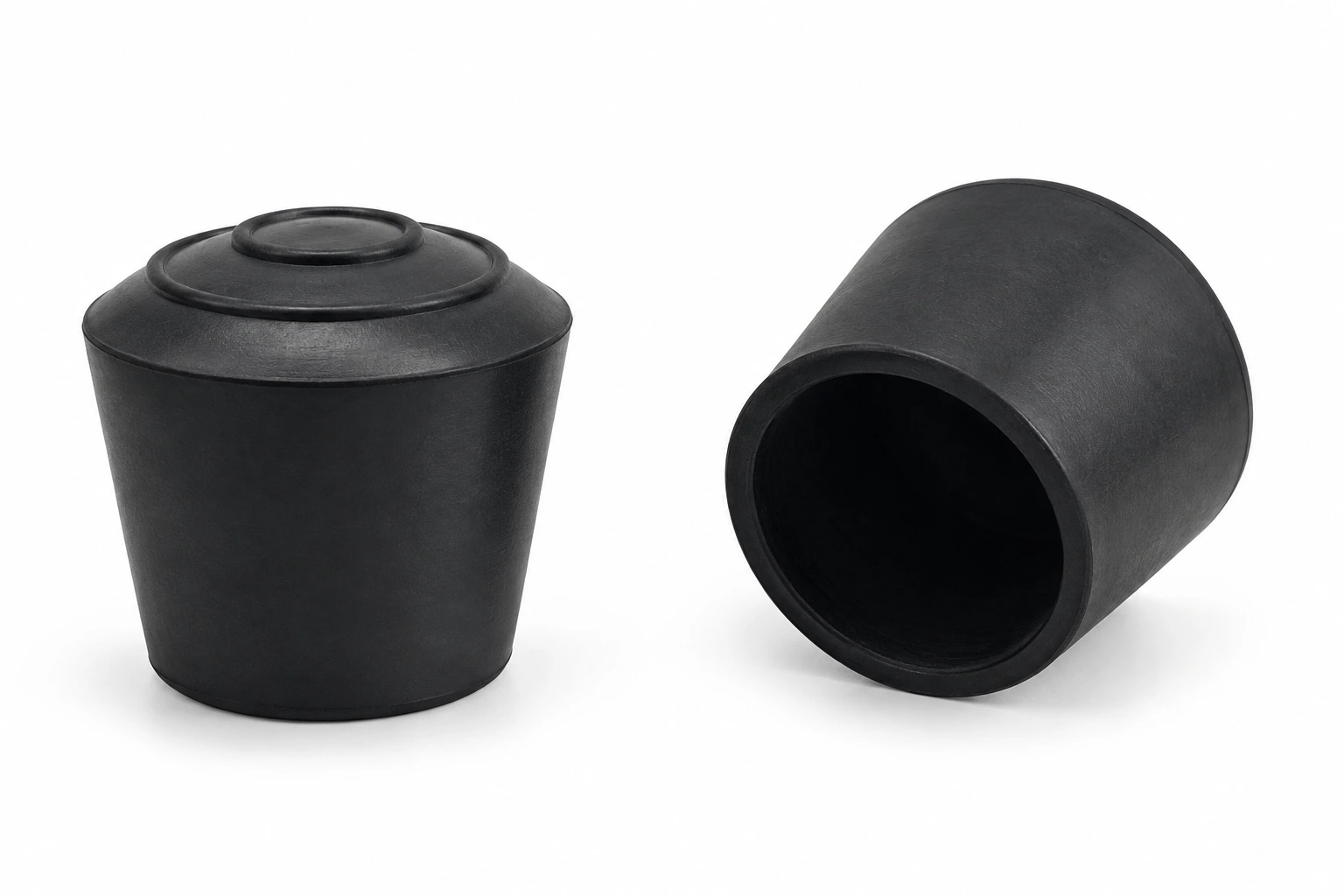
Need a different size? Share your drawing, mating dimensions and intended use to discuss a suitable part.
Discuss Your RequirementsProduct specifications
- Product form
- Resilient contact stop
- Material
- Silicone. Specify the compound grade for the selected service.
- Application focus
- Cabinet or door contact points. Size the part against the selected assembly.
- Dimensions to confirm
- Contact-face area, projection and mounting geometry. Match these to cabinet or door contact points.
- Installation discussed
- Adhesive bonding. Identify the chosen retention method and the surface or hardware it engages.
- Exposure to evaluate
- Moisture. Validate the selected material under the combined conditions.
- Attachment options
- Adhesive attachment is discussed. Define the bonded substrate, preparation and loaded contact area before selecting a backing.
- Working clearance
- Define the closing gap, contact direction and compression available at the stop.
Need a quote or a custom part?
Send your requirements, drawings or samples to discuss standard and custom silicone rubber parts.
Email us[email protected]