
Silicone rubber laboratory tubing
Thanks to the unique manufacturing and resisting properties of our silicone rubber laboratory tubing, it is not only used for laboratory applications and processes, but it is also used across other industries, including the construction, automotive, marine, military, aerospace, and food & beverage industries. Since we guarantee that our silicone rubber laboratory tubing is manufactured from high-quality materials, its physicochemical characteristics are amazing, which basically means that it is highly resistant to a wide range of things, including acids, chemicals, the weather elements, UV rays, sunlight, as well as grime, dirt, dust, and humidity. These properties are exactly what allows our tubing to be used in laboratories where our clients have to deal with transferring various liquids from point A to point B.
It is resistant to both high and low temperatures, hence, no matter if the liquids inside of it have to be refrigerated or heated at times, it will not degrade, break, or get completely destroyed. This allows the silicone rubber laboratory tubing to be used for a really long time and if sterilized in the right manner, various organizations can actually reuse it, thus, saving money. Another important thing that we must mention about the tubing we offer is that it will not change the properties of the substances flowing inside of it, hence, our clients can ensure that the color, smell, taste, and composition of the substances remain the same.
Although we offer silicone rubber laboratory tubing in various shapes, lengths, colors, and designs, you might not find what you are looking for in our online store, but do not worry, we offer customization services. What does this mean? Well, it means that you will be capable of placing a custom order with our organization, and together with our customer support team, you can order silicone rubber laboratory tubing that will entirely suit your needs and requirements.
Silicone Tubing Size Catalog
Compare inside diameter, outside diameter and listed wall thickness across silicone tube ranges. Confirm the material grade and application requirements for the selected part.
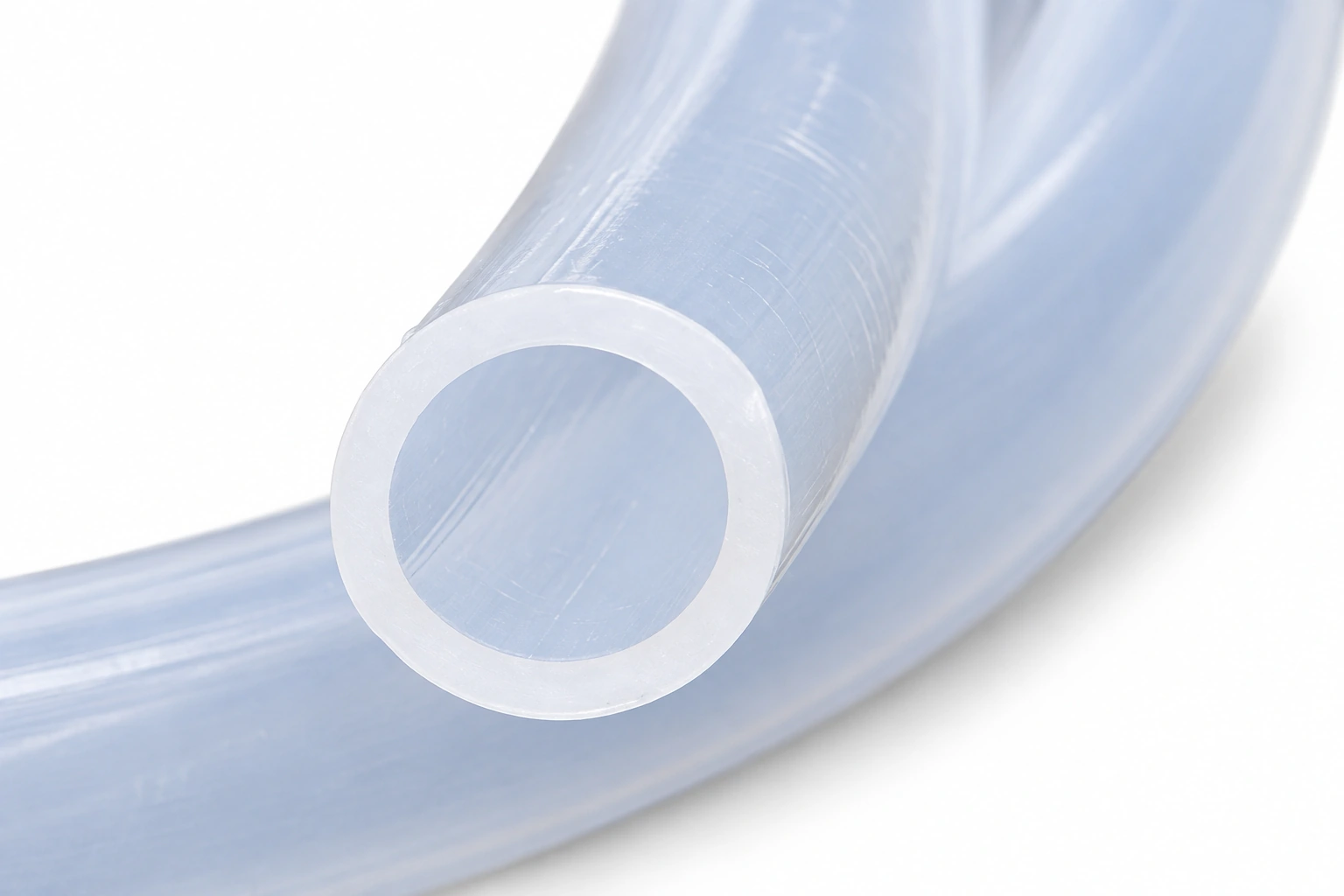
Food grade silicone tube
Compare Inside Diameter and Outside Diameter in mm, together with the listed Thickness and Colour. The cross-section drawing identifies the bore and outside diameter; confirm the selected tube material and service requirements.

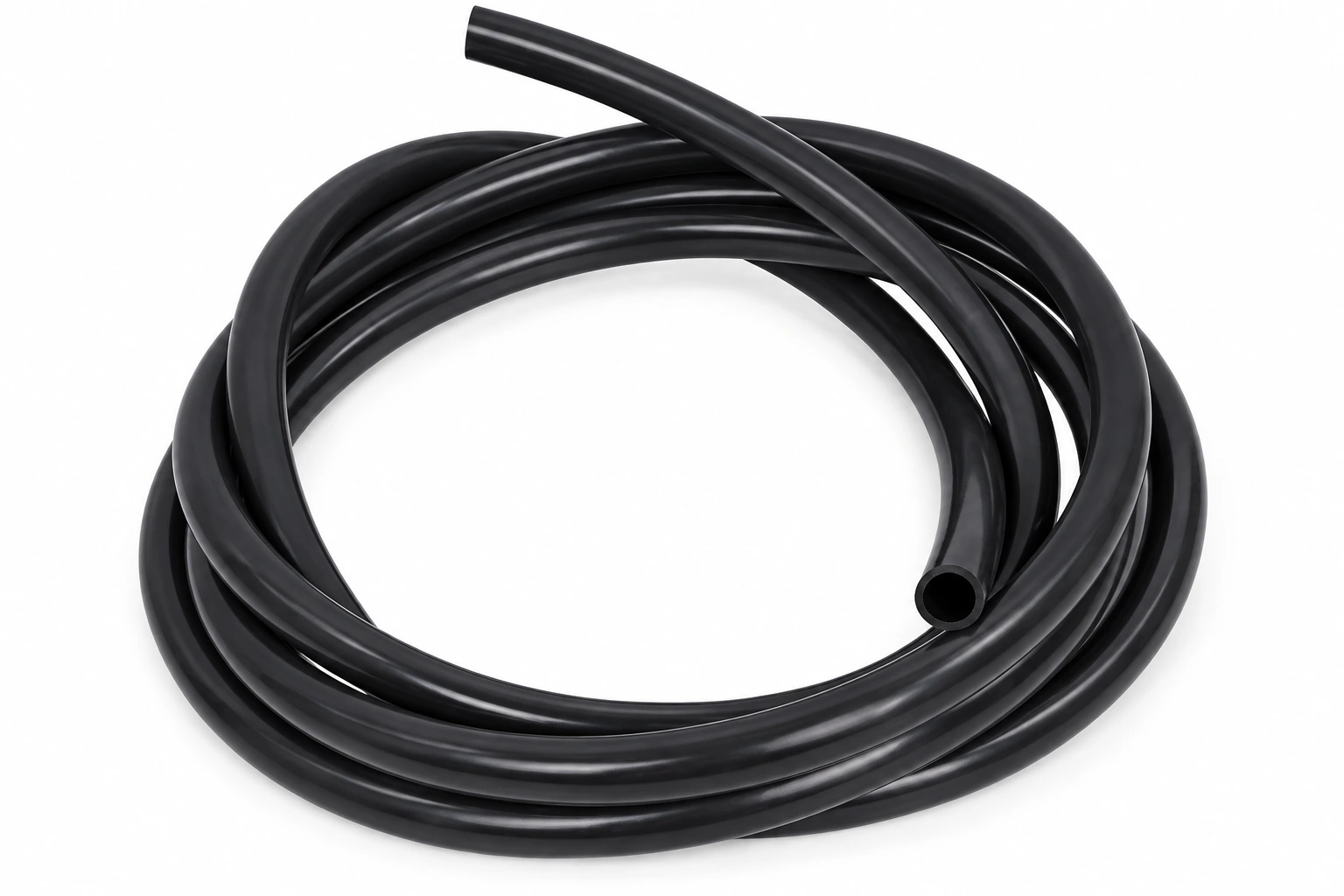
Black silicone tubing
Compare Inside Diameter and Outside Diameter in mm, together with the listed Thickness and Colour. The cross-section drawing identifies the bore and outside diameter; confirm the selected tube material and service requirements.
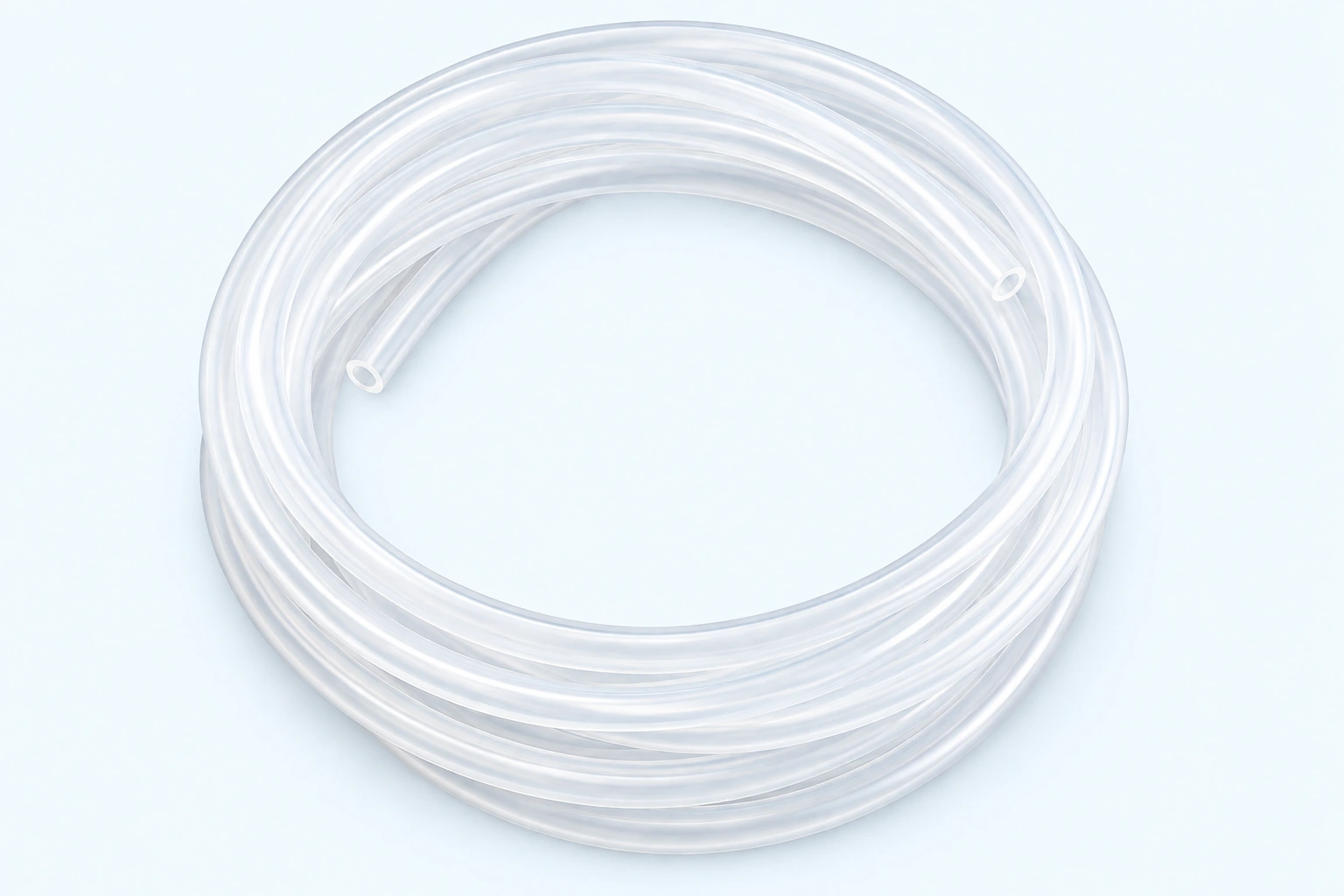
Industrial silicone tube
Compare Inside Diameter and Outside Diameter in mm, together with the listed Thickness and Colour. The cross-section drawing identifies the bore and outside diameter; confirm the selected tube material and service requirements.
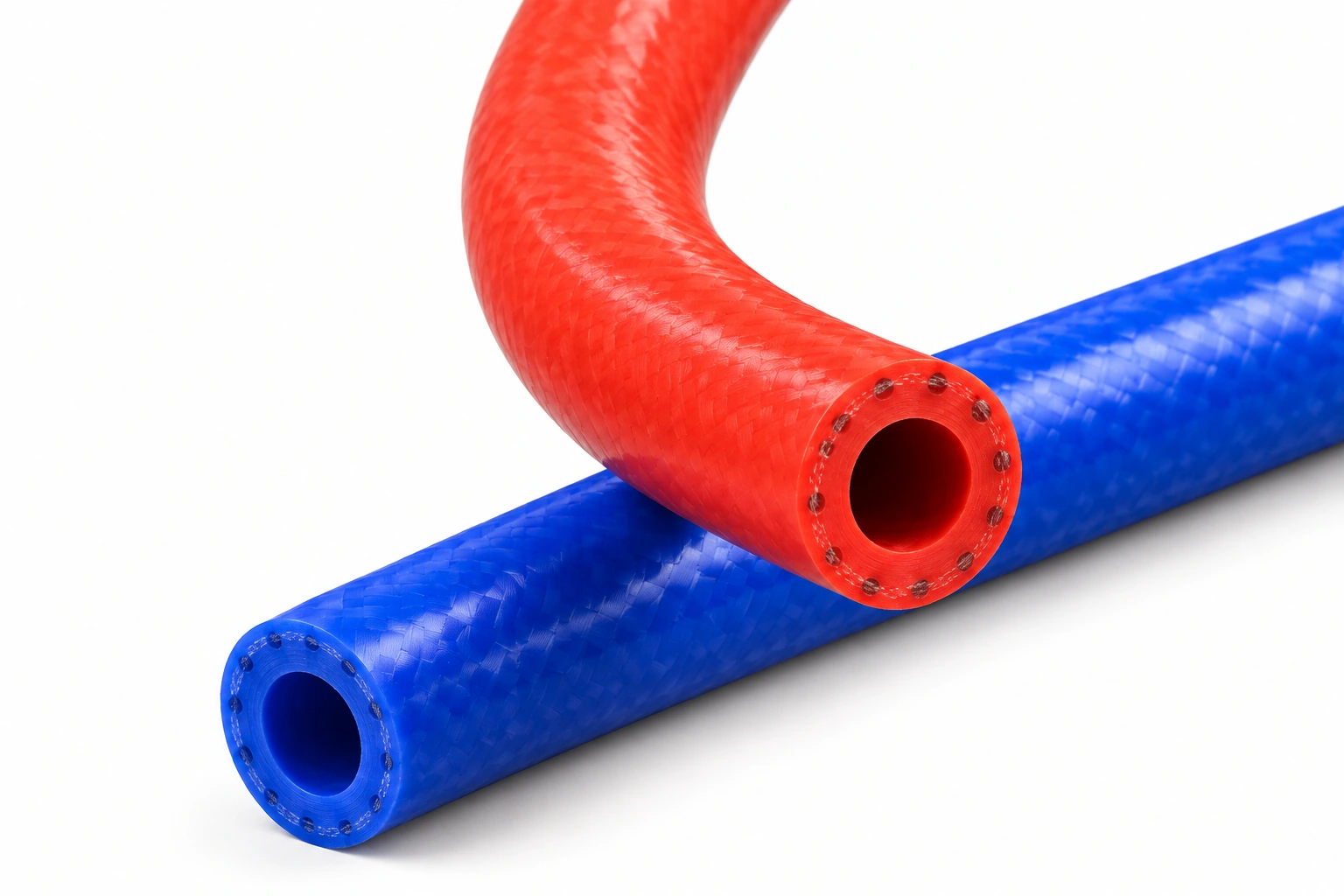
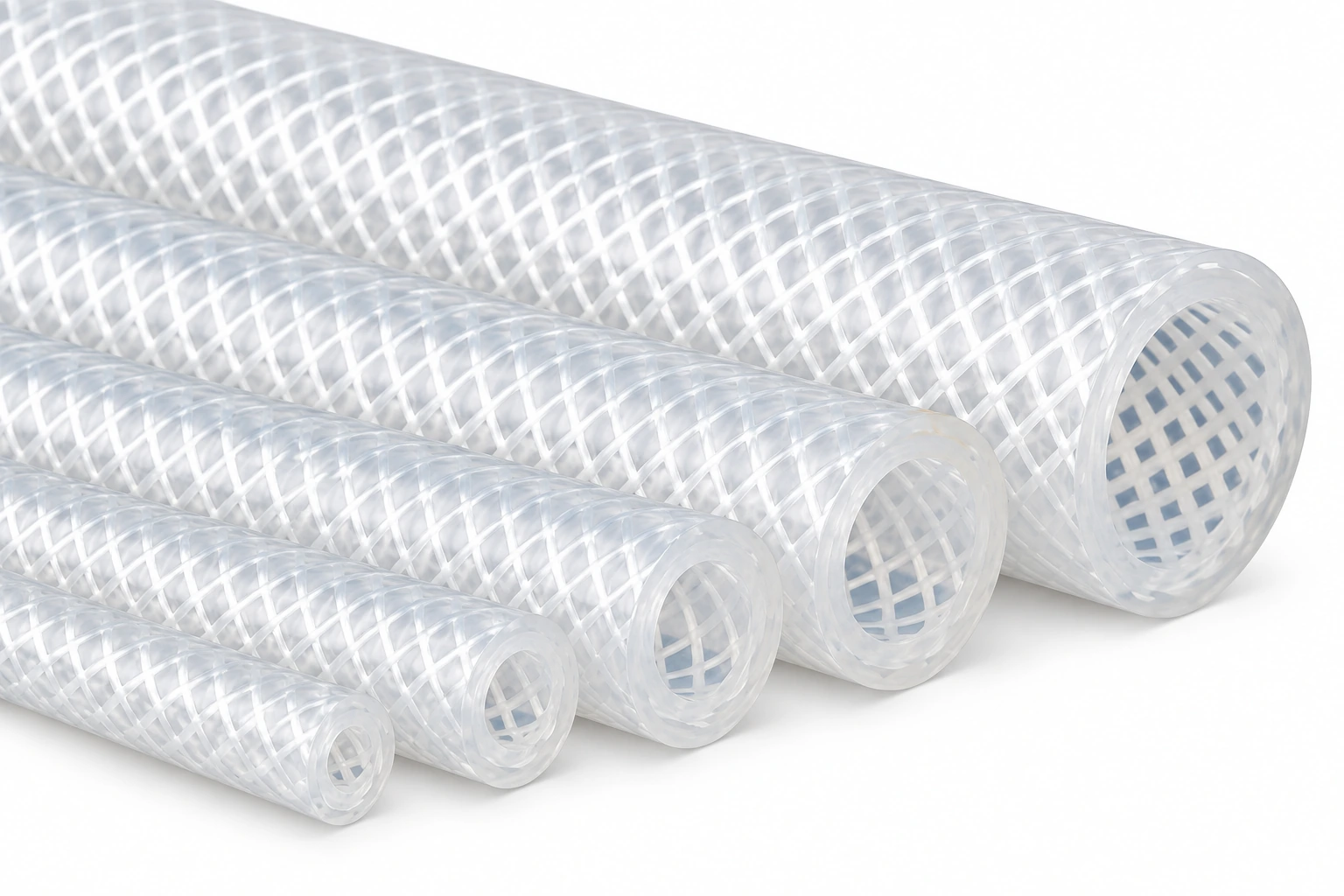
Colourful silicone braided tube
Compare Inside Diameter and Outside Diameter in mm, together with the listed Thickness and Colour. The cross-section drawing identifies the bore and outside diameter; confirm the selected tube material and service requirements.
Food grade silicone braided tube
Compare Inside Diameter and Outside Diameter in mm, together with the listed Thickness and Colour. The cross-section drawing identifies the bore and outside diameter; confirm the selected tube material and service requirements.
Need a different size? Share your drawing, mating dimensions and intended use to discuss a suitable part.
Discuss Your RequirementsProduct specifications
- Product form
- Hollow elastomer tubing for a fitted line or sleeve
- Material
- Silicone. Specify the compound grade for the selected service.
- Application focus
- Laboratory connections, industrial fluid lines, vehicle hose runs, marine installations and aircraft equipment. Size the part against the selected assembly.
- Dimensions to confirm
- Inside diameter, outside diameter, wall thickness and cut length. Match these to laboratory connections and industrial fluid lines.
- Contact conditions
- Food ingredients and acids: define concentration, temperature and contact time, then check compatibility with the chosen compound.
- Exposure to evaluate
- Heat and cold cycling, sunlight or UV, outdoor weather, moisture and dust or debris. Validate the selected material under the combined conditions.
- Cleaning and reuse
- Specify the cleaning or sterilization cycle discussed for the application, including temperature, duration and permitted reuse.
- Line layout
- Check bend radius, unsupported spans and clearance at both connections.
Need a quote or a custom part?
Send your requirements, drawings or samples to discuss standard and custom silicone rubber parts.
Email us[email protected]