
Silicone rubber plug
The silicone rubber plug is one of the most versatile units that you can find on the market. They can be used in pretty much every industry, and as the name suggests, they are used to seal openings and stop the insides of a container to get in touch with the outside environment. They can be used to close openings and tightly seal them, and they can be reused. The reason why this material is used is that it is the easiest one to maintain, it is extremely durable, and it won’t get affected by heat, cold, moisture, chemicals, dust, or debris. As manufacturers, we offer the silicone rubber plug in different sizes and models, and they can be done with shorter or longer necks. Make sure you understand the dimensions of the opening you want to close before you choose the size, and reach out to us if you have any issues choosing the right type of size of the silicone rubber plug.
When installing the unit in the opening, make sure that both the plug and the hole are clean and dry, and depending on the exact type you’ve chosen, you can usually just push the unit in the opening to secure it. These units can be used not only to protect the container but also to cover sharp edges that could damage your equipment or injure anyone who comes in contact with them. Know that the silicone rubber plug will not break when it comes in contact with sharp surfaces, and you can plug openings that are on items and containers both inside and outdoors. These units have great physical properties, and they provide great electrical insulation as well as ideal thermal stability. They will keep any container safe, and they will not break the seal even if the unit is turned upside down.
Stopper & Plug Size Catalog
Compare four stopper profiles and check the selected part dimensions against your opening and available depth. Each profile has its own drawing and dimension meanings.
Custom colors are available to your Pantone color code. Include the code in your inquiry.
RST T-Shaped Plugs
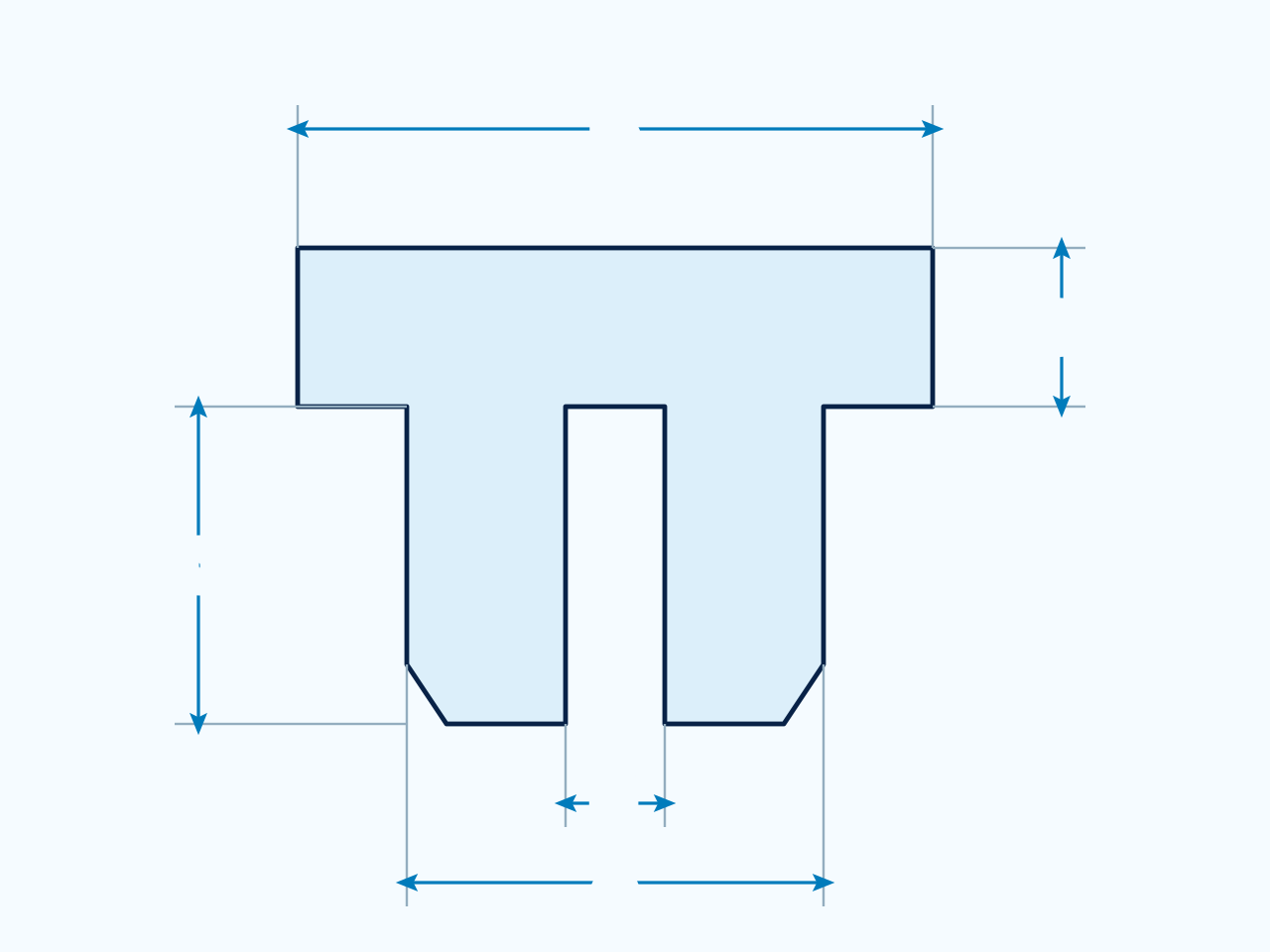
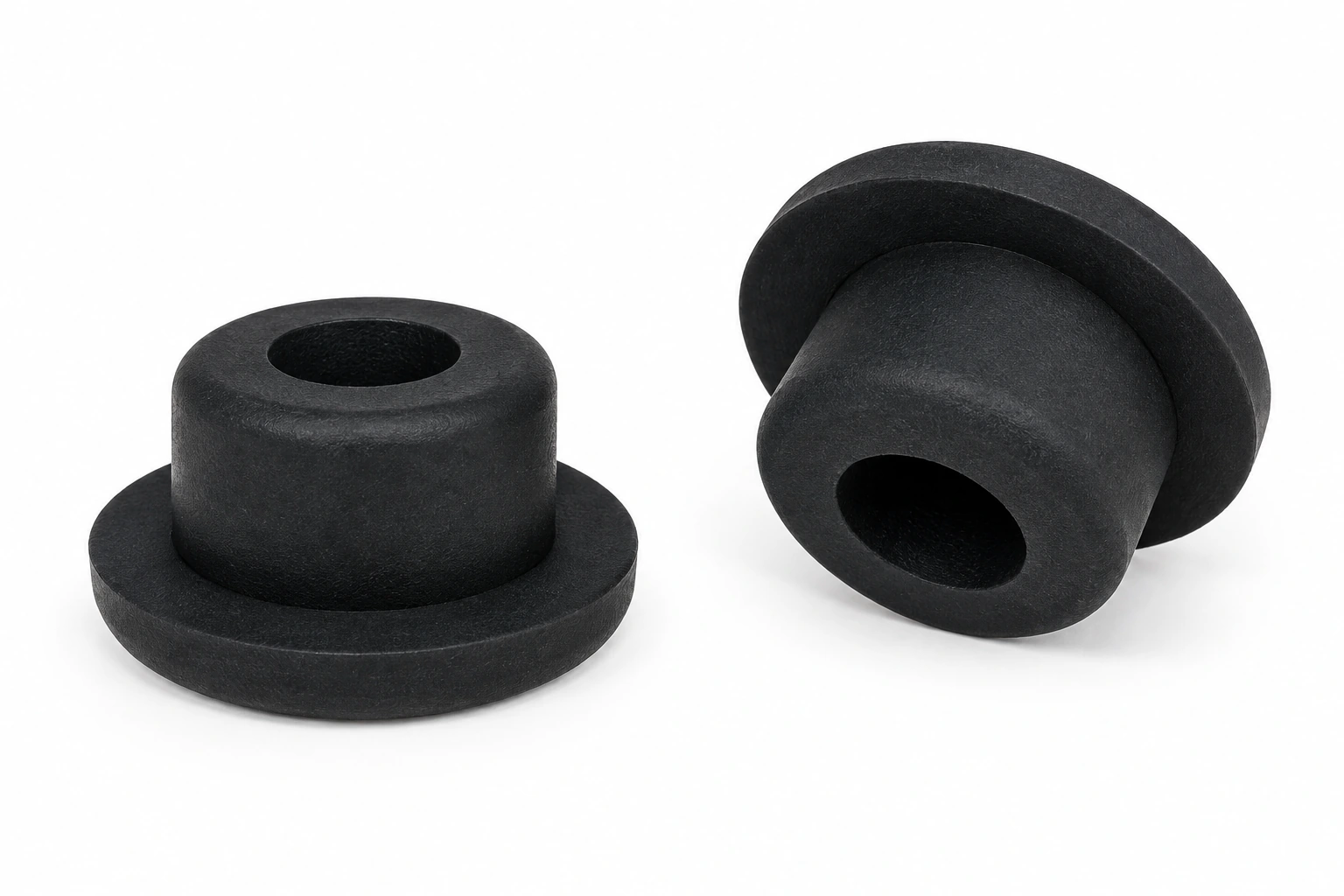
Match stem diameter A, flange diameter B, stem length C and flange thickness D. E refers to the underside recess; use the selected row and approved drawing to confirm the actual profile.
RSA Tapered Corks
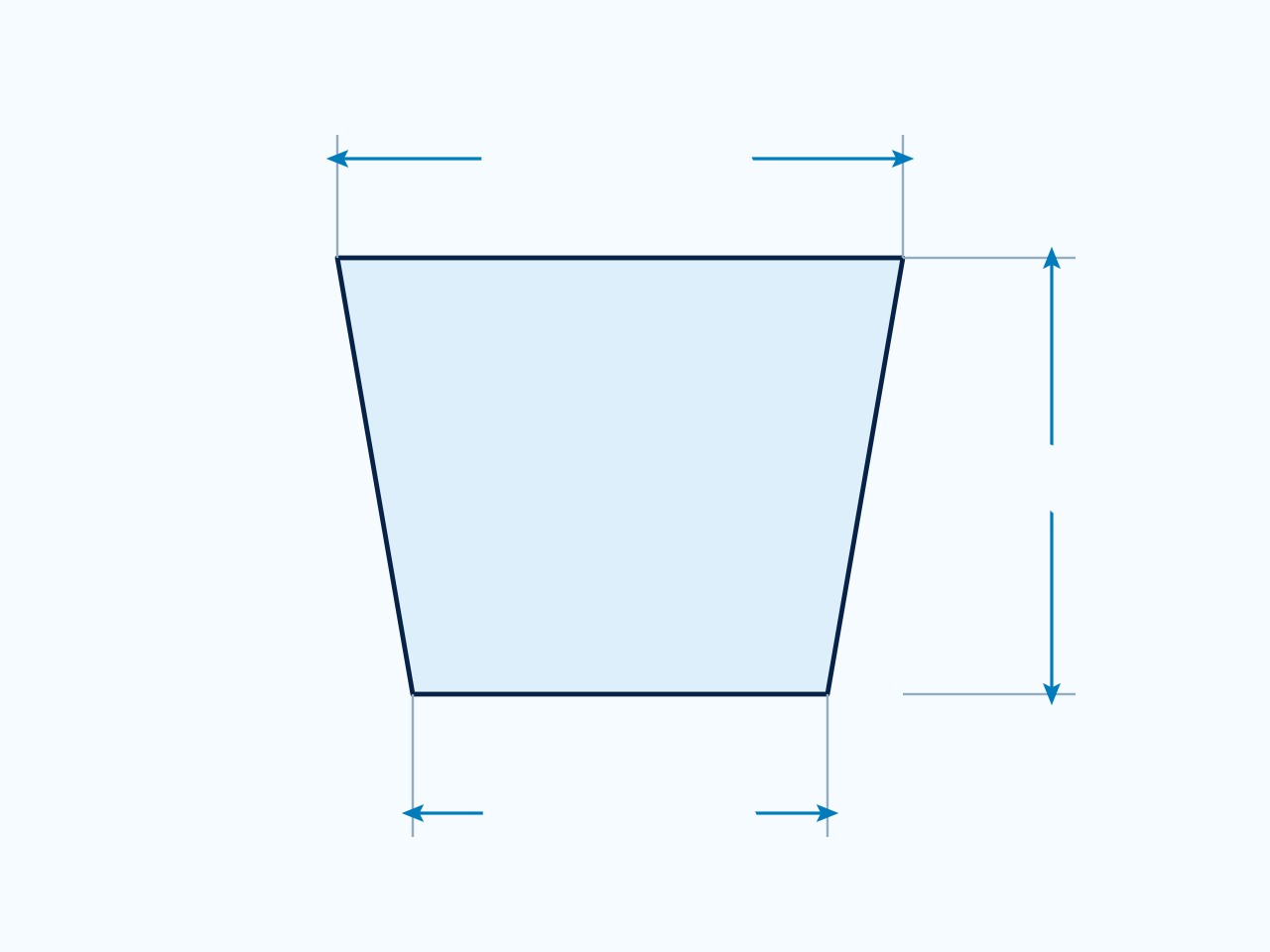
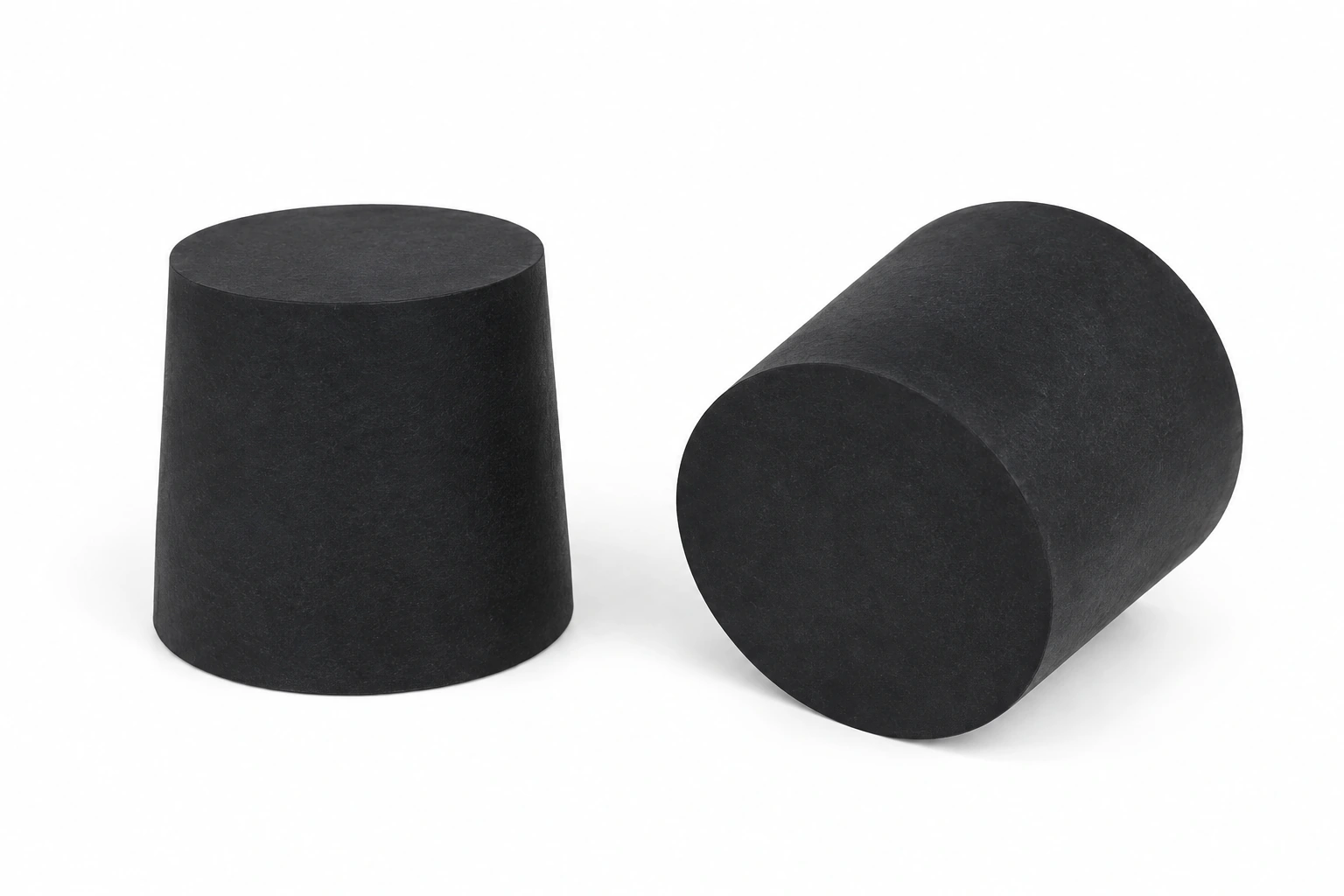
Compare large-end diameter A, small-end diameter B and Height, in mm. The mating bore and required seating depth determine where the taper contacts the opening.
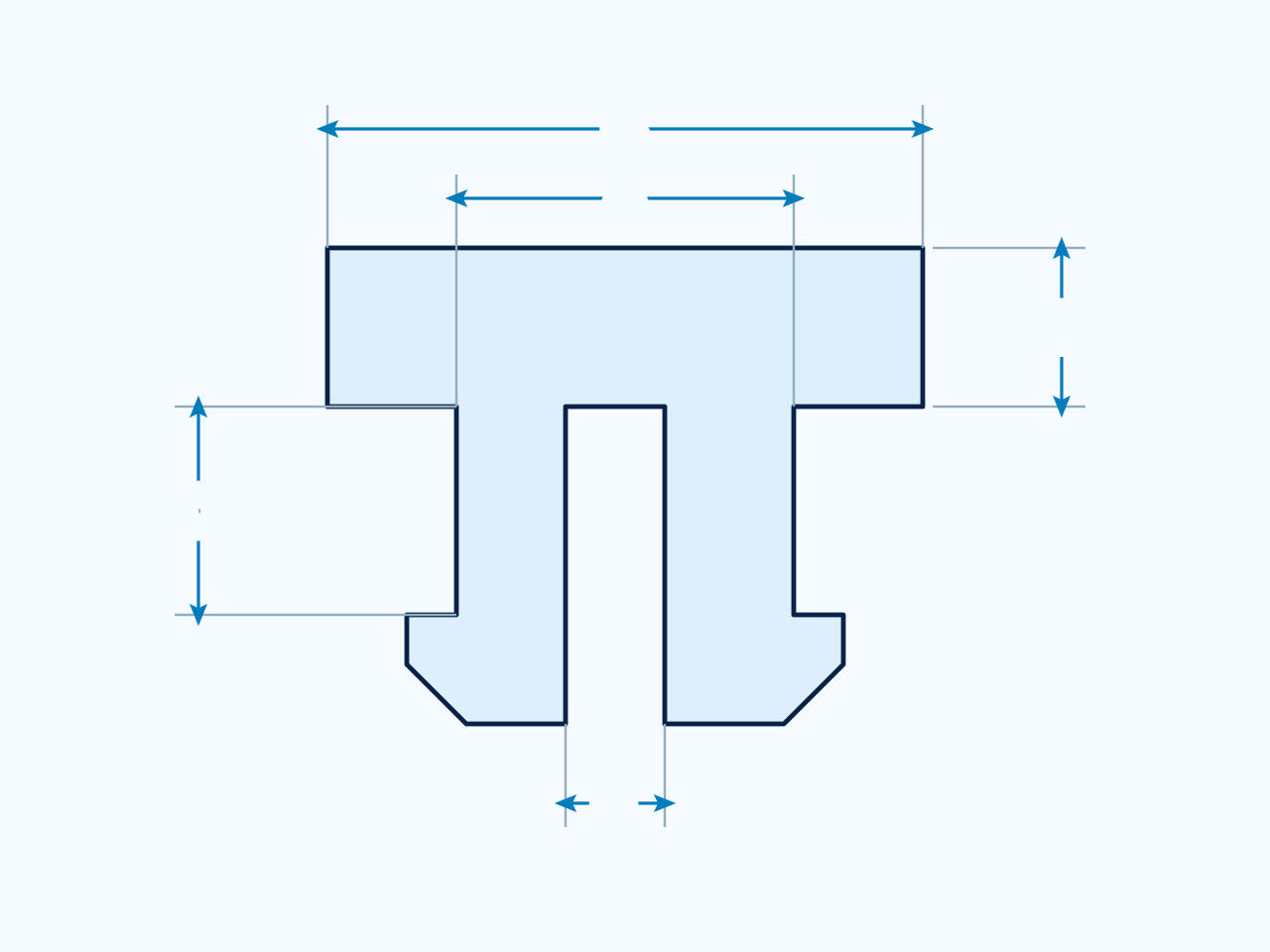
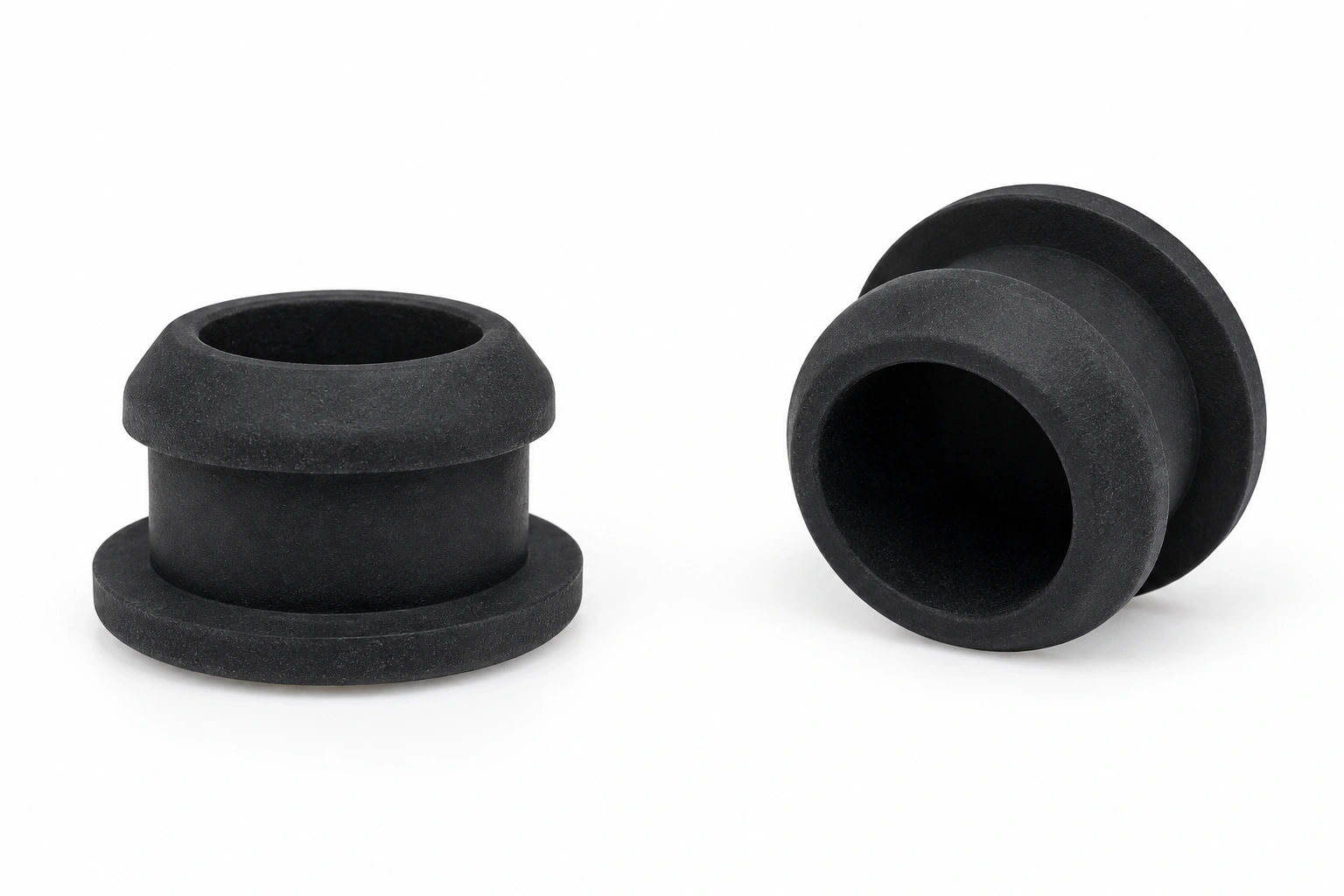
RSB Undercut Plugs
Compare neck diameter A, flange diameter B, flange-to-lip distance C and flange thickness D. Check panel thickness and rear clearance. E refers to the underside recess.
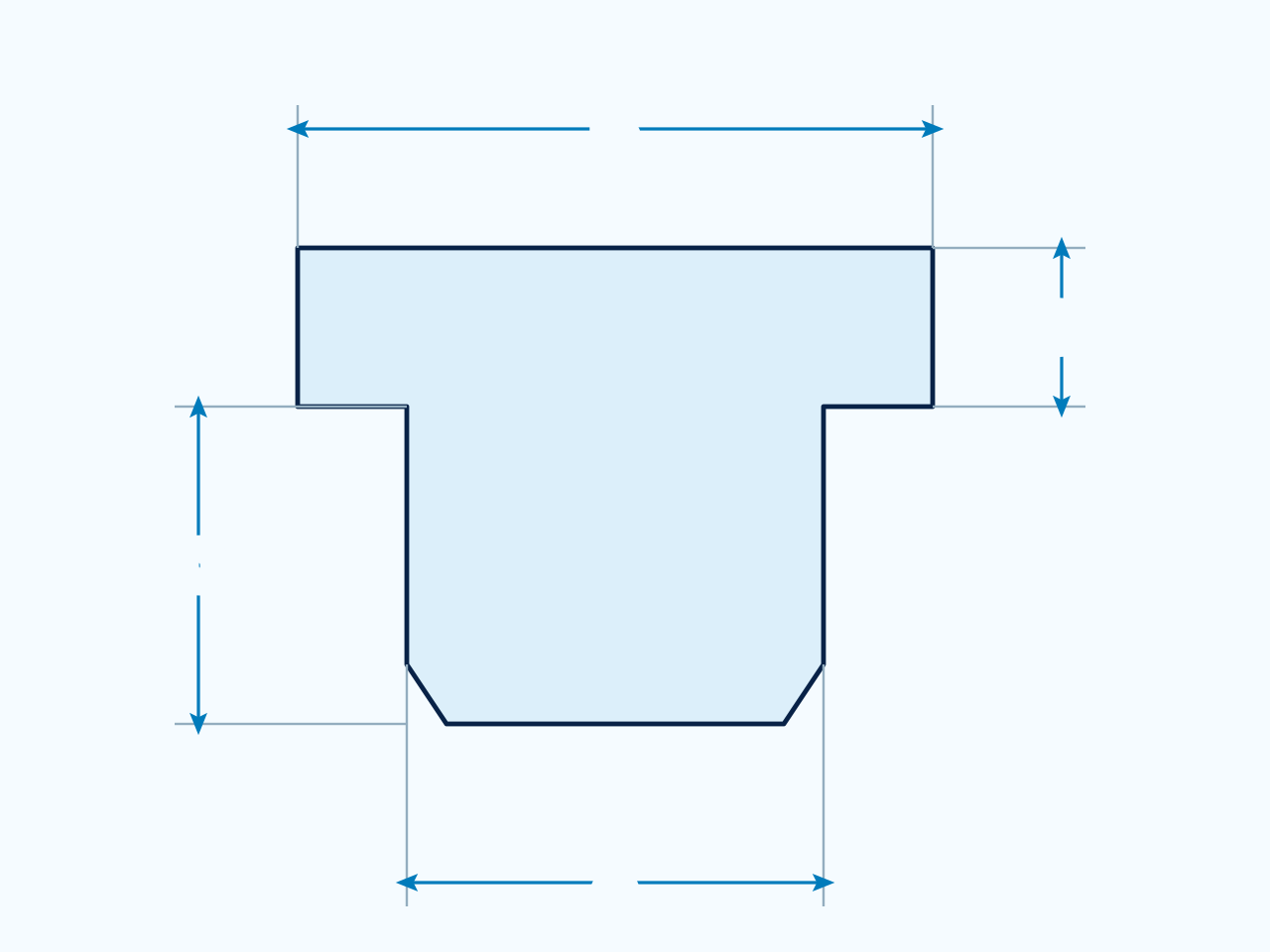
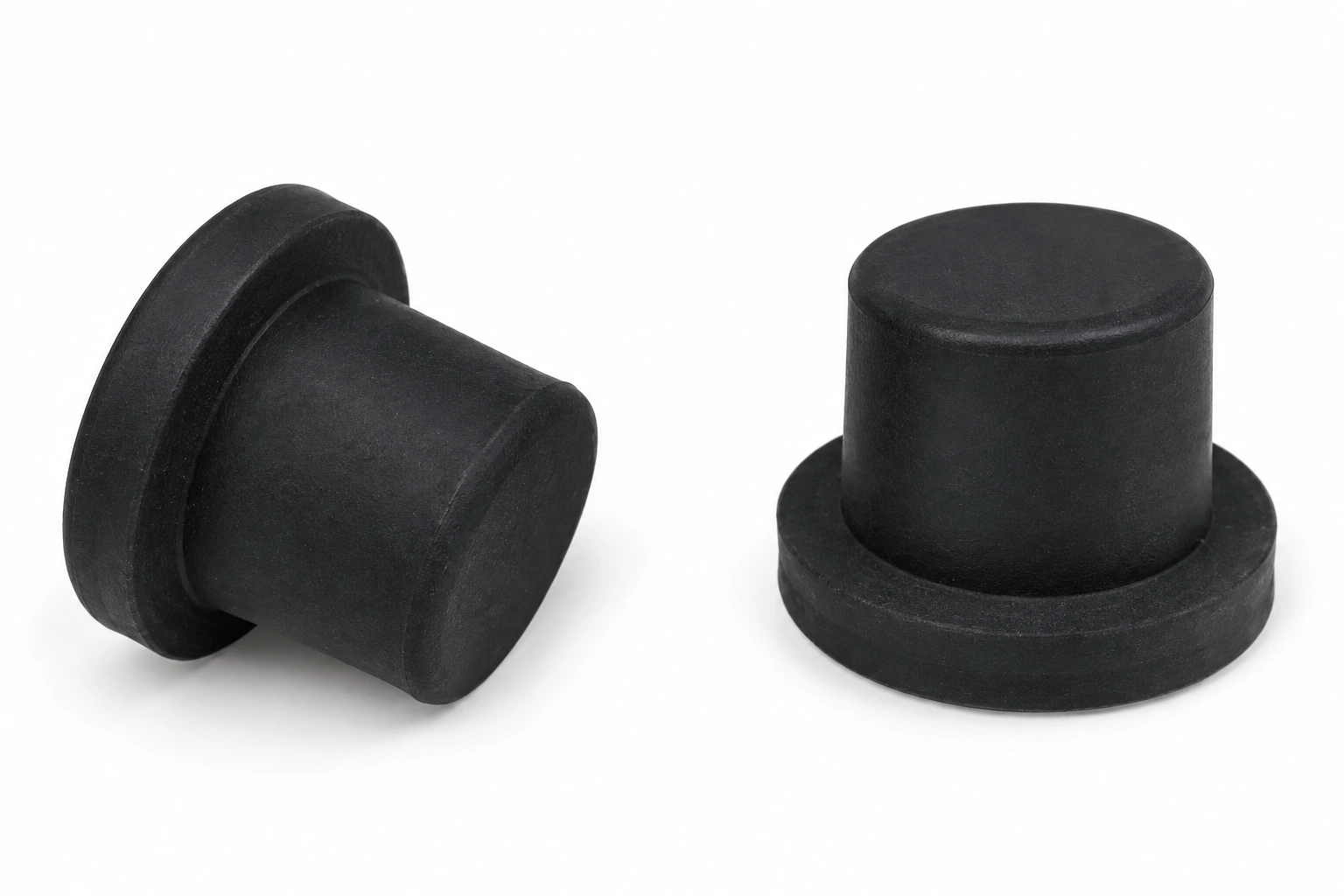
RSD T-Shaped Stoppers
Compare stem diameter A, flange diameter B, stem length C and head thickness D, in mm. Check the seating surface and available depth as well as the hole diameter.
Need a different fit? Share the opening dimensions, mating profile and intended use for a custom size.
Discuss Your RequirementsProduct specifications
- Product form
- Removable closure fitted inside an opening
- Material
- Silicone. Specify the compound grade for the selected service.
- Dimensions to confirm
- Opening diameter, closure profile, insertion depth and exposed grip.
- Exposure to evaluate
- Outdoor weather, moisture and dust or debris. Validate the selected material under the combined conditions.
- Seating check
- Check the sealing contact around the opening and the force needed for insertion and removal.
Need a quote or a custom part?
Send your requirements, drawings or samples to discuss standard and custom silicone rubber parts.
Email us[email protected]