
Silicone rubber stopper with hole
Silicone rubber stopper with hole has a very wide application, primarily for the fermentation process in wineries and as part of laboratory glassware. Silicone rubber stopper with hole can have one or two holes. Three-hole rubber stoppers are very rare. Silicone rubber stopper with hole, as well as rubber stopper without hole, has a primary role to prevent liquids from leaking, to prevent evaporation of gases and to prevent contamination of samples. While it may seem to you that the hole will hinder the silicone stopper from doing its job, it will not. Holes or more also have a role to play and that is why this type of rubber stopper is also available.
The shape of the rubber stopper is mostly similar because the shape is adapted to the neck of the bottle and other similar things like test tubes, so the shape is such that the rubber stopper can easily fit. So you need to measure the diameter, length and thickness. What makes silicone rubber stopper with hole different is that you also need to measure the diameter of the hole. The diameter of the hole on the rubber stopper depends on what you need the hole for. Will a measuring instrument or something else pass through it? You can find a large number of sizes with us, and if the size you need is not available, don’t worry, we can make any size you want.
We use silicone because silicone has many characteristics suitable for making a rubber stopper. For high temperature application, silicone stoppers are best. Silicone can withstand minus 80 to plus 250 degrees, and can be briefly exposed to minus 115 to plus 300 degrees Celsius. Also, silicone is odorless and tasteless, completely safe for contact with food, which is very important for wineries, for example.
Stopper & Plug Size Catalog
Compare four stopper profiles and check the selected part dimensions against your opening and available depth. Each profile has its own drawing and dimension meanings.
Custom colors are available to your Pantone color code. Include the code in your inquiry.
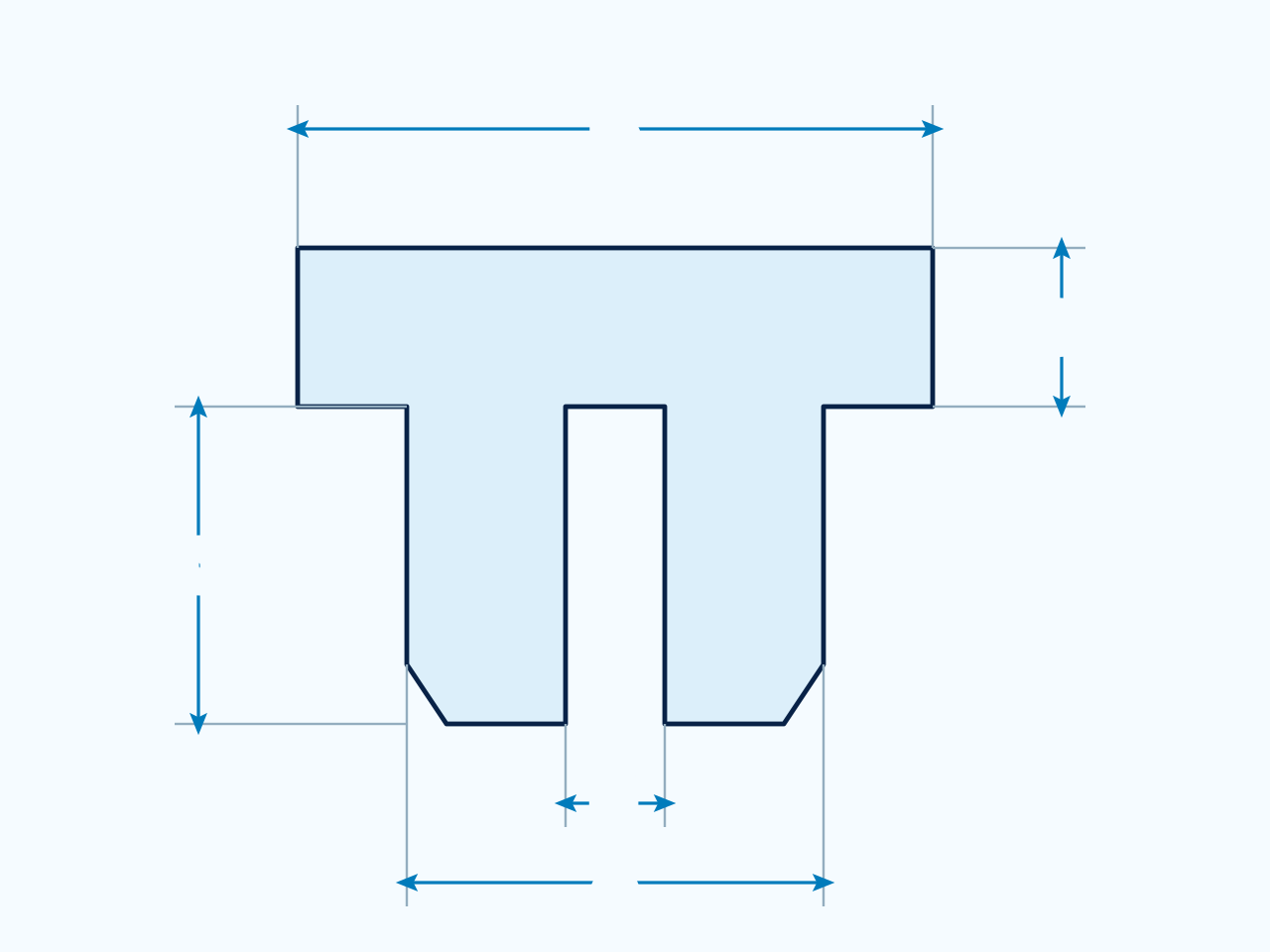
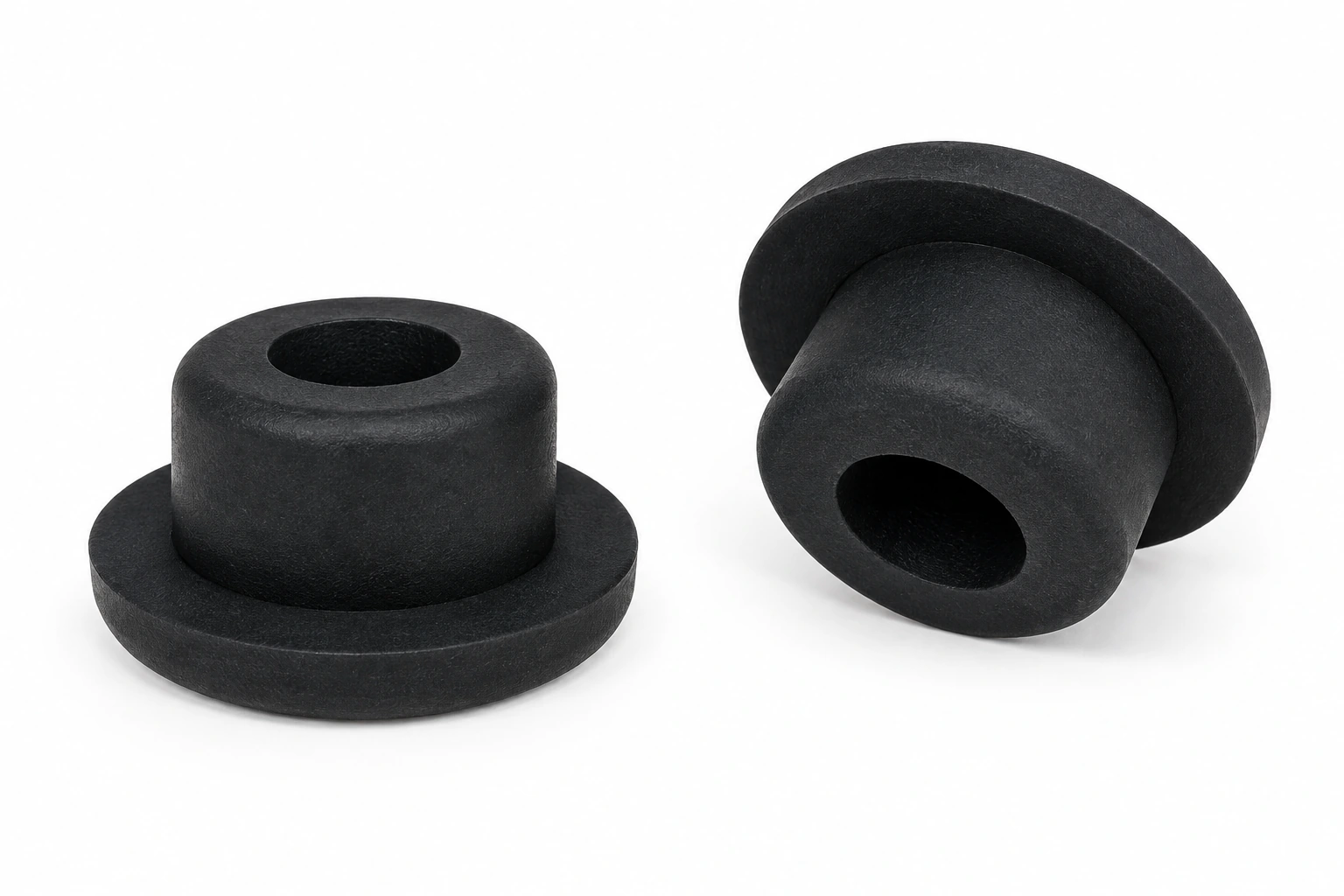
RST T-Shaped Plugs
Match stem diameter A, flange diameter B, stem length C and flange thickness D. E refers to the underside recess; use the selected row and approved drawing to confirm the actual profile.
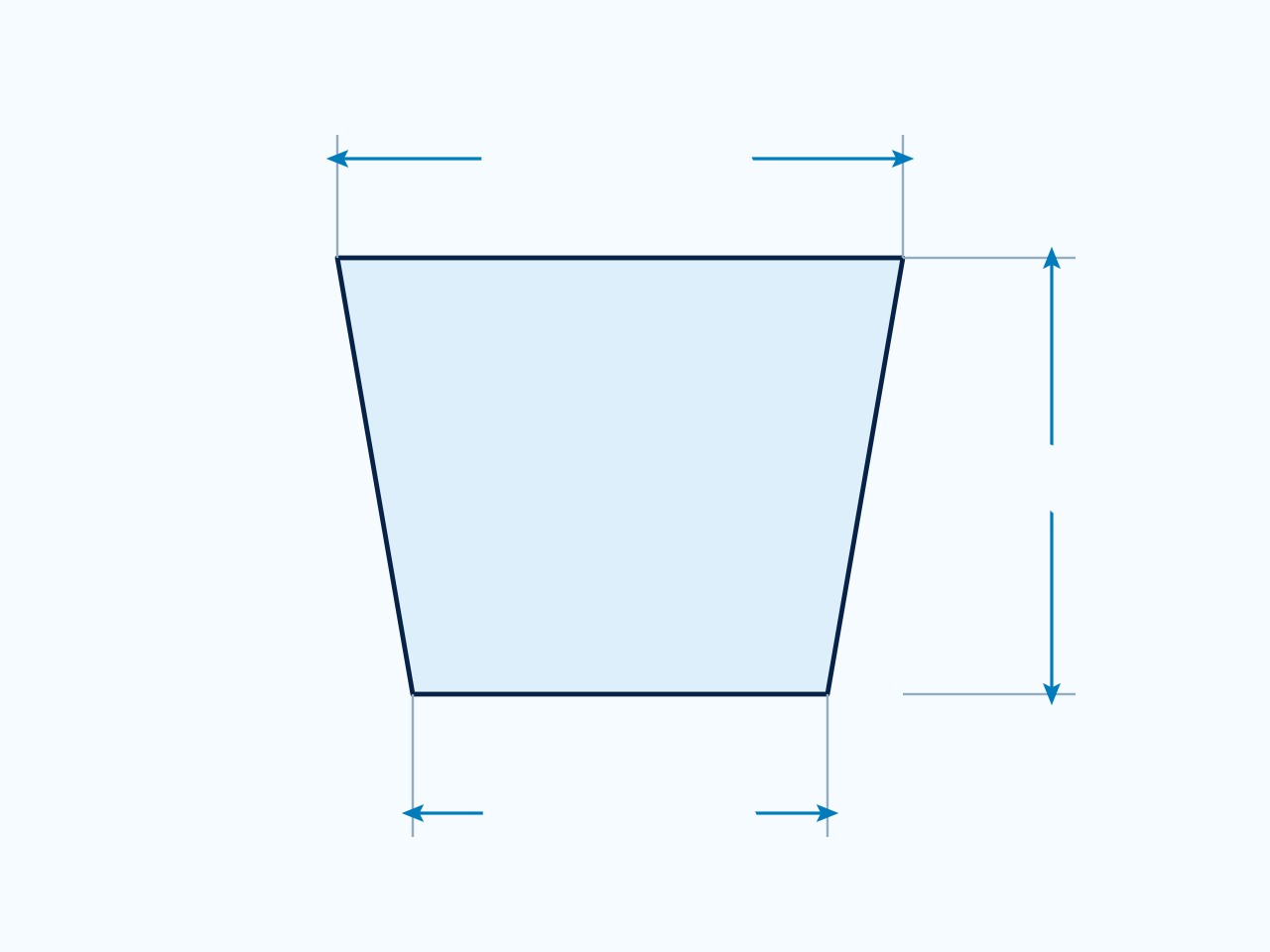
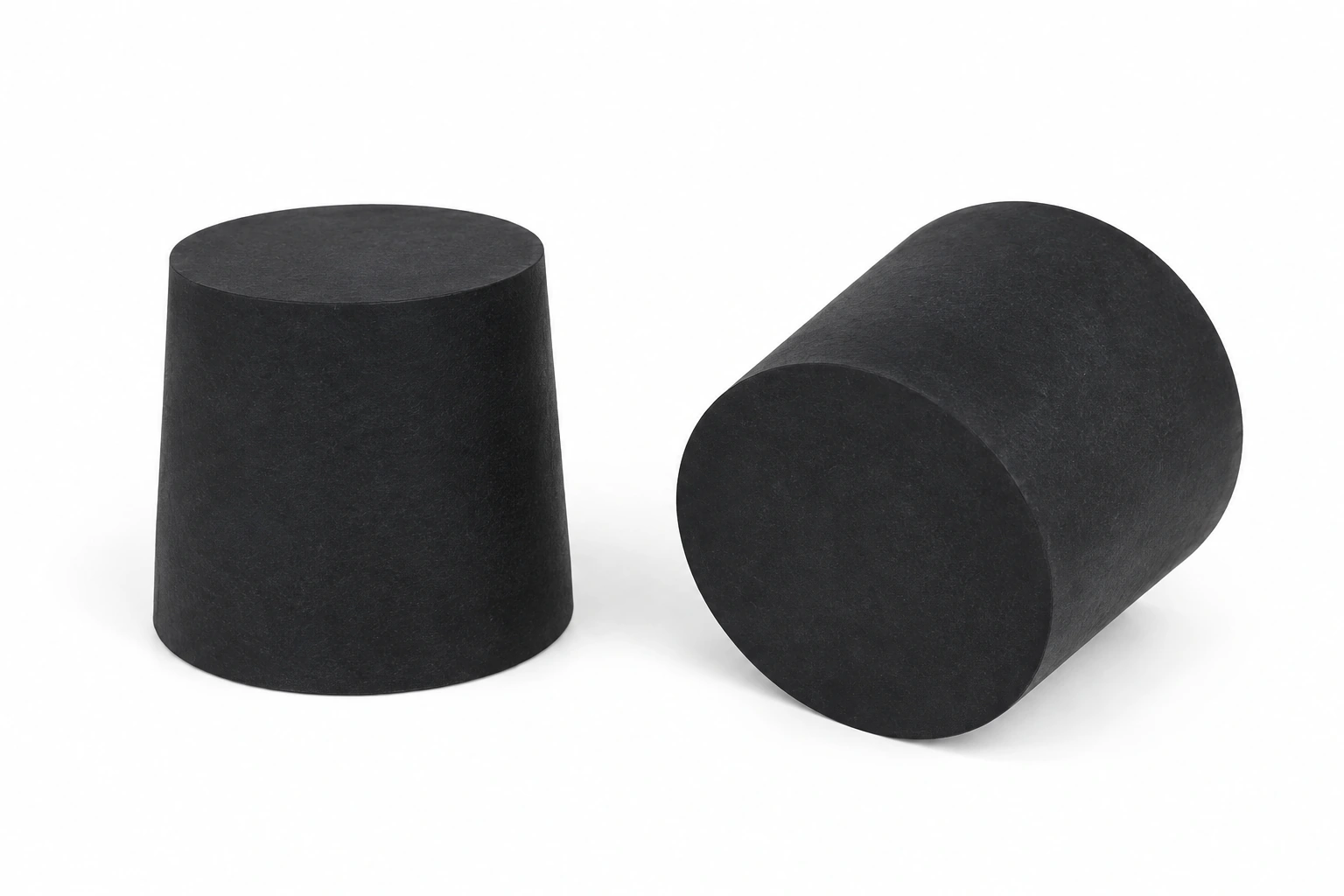
RSA Tapered Corks
Compare large-end diameter A, small-end diameter B and Height, in mm. The mating bore and required seating depth determine where the taper contacts the opening.
RSB Undercut Plugs
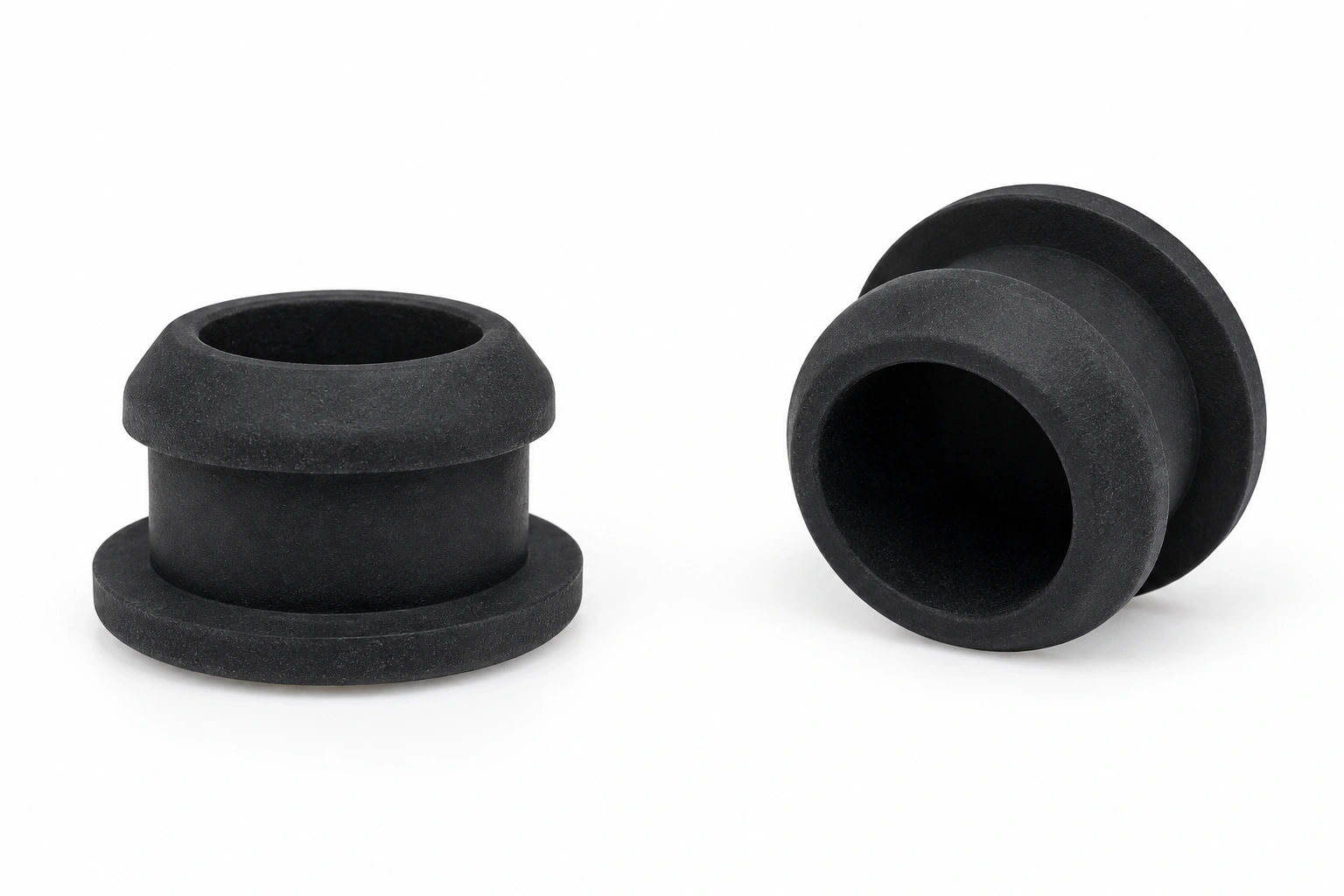
Compare neck diameter A, flange diameter B, flange-to-lip distance C and flange thickness D. Check panel thickness and rear clearance. E refers to the underside recess.
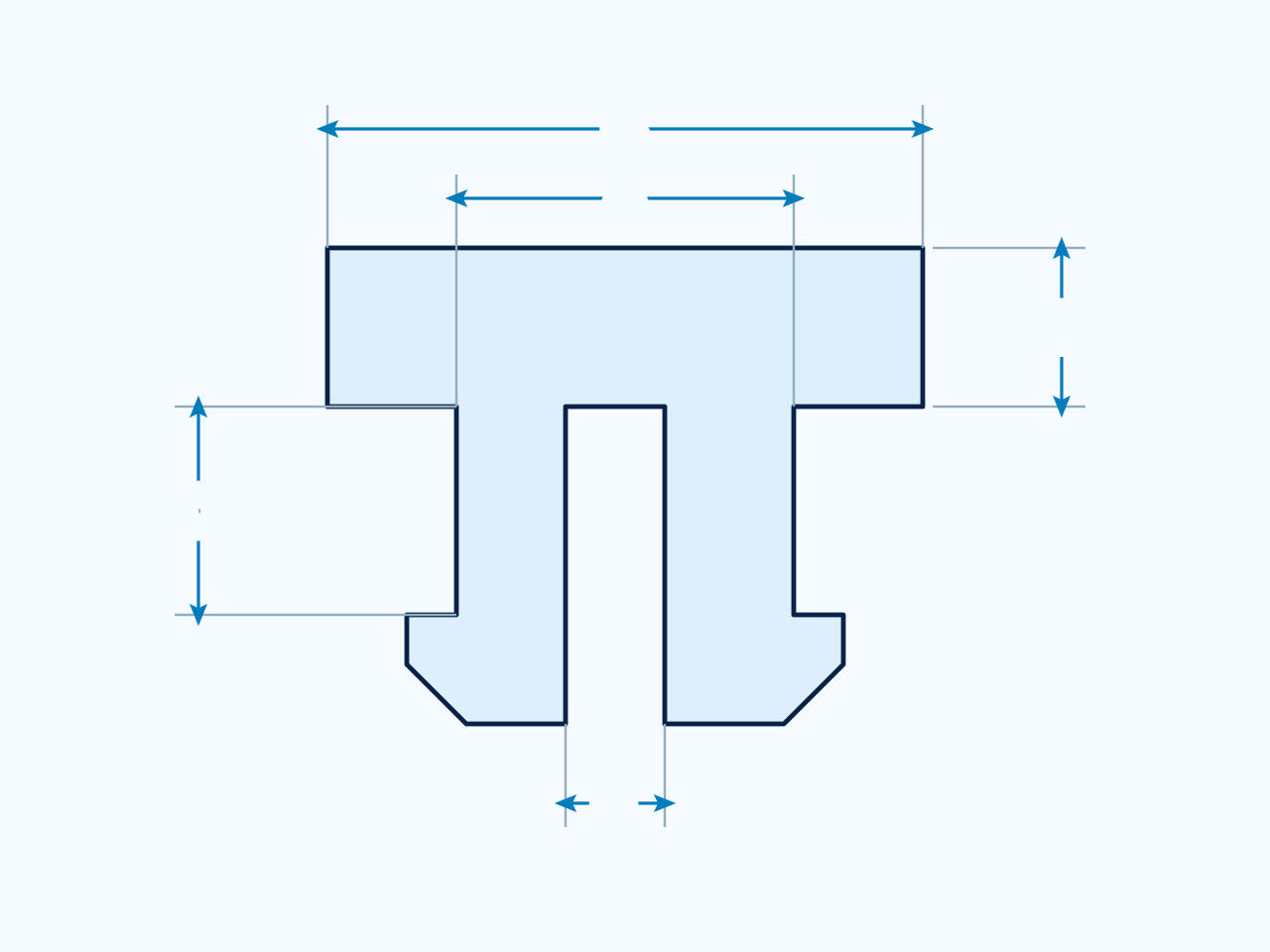
RSD T-Shaped Stoppers
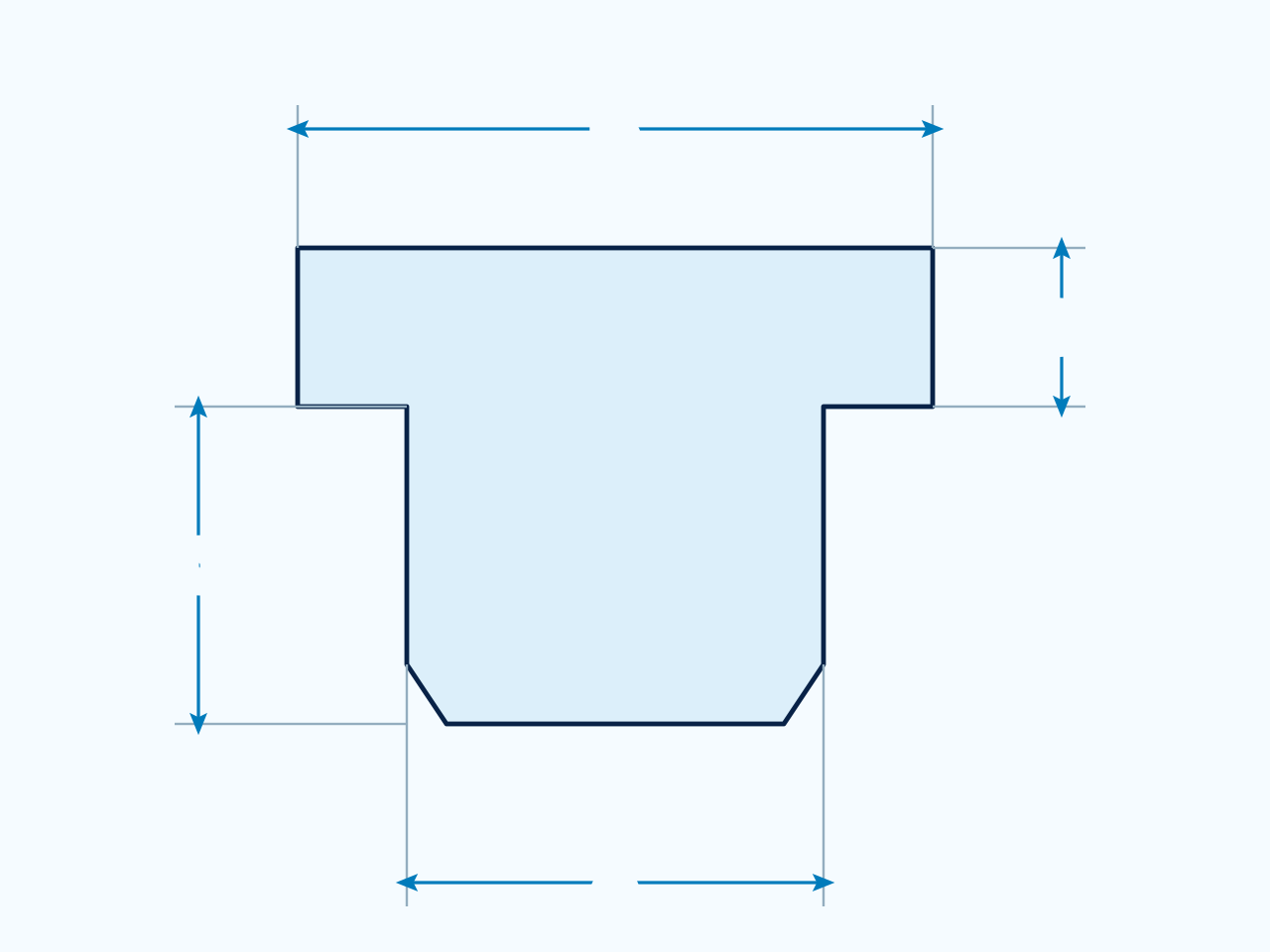
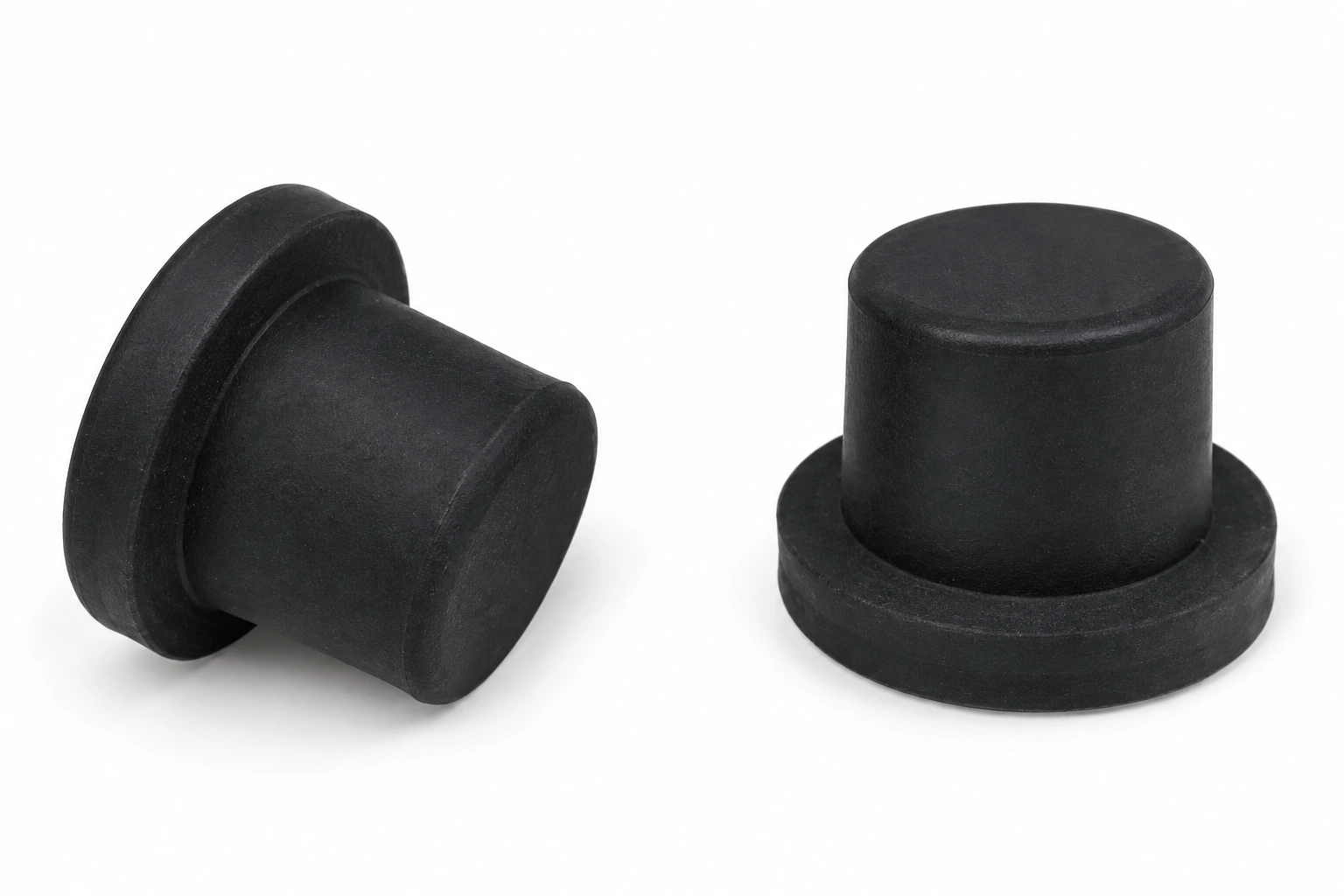
Compare stem diameter A, flange diameter B, stem length C and head thickness D, in mm. Check the seating surface and available depth as well as the hole diameter.
Need a different fit? Share the opening dimensions, mating profile and intended use for a custom size.
Discuss Your RequirementsProduct specifications
- Product form
- Removable closure fitted inside an opening
- Material
- Silicone. Specify the compound grade for the selected service.
- Application focus
- Laboratory vessels, bottle necks and test tubes. Size the part against the selected assembly.
- Dimensions to confirm
- Opening diameter, closure profile, insertion depth and exposed grip. Match these to laboratory vessels and bottle necks.
- Passage layout
- Dimension each bore, its location and the remaining wall; match it to the tube, probe or fitting passing through.
- Contact conditions
- Other gases and food ingredients: define concentration, temperature and contact time, then check compatibility with the chosen compound.
- Seating check
- Check the sealing contact around the opening and the force needed for insertion and removal.
Need a quote or a custom part?
Send your requirements, drawings or samples to discuss standard and custom silicone rubber parts.
Email us[email protected]