
Silicone rubber tubing
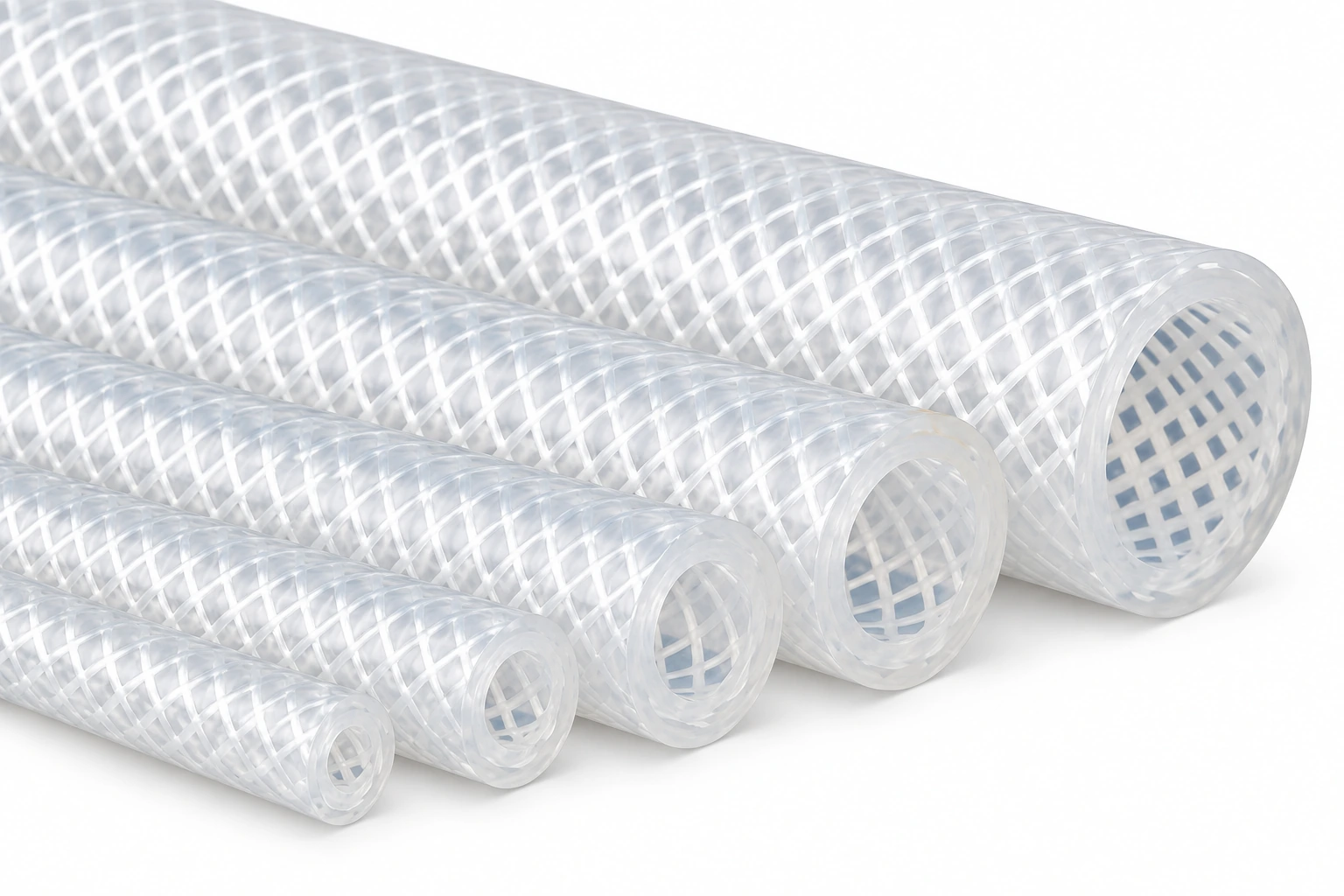
Silicone rubber tubing is an item that has many possible applications, starting from all industries, to medical and domestic use. It is usually used for medical equipment such as intravenous systems, catheters, and airway security. They are also present in the food preparation industries because they do not let out any substances and odors to ruin the quality of the dishes. Lastly, they are being used for the protection of the wires in many industries, including machinery and vehicle uses. With that being said, you can see how common this item is, and why you should consider the silicone rubber tubing in the next project you work on.
The material that makes all these applications possible is silicone rubber. That is a synthetically improved rubber that has great temperature resistance features. In addition, it is a plastic product that can be fit everywhere, making it suitable for such purposes. Another benefit is that they can be clear or semi-clear, which can help you to differentiate the matter that runs through the tubing. There are three different categories of tubing depending on their sizes. The smaller ones are usually being meant for the protection of the cables especially in a situation where there is heat involved. The medium ones are usually being used for liquid transportation and the bigger ones for air conductivity.
If you have problems with understanding which silicone rubber tubing is right for your project, you can contact our firm and explain what you need them for. That way, you will be sure what type of tubing will be appropriate. Make sure that you measure all the connections so the tube can fit on snugly. Many people tend to have problems determining how long they need this tube to be, so we advise you to get one with a greater length than expected. You can cut the tube to the right proportions any time, and avoid additional problems.
Silicone Tubing Size Catalog
Compare inside diameter, outside diameter and listed wall thickness across silicone tube ranges. Confirm the material grade and application requirements for the selected part.
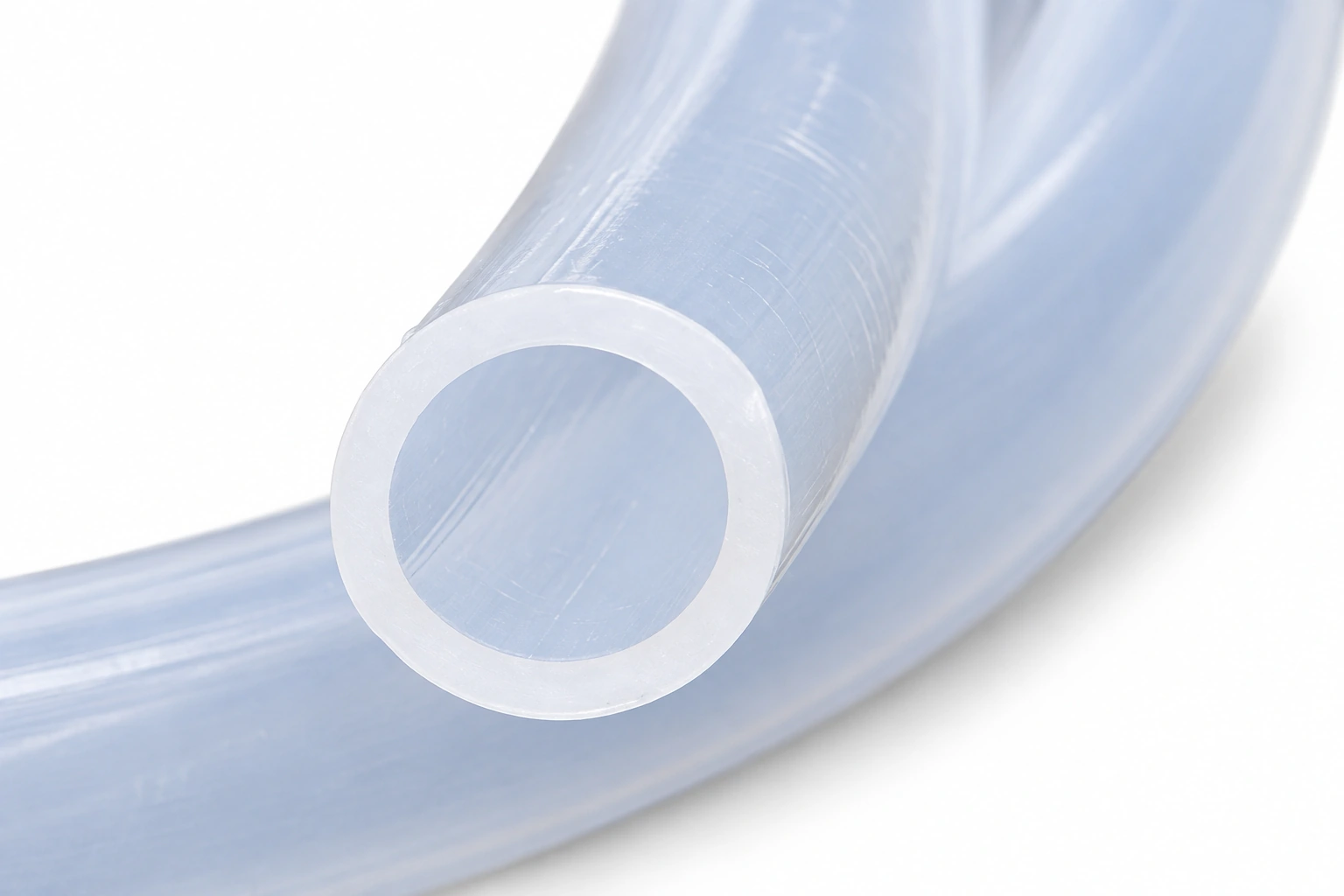
Food grade silicone tube
Compare Inside Diameter and Outside Diameter in mm, together with the listed Thickness and Colour. The cross-section drawing identifies the bore and outside diameter; confirm the selected tube material and service requirements.

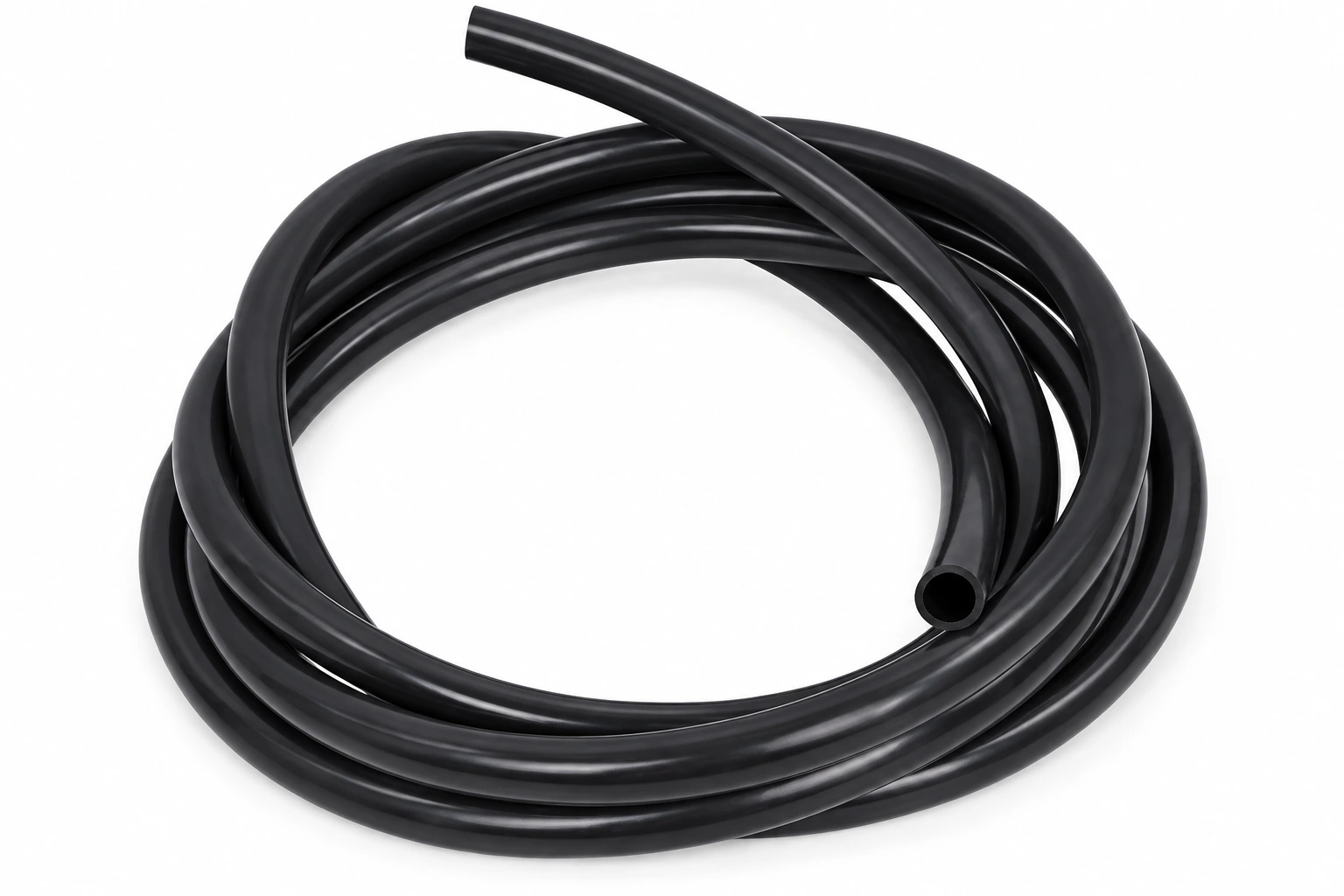
Black silicone tubing
Compare Inside Diameter and Outside Diameter in mm, together with the listed Thickness and Colour. The cross-section drawing identifies the bore and outside diameter; confirm the selected tube material and service requirements.
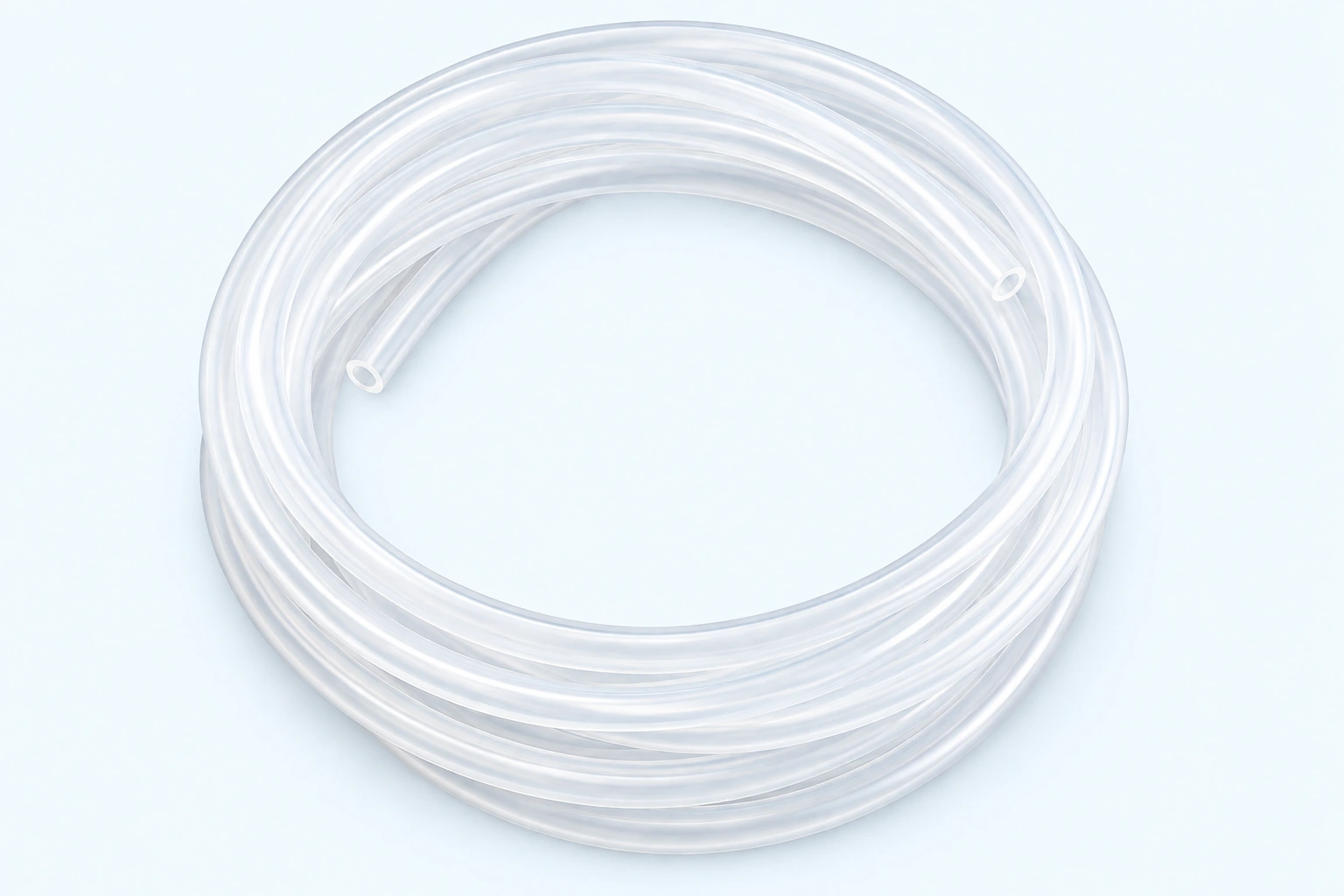
Industrial silicone tube
Compare Inside Diameter and Outside Diameter in mm, together with the listed Thickness and Colour. The cross-section drawing identifies the bore and outside diameter; confirm the selected tube material and service requirements.
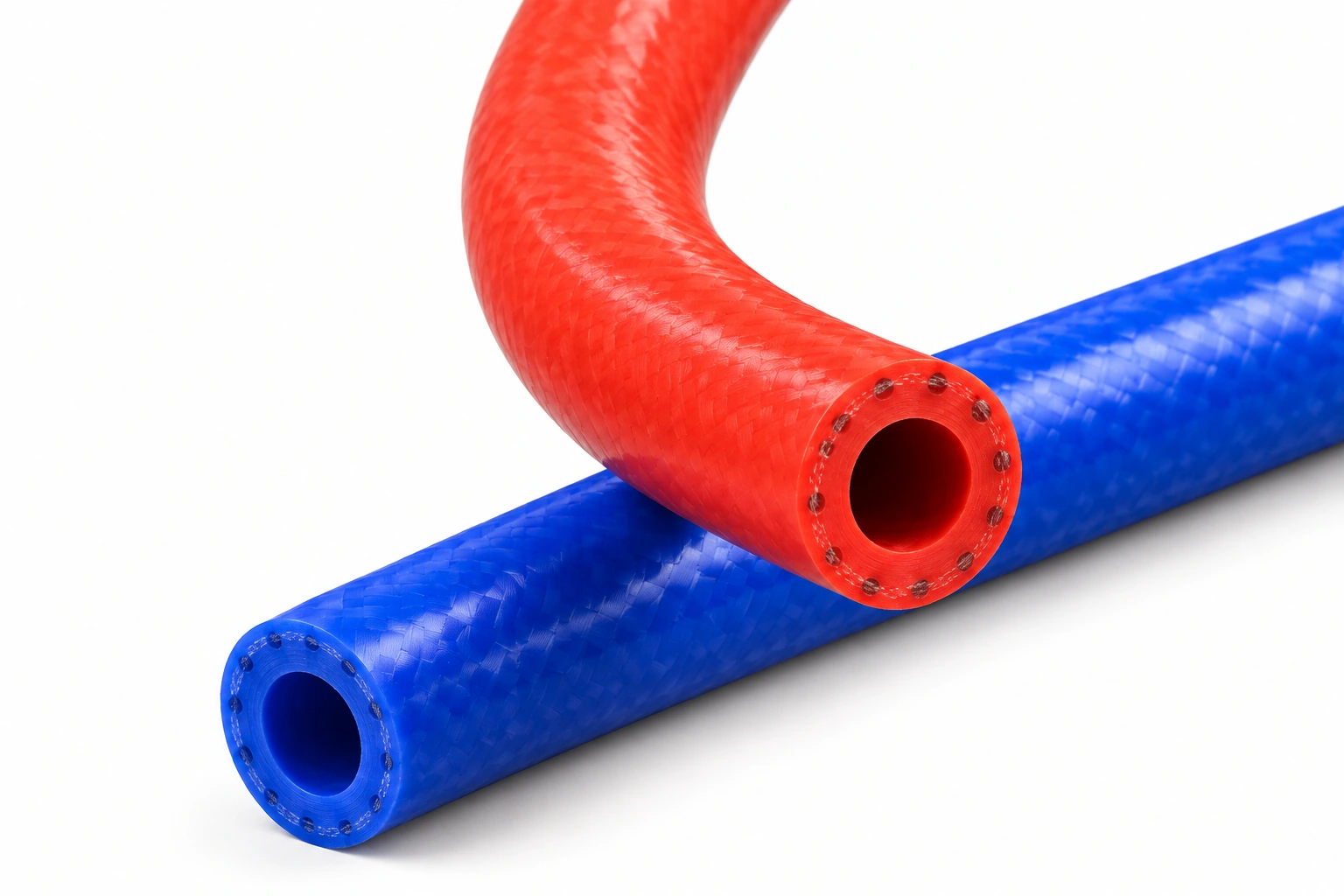
Colourful silicone braided tube
Compare Inside Diameter and Outside Diameter in mm, together with the listed Thickness and Colour. The cross-section drawing identifies the bore and outside diameter; confirm the selected tube material and service requirements.
Food grade silicone braided tube
Compare Inside Diameter and Outside Diameter in mm, together with the listed Thickness and Colour. The cross-section drawing identifies the bore and outside diameter; confirm the selected tube material and service requirements.
Need a different size? Share your drawing, mating dimensions and intended use to discuss a suitable part.
Discuss Your RequirementsProduct specifications
- Product form
- Hollow elastomer tubing for a fitted line or sleeve
- Material
- Silicone. Specify the compound grade for the selected service.
- Application focus
- Medical-device assemblies, catheter assemblies, food-processing equipment, cable sleeving and vehicle hose runs. Size the part against the selected assembly.
- Dimensions to confirm
- Inside diameter, outside diameter, wall thickness and cut length. Match these to medical-device assemblies and catheter assemblies.
- Contact conditions
- Food ingredients and air: define concentration, temperature and contact time, then check compatibility with the chosen compound.
- Line layout
- Check bend radius, unsupported spans and clearance at both connections.
Need a quote or a custom part?
Send your requirements, drawings or samples to discuss standard and custom silicone rubber parts.
Email us[email protected]