
Silicone Stopper Chemistry
Many industries around the world heavily rely on rubber stoppers. These small rubber products can be found at the ends of the pipes, at the top of Erlenmeyer glassware, inside of panels and heavy machinery, and so on. But also, pretty much every household owns a device or a piece of furniture with one of these inserted someplace. However, there is one particular industry that really benefits from rubber stoppers, and that is the chemical industry. You could literally pick any chemical lab or a facility in the world, and we guarantee you will find hundreds if not even thousands of rubber stoppers. More precisely, you’d find a silicone stopper. For a silicone stopper chemistry lab feels like home, and for a plethora of good reasons.
The silicone stopper chemistry is a small rubber product that is designed and made to seal various glassware and vials in a chemical laboratory. The reason why chem labs almost exclusively buy silicone stoppers is because silicone is the perfect material for this kind of environment. First of all, silicone stops microbial growth, which is essential in an environment such as that one. But also, silicone does not react with most chemicals. For instance, you could seal a carboy with a silicone stopper even if it is filled with an abrasive liquid such as acid. Additionally, a silicone stopper chemistry is resistant to oxygen, ozone and ultraviolet (UV) lighting.
Next up, a silicone stopper, if correctly sized, offers an airtight and waterproof seal, making sure that whatever is inside of the sealed container is completely safe from all the outside factors and influences. Finally, a silicone stopper is capable of withstanding temperatures as low as negative 70 degrees Celsius, as well as temperature as high as 270 degrees Celsius, without conducting any of the heat.
Stopper & Plug Size Catalog
Compare four stopper profiles and check the selected part dimensions against your opening and available depth. Each profile has its own drawing and dimension meanings.
Custom colors are available to your Pantone color code. Include the code in your inquiry.
RST T-Shaped Plugs
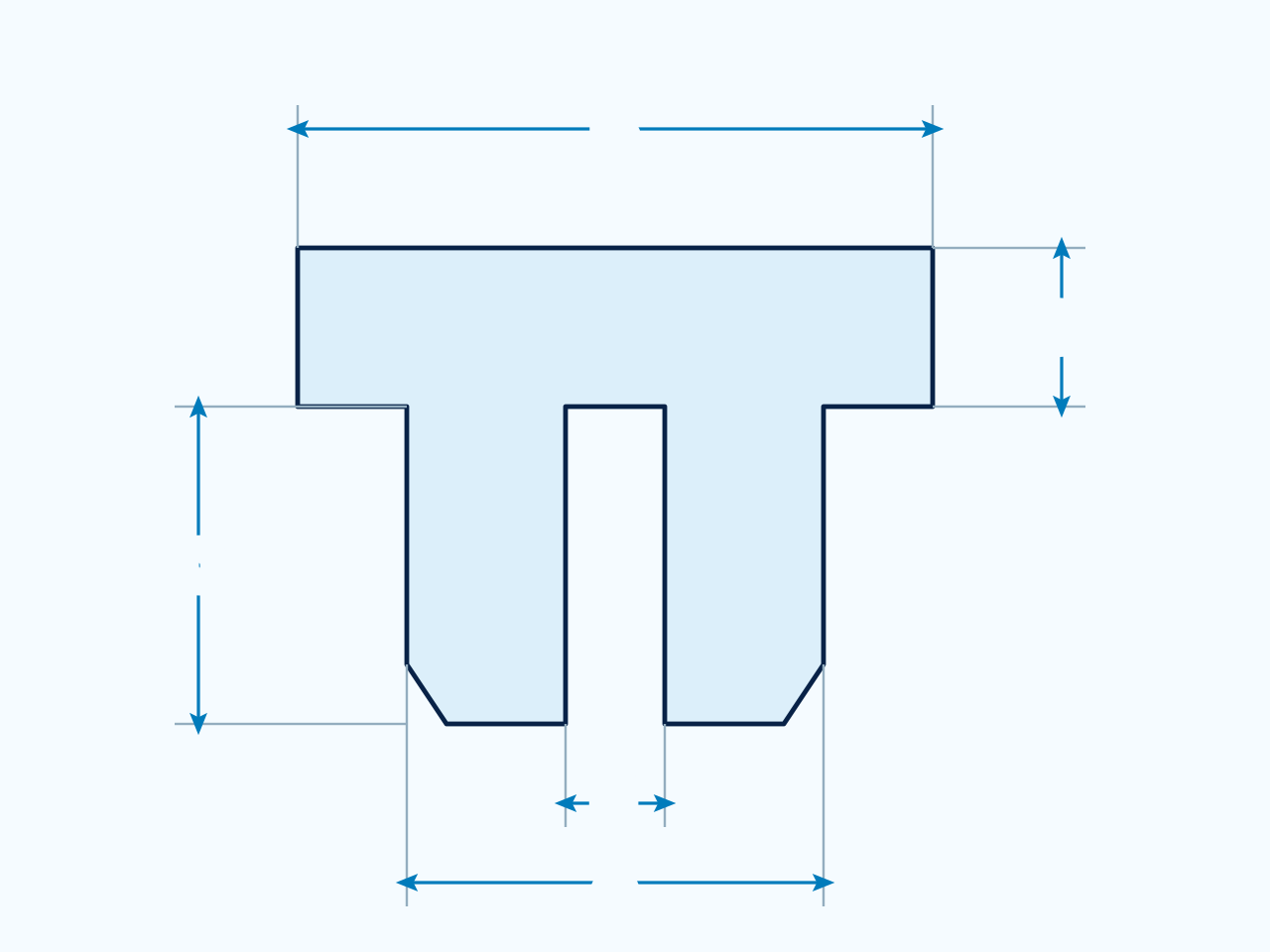
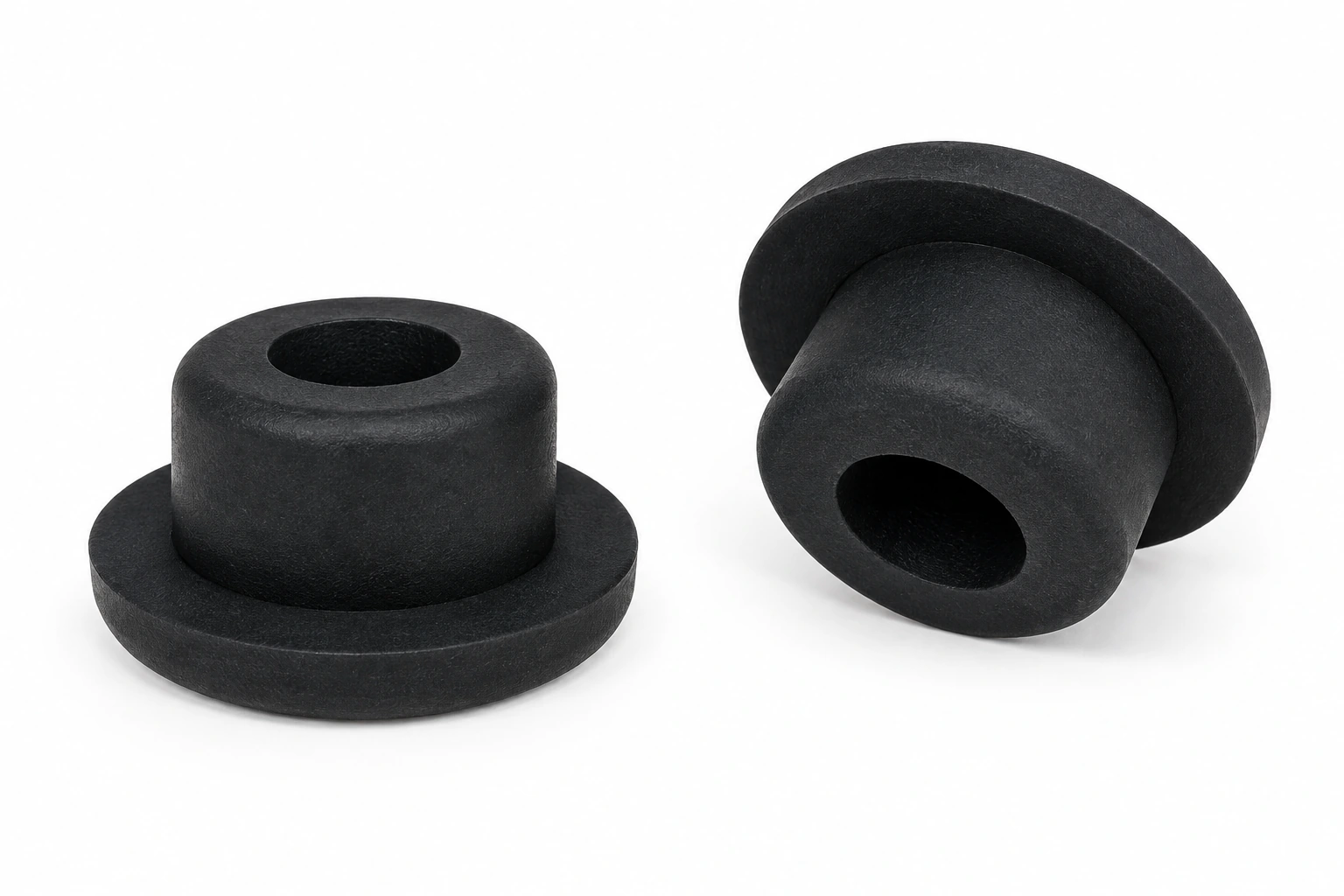
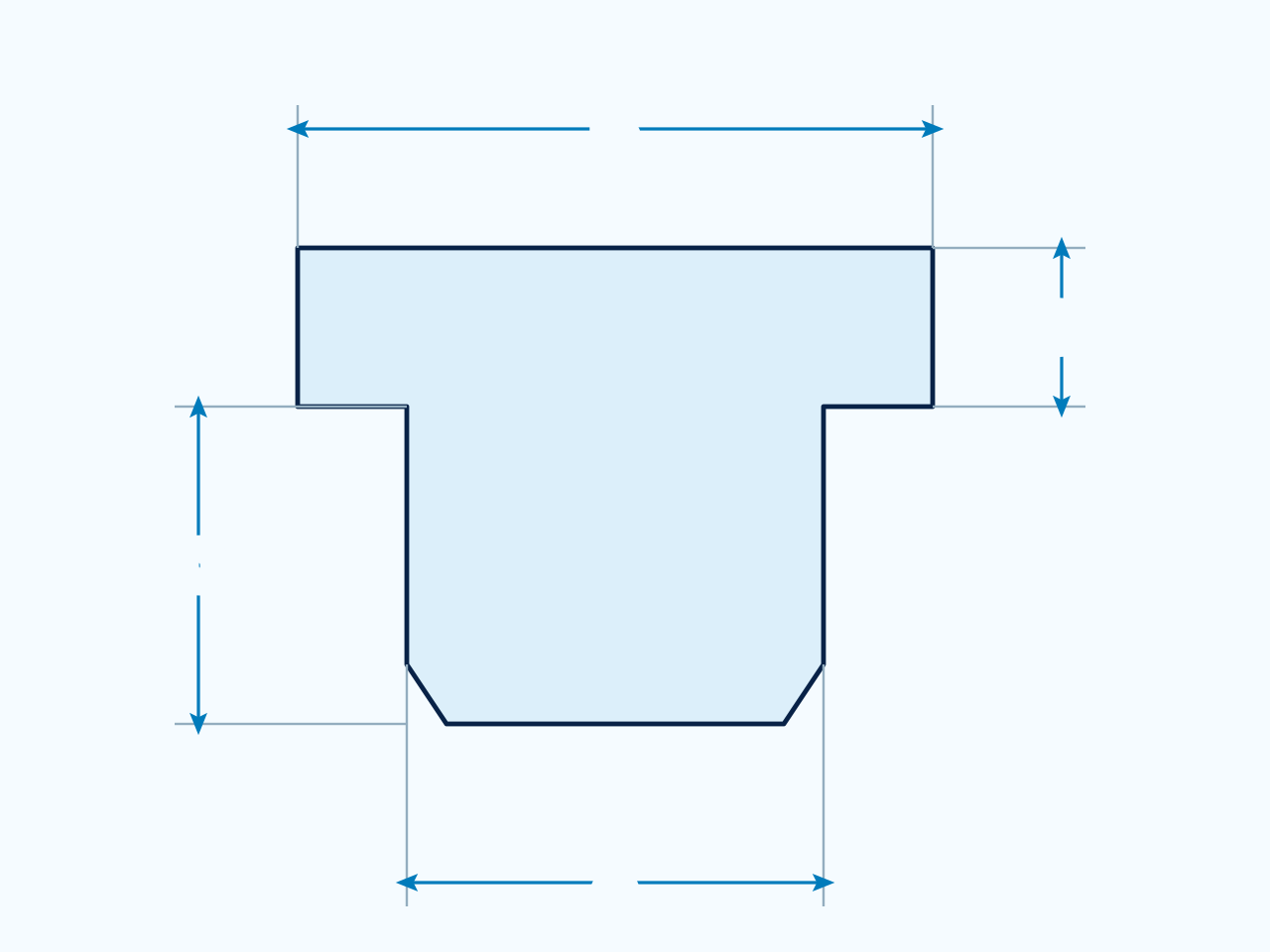
Match stem diameter A, flange diameter B, stem length C and flange thickness D. E refers to the underside recess; use the selected row and approved drawing to confirm the actual profile.
RSA Tapered Corks
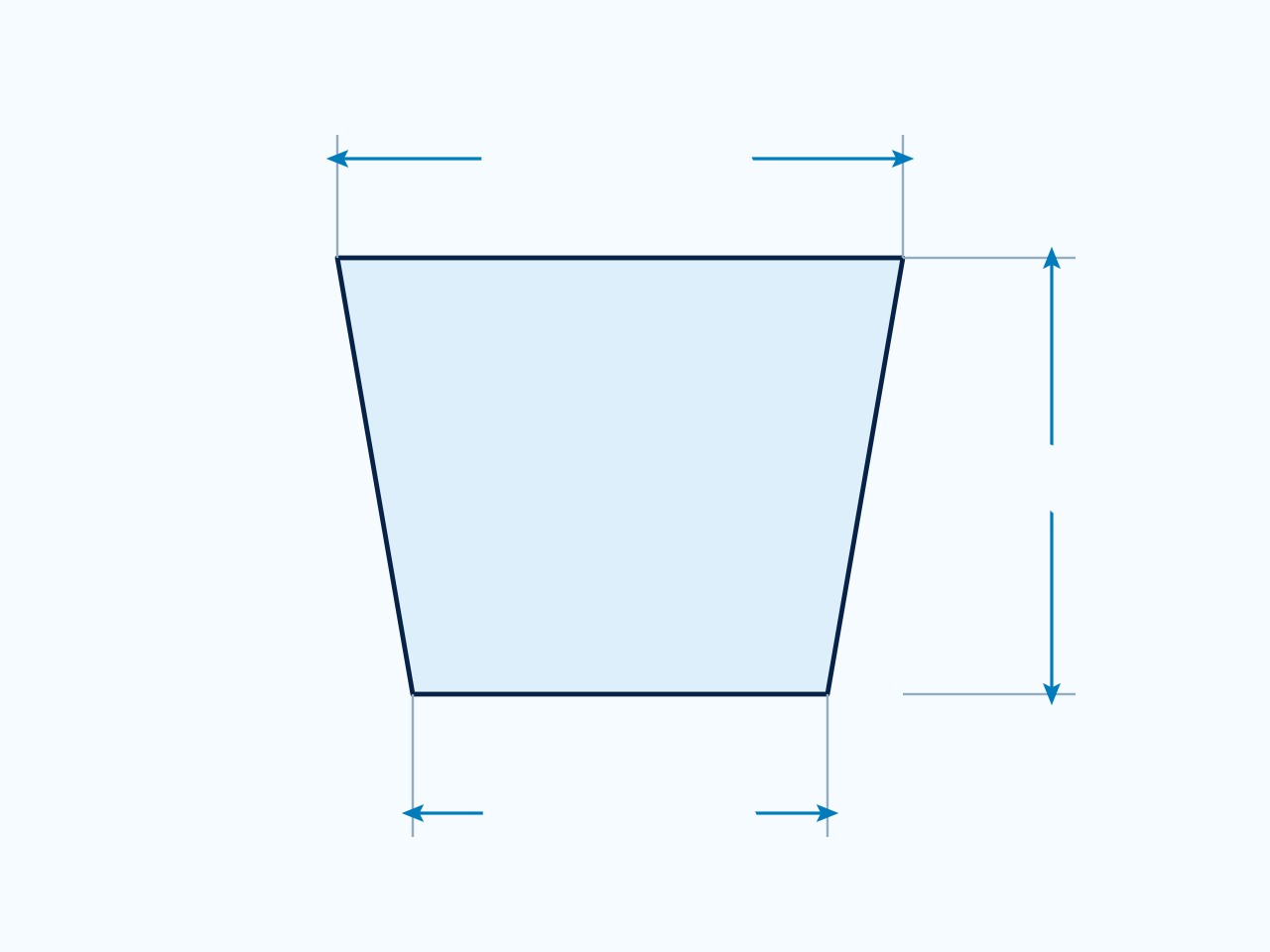
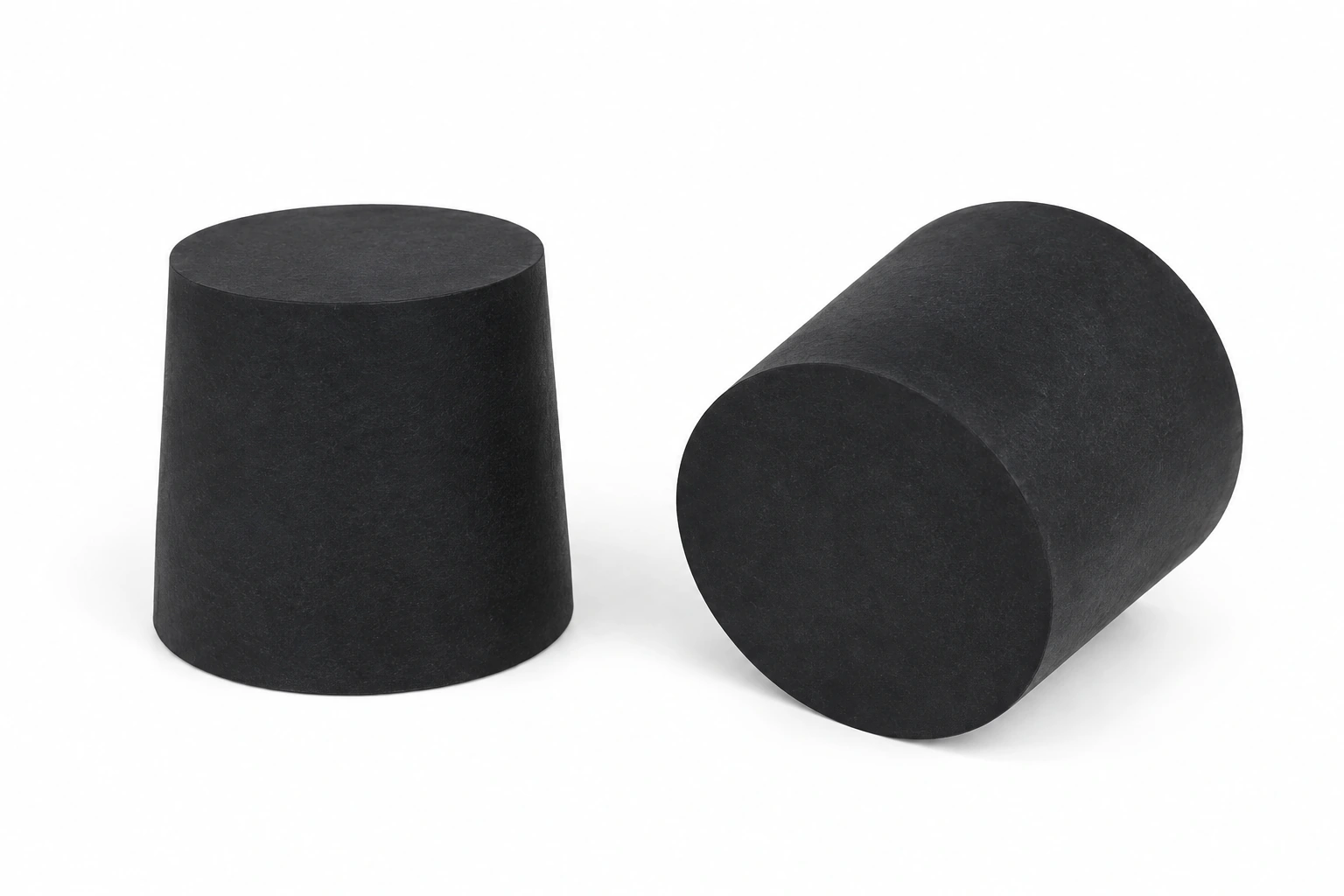
Compare large-end diameter A, small-end diameter B and Height, in mm. The mating bore and required seating depth determine where the taper contacts the opening.
RSB Undercut Plugs
Compare neck diameter A, flange diameter B, flange-to-lip distance C and flange thickness D. Check panel thickness and rear clearance. E refers to the underside recess.

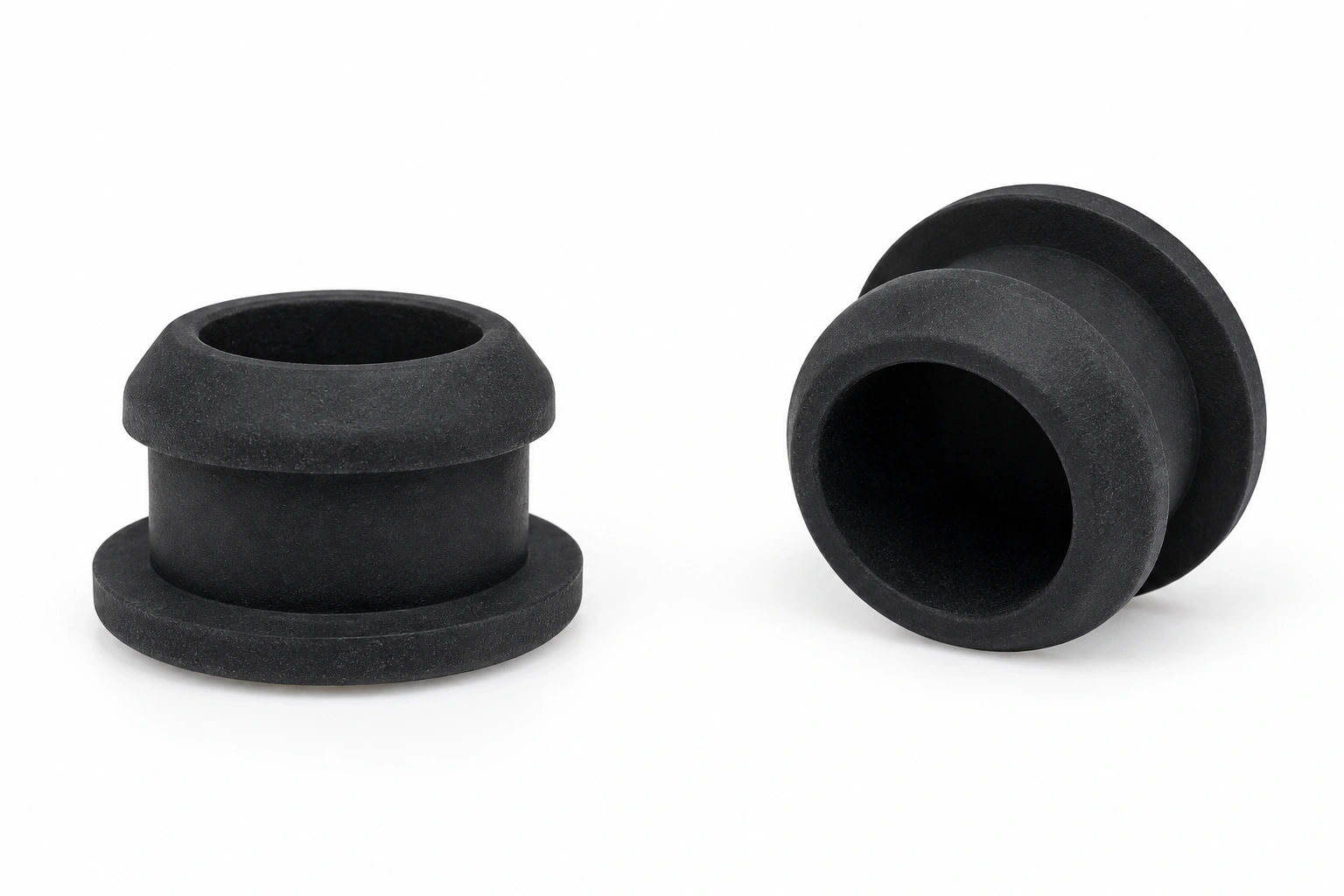
RSD T-Shaped Stoppers
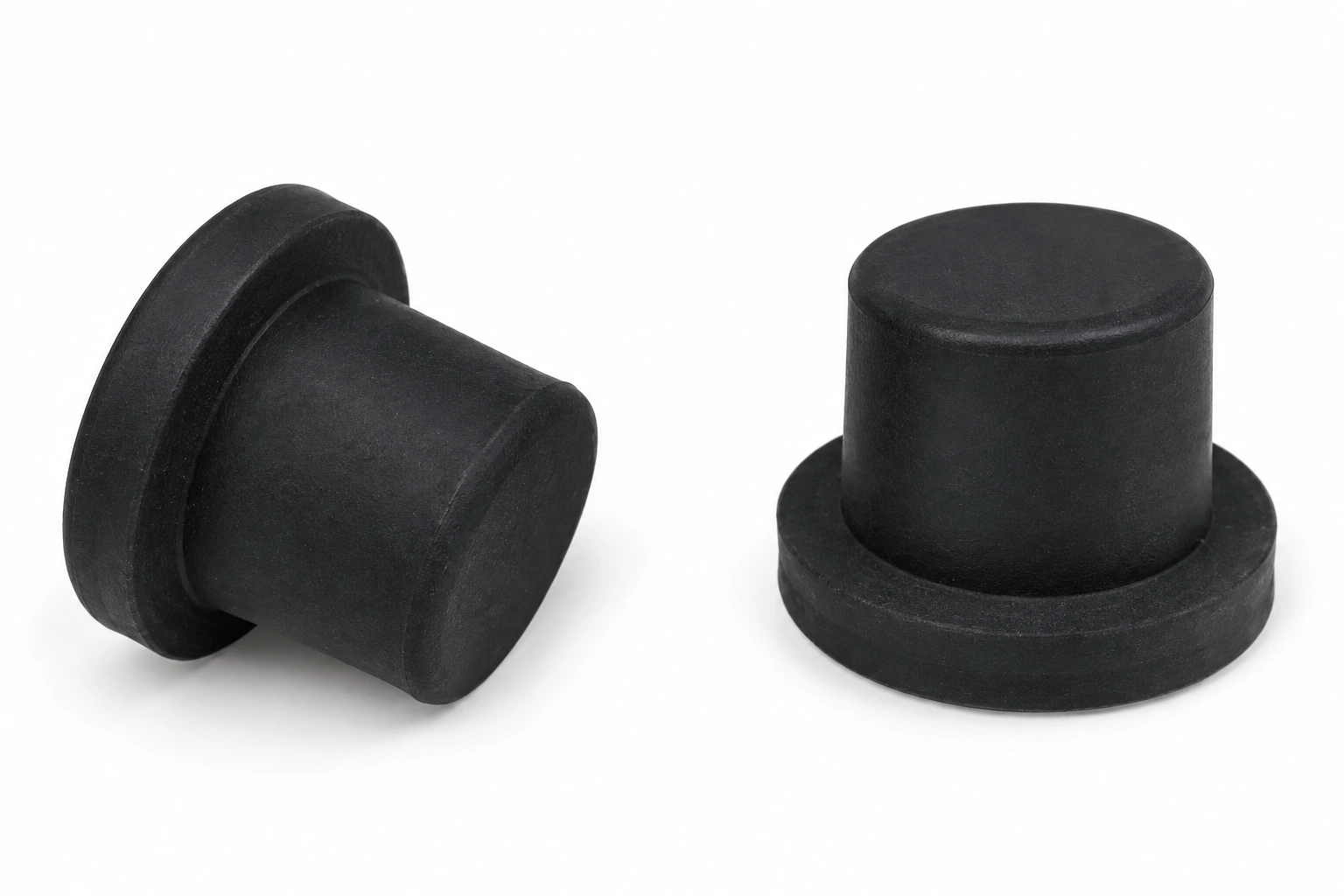
Compare stem diameter A, flange diameter B, stem length C and head thickness D, in mm. Check the seating surface and available depth as well as the hole diameter.
Need a different fit? Share the opening dimensions, mating profile and intended use for a custom size.
Discuss Your RequirementsProduct specifications
- Product form
- Removable closure fitted inside an opening
- Material
- Silicone. Specify the compound grade for the selected service.
- Application focus
- Laboratory vessels, Erlenmeyer flasks, vials and carboys. Size the part against the selected assembly.
- Dimensions to confirm
- Opening diameter, closure profile, insertion depth and exposed grip. Match these to laboratory vessels and Erlenmeyer flasks.
- Contact conditions
- Acids and oxygen: define concentration, temperature and contact time, then check compatibility with the chosen compound.
- Exposure to evaluate
- Sunlight or UV, ozone and rubbing or abrasion. Validate the selected material under the combined conditions.
- Seating check
- Check the sealing contact around the opening and the force needed for insertion and removal.
Need a quote or a custom part?
Send your requirements, drawings or samples to discuss standard and custom silicone rubber parts.
Email us[email protected]