
Silicone stopper with hole
The stoppers and plugs can be used to seal different types of openings, and they are used in a variety of different fields. They are most commonly utilized in laboratories to seal containers and to ensure that nothing will come in contact with the contents and that they won’t spill. There are many different types of plugs, and the silicone stopper with hole is one of the most popular options. As the name suggests, this unit is not completely solid, and there is a small opening in it.
There can be just one opening, or there can be more holes depending on the purpose and the usage of the plug. The reason why there is an opening on the stopper is that with it the chance of the material or the contents in the container getting hard or dry is minimized. The silicone stopper with hole will ensure pliability as well as resiliency no matter how long the plug stays in the container, and it will help the professionals get the contents from the inside of the container without having to remove the silicone stopper with hole.
As manufacturers, we provide different types of this unit and we can customize them to help you get the best for your needs. They are most commonly manufactured in black color, and the white and transparent models are used as well. However, they can be made in any hue you want, and the size, along with the top and bottom diameter can vary as well. Make sure you understand the different types of silicone stopper with hole height so that it properly fits the opening. Some may be shorter than others, and it all depends on the neck of the container. You should not use units that are too small or big for the opening, if you don’t want the risk of the container or the plug getting damaged, and if you want to prevent any potential spillings and mishaps.
Stopper & Plug Size Catalog
Compare four stopper profiles and check the selected part dimensions against your opening and available depth. Each profile has its own drawing and dimension meanings.
Custom colors are available to your Pantone color code. Include the code in your inquiry.
RST T-Shaped Plugs
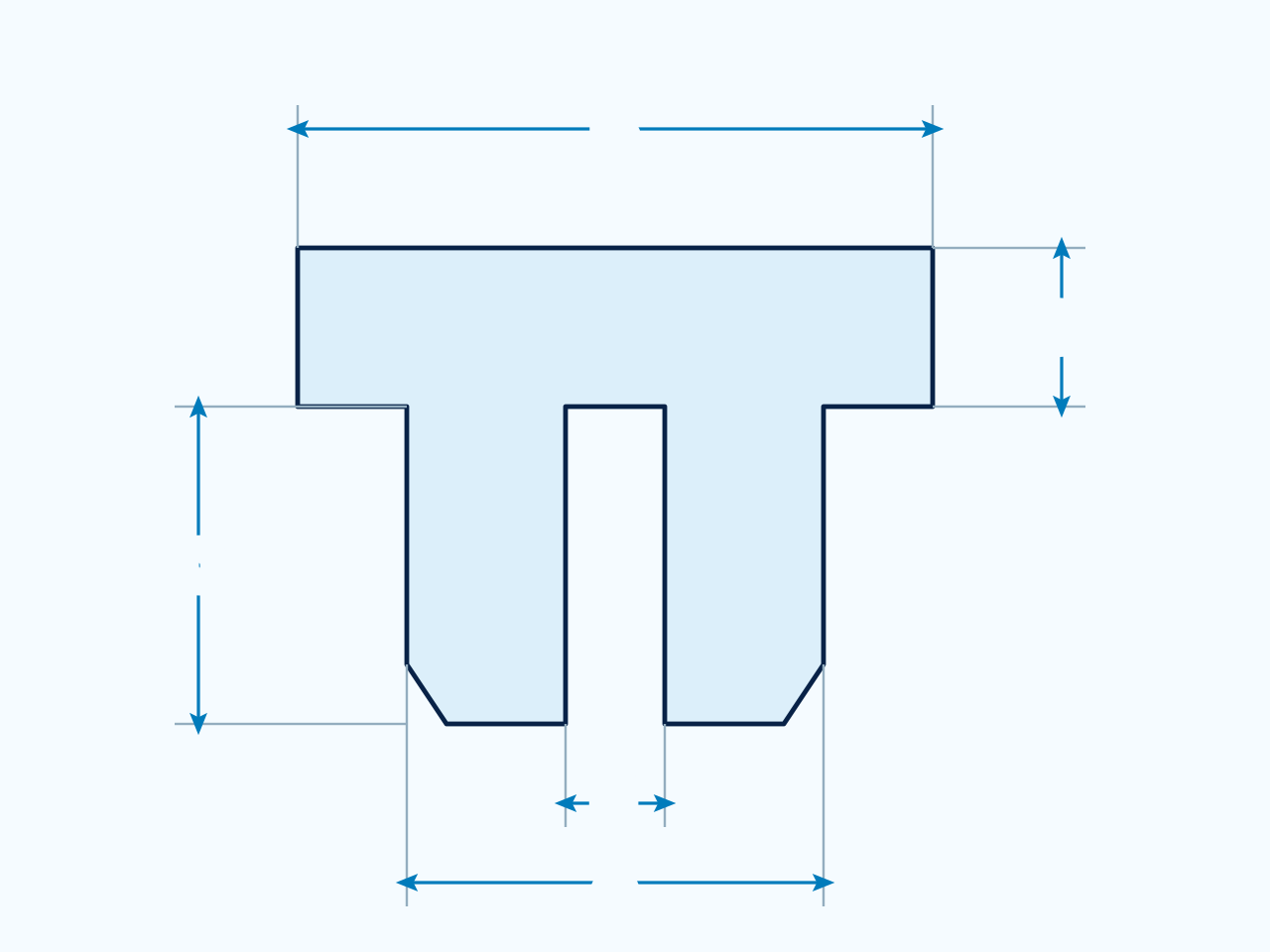
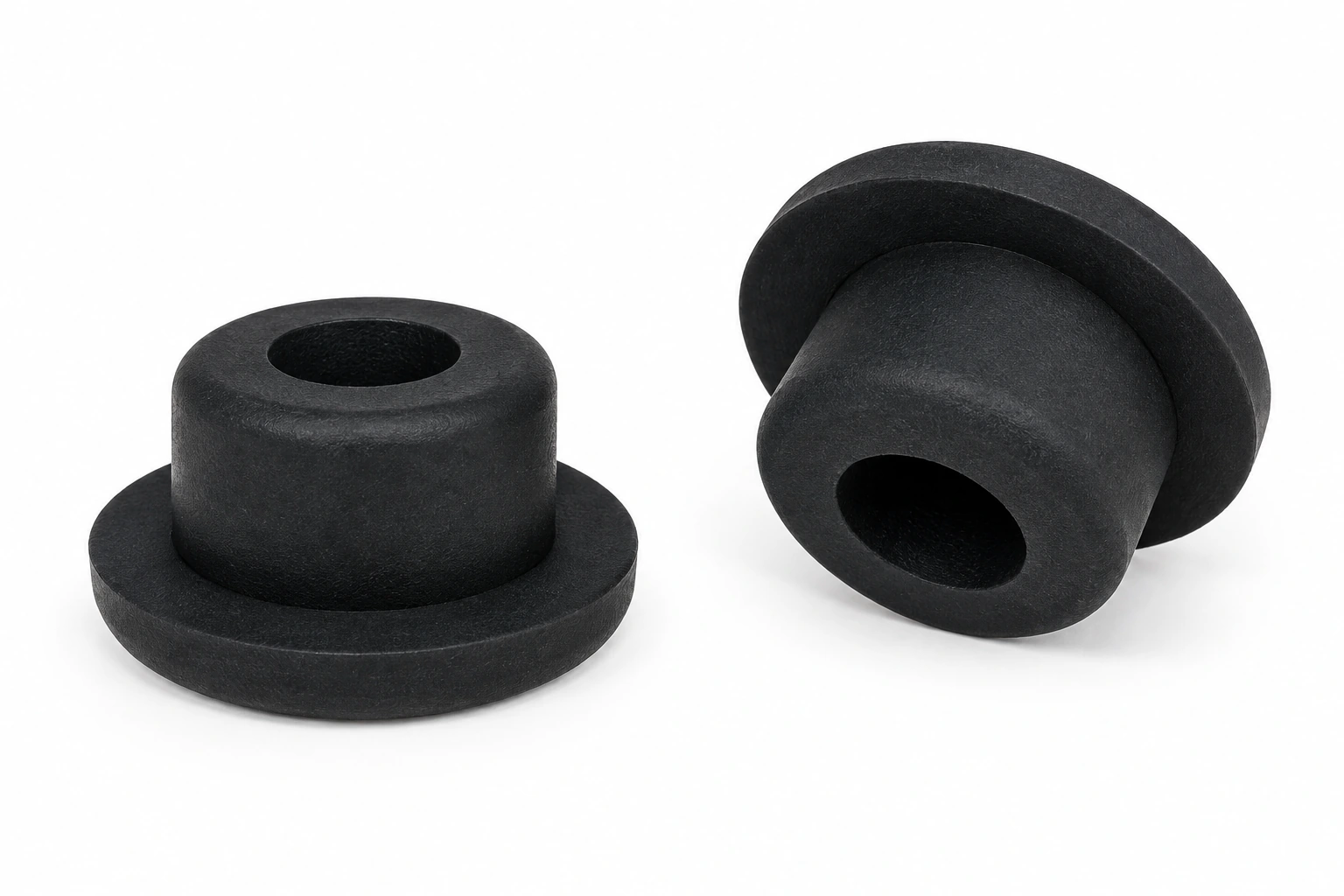
Match stem diameter A, flange diameter B, stem length C and flange thickness D. E refers to the underside recess; use the selected row and approved drawing to confirm the actual profile.
RSA Tapered Corks
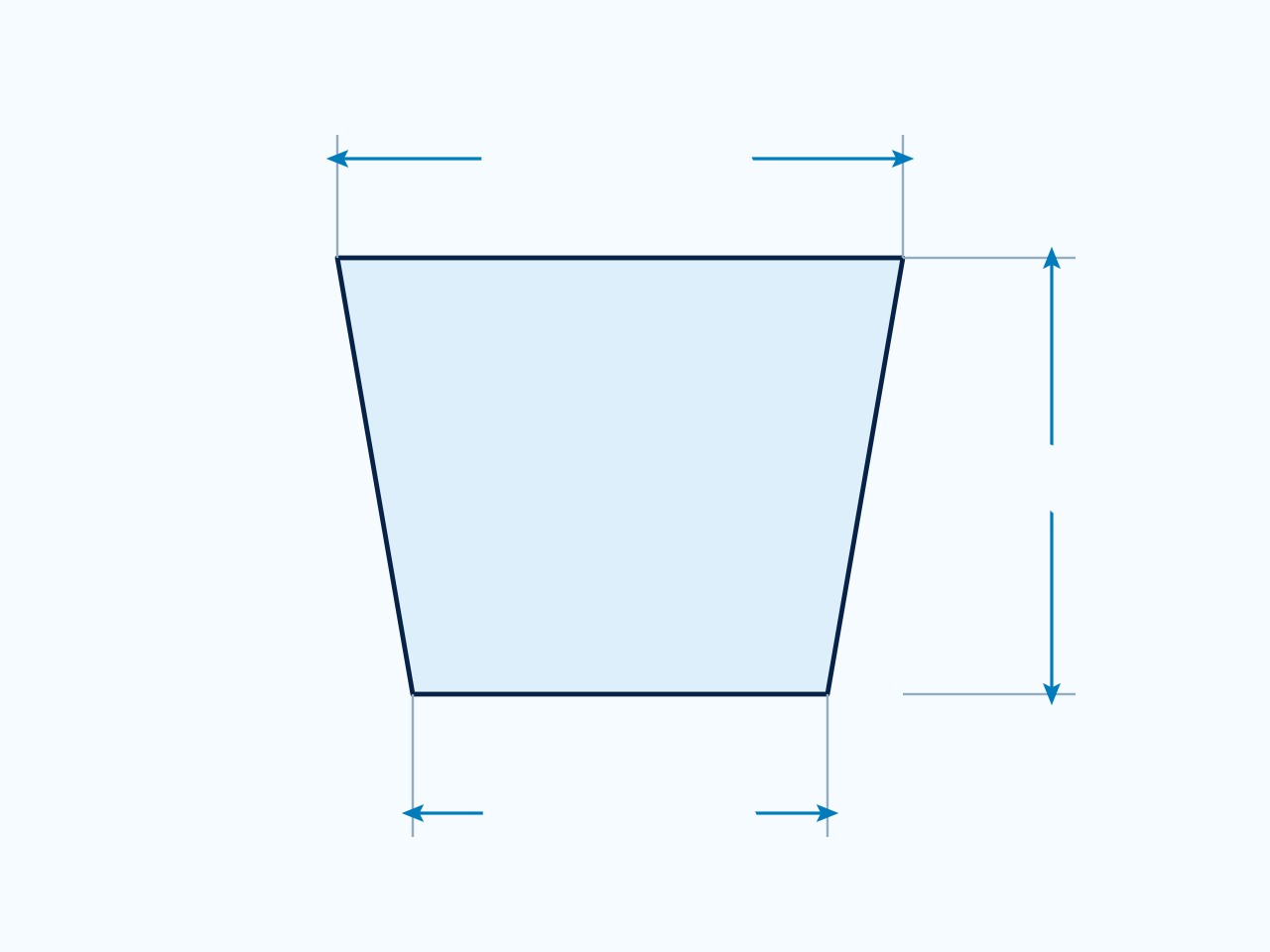
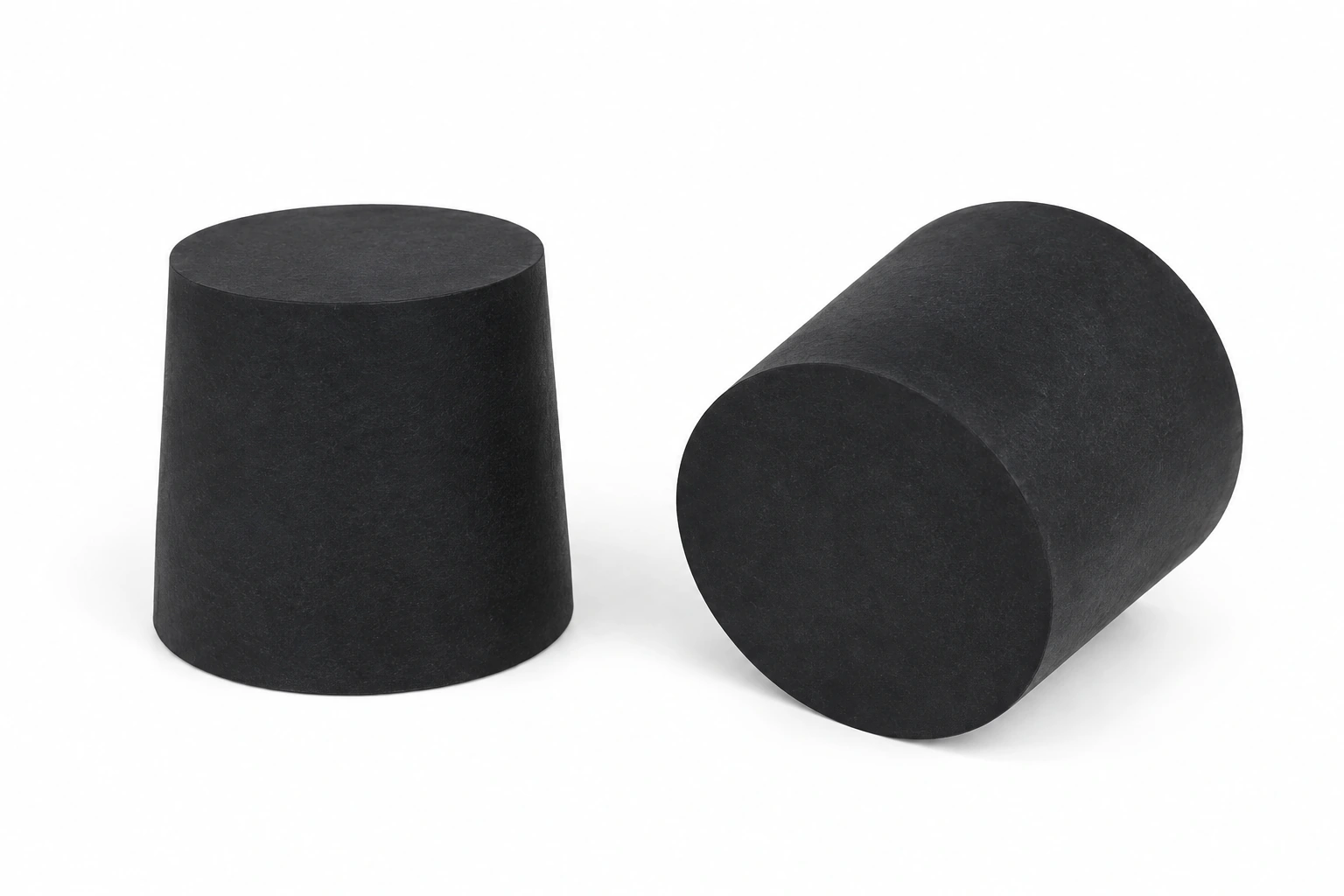
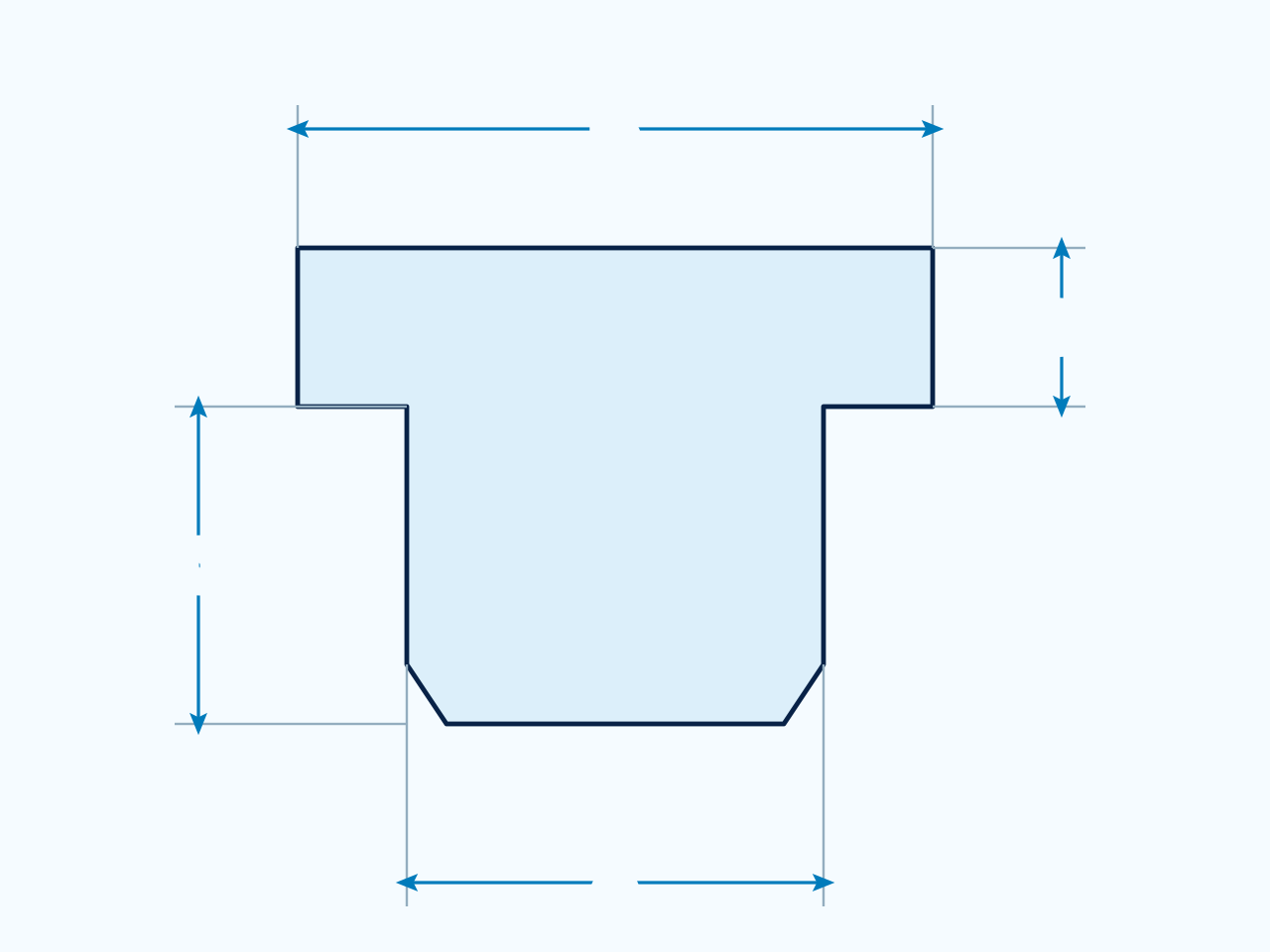
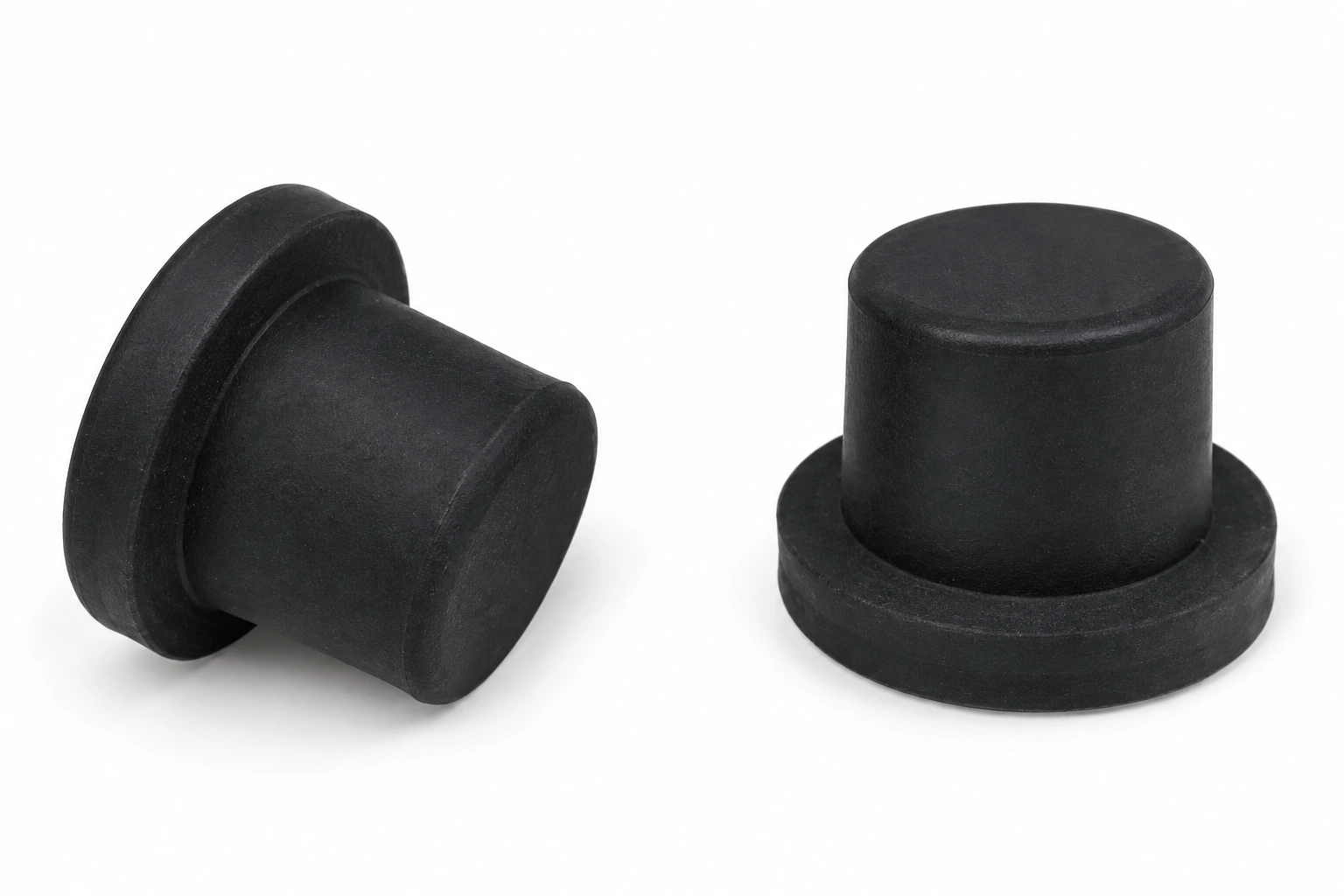
Compare large-end diameter A, small-end diameter B and Height, in mm. The mating bore and required seating depth determine where the taper contacts the opening.
RSB Undercut Plugs
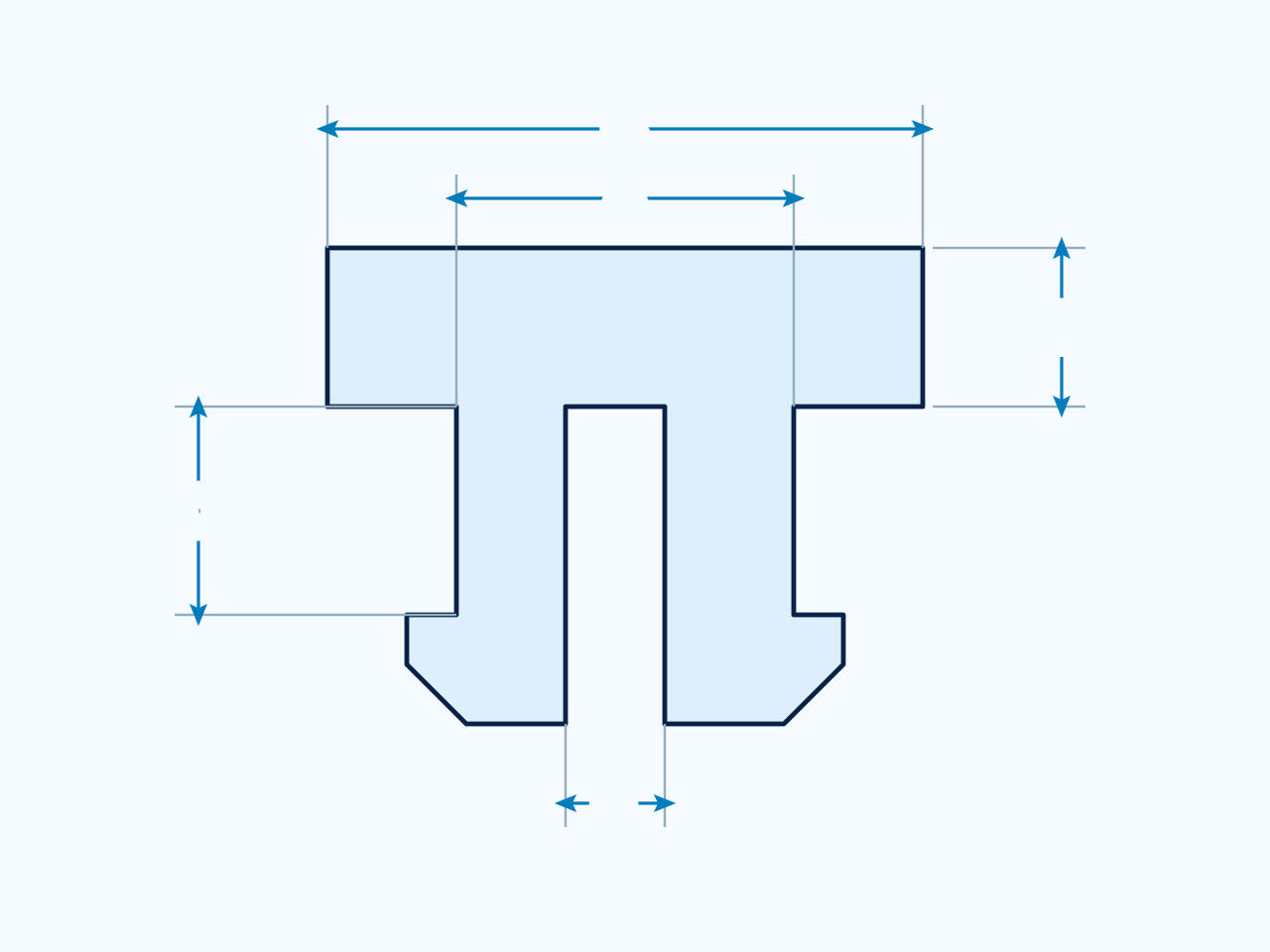
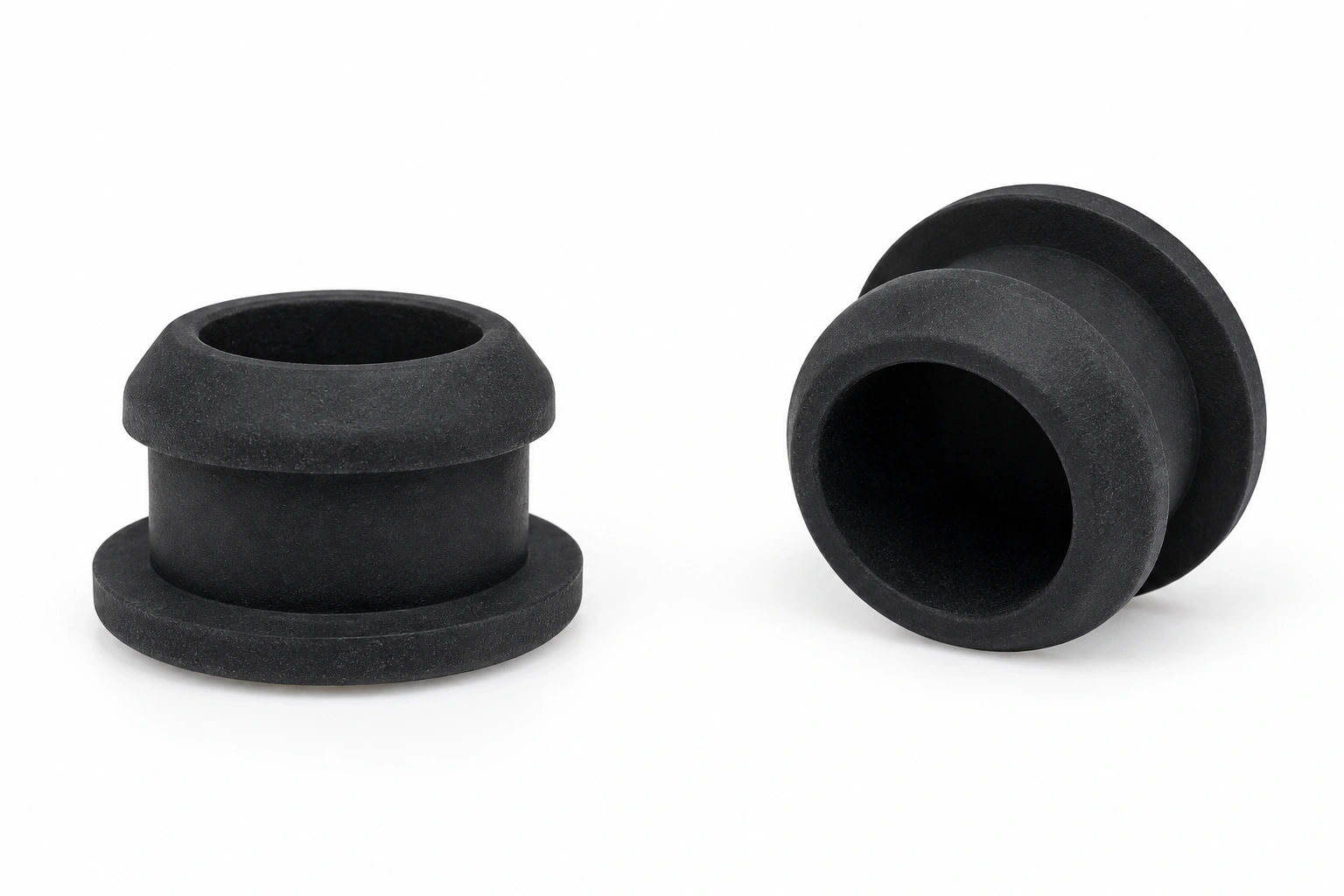
Compare neck diameter A, flange diameter B, flange-to-lip distance C and flange thickness D. Check panel thickness and rear clearance. E refers to the underside recess.
RSD T-Shaped Stoppers
Compare stem diameter A, flange diameter B, stem length C and head thickness D, in mm. Check the seating surface and available depth as well as the hole diameter.
Need a different fit? Share the opening dimensions, mating profile and intended use for a custom size.
Discuss Your RequirementsProduct specifications
- Product form
- Removable closure fitted inside an opening
- Material
- Silicone. Specify the compound grade for the selected service.
- Application focus
- Laboratory vessels. Size the part against the selected assembly.
- Dimensions to confirm
- Opening diameter, closure profile, insertion depth and exposed grip. Match these to laboratory vessels.
- Passage layout
- Dimension each bore, its location and the remaining wall; match it to the tube, probe or fitting passing through.
- Seating check
- Check the sealing contact around the opening and the force needed for insertion and removal.
Need a quote or a custom part?
Send your requirements, drawings or samples to discuss standard and custom silicone rubber parts.
Email us[email protected]