
Silicone tubing food grade
Silicone tubing food grade is an increasingly sought after type of tubing because food grade silicone has begun to replace plastics, especially single-use plastics. Since food grade silicone is an eco-friendly option, it has then become very popular to reduce pollution which is a big global problem.
Silicone tubing food grade has a lot of advantage over plastic tubing used in the food industry. Silicone is much more resistant to damage, especially to damage caused by extremely high and very low temperatures. Silicone can be exposed to temperatures close to 300 degrees Celsius, which is very suitable for the food industry. It is suitable because it can be exposed to such high temperatures during dry heat sterilization, and in the food industry it is necessary for everything to be sterile in order for food to be safe for humans. Also, service life of silicone tubing is incomparably longer because it doesn’t crack. Another advantage is that it is lightweight and can be very flexible. The difference between silicone and food grade silicone is that food grade silicone is 100% non-toxic, does not contain BPA and other harmful chemicals. Recycling of silicone tubing is simple, it does not belong to a special type of waste, called hazardous waste.
In case you need a rigid and not flexible silicone tubing, you can order it from us. Rigidity is affected by the hardness expressed in Shore A, the thickness of the walls as well as whether the silicone is reinforced. The food industry has needs for both flexible and rigid tubing. When it comes to sizes, any size you need is available to you, either too much or after ordering a custom silicone tubing food grade. Transparent silicone tubing is available, as well as multi-color tubing in case you are using a lot of different tubing and you need to quickly figure out which one is which.
Silicone Tubing Size Catalog
Compare inside diameter, outside diameter and listed wall thickness across silicone tube ranges. Confirm the material grade and application requirements for the selected part.
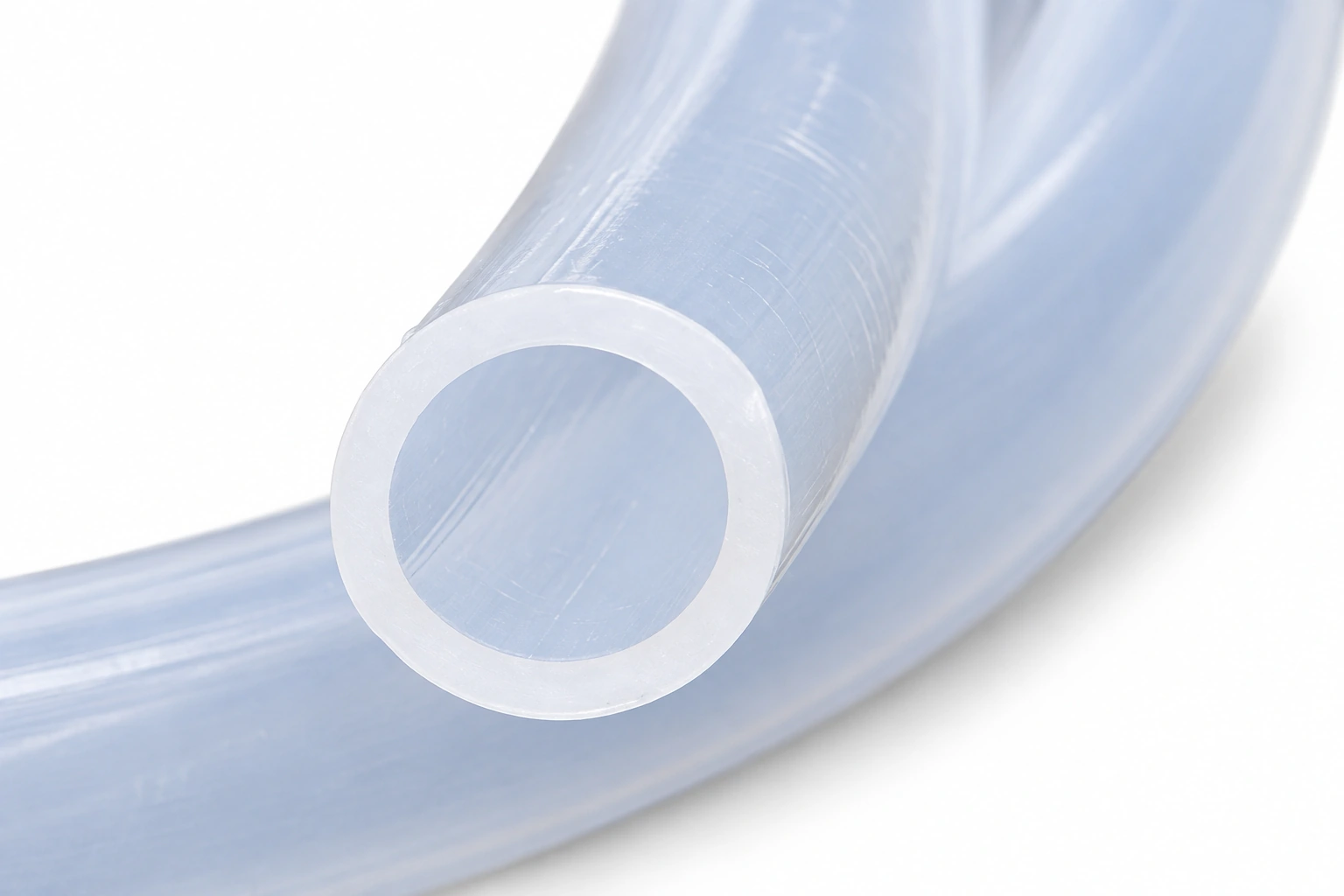
Food grade silicone tube
Compare Inside Diameter and Outside Diameter in mm, together with the listed Thickness and Colour. The cross-section drawing identifies the bore and outside diameter; confirm the selected tube material and service requirements.

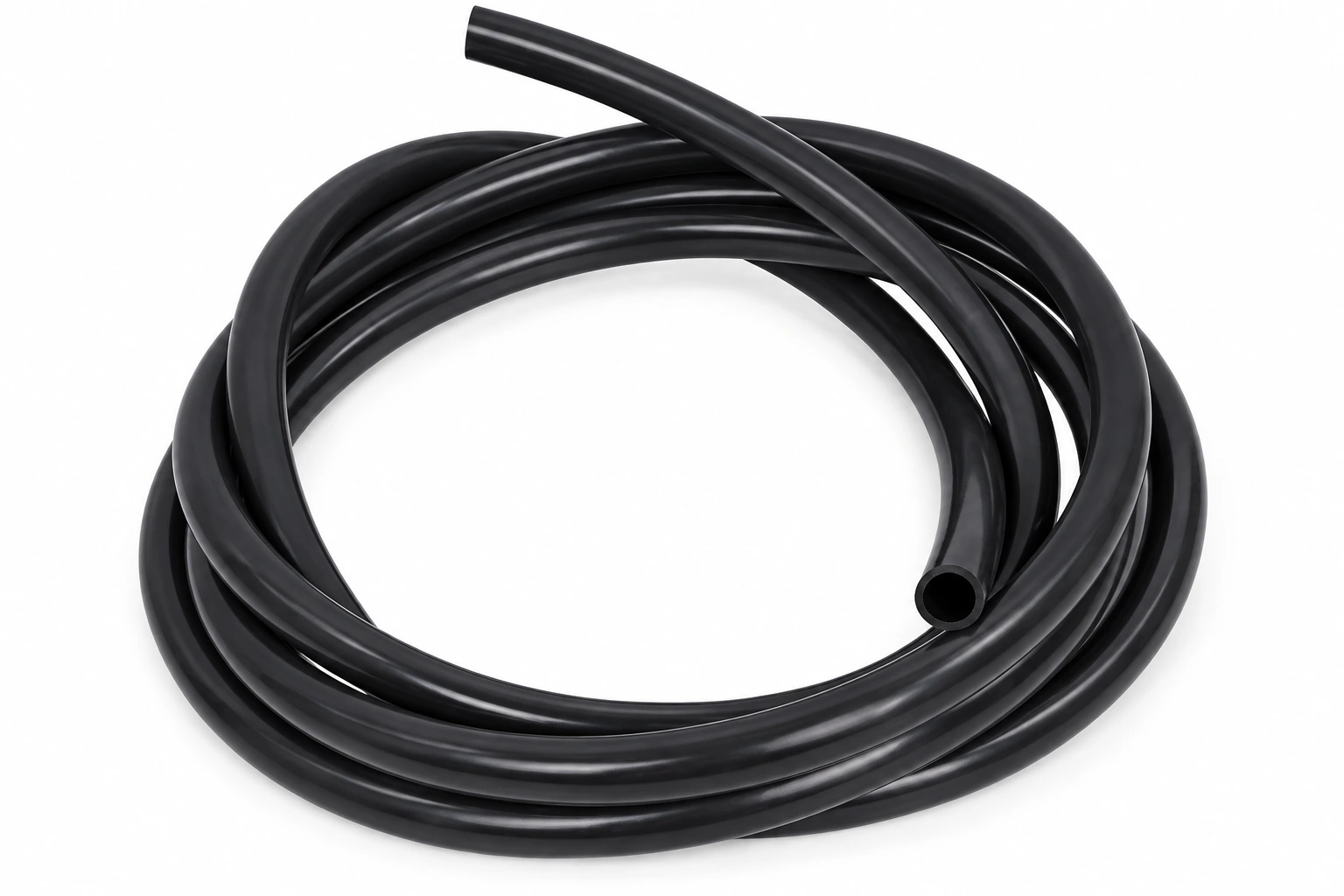
Black silicone tubing
Compare Inside Diameter and Outside Diameter in mm, together with the listed Thickness and Colour. The cross-section drawing identifies the bore and outside diameter; confirm the selected tube material and service requirements.
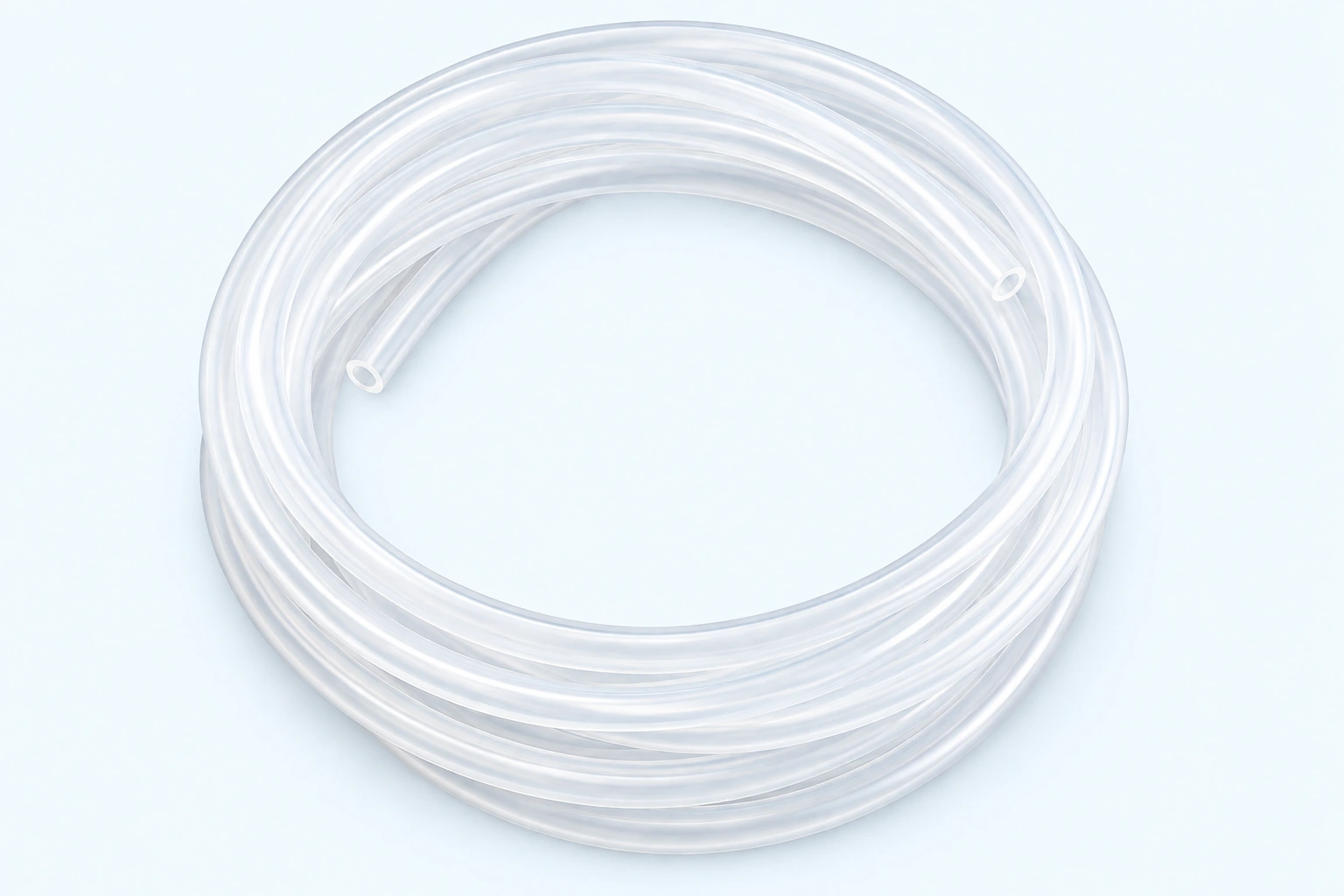
Industrial silicone tube
Compare Inside Diameter and Outside Diameter in mm, together with the listed Thickness and Colour. The cross-section drawing identifies the bore and outside diameter; confirm the selected tube material and service requirements.
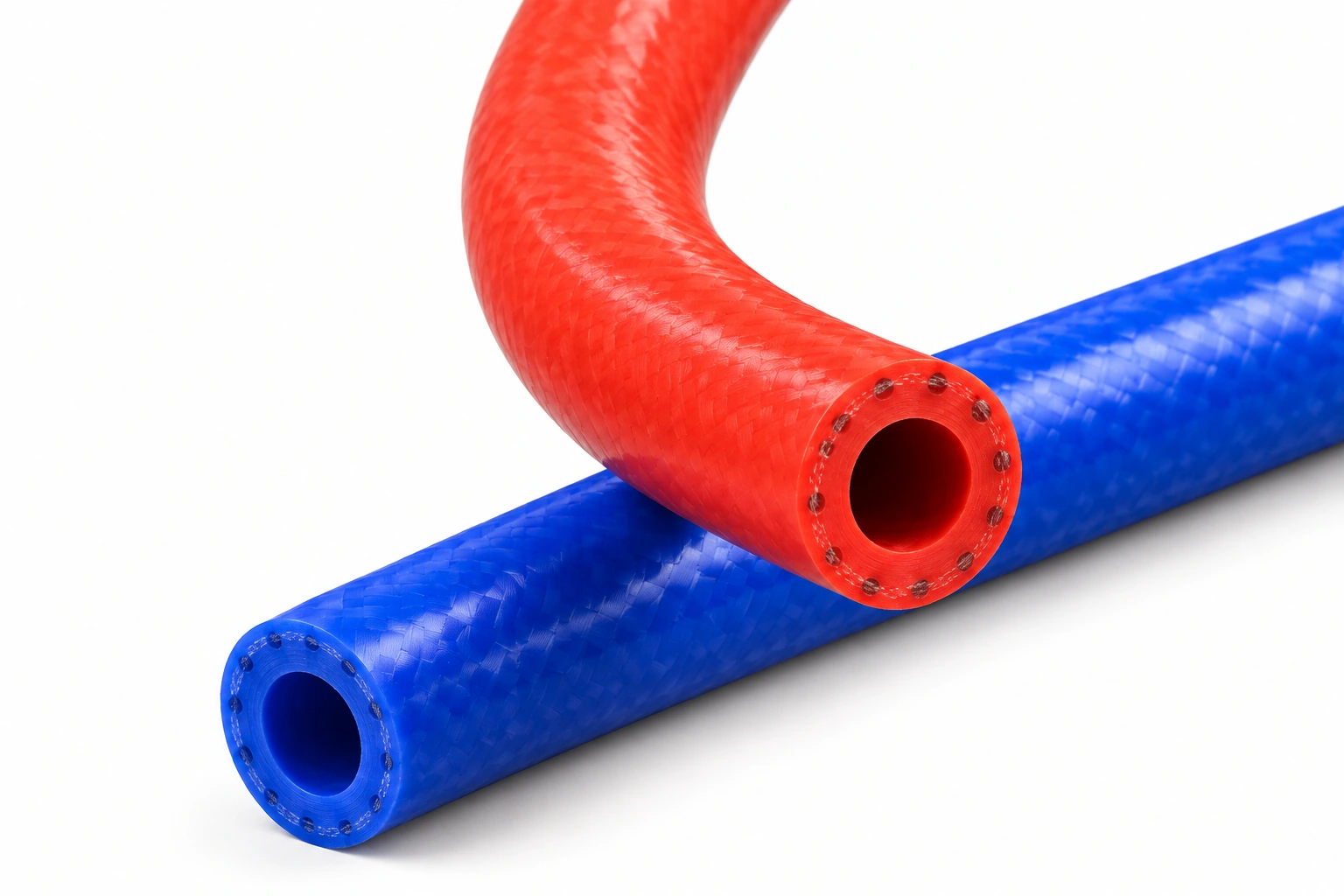
Colourful silicone braided tube
Compare Inside Diameter and Outside Diameter in mm, together with the listed Thickness and Colour. The cross-section drawing identifies the bore and outside diameter; confirm the selected tube material and service requirements.
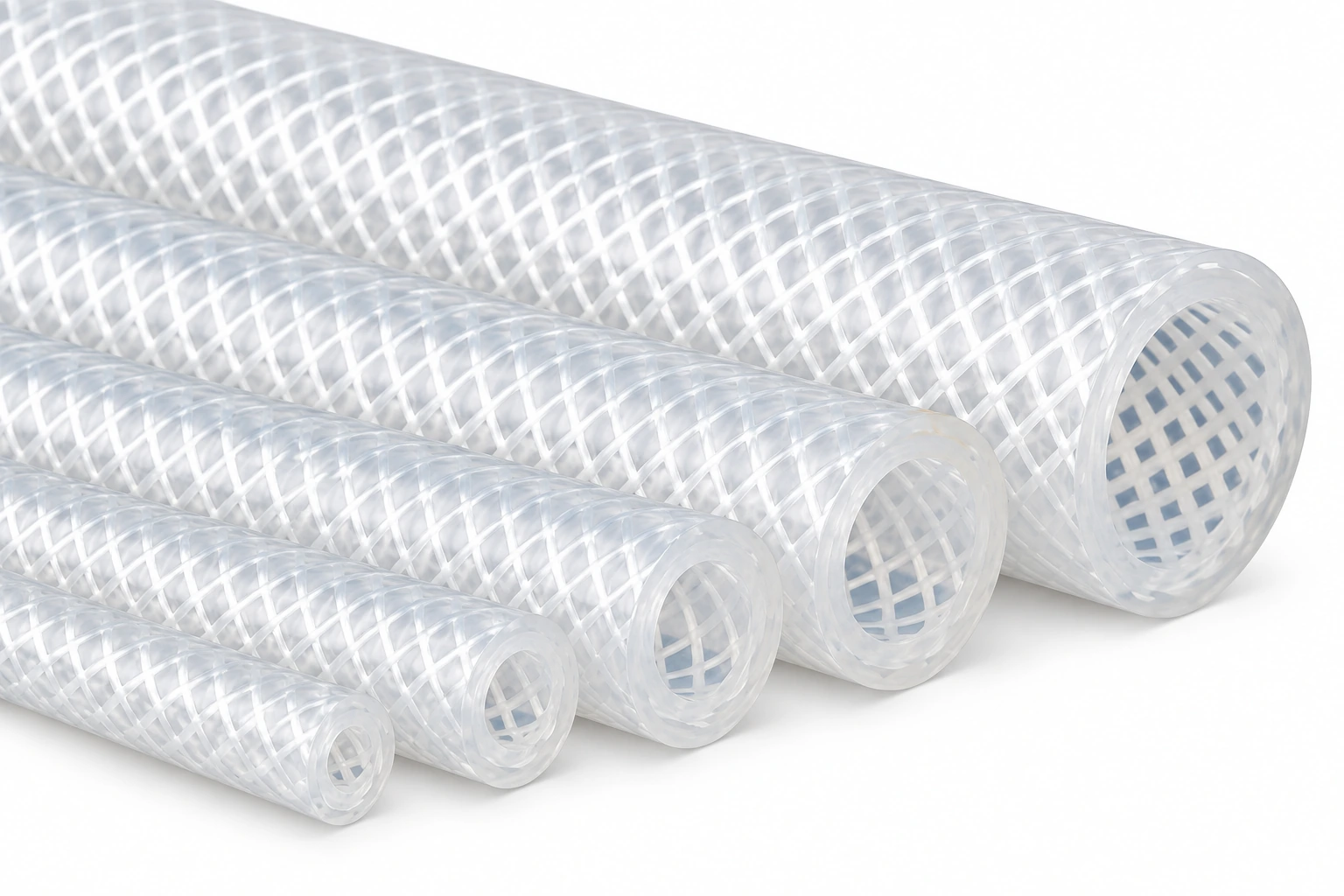
Food grade silicone braided tube
Compare Inside Diameter and Outside Diameter in mm, together with the listed Thickness and Colour. The cross-section drawing identifies the bore and outside diameter; confirm the selected tube material and service requirements.
Need a different size? Share your drawing, mating dimensions and intended use to discuss a suitable part.
Discuss Your RequirementsProduct specifications
- Product form
- Hollow elastomer tubing for a fitted line or sleeve
- Material
- Silicone. Specify the compound grade for the selected service.
- Application focus
- Food-processing equipment. Size the part against the selected assembly.
- Dimensions to confirm
- Inside diameter, outside diameter, wall thickness and cut length. Match these to food-processing equipment.
- Food-contact qualification
- Identify the food, contact time and cleaning cycle; obtain documentation for the selected finished compound and intended use.
- Contact conditions
- Food ingredients: define concentration, temperature and contact time, then check compatibility with the chosen compound.
- Cleaning and reuse
- Specify the cleaning or sterilization cycle discussed for the application, including temperature, duration and permitted reuse.
- Line layout
- Check bend radius, unsupported spans and clearance at both connections.
Need a quote or a custom part?
Send your requirements, drawings or samples to discuss standard and custom silicone rubber parts.
Email us[email protected]