
Silicone tubing sizes
Silicone is one of the very useful materials that has found application in industrial and domestic conditions, most often in the form of silicone tubings, thanks to its many practical properties. People often use silicone tubings to insulate or enhance certain parts of the home, but they can be used for hobby purposes and various DIY projects. Not to mention how important these items are to the automotive, electrical, food and many other industries. Because of all this, our company has decided to produce silicone tubing and provide customers with many different silicone tubing sizes, in order to fit the desired purpose, regardless of what it is.
Silicone tubings can be classified into several different groups, depending on the characteristics and final purpose, but what they all have in common are phenomenal properties: resistance, longevity, flexibility and low toxicity. You will agree that these are useful properties pretty much for any industry or household. Silicone is resistant to extremely high and extremely low temperatures, the action of mechanical pressure and other physical factors that are often a problem when it comes to other materials. Also, our silicone tubings are inert, which means that they do not easily react chemically with other materials, which is also suitable for all industries, but especially for chemical and food.
As we mentioned, silicone tubing sizes vary greatly depending on their purpose. For example, small silicone tubings are most commonly used as wire and cable insulators. They have very thin walls and favorable elastic properties that protect the wires from friction and pressure and ensure that they remain in the best possible condition over time, and this has a very beneficial effect when it comes to protecting household members from potential injuries. Medium sizes silicone tubing is most common in the chemical and food industries, where it is used to transport liquids and gases. It is crucial for such silicone tubings to meet quality requirements in terms of cleanliness and hygiene standards.
Silicone Tubing Size Catalog
Compare inside diameter, outside diameter and listed wall thickness across silicone tube ranges. Confirm the material grade and application requirements for the selected part.
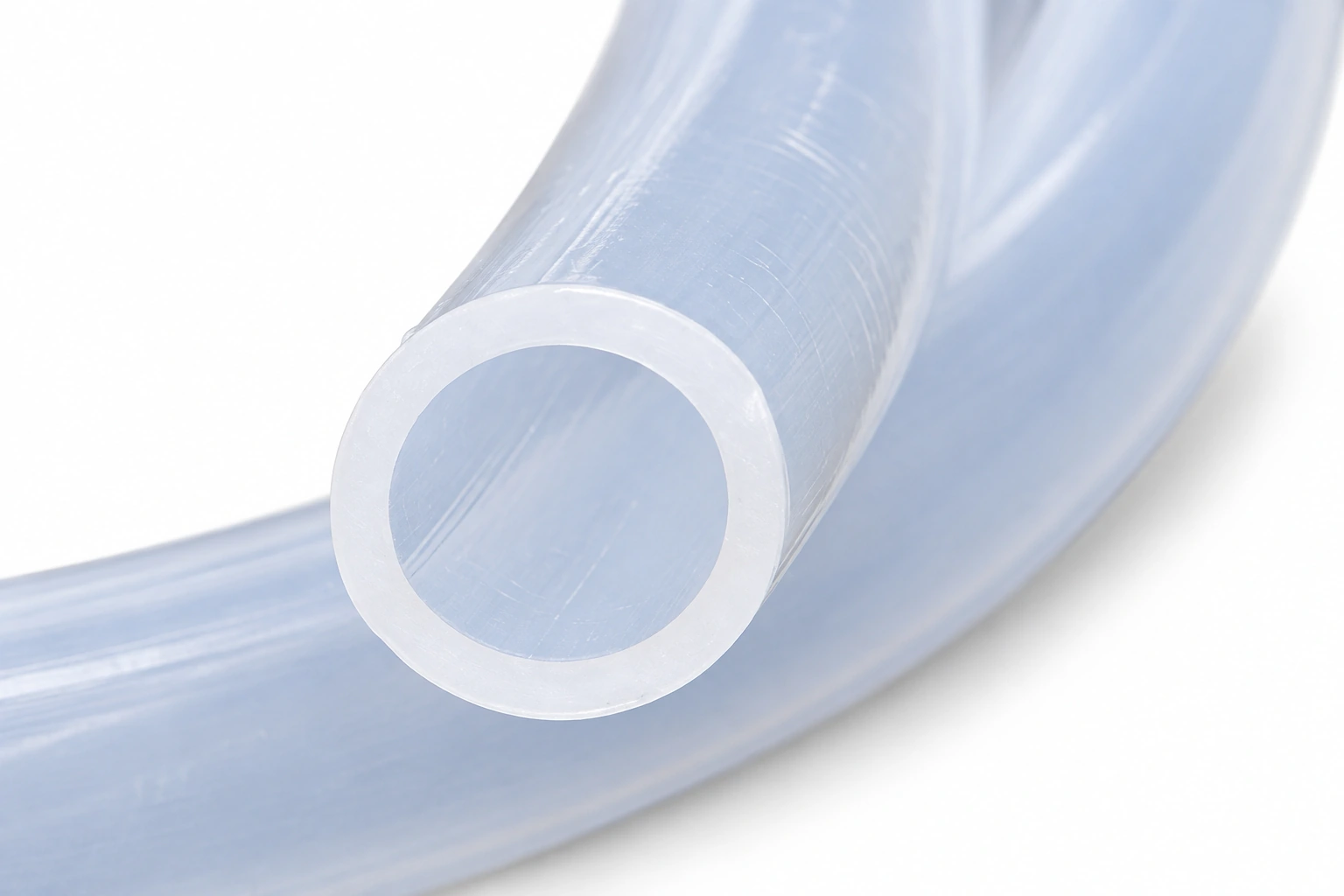
Food grade silicone tube
Compare Inside Diameter and Outside Diameter in mm, together with the listed Thickness and Colour. The cross-section drawing identifies the bore and outside diameter; confirm the selected tube material and service requirements.

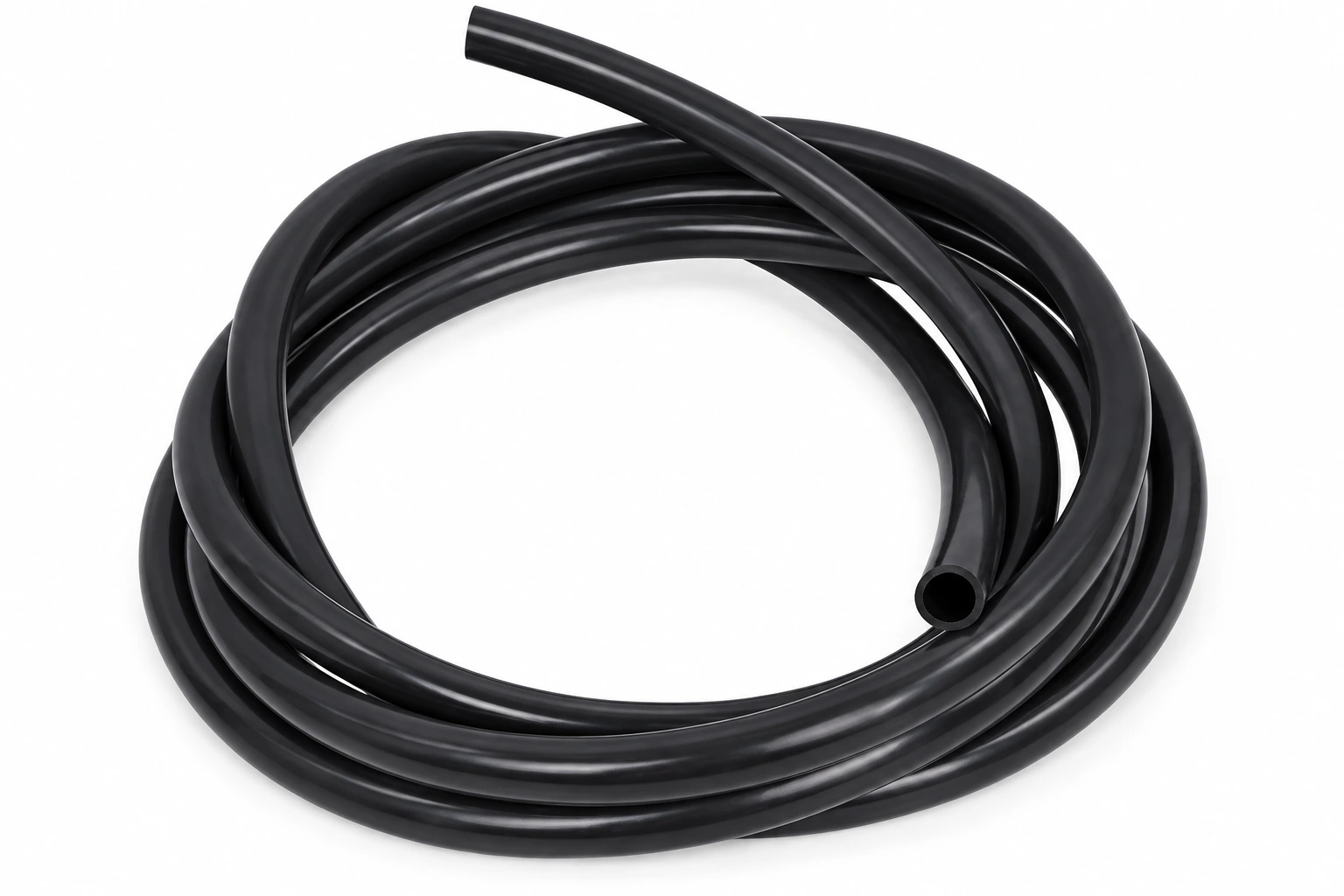
Black silicone tubing
Compare Inside Diameter and Outside Diameter in mm, together with the listed Thickness and Colour. The cross-section drawing identifies the bore and outside diameter; confirm the selected tube material and service requirements.
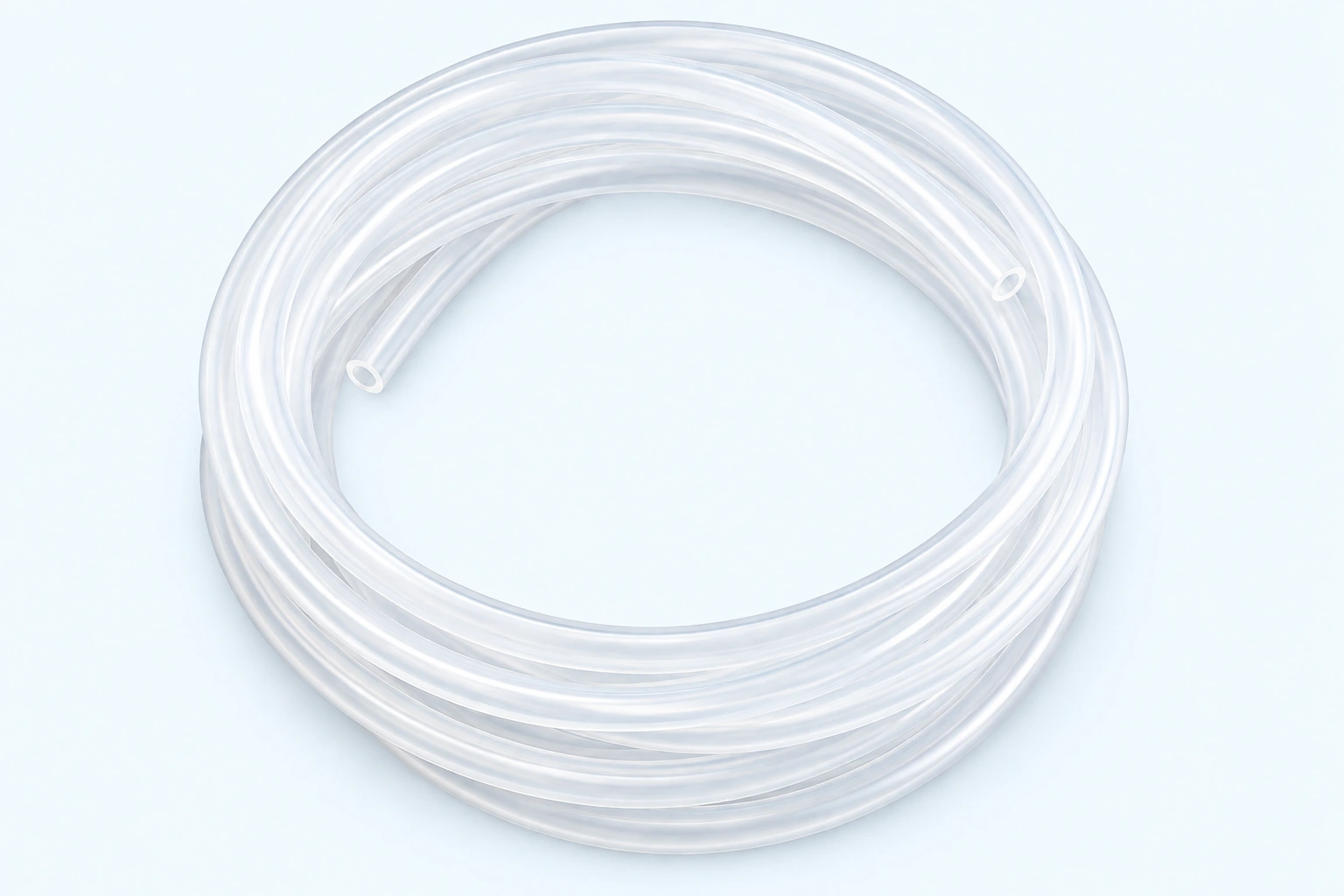
Industrial silicone tube
Compare Inside Diameter and Outside Diameter in mm, together with the listed Thickness and Colour. The cross-section drawing identifies the bore and outside diameter; confirm the selected tube material and service requirements.
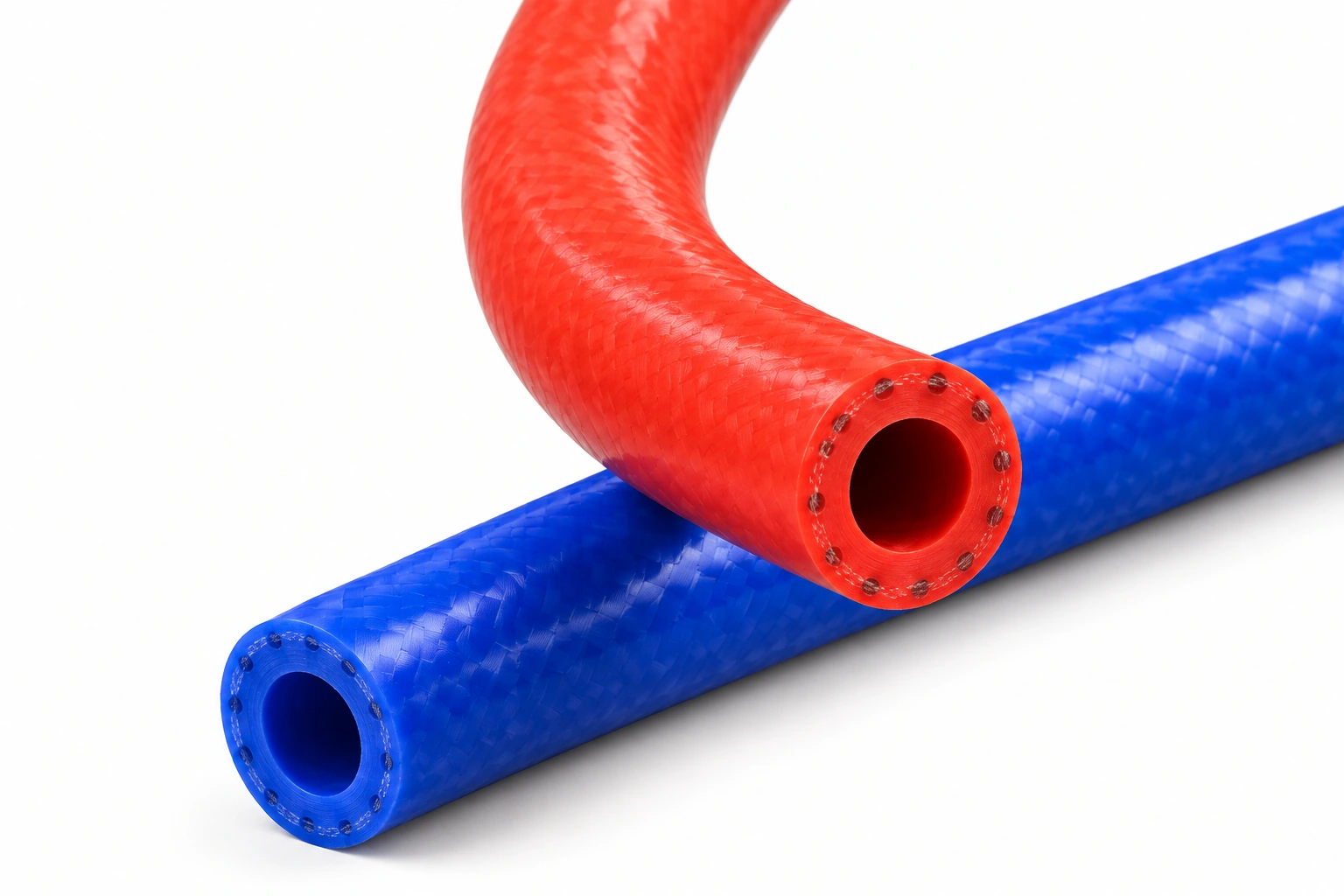
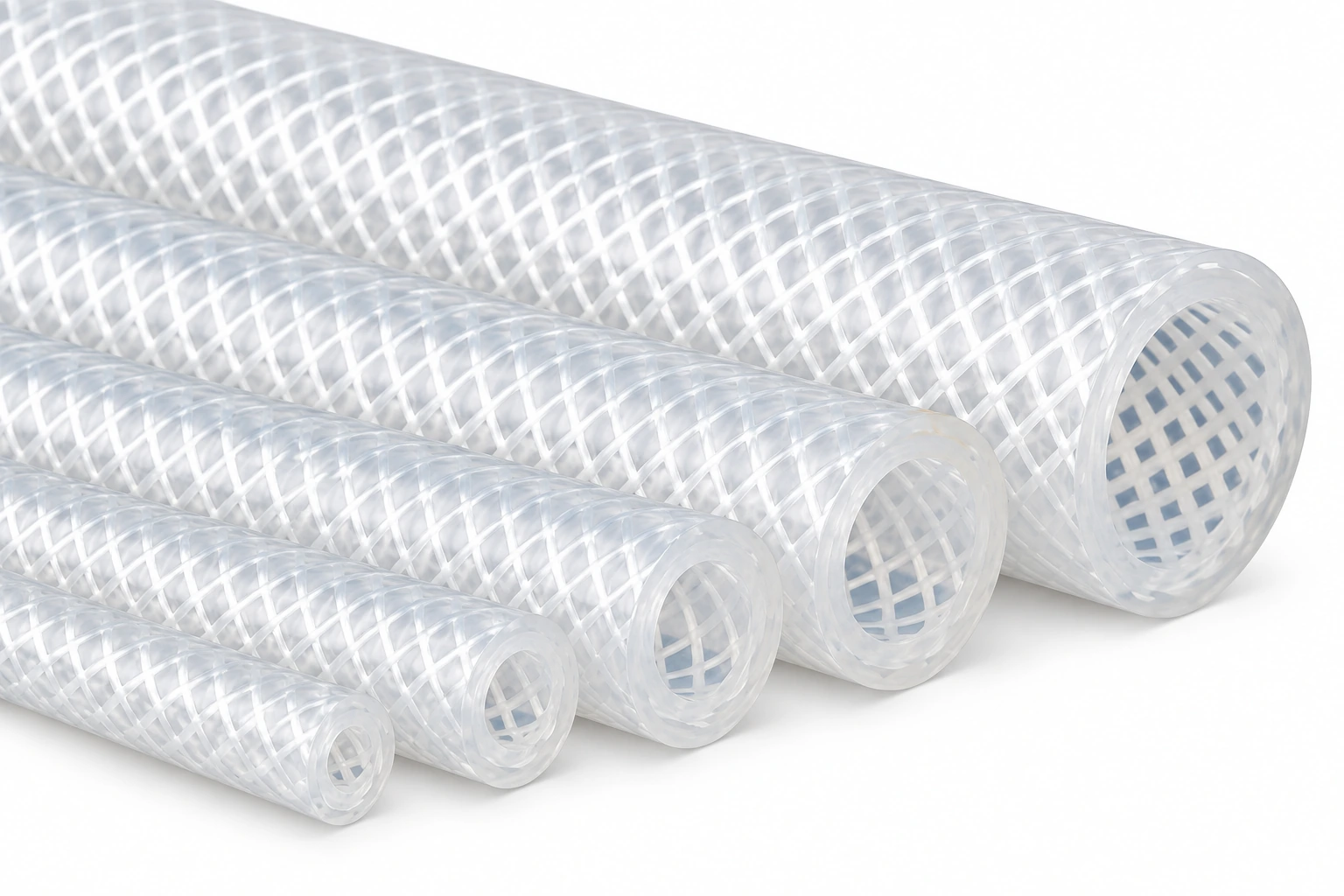
Colourful silicone braided tube
Compare Inside Diameter and Outside Diameter in mm, together with the listed Thickness and Colour. The cross-section drawing identifies the bore and outside diameter; confirm the selected tube material and service requirements.
Food grade silicone braided tube
Compare Inside Diameter and Outside Diameter in mm, together with the listed Thickness and Colour. The cross-section drawing identifies the bore and outside diameter; confirm the selected tube material and service requirements.
Need a different size? Share your drawing, mating dimensions and intended use to discuss a suitable part.
Discuss Your RequirementsProduct specifications
- Product form
- Hollow elastomer tubing for a fitted line or sleeve
- Material
- Silicone. Specify the compound grade for the selected service.
- Application focus
- Industrial fluid lines, vehicle hose runs, food-processing equipment and cable sleeving. Size the part against the selected assembly.
- Dimensions to confirm
- Inside diameter, outside diameter, wall thickness and cut length. Match these to industrial fluid lines and vehicle hose runs.
- Size selection
- Choose the drawing or chart row by its functional dimensions and units; verify mating-part tolerances before ordering.
- Contact conditions
- Food ingredients and other gases: define concentration, temperature and contact time, then check compatibility with the chosen compound.
- Line layout
- Check bend radius, unsupported spans and clearance at both connections.
Need a quote or a custom part?
Send your requirements, drawings or samples to discuss standard and custom silicone rubber parts.
Email us[email protected]