
Small round rubber feet
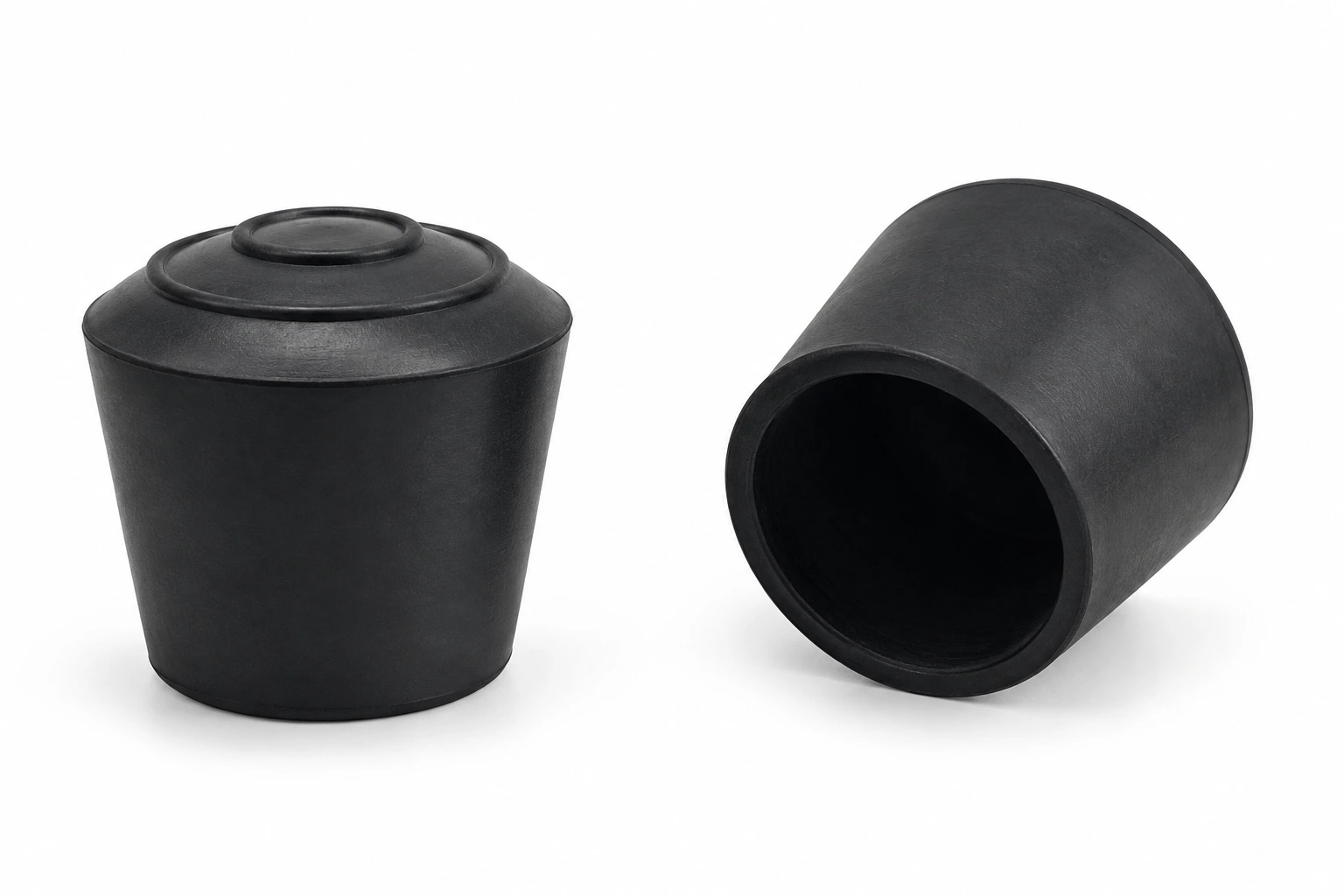
Round rubber feet are primarily intended as table and chair legs that are of round cross-section. However, depending on the size, the purpose of these rubber feet also depends. The tire from which they are made is a high-quality tire and is quite solid. The small round rubber feet reduce friction, increase stability and reduce noise when two surfaces have contact. Manufacturers of round rubber feet produce in different shapes and sizes.
There are also small round rubber feet with a metal core and rubber around them. There is a screw thread in the metal core so that it can be stably attached to the furniture legs. This ensures that the furniture will not slip or make noise when rubbing. They are usually small in size to fit easily and be as inconspicuous as possible
For a round foot without a mechanical fixing, an adhesive base offers a different mounting option. Check that the circular bonding area fits entirely on a flat part of the furniture or equipment. The footprint should not bridge a recessed fastener or extend beyond a narrow edge. Mark the locations of the complete set before removing the liners, then fit the pads using the conditions appropriate to the adhesive. Compare the resulting support height at each location and check for rocking on the normal resting surface. A round outline can simplify positioning, but it does not make every surface suitable for the same adhesive. The substrate, surface finish and applied load remain part of selecting the foot.
Small round rubber feet can also be transparent, so as not to harm the aesthetic appearance and be striking. These transparent rubber feet are very often used as protection of walls from door handles, knock doors or small kitchen doors. It will reduce noise when closing drawers and cabinets. The pounding of the board on the toilet was solved in an instant.
Rubber Feet & Bumper Size Catalog
Compare mounting style, overall size and recess dimensions. Each profile uses its own drawing and column meanings.
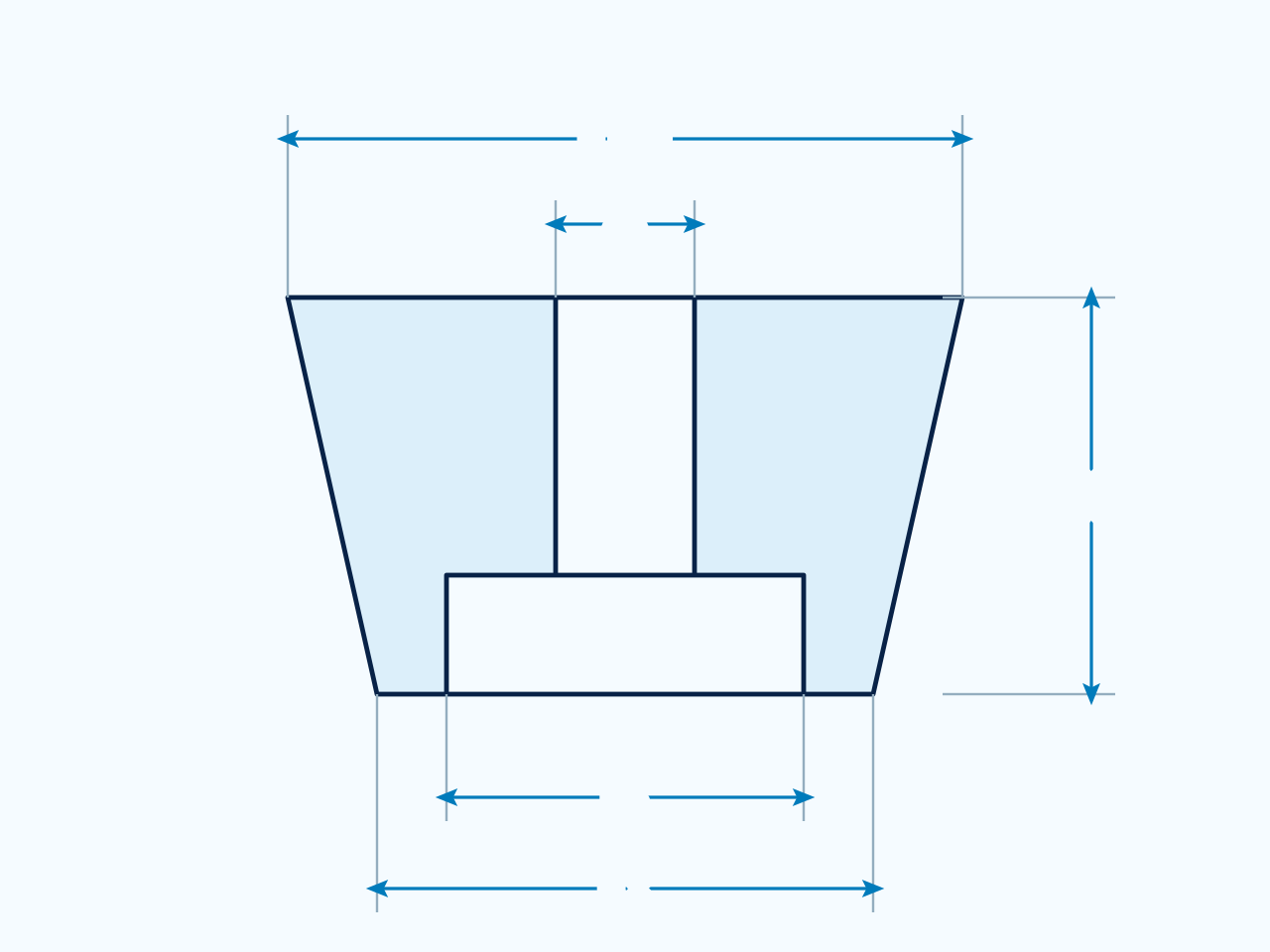
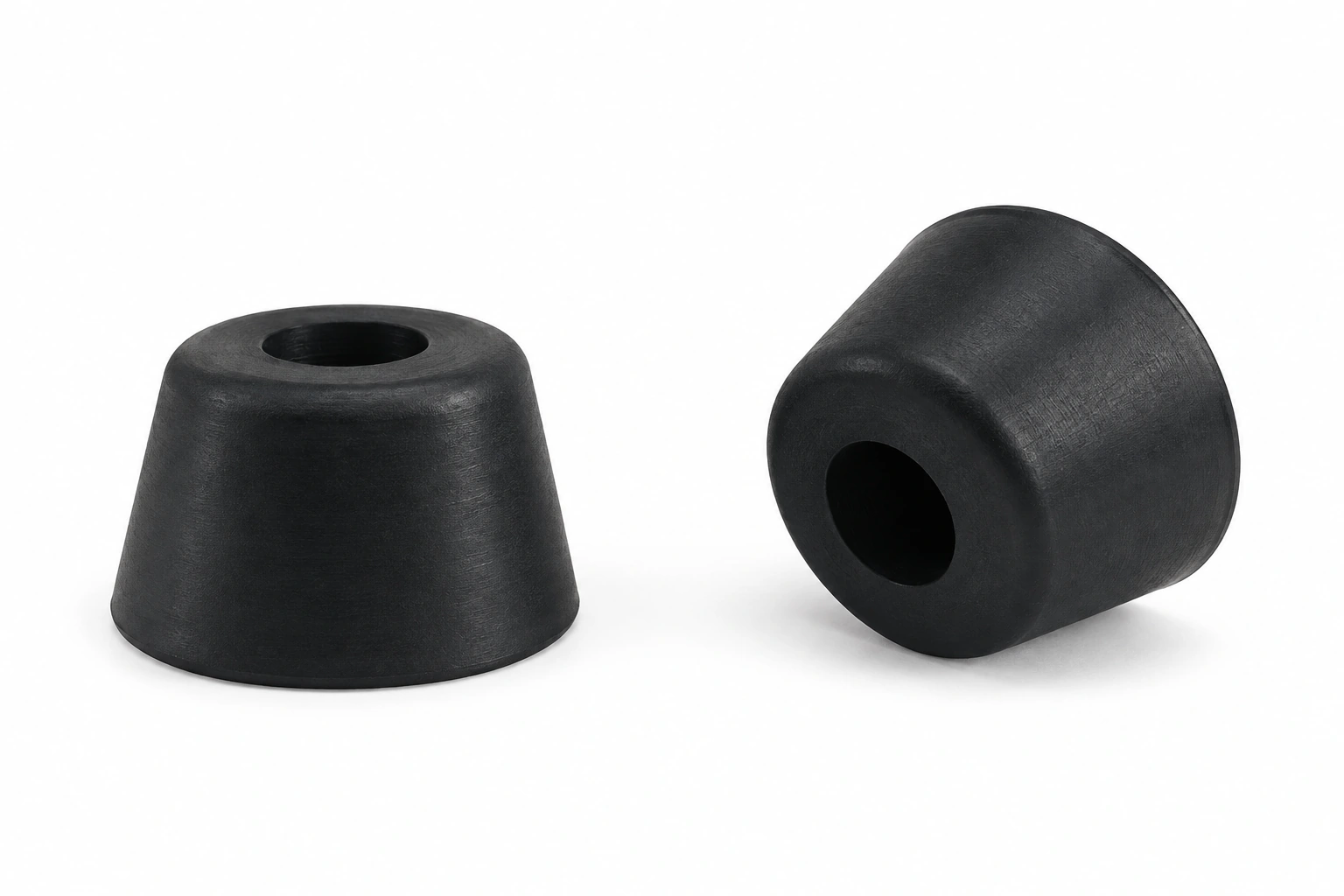
Recess Rubber Bumper
Compare OD, H, A, B and C in mm. C indicates the outer base dimension on this bumper profile, not the recess depth.
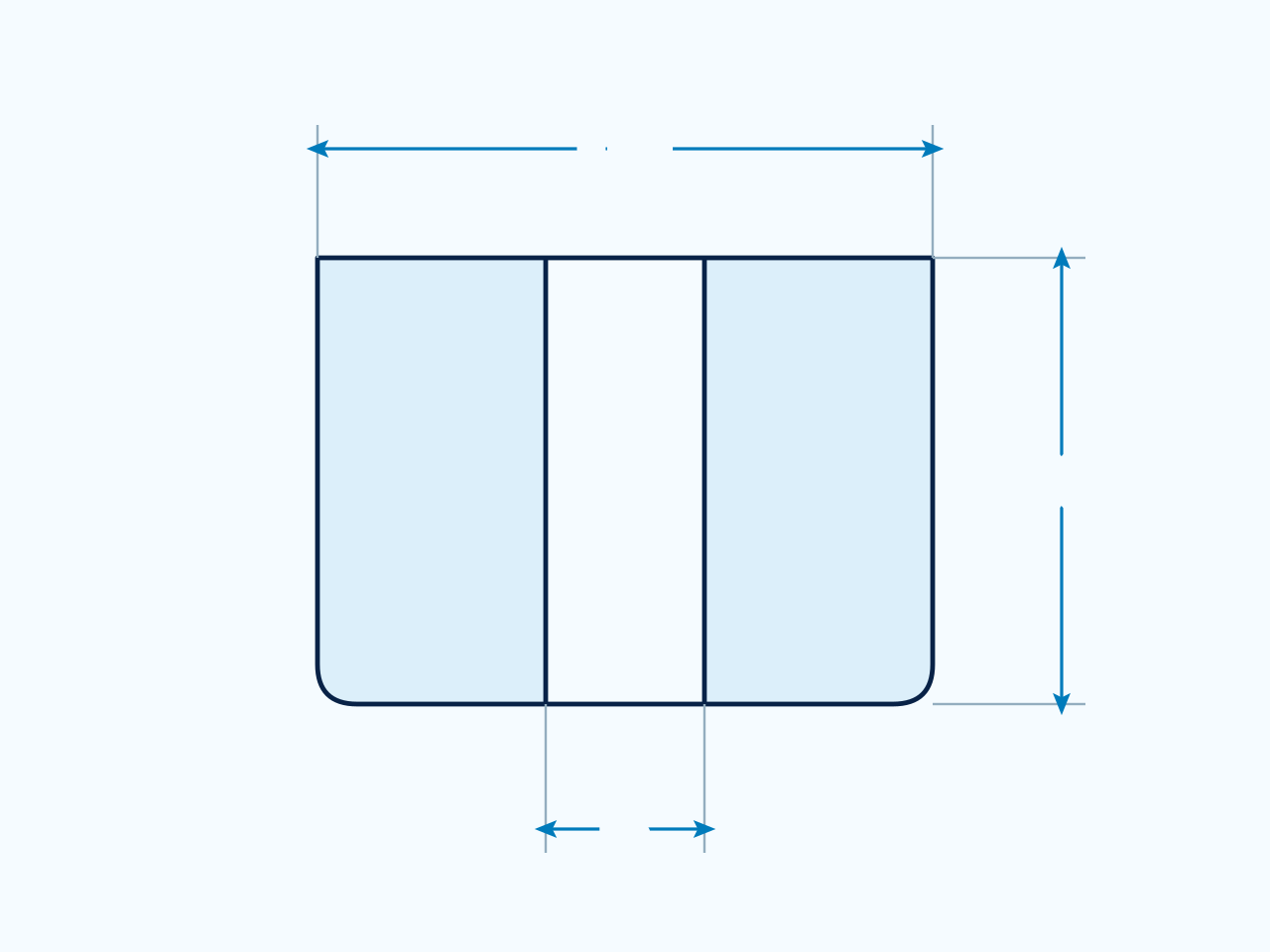
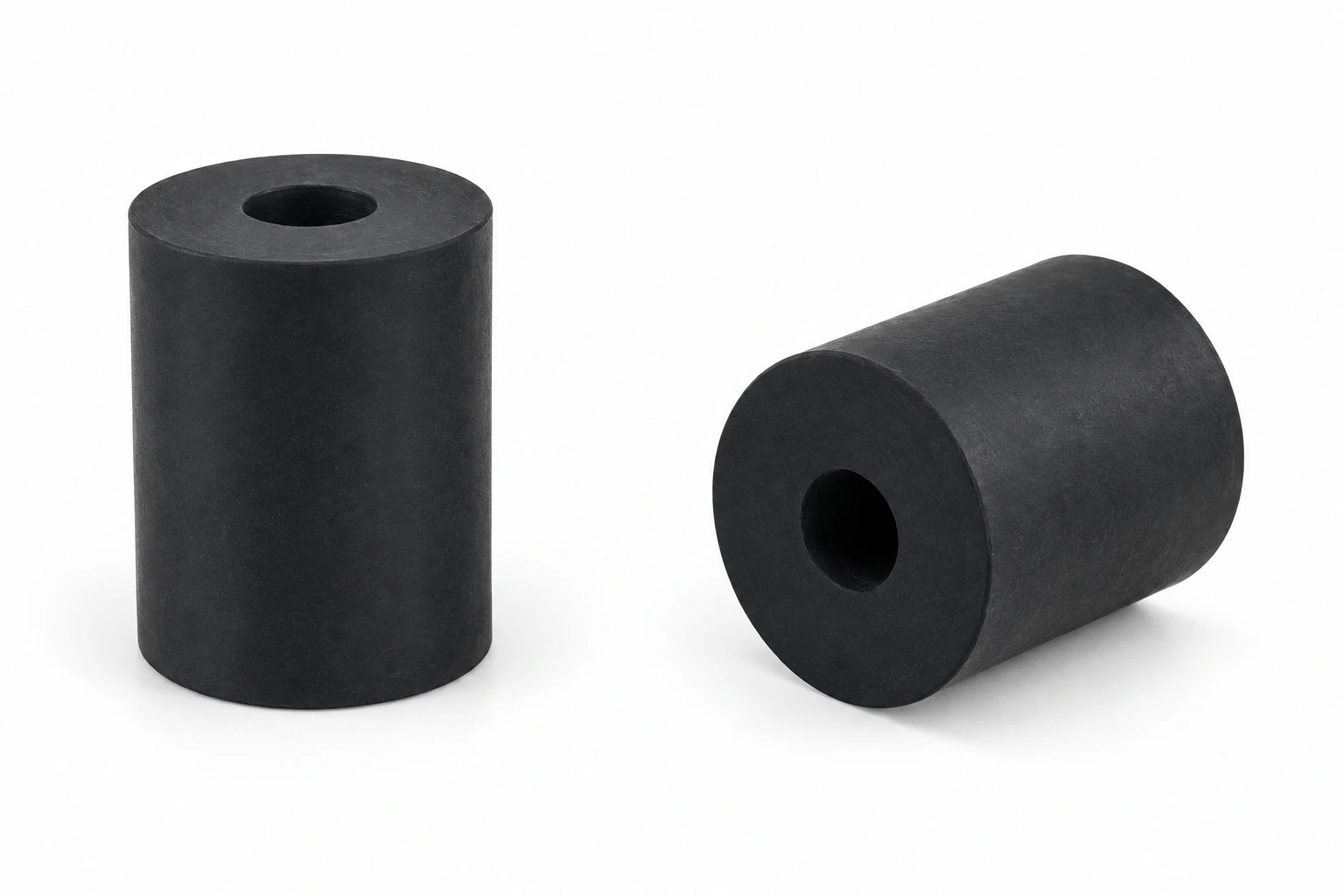
Cylindrical Rubber Feet
Compare OD, H and B in mm using the cylindrical-foot drawing. Material and colour remain listed separately.
Recess Rubber Feet
Compare OD, H, A, B and C in mm. C indicates the recess depth on this feet profile.
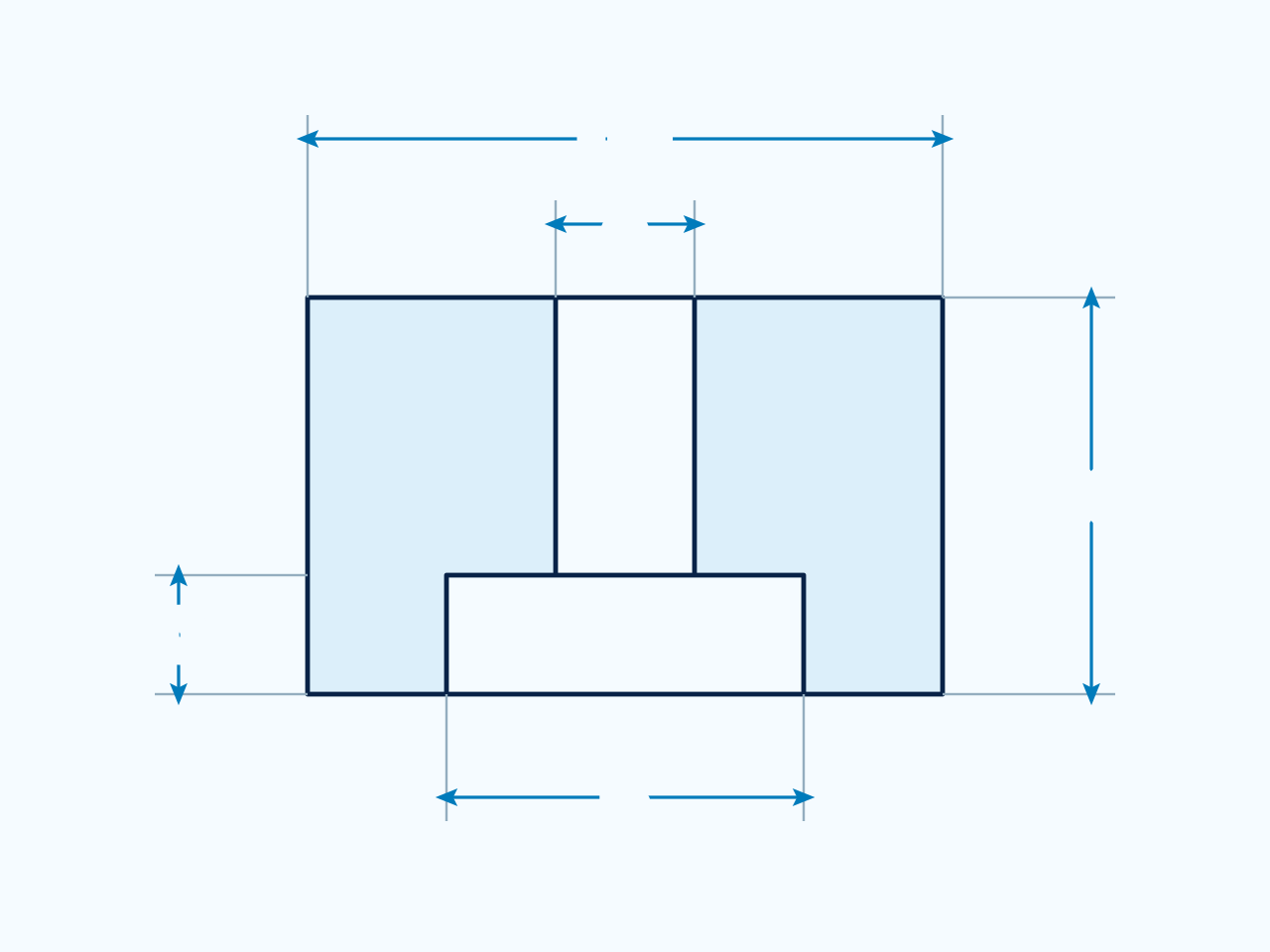
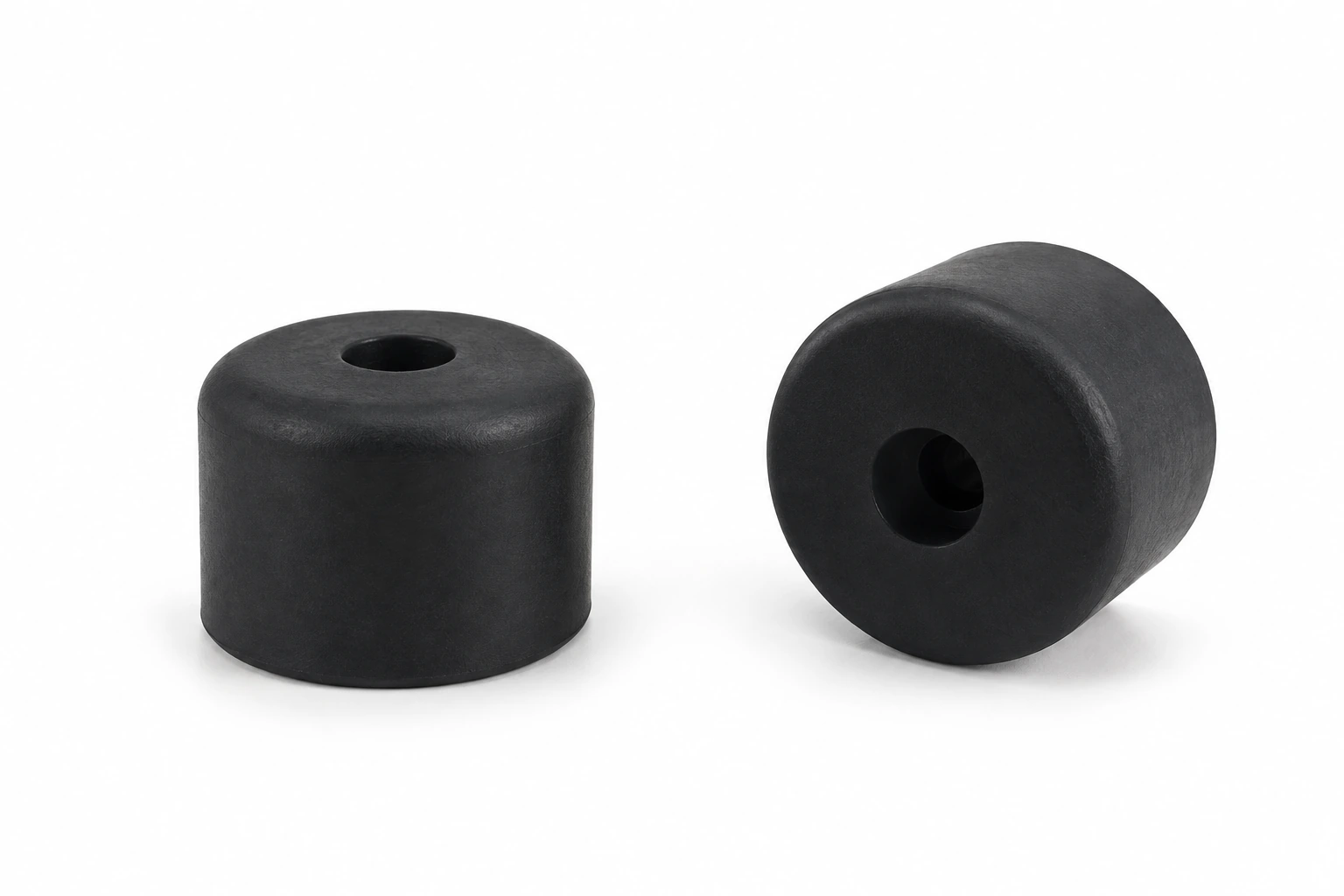
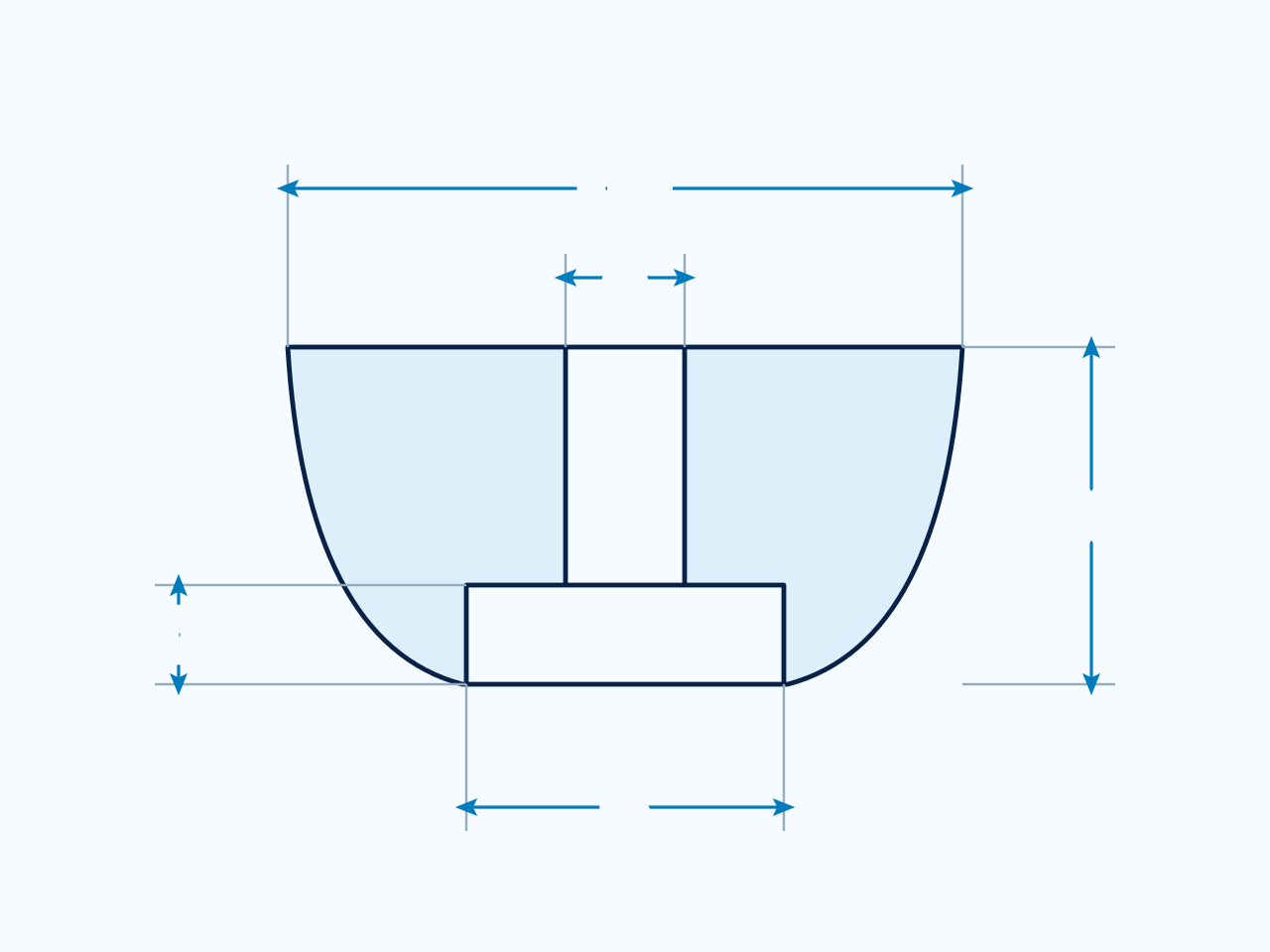
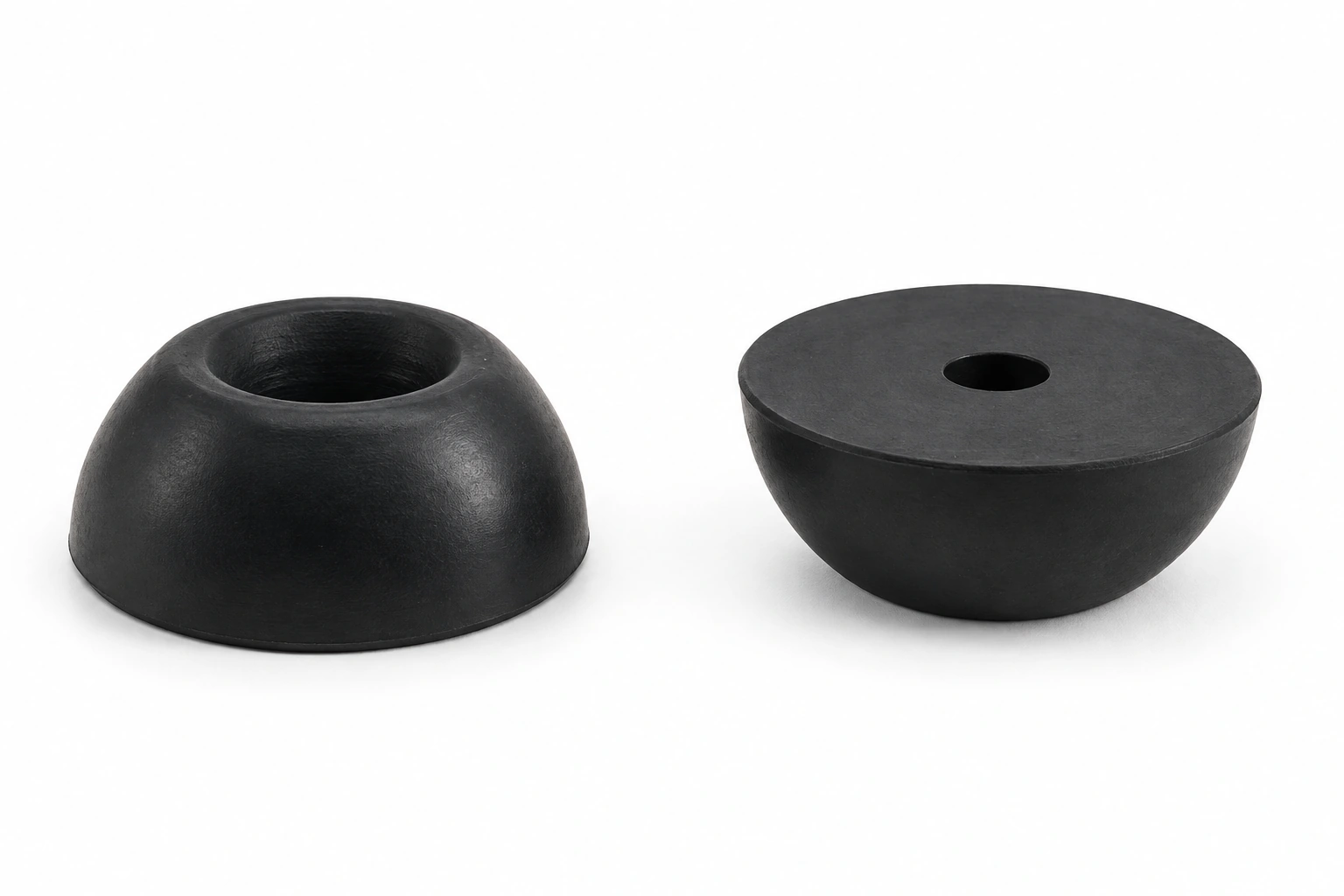
Hemispherical Rubber Bumper
Compare OD, H, A, B and C in mm using the hemispherical-bumper drawing.
Rubber Tips
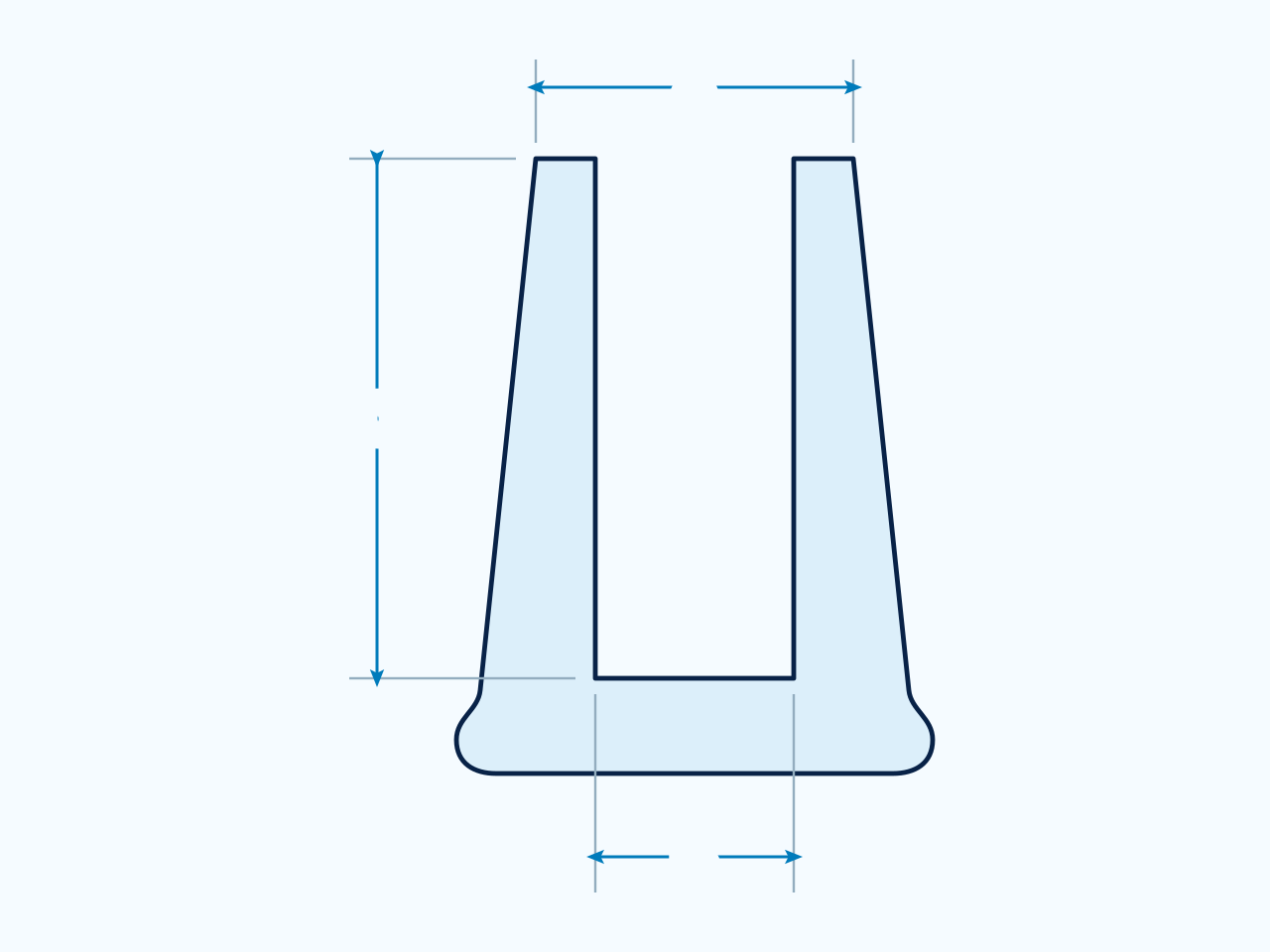
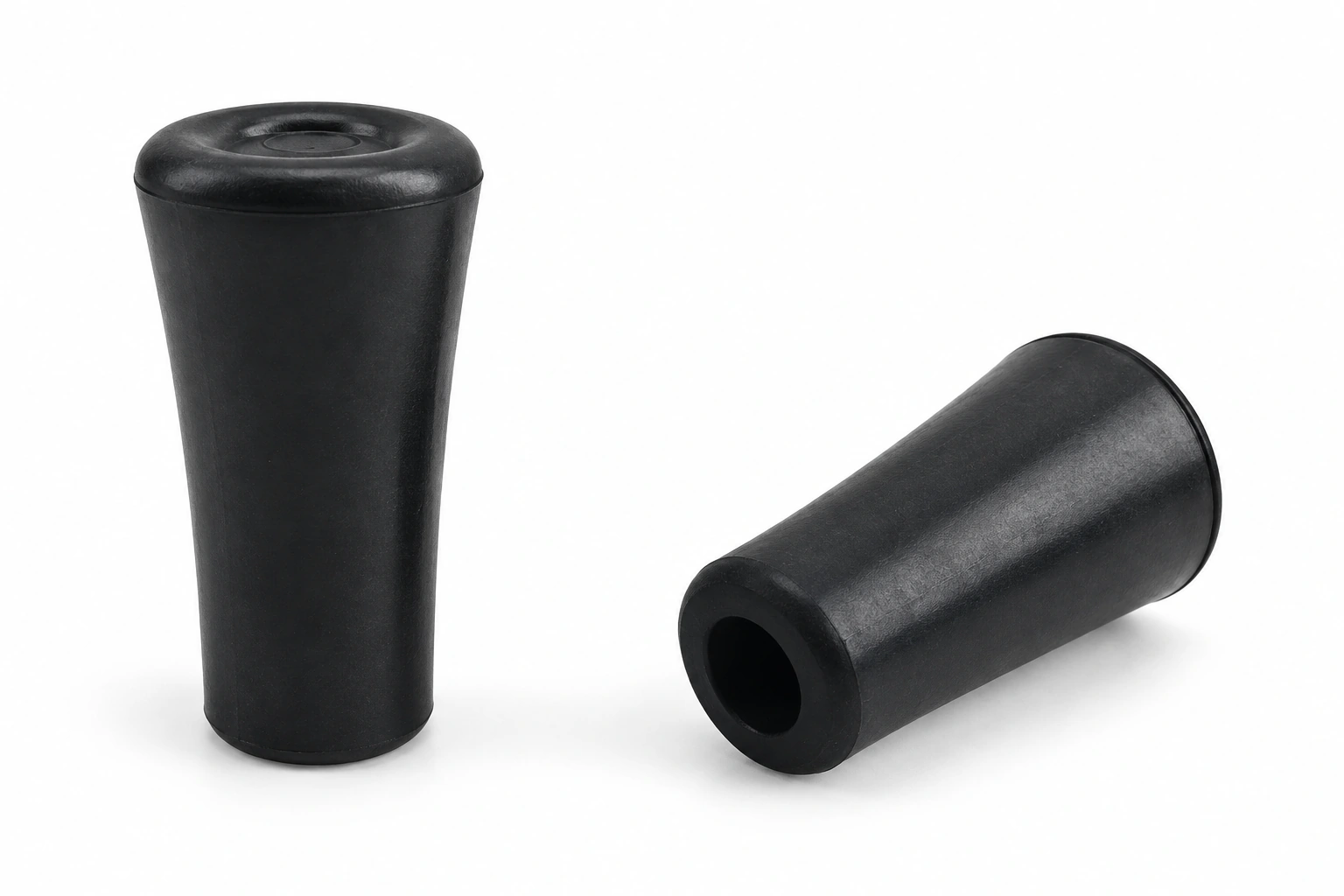
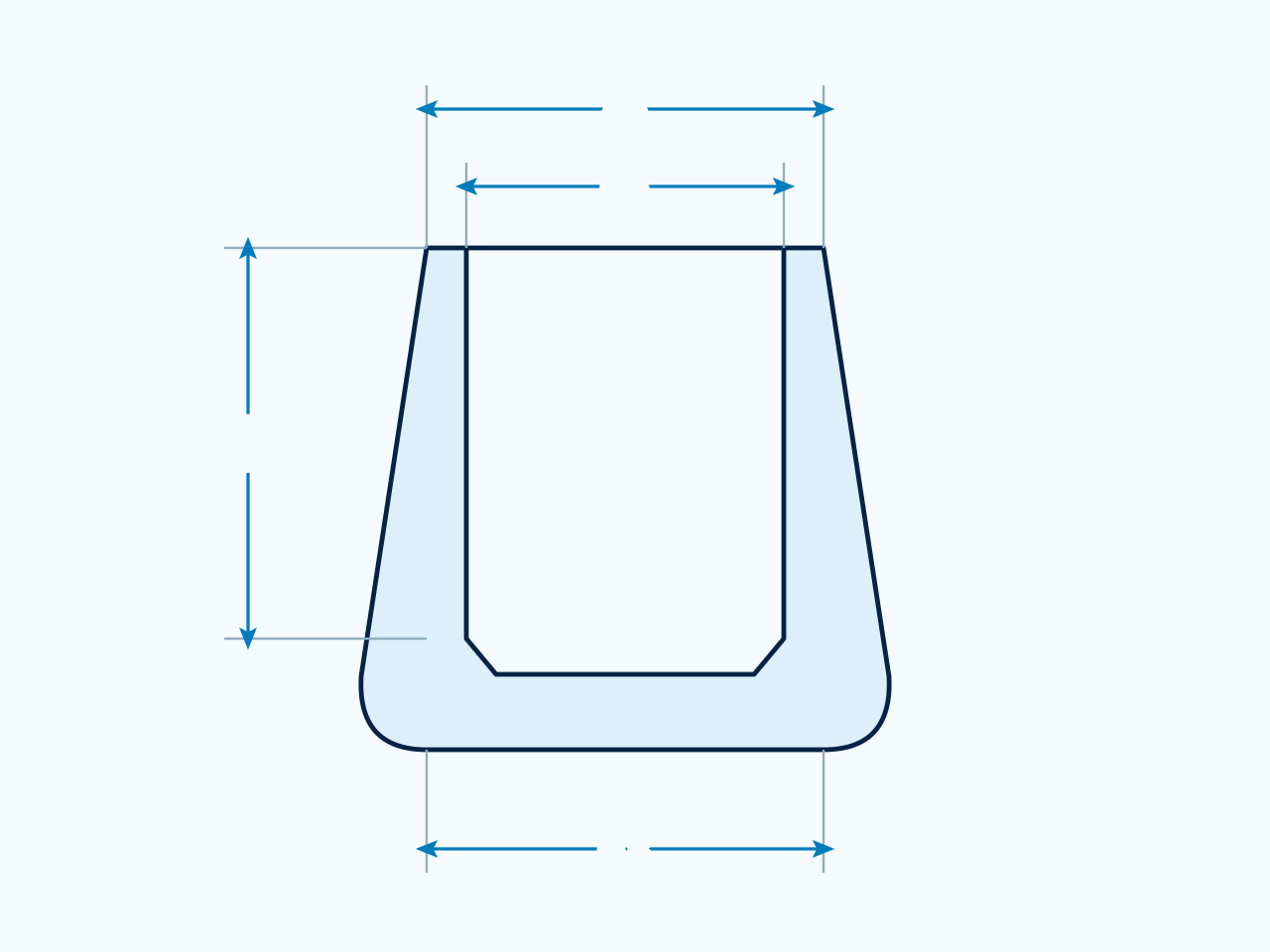
Compare A, B and C in mm using the open round-tip drawing. Check the mating leg dimensions and seating depth.
Rectangular rubber feet for chairs
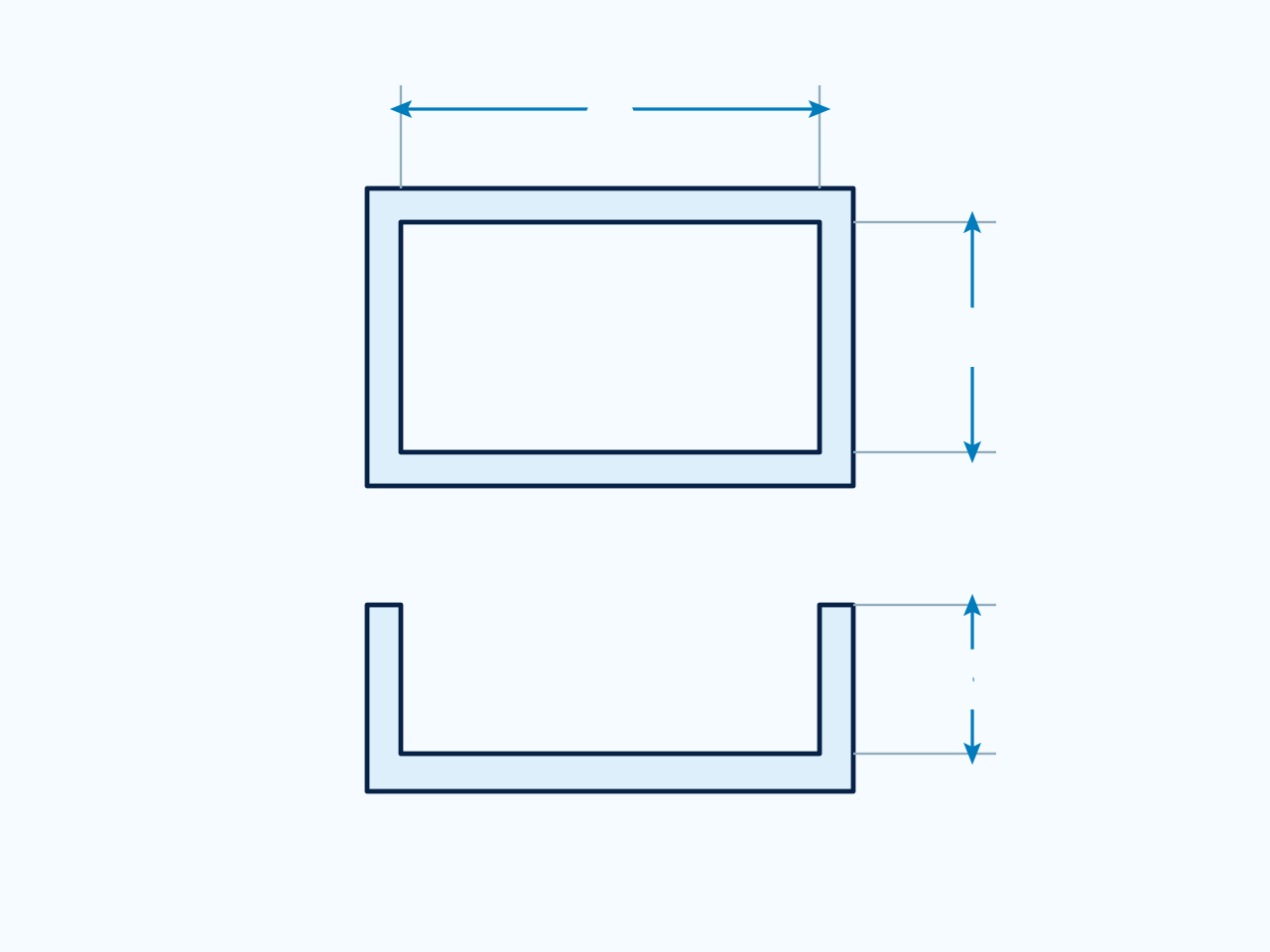
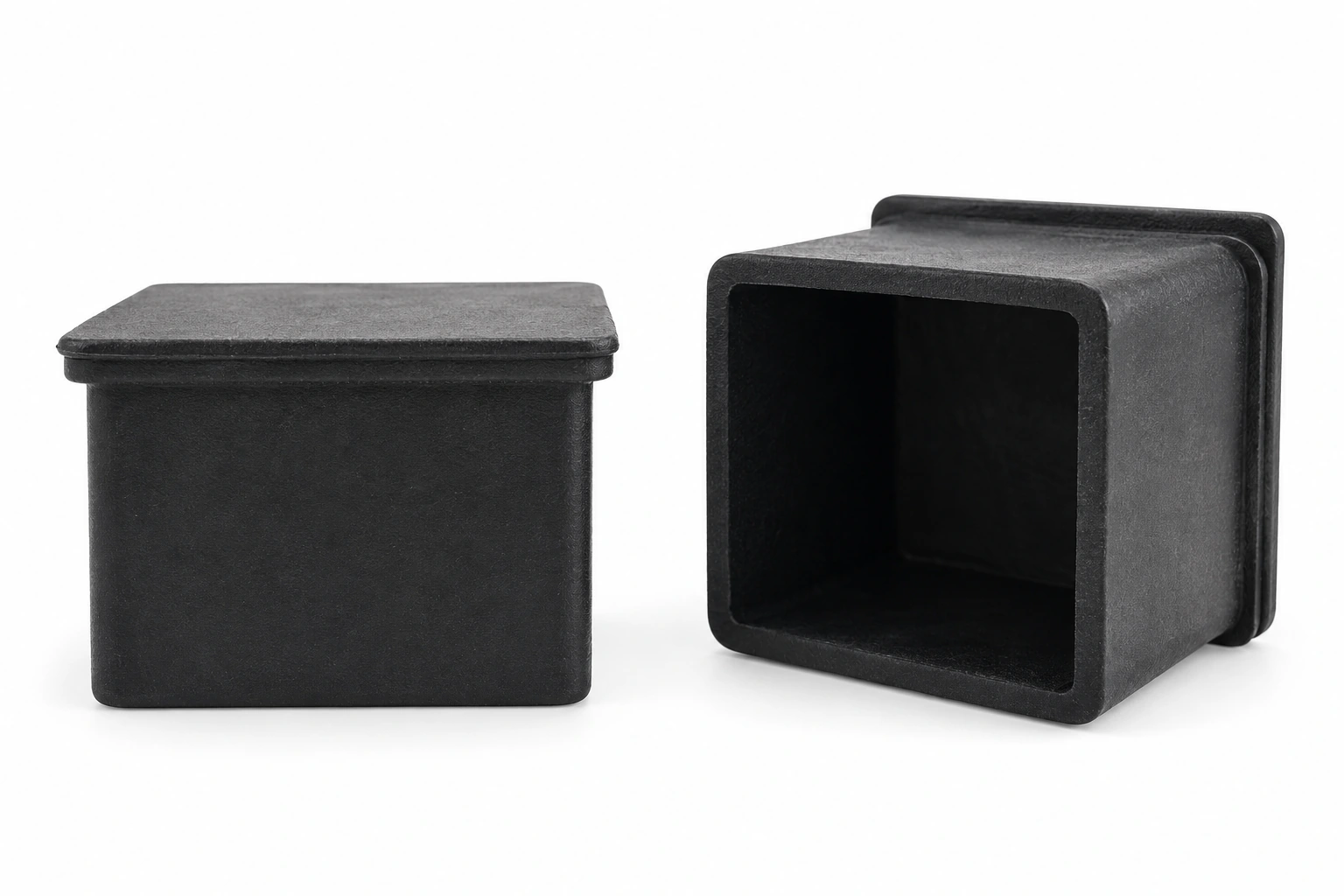
Compare A, B and C in mm using the rectangular-tip drawing. Check both sides of the mating leg and the seating depth.
Rubber Feet For Chairs
Compare A, B, C and D in mm using the square-tip drawing. Check the mating leg profile and seating depth.
Need a different size? Share your drawing, mating dimensions and intended use to discuss a suitable part.
Discuss Your RequirementsProduct specifications
- Product form
- Resilient support foot for an equipment or furniture base
- Application focus
- Furniture bases. Size the part against the selected assembly.
- Dimensions to confirm
- Footprint, installed height and attachment position. Match these to furniture bases.
- Compact envelope
- Define the available installation space, minimum wall or web thickness and access for fitting and removal.
- Profiles discussed
- Round profiles. Select the profile that matches the mating part and dimension that section explicitly.
- Installation discussed
- Screw attachment and adhesive bonding. Identify the chosen retention method and the surface or hardware it engages.
- Exposure to evaluate
- Rubbing or abrasion. Validate the selected material under the combined conditions.
- Attachment options
- Adhesive attachment is discussed. Define the bonded substrate, preparation and loaded contact area before selecting a backing.
- Support loading
- Determine the load at each foot and check the resulting compression and stability.
Need a quote or a custom part?
Send your requirements, drawings or samples to discuss standard and custom silicone rubber parts.
Email us[email protected]