
Small rubber cap
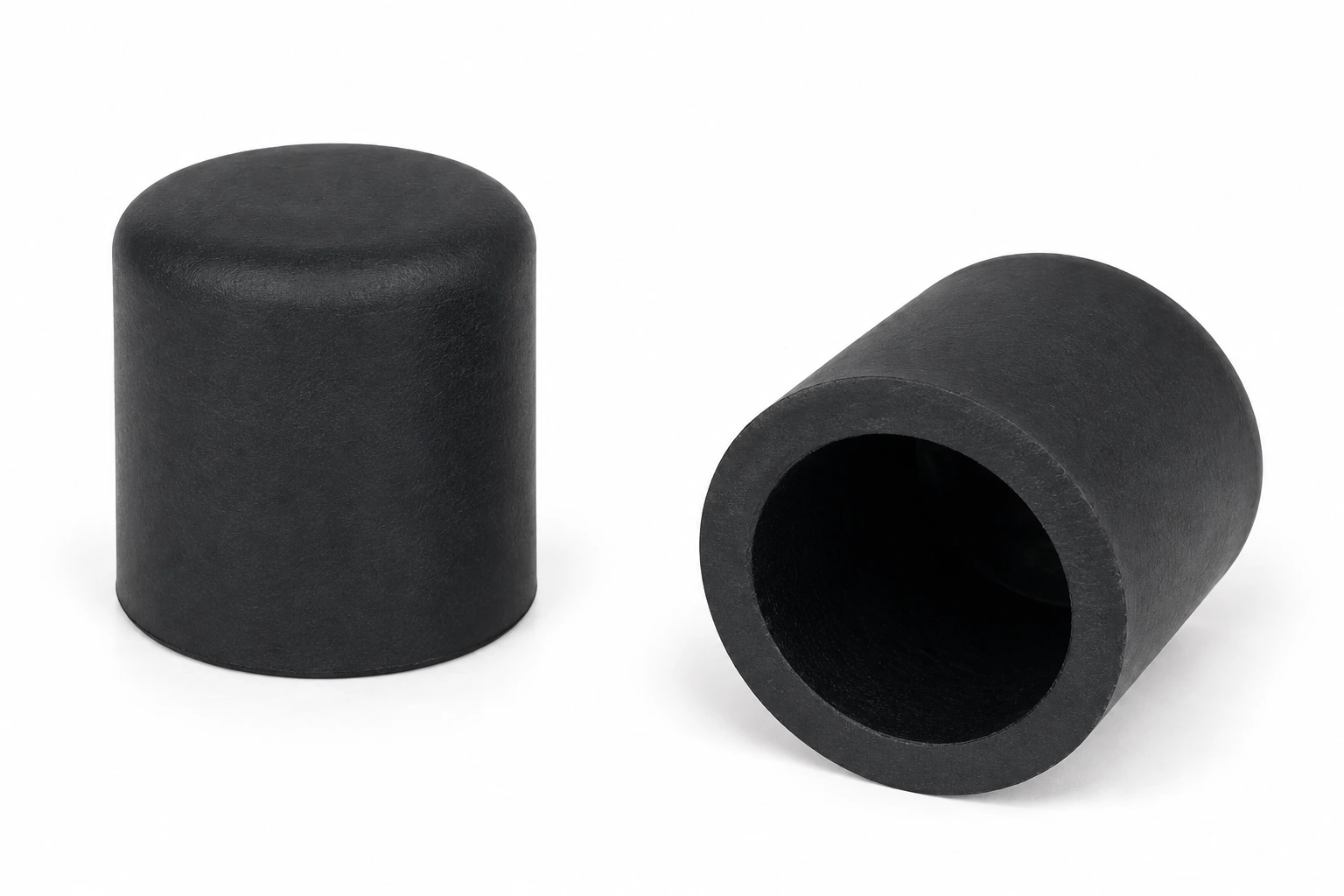
The small rubber caps are actually just open-end pieces of body plugs. Made of rubber is primarily designed to be implanted at the end of a shaft or a pipe. These caps can block the introduction of dust particles, dirt, humidity, vapors, and other contaminants. That is why they are heavily used in numerous manufacturing, storage, and transportation equipment. The chief difference between small rubber plugs and small rubber caps is that the plugs are embedded inside a container or the shaft to maintain an even structure. In contrast, caps are embedded outside the post, generally at its end.
The main properties of any sized — big or small rubber caps — are weather resistance, temperature resistance, chemical resistance, capability to endure UV damage, good longevity, and high durability.
There are 3 typical applications of rubber caps, as mentioned hereunder:
Housing applications: Rubber caps can be used as a contact bumper that can prevent scratches and damages. Moreover, they’re also used as “rubber feet” in chairs and furniture to ensure that dragging them across the floor is smooth and doesn’t leave marks on either the furniture or the floor. Besides, rubber caps may also be used as door stoppers.
Manufacturing applications: The majority of manufacturing units, factories, and small-scale industries need small rubber caps to cover the openings of their containers to prevent oxidation or contamination. Rubber caps also prevent moisture buildup inside the vessels. On top of that, since rubber caps can endure wide fluctuations in temperature and have good resistance to chemical corrosion, they do not get worn and torn easily.
Laboratory applications: The small rubber caps are also widely used for scientific purposes in laboratories to seal test tubes, vials, flasks, beakers, and other glassware. The pharmaceutical industries also use rubber caps to preserve their chemicals from external contamination.
All dimensions are in mm
Rubber Cap Size Catalog
Compare the internal and external dimensions of rubber caps against the part being covered.
Custom colors are available to your Pantone color code. Include the code in your inquiry.
Rubber Caps-RSE
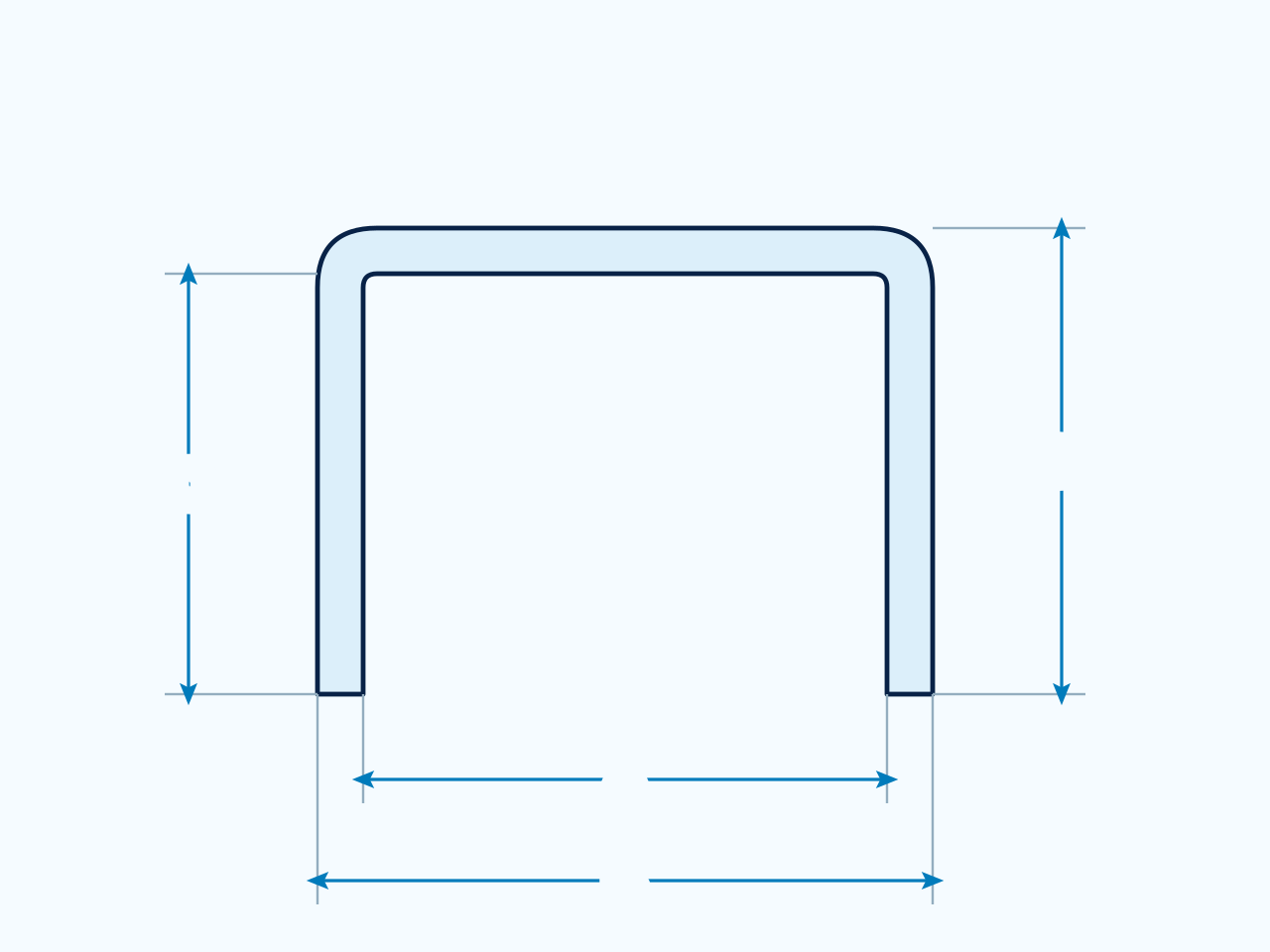
Compare A (inner diameter), B (outer diameter), C (inner depth) and D (total height), in mm.
Need a different size? Share your drawing, mating dimensions and intended use to discuss a suitable part.
Discuss Your RequirementsProduct specifications
- Product form
- Protective cover fitted over a component end
- Application focus
- Pipe or conduit ends and poles or posts. Size the part against the selected assembly.
- Dimensions to confirm
- Mating outside dimensions, cover depth, cavity and wall thickness. Match these to pipe or conduit ends and poles or posts.
- Compact envelope
- Define the available installation space, minimum wall or web thickness and access for fitting and removal.
- Exposure to evaluate
- Sunlight or UV, outdoor weather, moisture and dust or debris. Validate the selected material under the combined conditions.
- Cover retention
- Check the installed overlap and pull-off force on the actual end profile.
Need a quote or a custom part?
Send your requirements, drawings or samples to discuss standard and custom silicone rubber parts.
Email us[email protected]