
Small rubber feet with screws
Rubber feet are items that are being used for improving the stance, and for reducing the vibrations that have come up with the activity of the machine. They are meant to be mounted on the lower portions of the machines, distributed on the corners for better positioning. The rubber is the important material that lets these features happen. While being both soft and sturdy, they can withstand the weight of the item they protect, and the softness helps reduce the vibrating sensations. In addition, the rubber has great characteristics of adhesion, so the item just sticks on the ground and stays intact during the working phase. Their sizes can differ depending on their purpose, so they go from large rubber feet to small rubber feet with screws.
There are many uses of small rubber feet with screws. Firstly, they can be used for the protection of your flooring when they are being mounted on the lower portions of the furniture pieces. That way, moving these pieces for cleaning purposes, or just rearrangement of the room will not cause abrasion or scratches on the floor. In addition, they can be used on speakers to prevent the vibration that is produced.
Choosing the right feet might become a problem for someone who does this for the first time. However, it is not so complex when you get the right measurements of the mounting portions and find them on the list on the site of our firm. In case you have parts that require special sizes we can create custom small rubber feet with screws. We offer different colors that you can choose from to match them with the surrounding aesthetics of the room. The installing process is pretty straightforward. All you need to do is screw the legs on the corners, and notice the results right away.
Rubber Feet & Bumper Size Catalog
Compare mounting style, overall size and recess dimensions. Each profile uses its own drawing and column meanings.
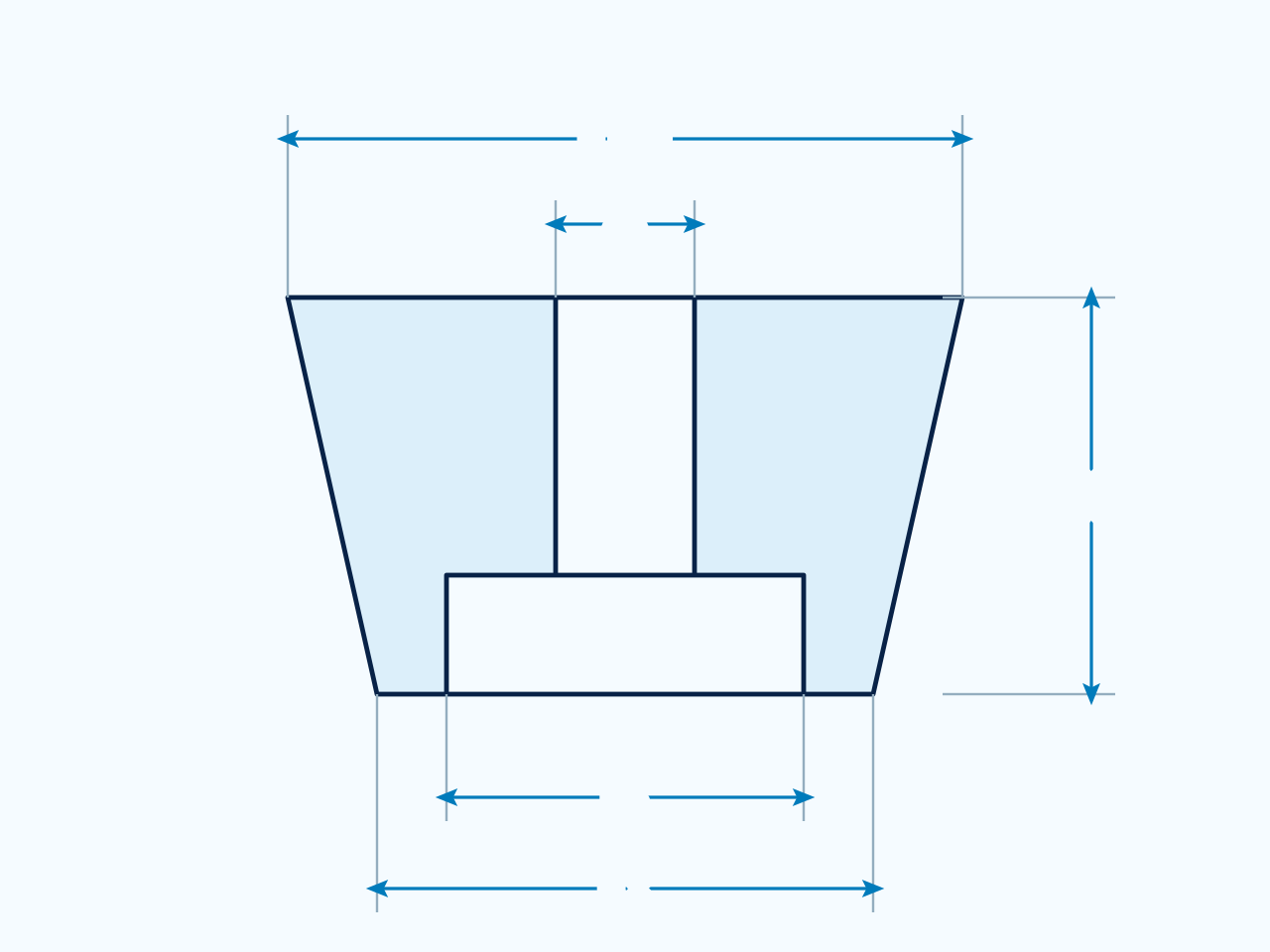
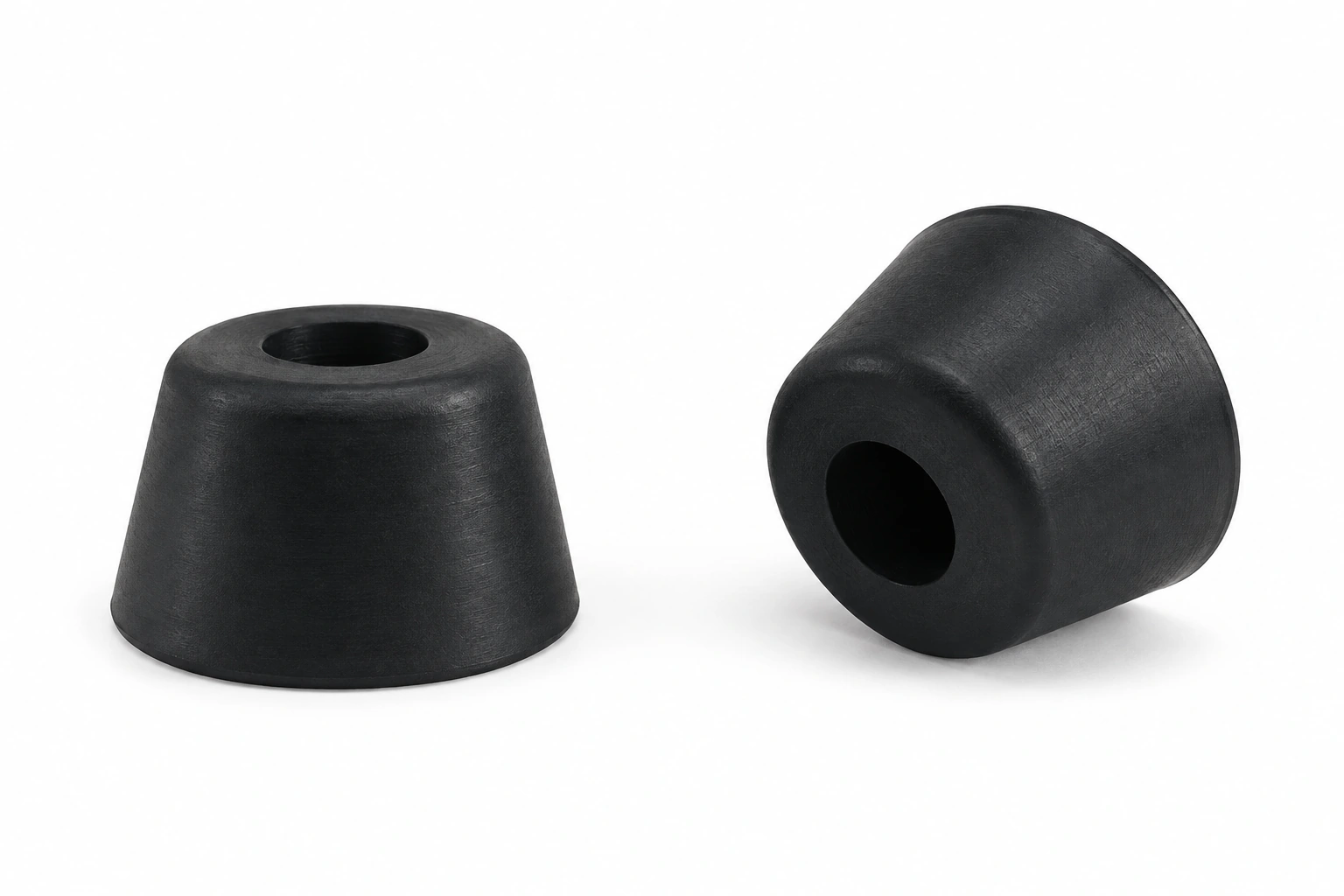
Recess Rubber Bumper
Compare OD, H, A, B and C in mm. C indicates the outer base dimension on this bumper profile, not the recess depth.
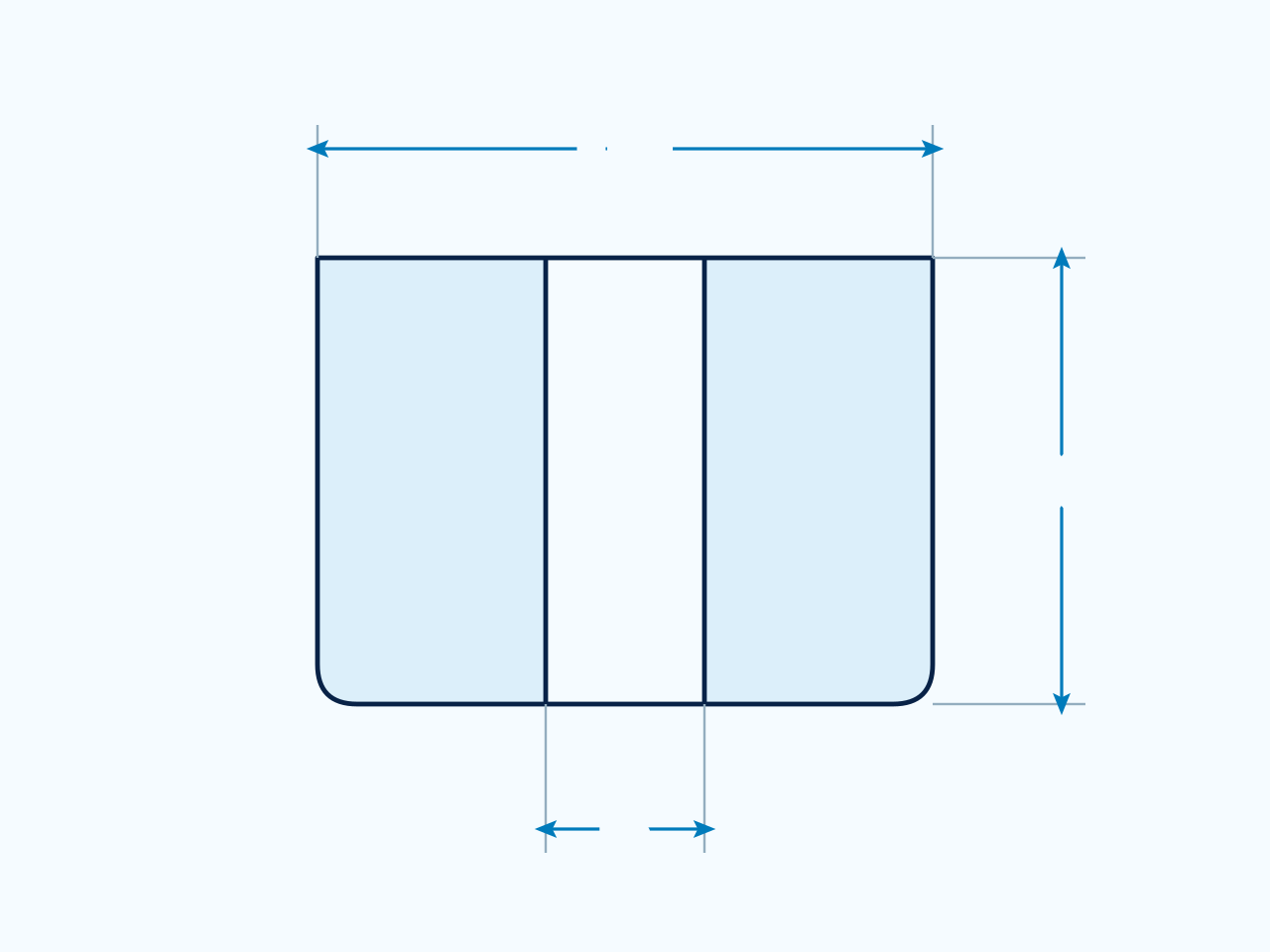
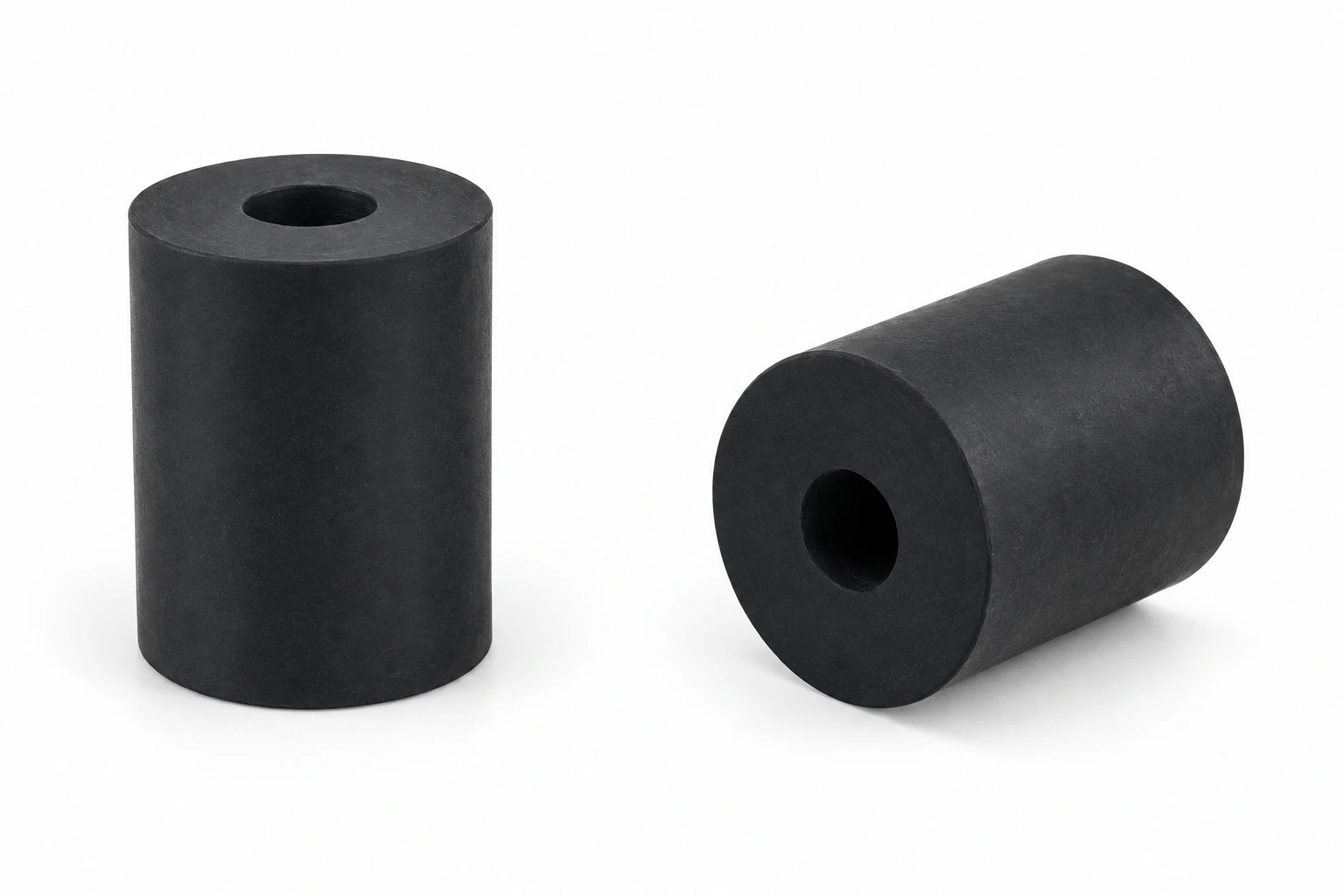
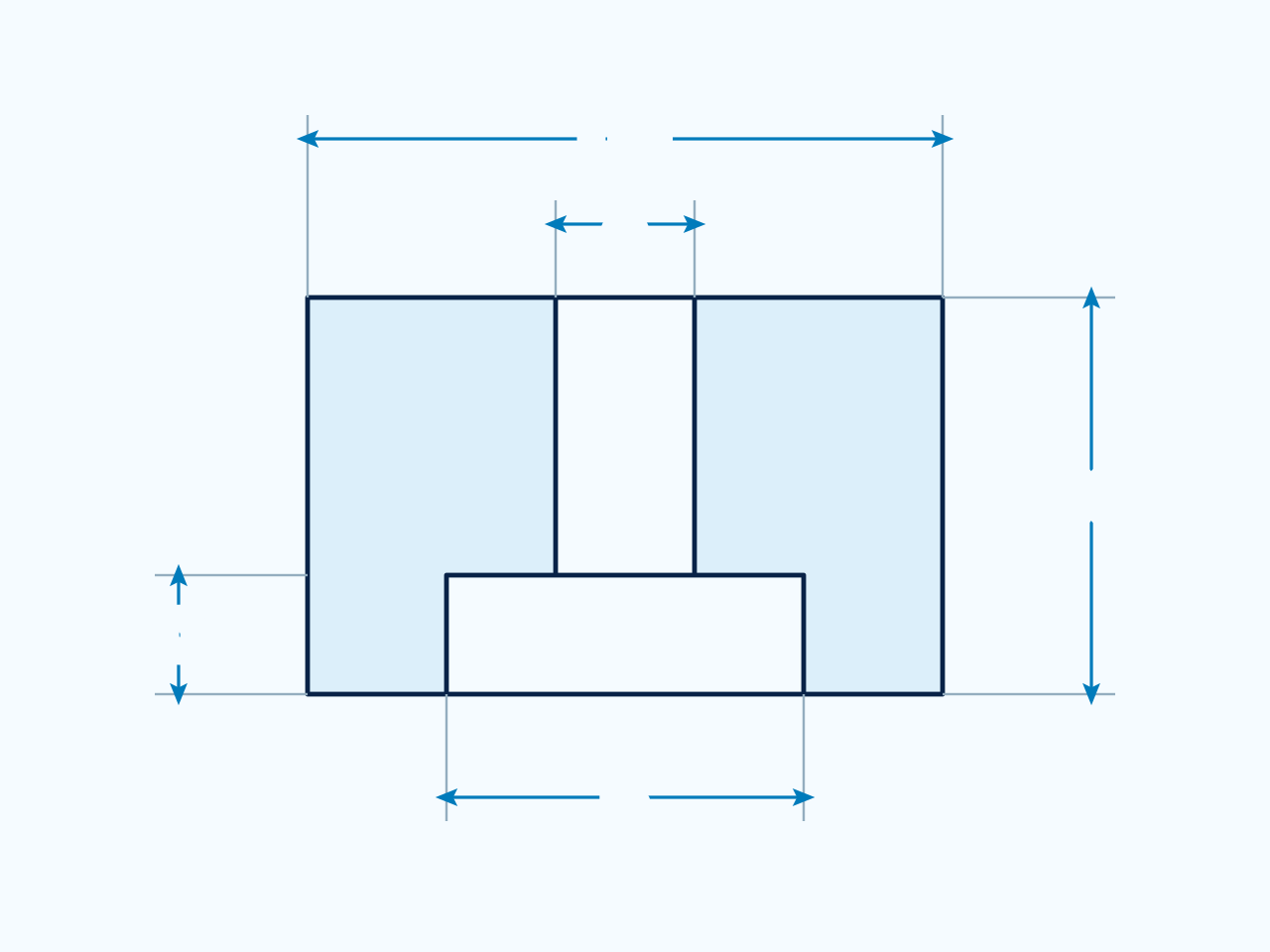
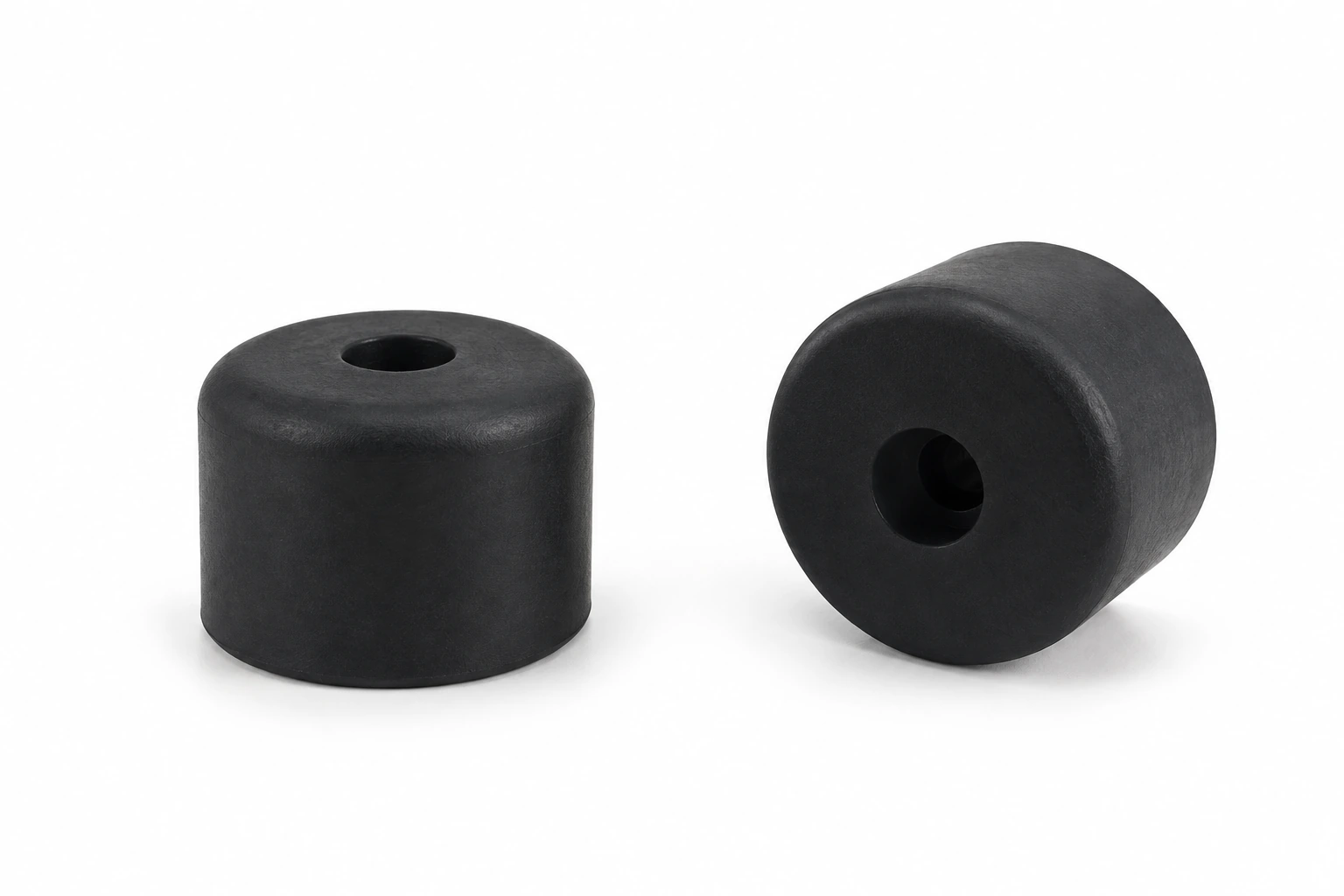
Cylindrical Rubber Feet
Compare OD, H and B in mm using the cylindrical-foot drawing. Material and colour remain listed separately.
Recess Rubber Feet
Compare OD, H, A, B and C in mm. C indicates the recess depth on this feet profile.
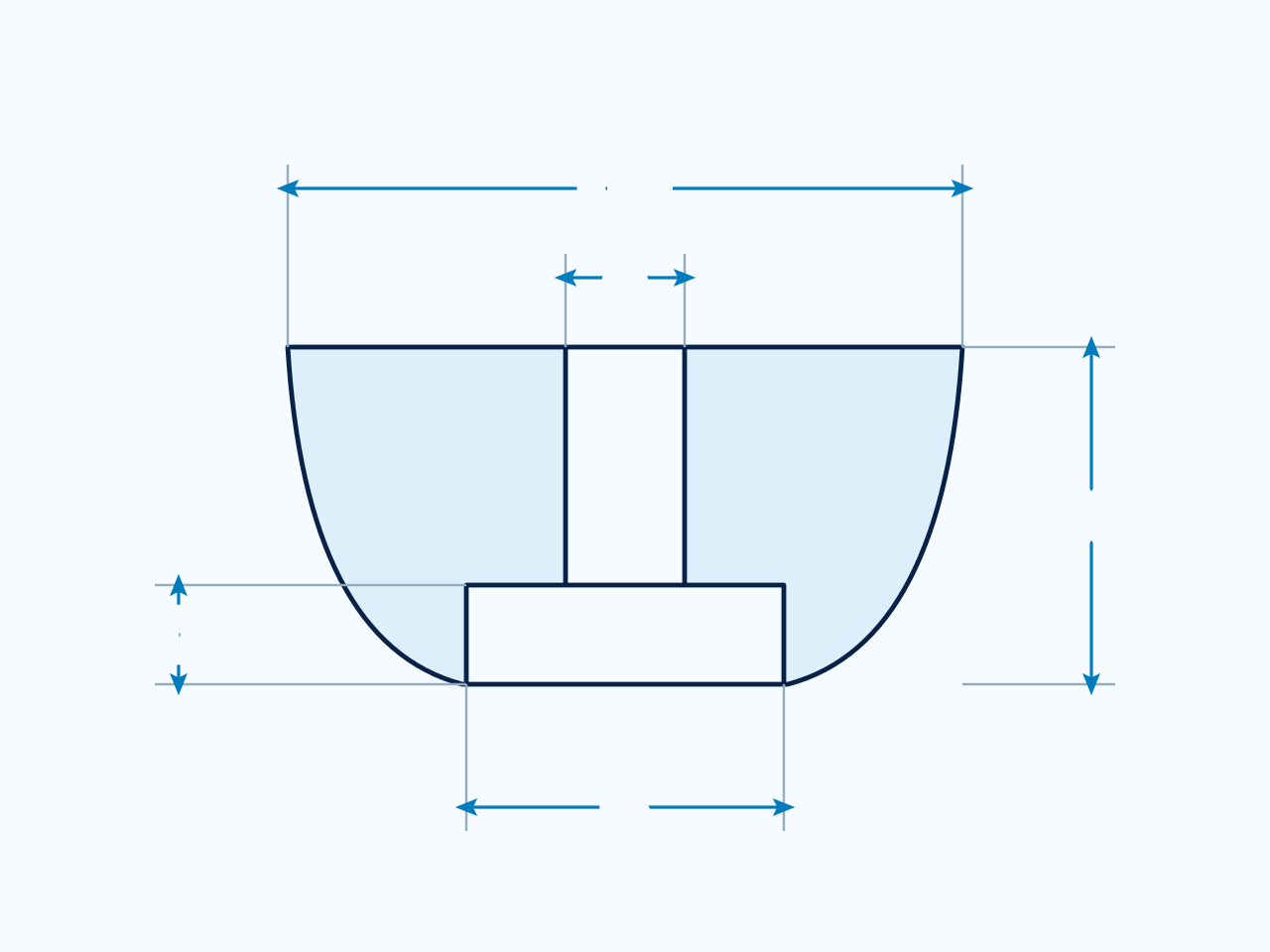
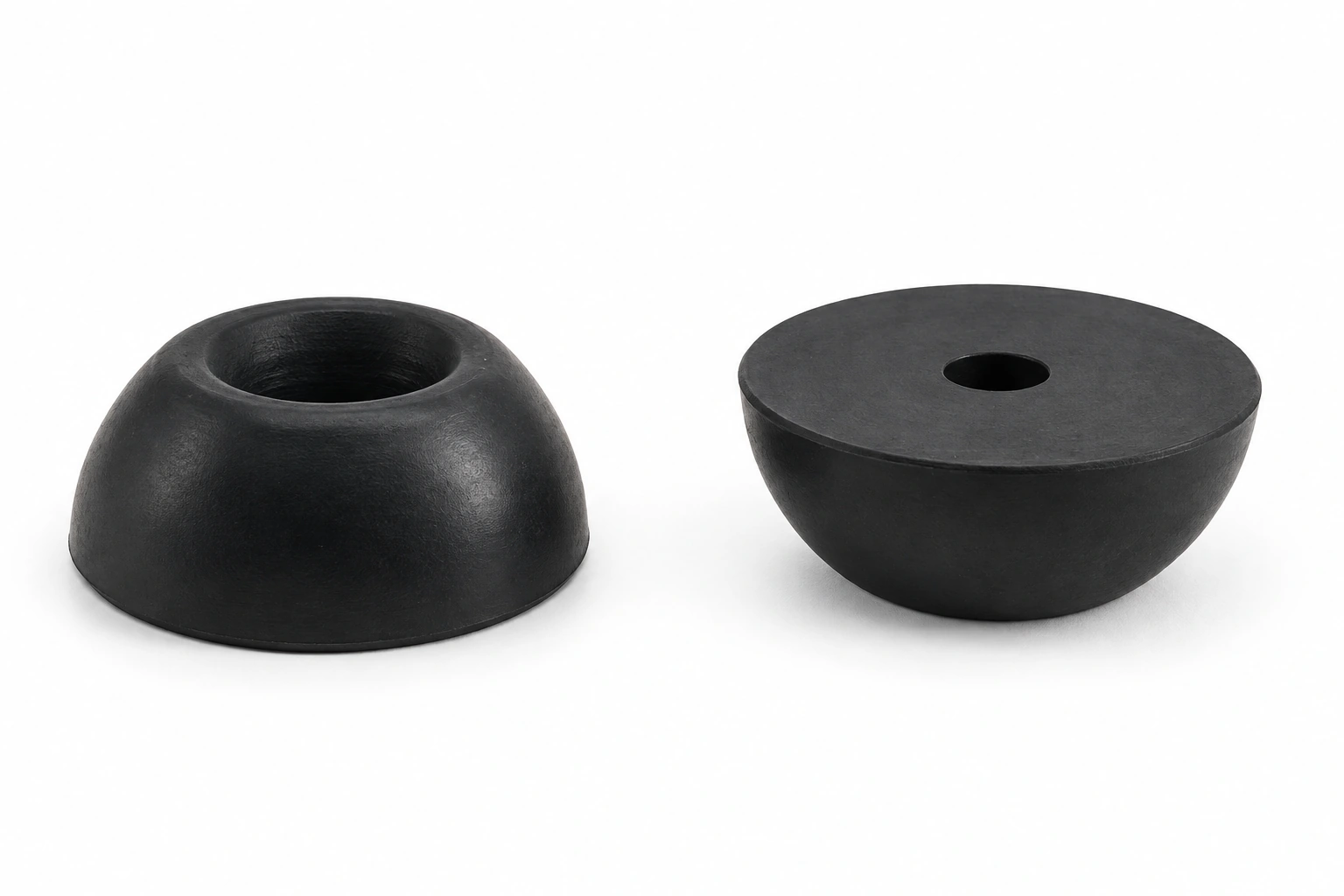
Hemispherical Rubber Bumper
Compare OD, H, A, B and C in mm using the hemispherical-bumper drawing.
Rubber Tips
Compare A, B and C in mm using the open round-tip drawing. Check the mating leg dimensions and seating depth.
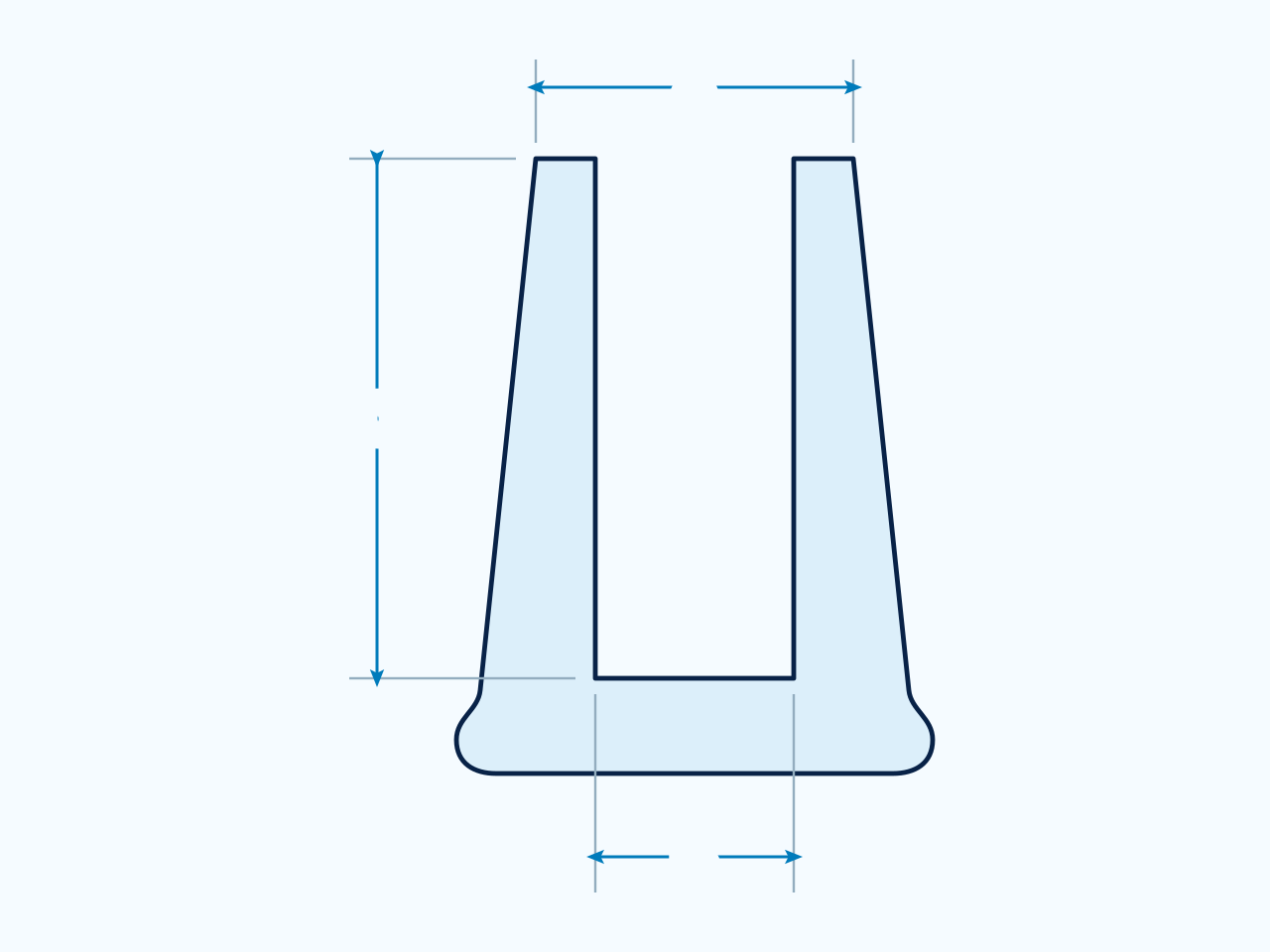
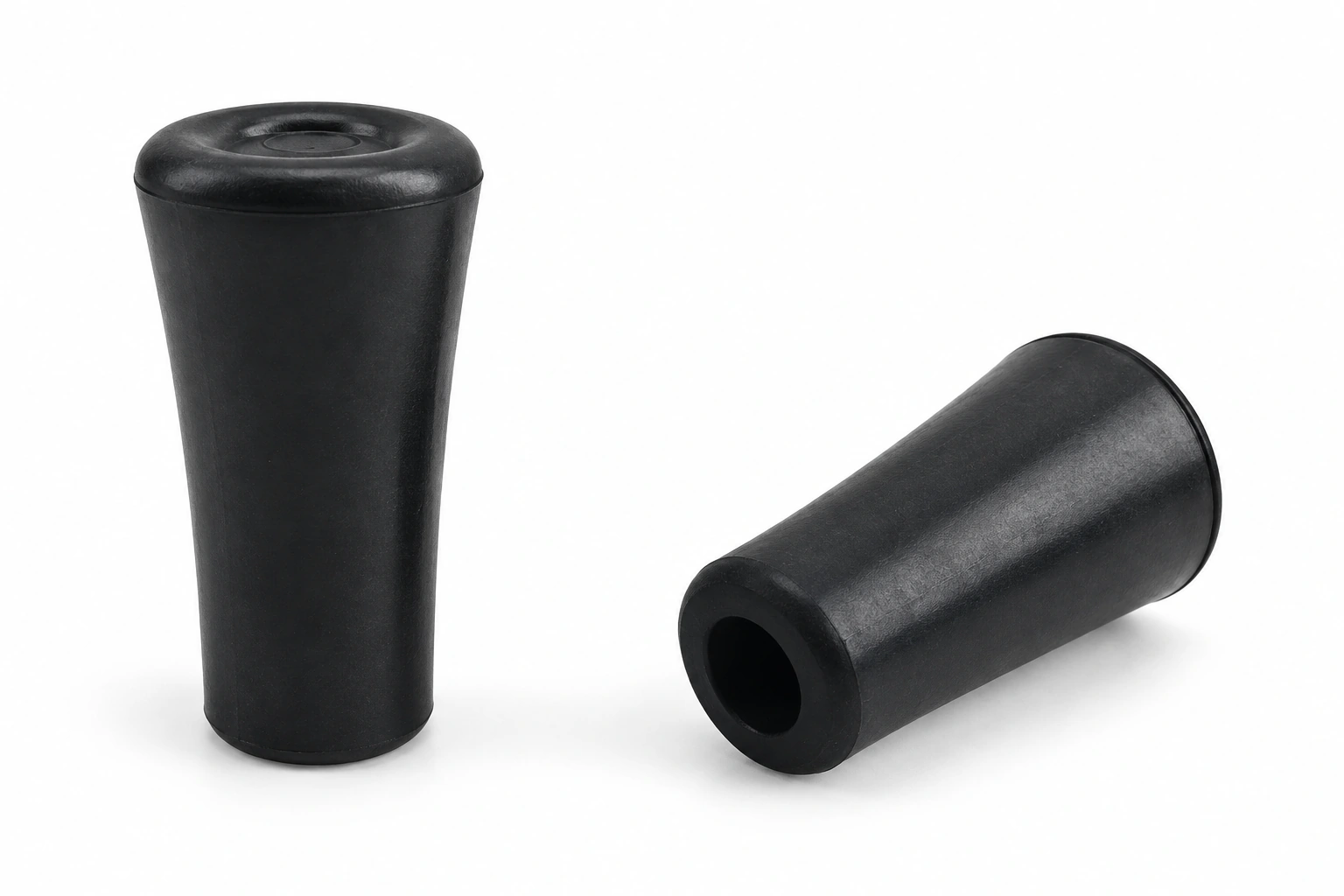
Rectangular rubber feet for chairs
Compare A, B and C in mm using the rectangular-tip drawing. Check both sides of the mating leg and the seating depth.
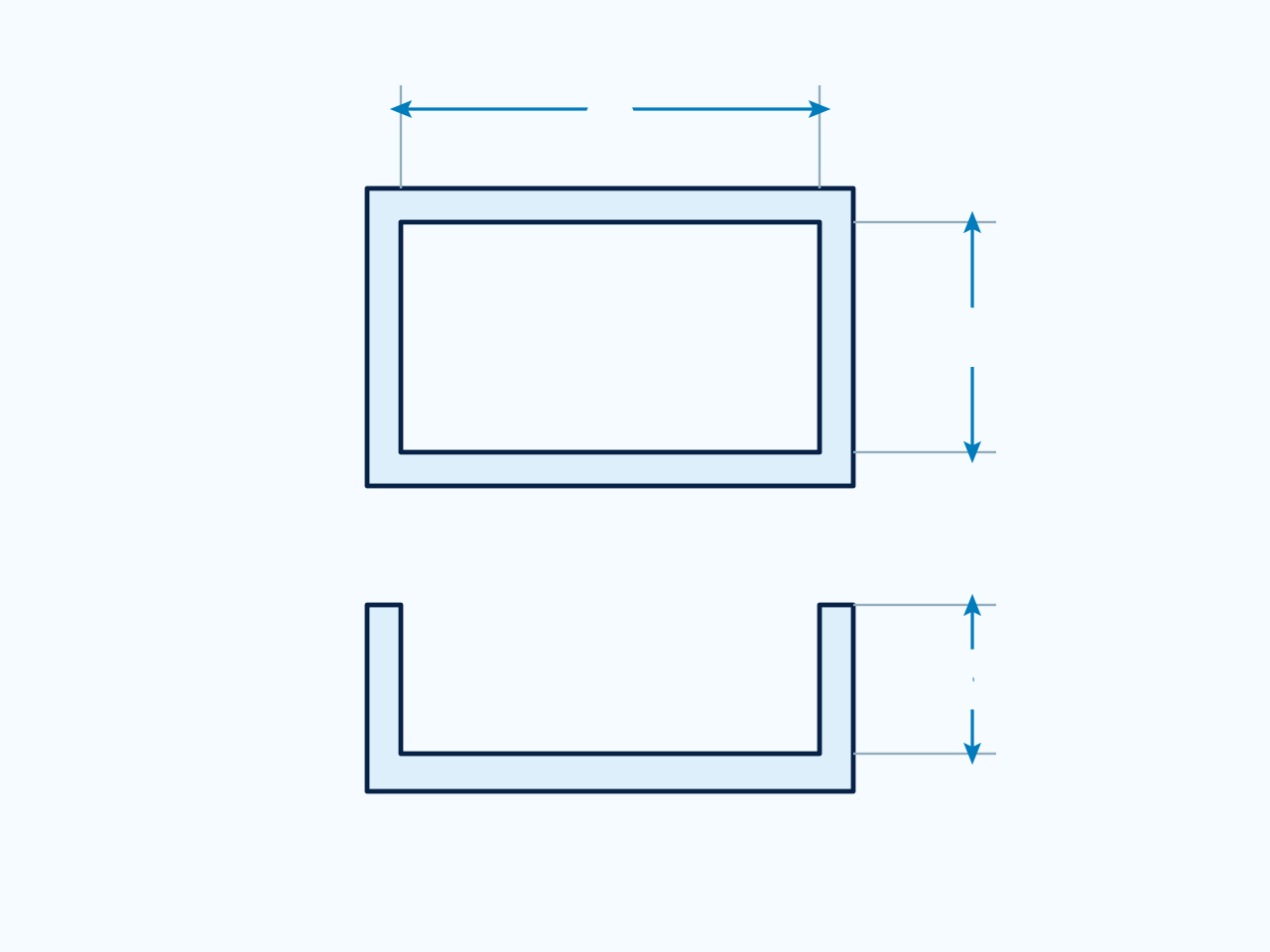
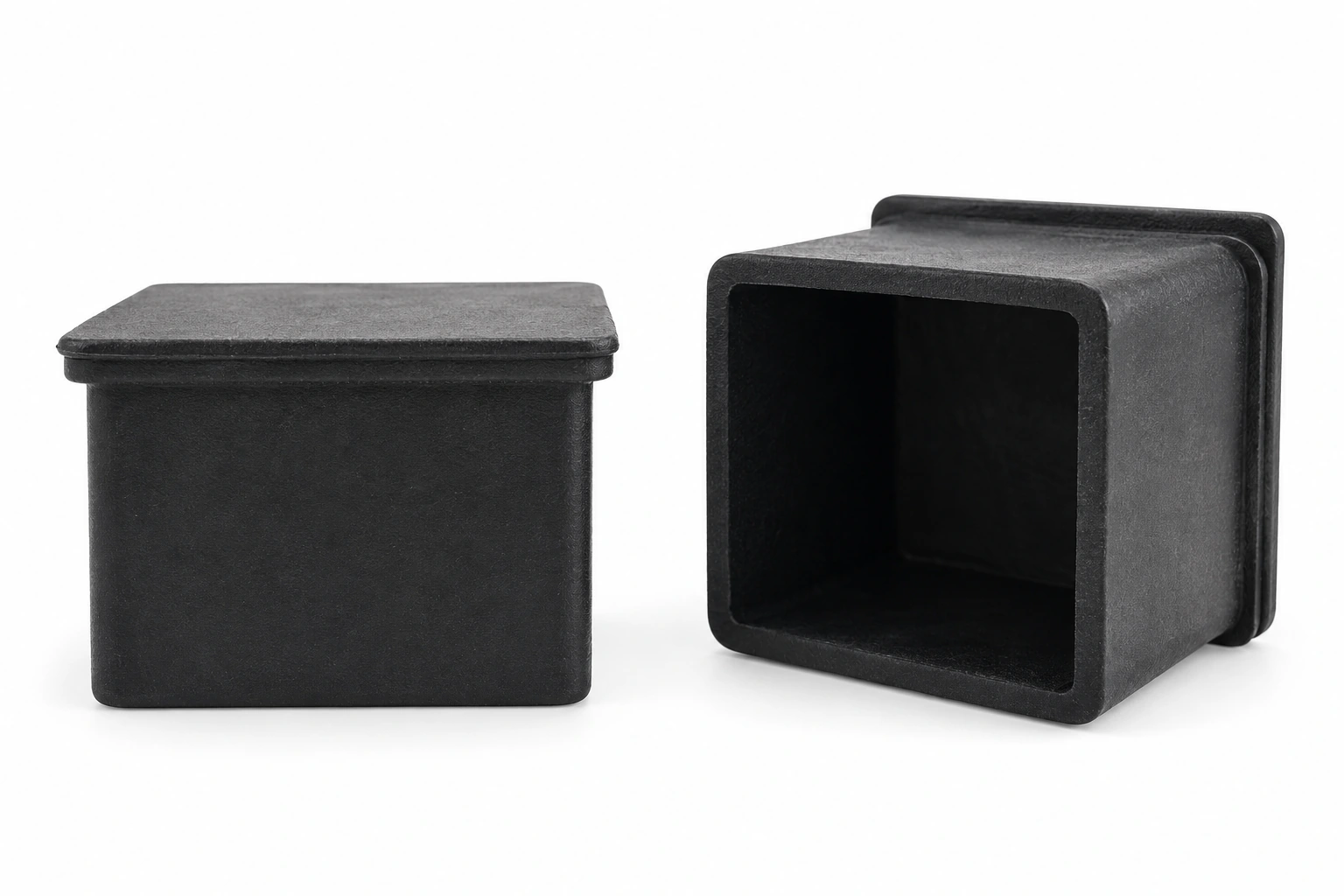
Rubber Feet For Chairs
Compare A, B, C and D in mm using the square-tip drawing. Check the mating leg profile and seating depth.
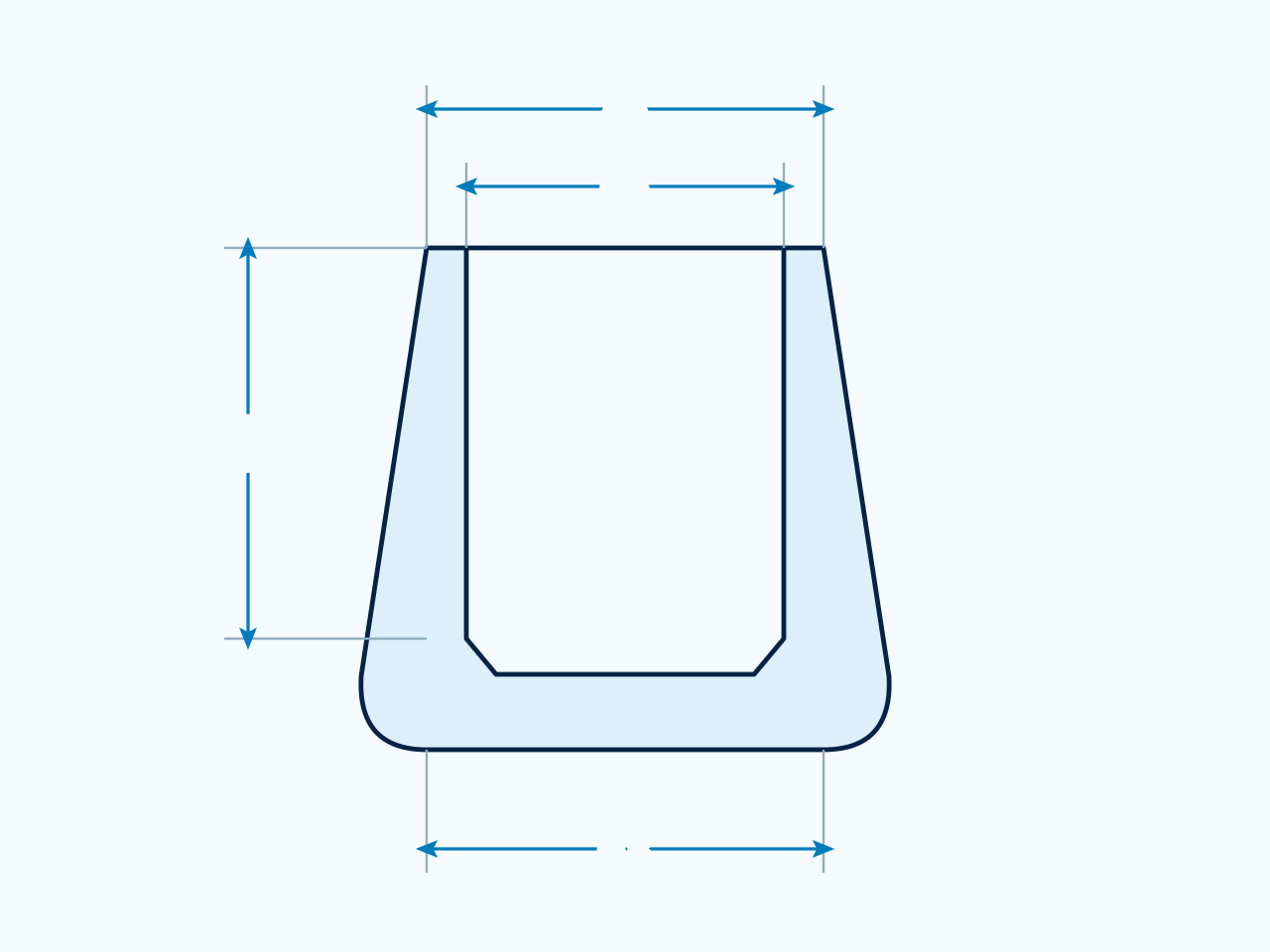
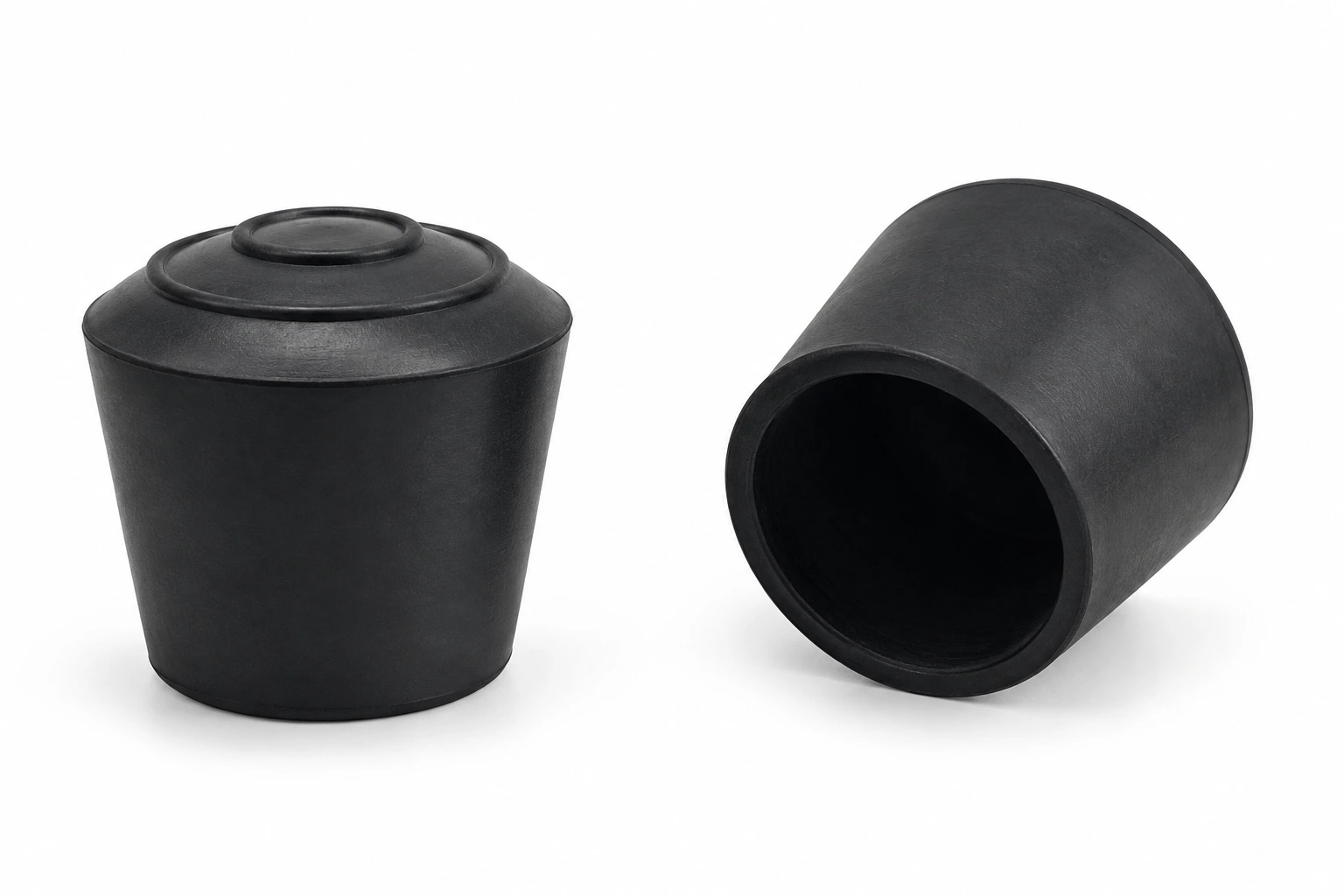
Need a different size? Share your drawing, mating dimensions and intended use to discuss a suitable part.
Discuss Your RequirementsProduct specifications
- Product form
- Resilient support foot for an equipment or furniture base
- Application focus
- Furniture bases and speaker cabinets. Size the part against the selected assembly.
- Dimensions to confirm
- Footprint, installed height and attachment position. Match these to furniture bases and speaker cabinets.
- Compact envelope
- Define the available installation space, minimum wall or web thickness and access for fitting and removal.
- Fastening
- Define thread size, pitch, engagement and clearance; identify whether the hardware is molded in or fitted separately.
- Installation discussed
- Screw attachment. Identify the chosen retention method and the surface or hardware it engages.
- Exposure to evaluate
- Rubbing or abrasion. Validate the selected material under the combined conditions.
- Support loading
- Determine the load at each foot and check the resulting compression and stability.
Need a quote or a custom part?
Send your requirements, drawings or samples to discuss standard and custom silicone rubber parts.
Email us[email protected]