
Stopper Silicone
Is the perfect stopper silicone based? Well, that is not an easy question because every stopper, silicone or not, is great for a certain application. While it is true that you won’t go wrong with a silicone stopper, we want to tell you why that is.
For starters, silicone is one of the most versatile rubbers used to manufacture stoppers, grommets, plugs, and other products. It comes with many useful characteristics and features, one of which is excellent electrical insulation.
So, if you want a non-conducive stopper silicone is the way to go. But, that is hardly the extent of the usefulness of a silicone stopper. Arguably the best thing about silicone is its low thermal conductivity and excellent thermal stability. Loosely translated, that means that a rubber stopper made of silicone will easily withstand both low and high temperatures, ranging from negative 70 degrees Celsius, all the way to plus 270 degrees Celsius, without becoming too cold or too hot, nor being damaged by the changes in environment temperature. That alone makes it suitable for many industries around the world. For instance, silicone parts are often used in the automotive industry. You can find silicone grease, tubing and stoppers in a lot of vehicles, as well as automotive manufacturing facilities.
Another common environment where we can find stopper silicone is the chemical industry. Laboratories and research facilities are heavily dependent on these products. Seeing how they are dealing with abrasive chemicals, amongst many other things, they require a silicone stopper due to its chemical stability and non-reactivity. Also, biochemical labs researching samples and conducting research must make sure that their samples and projects are safely sealed inside of their containers, which is exactly what a stopper such as this one does. A stopper made from silicone adheres to glass perfectly, providing a vacuum-tight seal and protection.
Stopper & Plug Size Catalog
Compare four stopper profiles and check the selected part dimensions against your opening and available depth. Each profile has its own drawing and dimension meanings.
Custom colors are available to your Pantone color code. Include the code in your inquiry.
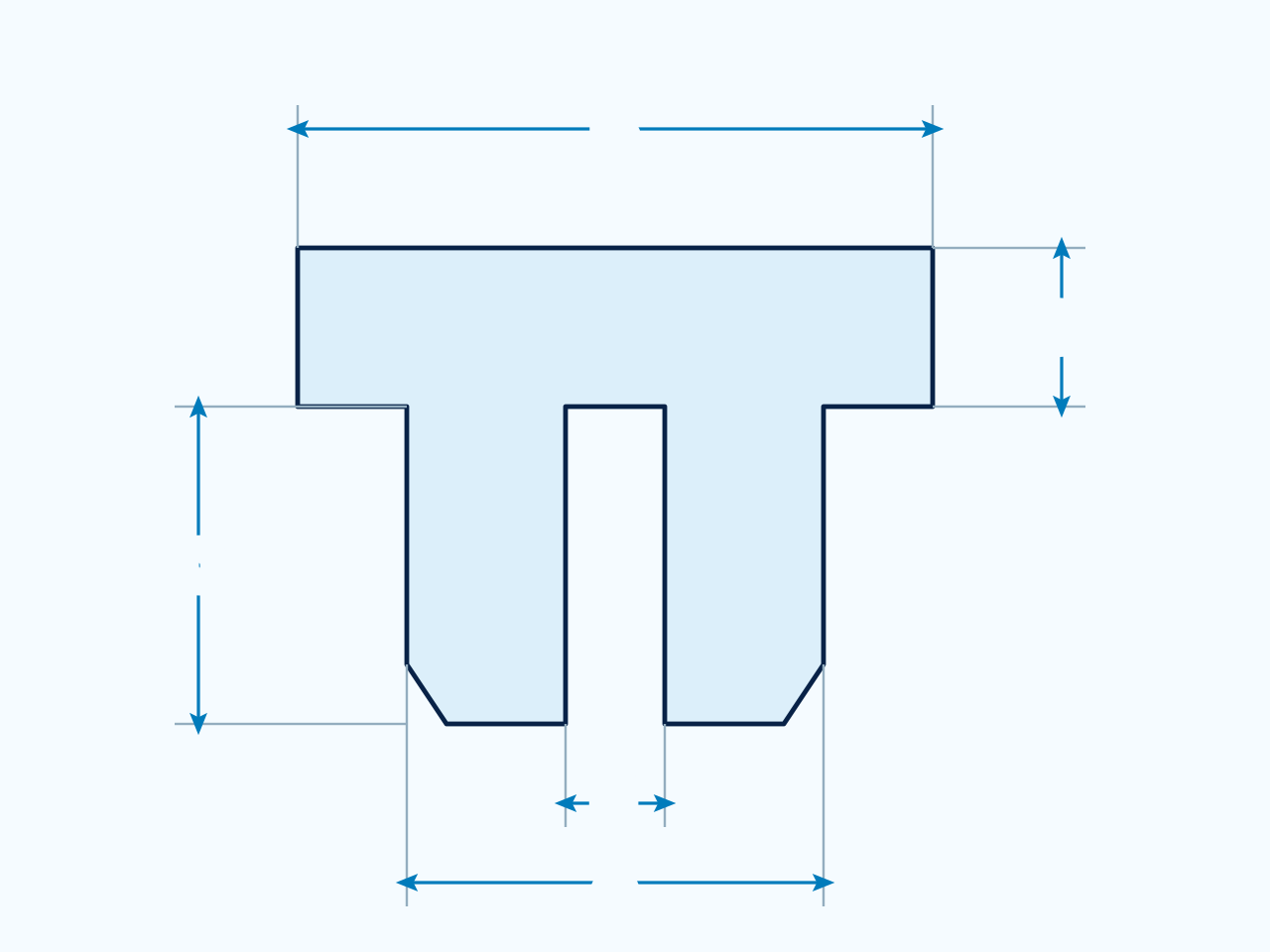
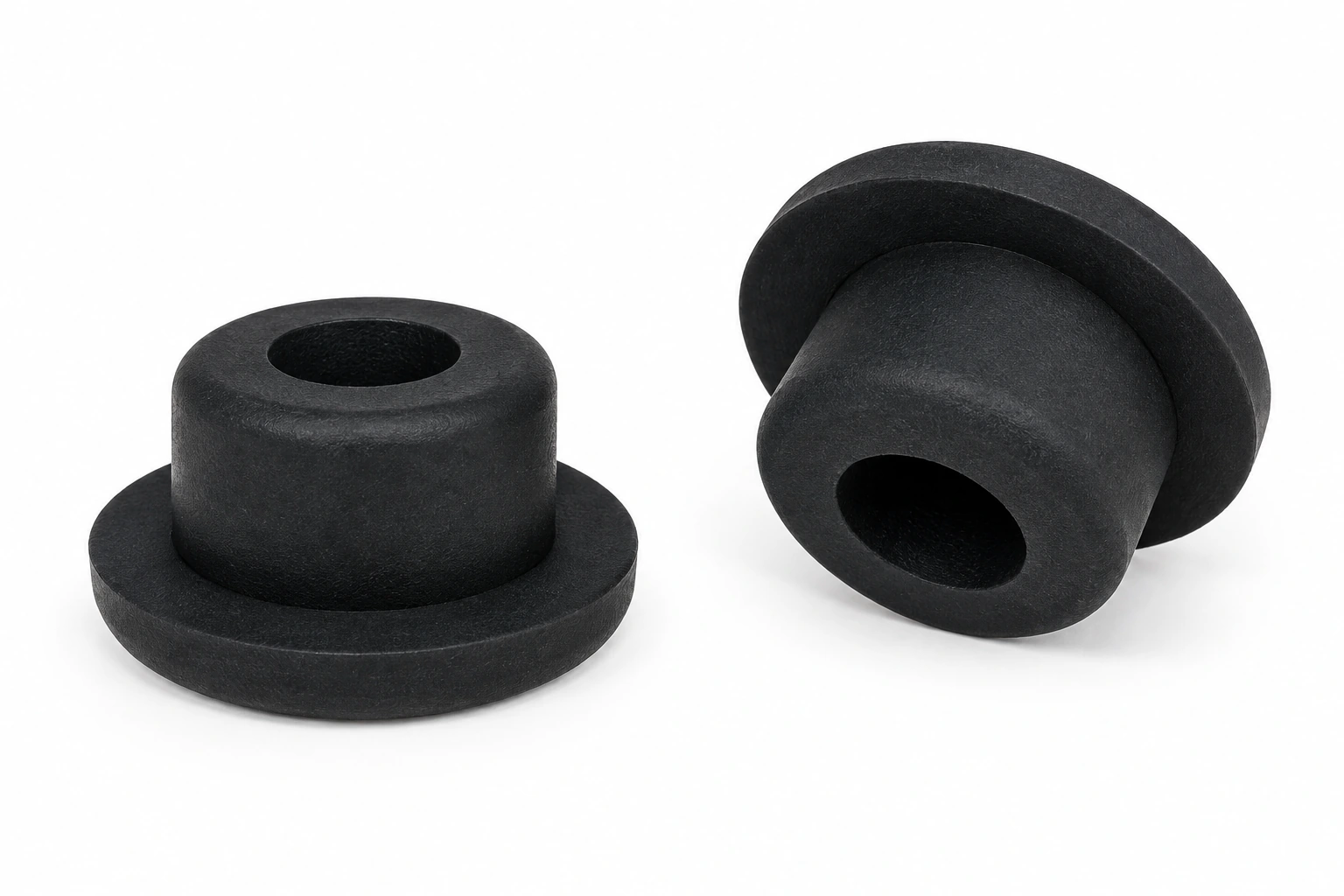
RST T-Shaped Plugs
Match stem diameter A, flange diameter B, stem length C and flange thickness D. E refers to the underside recess; use the selected row and approved drawing to confirm the actual profile.
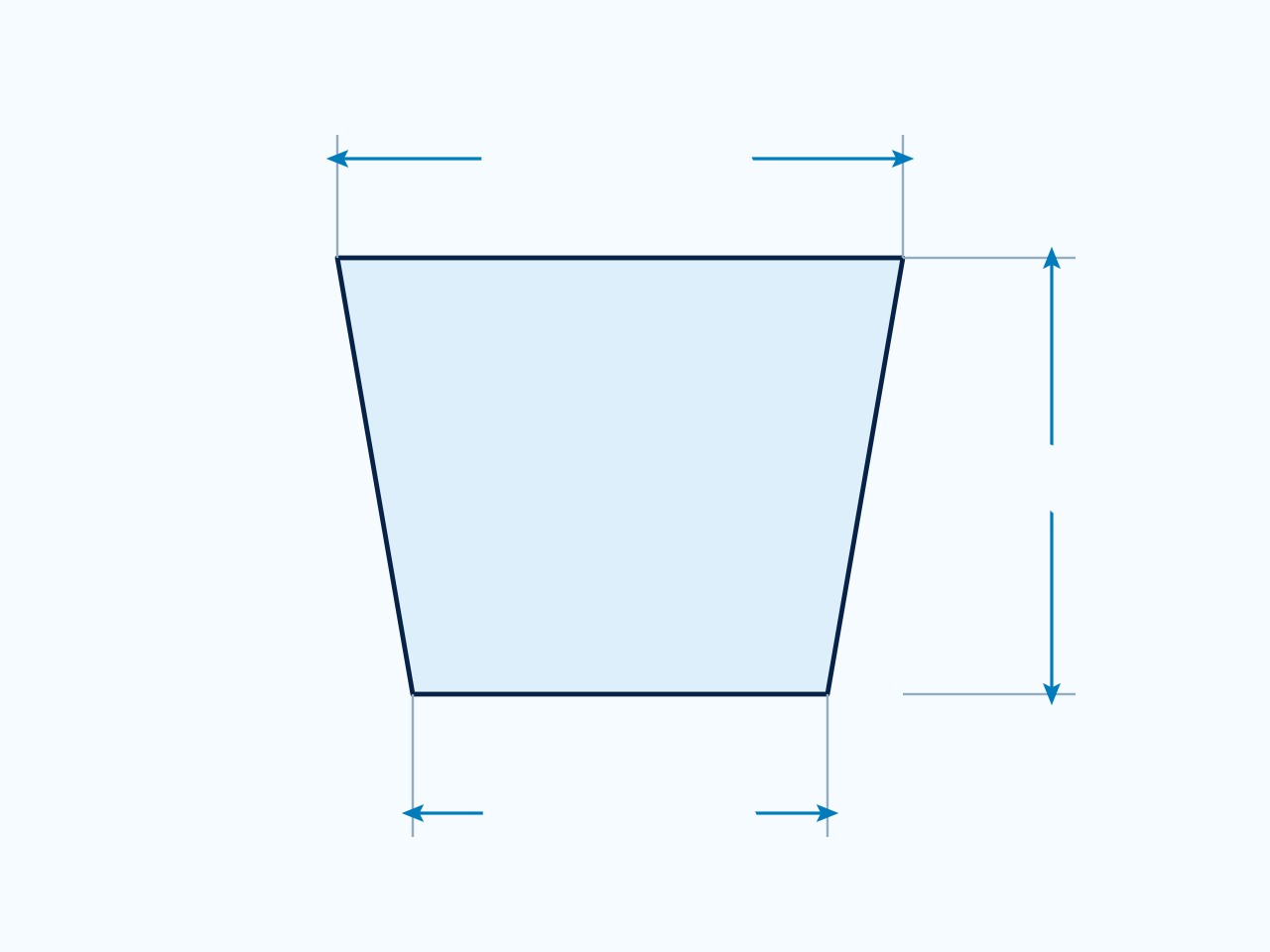
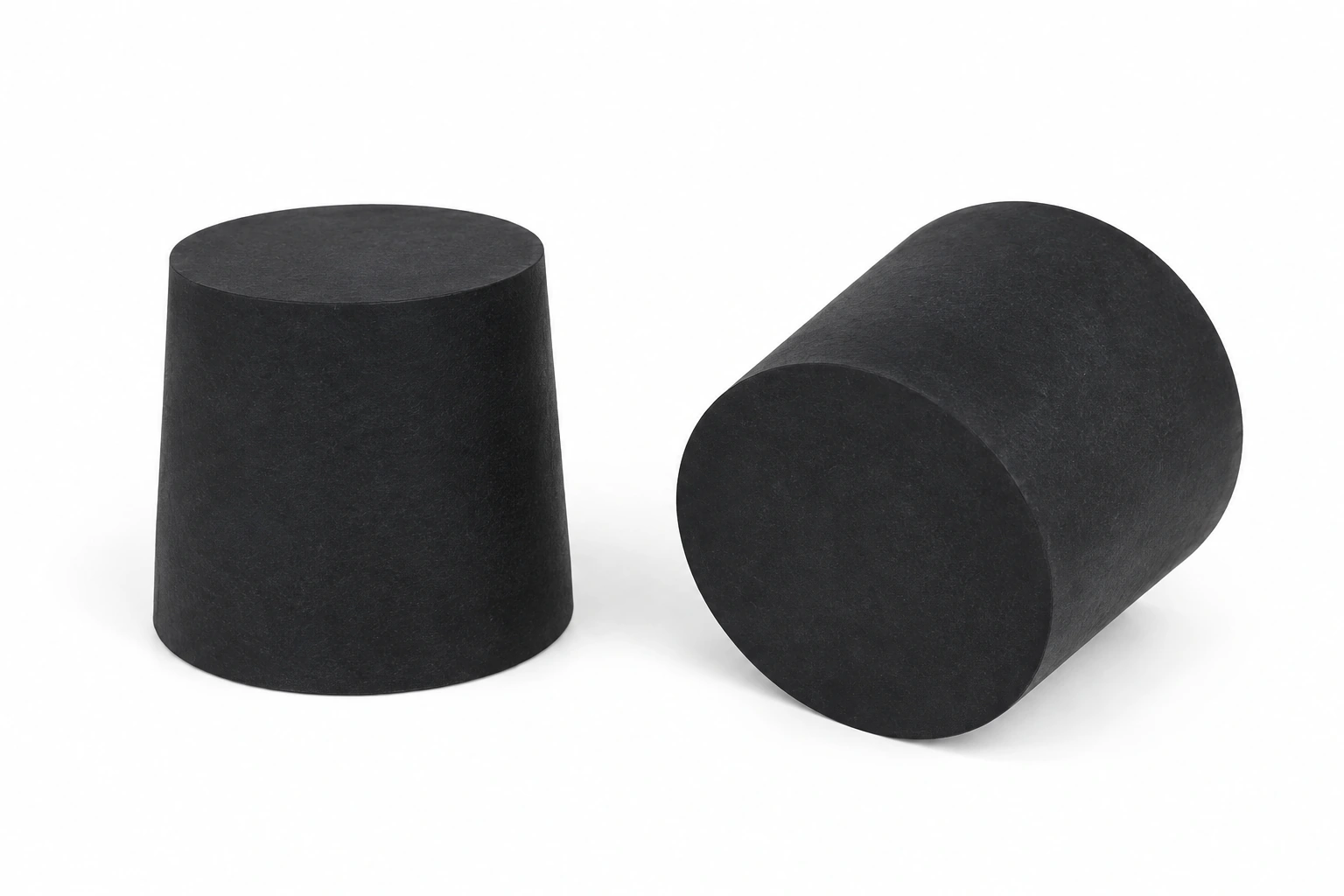
RSA Tapered Corks
Compare large-end diameter A, small-end diameter B and Height, in mm. The mating bore and required seating depth determine where the taper contacts the opening.
RSB Undercut Plugs
Compare neck diameter A, flange diameter B, flange-to-lip distance C and flange thickness D. Check panel thickness and rear clearance. E refers to the underside recess.
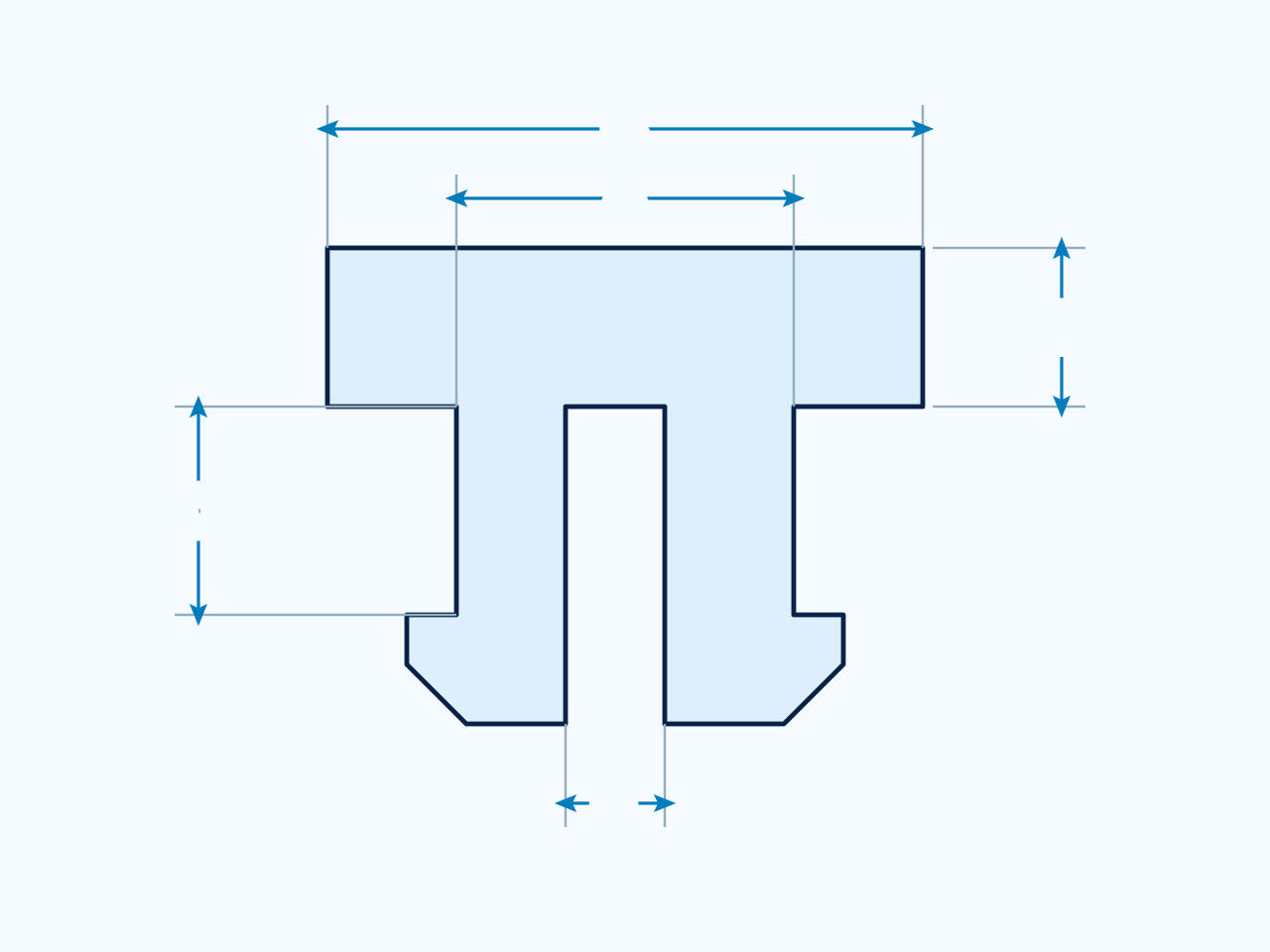
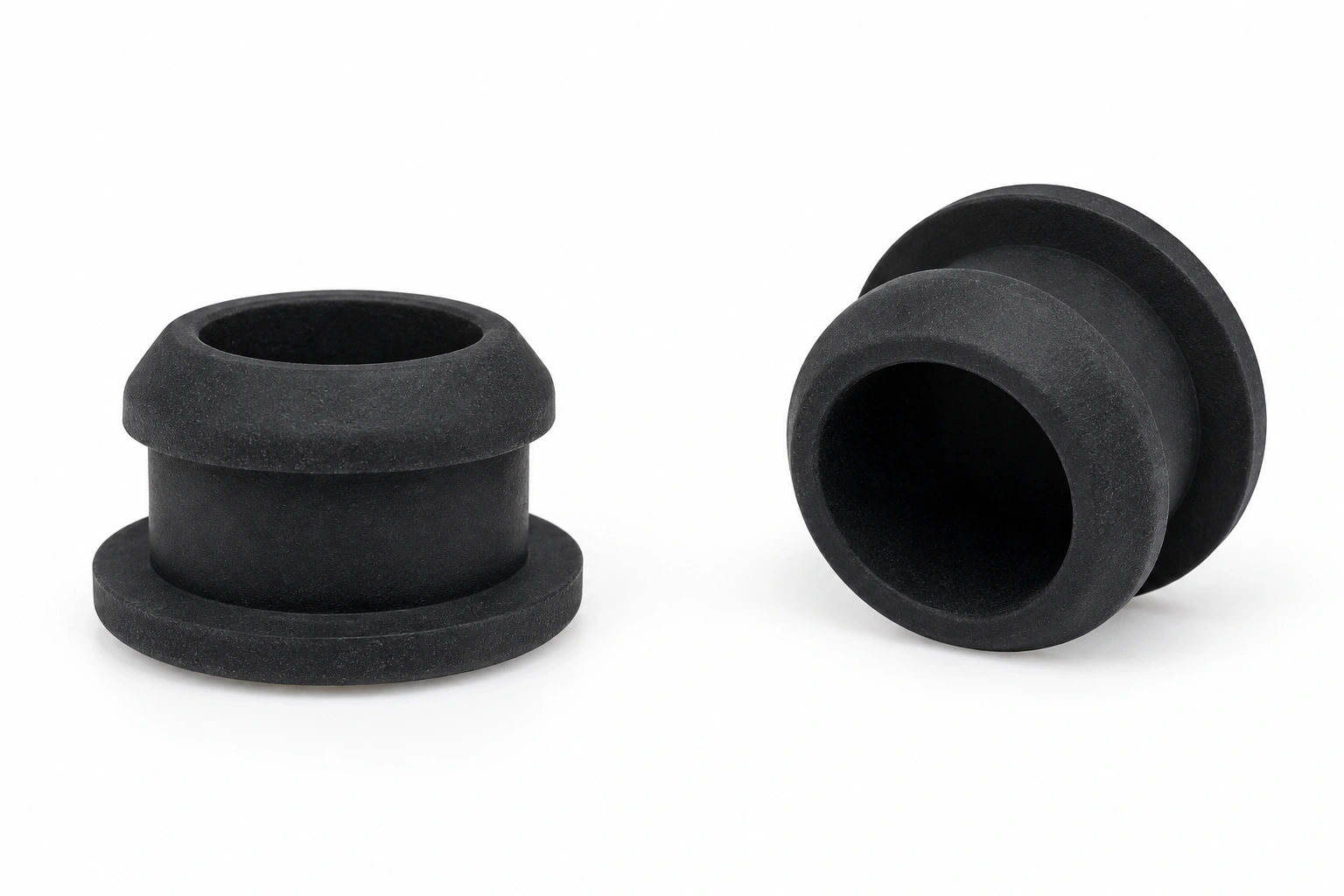
RSD T-Shaped Stoppers
Compare stem diameter A, flange diameter B, stem length C and head thickness D, in mm. Check the seating surface and available depth as well as the hole diameter.
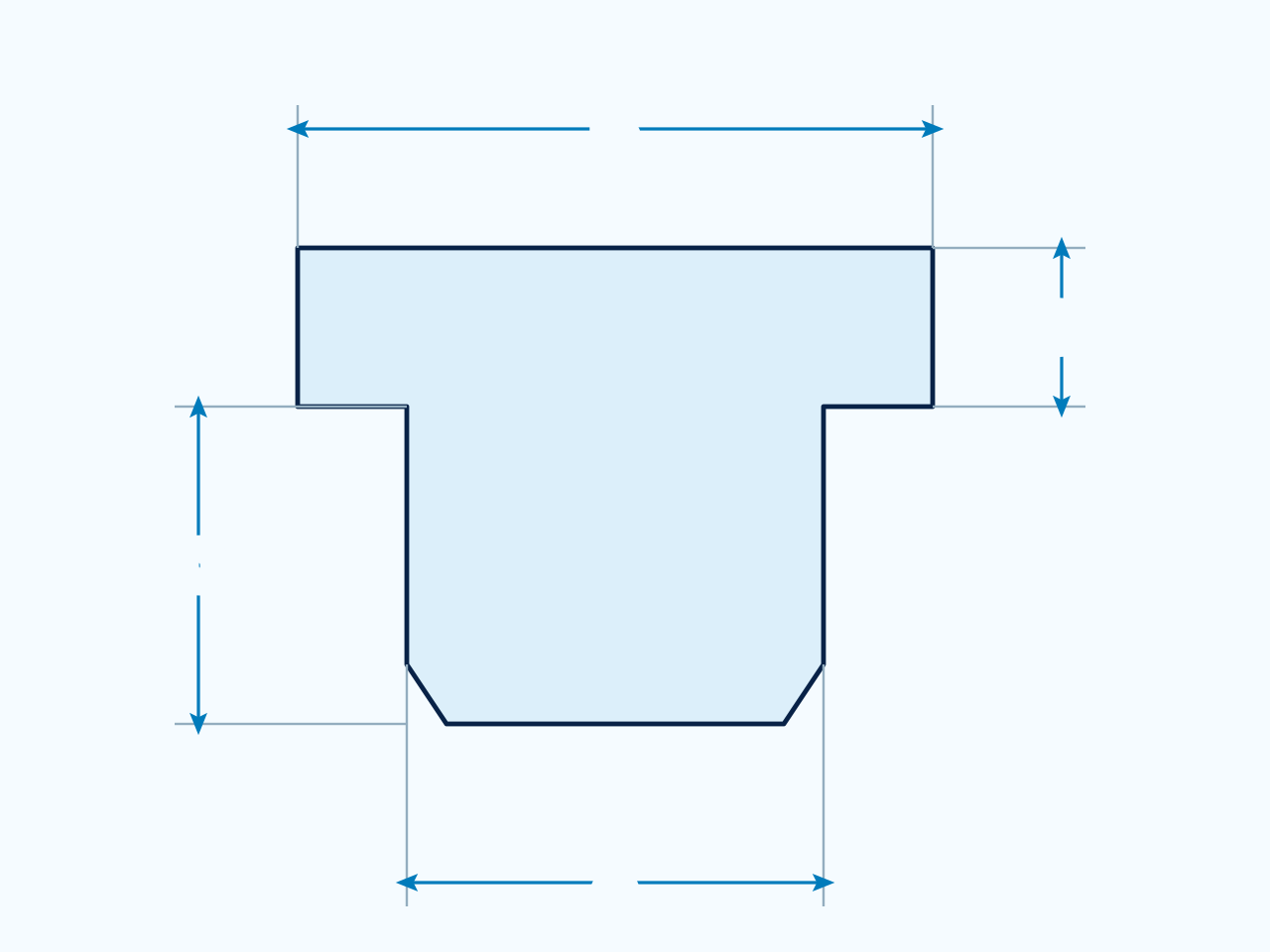
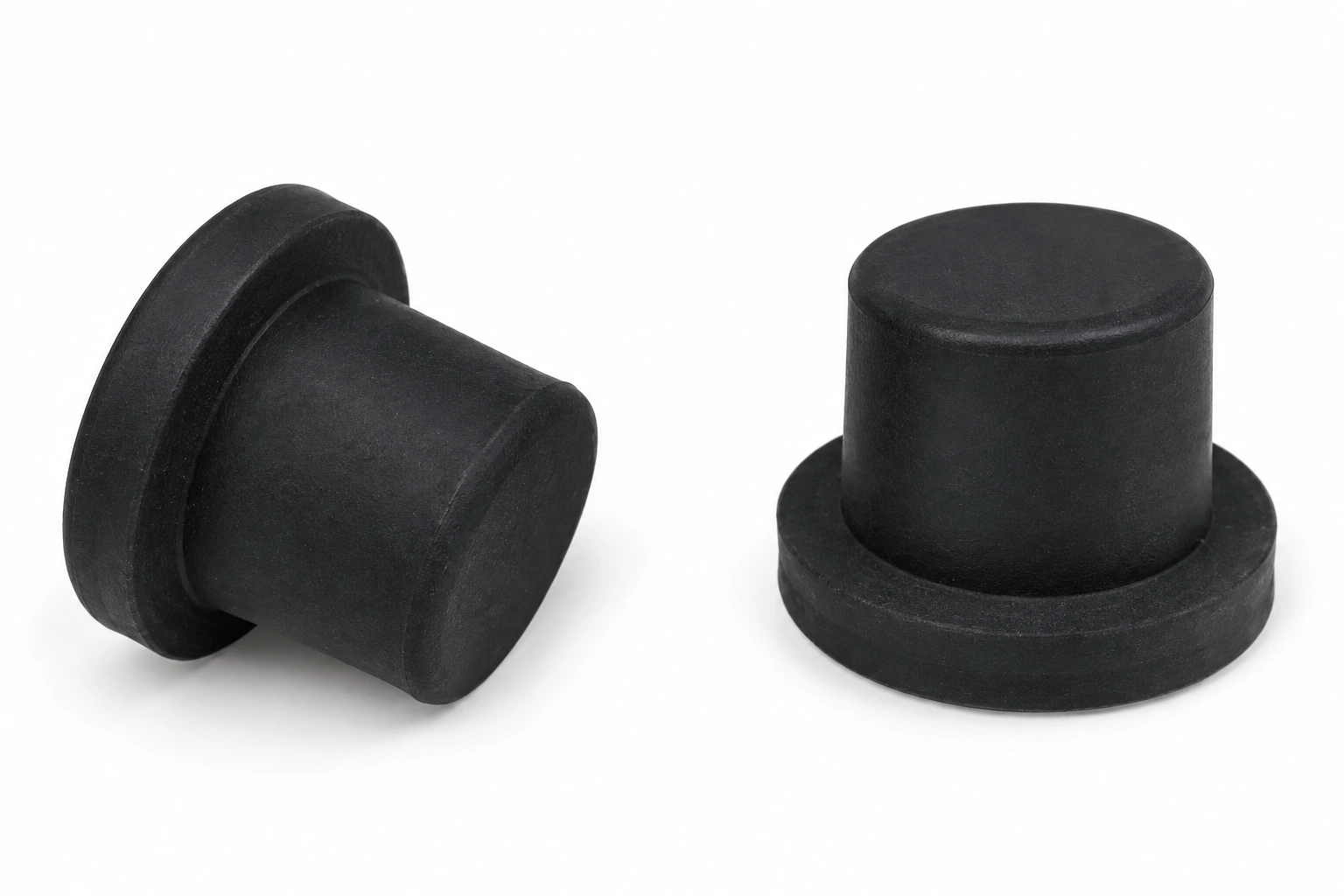
Need a different fit? Share the opening dimensions, mating profile and intended use for a custom size.
Discuss Your RequirementsProduct specifications
- Product form
- Removable closure fitted inside an opening
- Material
- Silicone. Specify the compound grade for the selected service.
- Application focus
- Laboratory vessels. Size the part against the selected assembly.
- Dimensions to confirm
- Opening diameter, closure profile, insertion depth and exposed grip.
- Exposure to evaluate
- Rubbing or abrasion and oil splash. Validate the selected material under the combined conditions.
- Seating check
- Check the sealing contact around the opening and the force needed for insertion and removal.
Need a quote or a custom part?
Send your requirements, drawings or samples to discuss standard and custom silicone rubber parts.
Email us[email protected]