
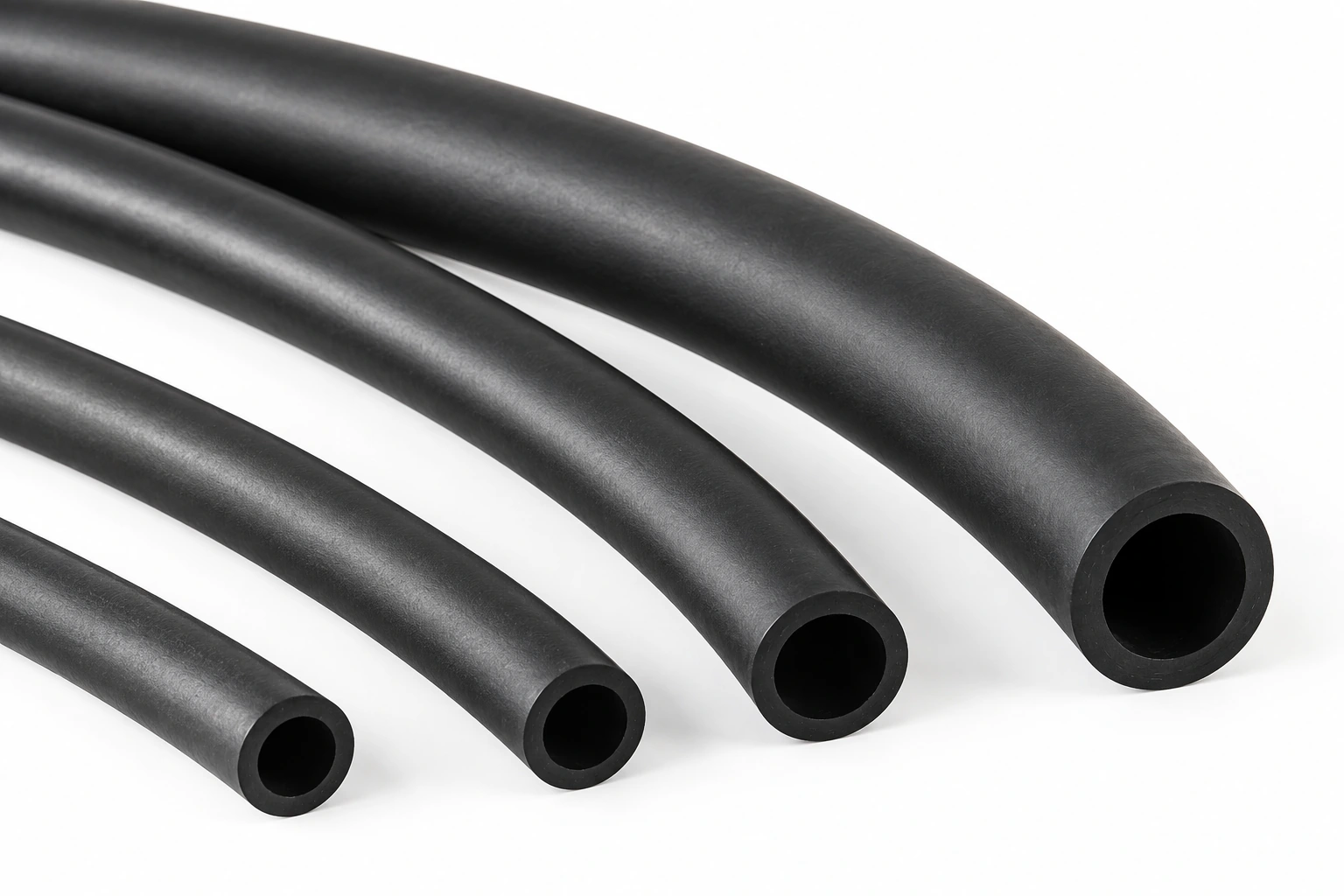
Thin rubber tube
Rubber tubes are one of the world’s most widely used items. We have a large selection of different rubber tubes made of various rubber materials. Thin rubber tubes are one of the things we supply and produce at a very affordable price tag. Thin rubber tube has a solidified position in a variety of industries and may be applied and utilized in a variety of ways – both commercial and regular. Industries such as automotive, military, chemical, food-processing, marine, and many others, are very keen on using a thin rubber tube. In fact, many of them are dependent on using them.
When we talk about a thin rubber tube, we can’t forget to mention that most of these are made out of silicone. Some of them are made out of latex, but silicone is the most prominent choice for a thin rubber tube. Why? Well, first of all, silicone is a lightweight material, making it virtually perfect for an application such as this one. Seeing how some of these tubes can be as thin as one-tenth of a millimetre, it is understandable that we would want to use something lightweight. However, lightweight does not equal not durable. In the case of silicone, it is quite the opposite.
Silicone is inarguably one of the most durable synthetic rubbers out there. First of all, it is extremely flexible and durable, which means that no matter how thin the tube is, it should be able to withstand quite a bit of wear and tear. You could stretch out a silicone thin rubber tube quite a lot before you would damage it permanently. Additionally, silicone is also very resistant to heat and cold, and a thin rubber tube made from silicone can be used at temperatures as low as negative 60 to as high as 260 degrees Celsius.
Rubber Hose Size Catalog
Compare tube bore, outside diameter and available wall thickness. Confirm material compatibility and operating requirements for the selected hose.
Rubber Hose
Compare Inside Diameter and Outside Diameter in mm. The cross-section drawing identifies the bore and outside diameter; confirm the selected tube material and service requirements.

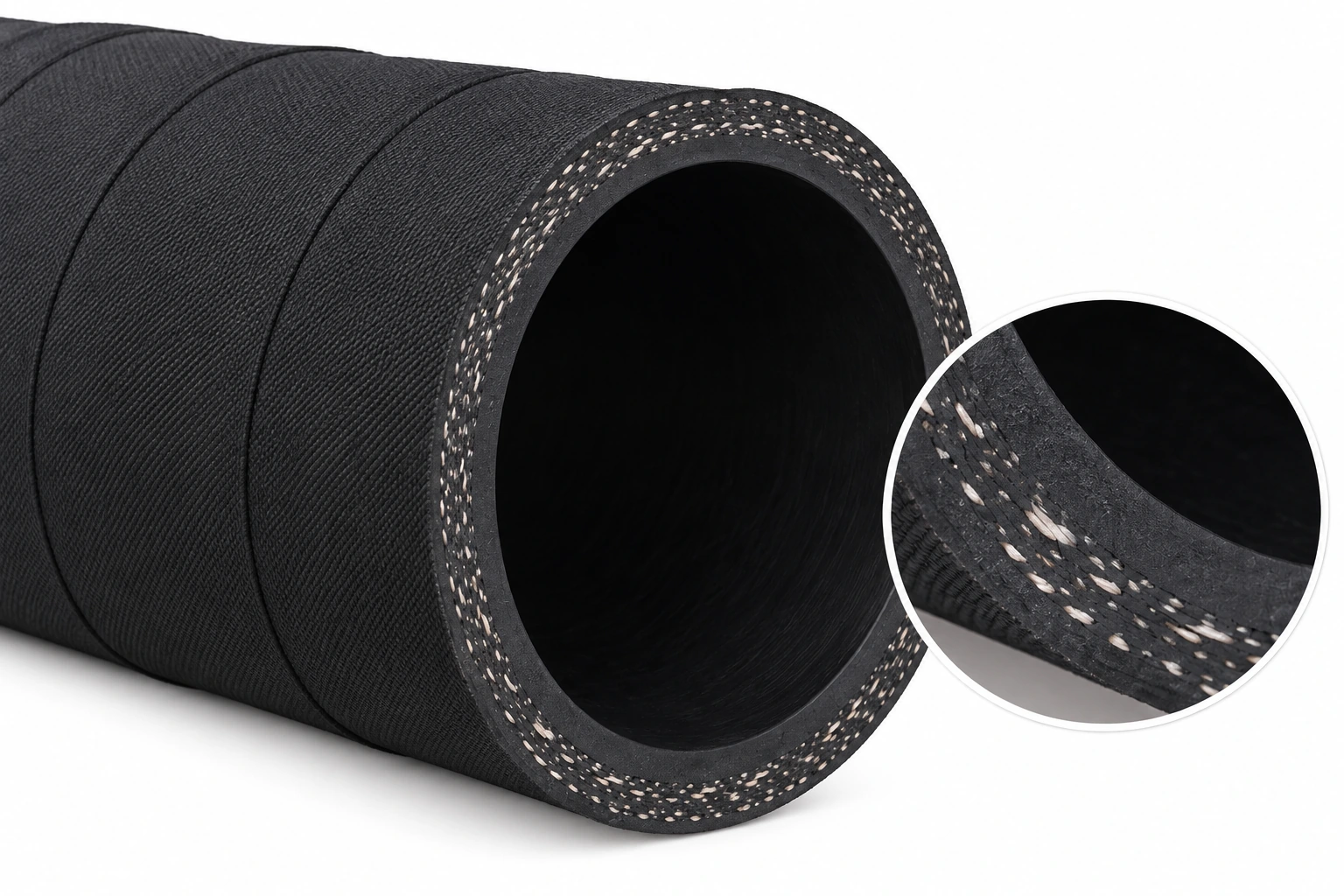
Fluororubber Hose
Compare Inside Diameter and Outside Diameter in mm. The cross-section drawing identifies the bore and outside diameter; confirm the selected tube material and service requirements.
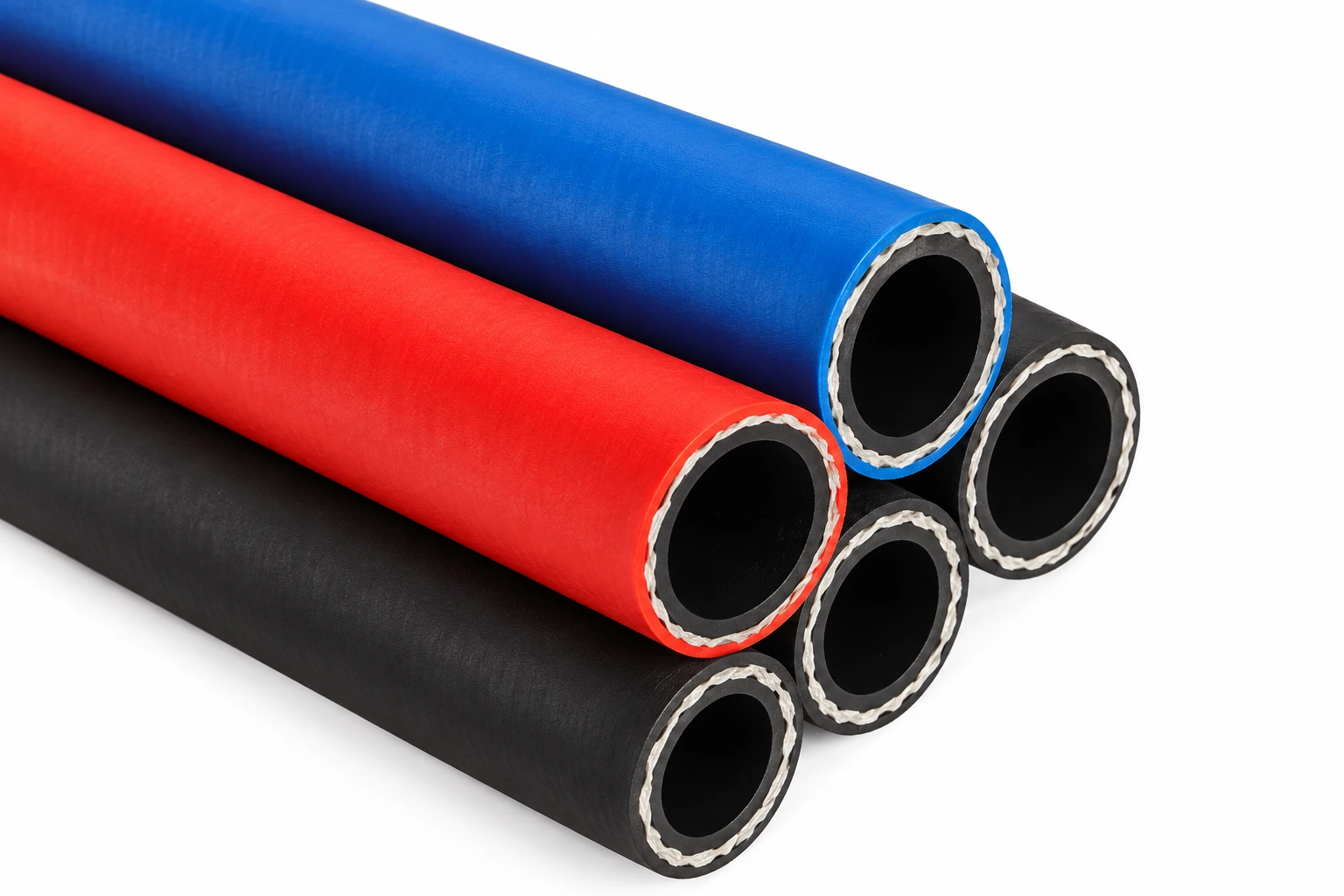
Colourful rubber high pressure hose
Compare Inside Diameter and Outside Diameter in mm, together with the listed Thickness and Colour. The cross-section drawing identifies the bore and outside diameter; confirm the selected tube material and service requirements.
Need a different size? Share your drawing, mating dimensions and intended use to discuss a suitable part.
Discuss Your RequirementsProduct specifications
- Product form
- Hollow elastomer tubing for a fitted line or sleeve
- Material options discussed
- Silicone and natural rubber / latex. Choose one formulation for the actual contact and loading conditions.
- Application focus
- Vehicle hose runs, food-processing equipment and marine installations. Size the part against the selected assembly.
- Dimensions to confirm
- Inside diameter, outside diameter, wall thickness and cut length. Match these to vehicle hose runs and food-processing equipment.
- Wall control
- Dimension wall thickness separately from the bore; check the required bending behavior and connection fit at that thickness.
- Contact conditions
- Food ingredients: define concentration, temperature and contact time, then check compatibility with the chosen compound.
- Line layout
- Check bend radius, unsupported spans and clearance at both connections.
Need a quote or a custom part?
Send your requirements, drawings or samples to discuss standard and custom silicone rubber parts.
Email us[email protected]