
Thin wall latex tubing
Thin wall latex tubing it can be made from natural latex that is present in nature, but synthetic latex is also very often used. Latex rubber, particularly non-vulcanized rubber, is a material that is popular in various industries. In order to obtain latex tubing, it is necessary that the latex be in the form of a sheet or dry stock, and then to vulcanized it. After that, it can be molded and made into a finished product, and that is thin wall latex tubing.
Latex is an ideal material for thin wall tubing because latex products are highly flexible, yet durable at the same time. Latex products are especially distinguished by the fact that they retain flexibility even at very low temperatures, which can otherwise significantly impair the flexibility of some other rubber materials.
That is why thin wall latex tubing is perhaps the most flexible type of rubber tubing because it is flexible both because of thin walls and because of latex. Despite the flexibility, thin wall latex tubing does not lag behind in terms of other features. It can be used for all industrial and household purposes as well as other rubber tubing. For example, latex as well as silicone can be food grade, which makes thin wall latex tubing very suitable for the food industry. The food industry often needs thin wall tubing, and since latex can be food grade, then this is the perfect choice. Exactly how thin the walls will be varies. It is not one type of tubing, but numerous sizes that vary from very thin to average thickness. Also, you need to choose the diameter of the tubing. This can be one of the diameters already offered, but also the diameter of your choice. You decide on the wall thickness and diameter you need, and leave the rest to us.
Rubber Hose Size Catalog
Compare tube bore, outside diameter and available wall thickness. Confirm material compatibility and operating requirements for the selected hose.
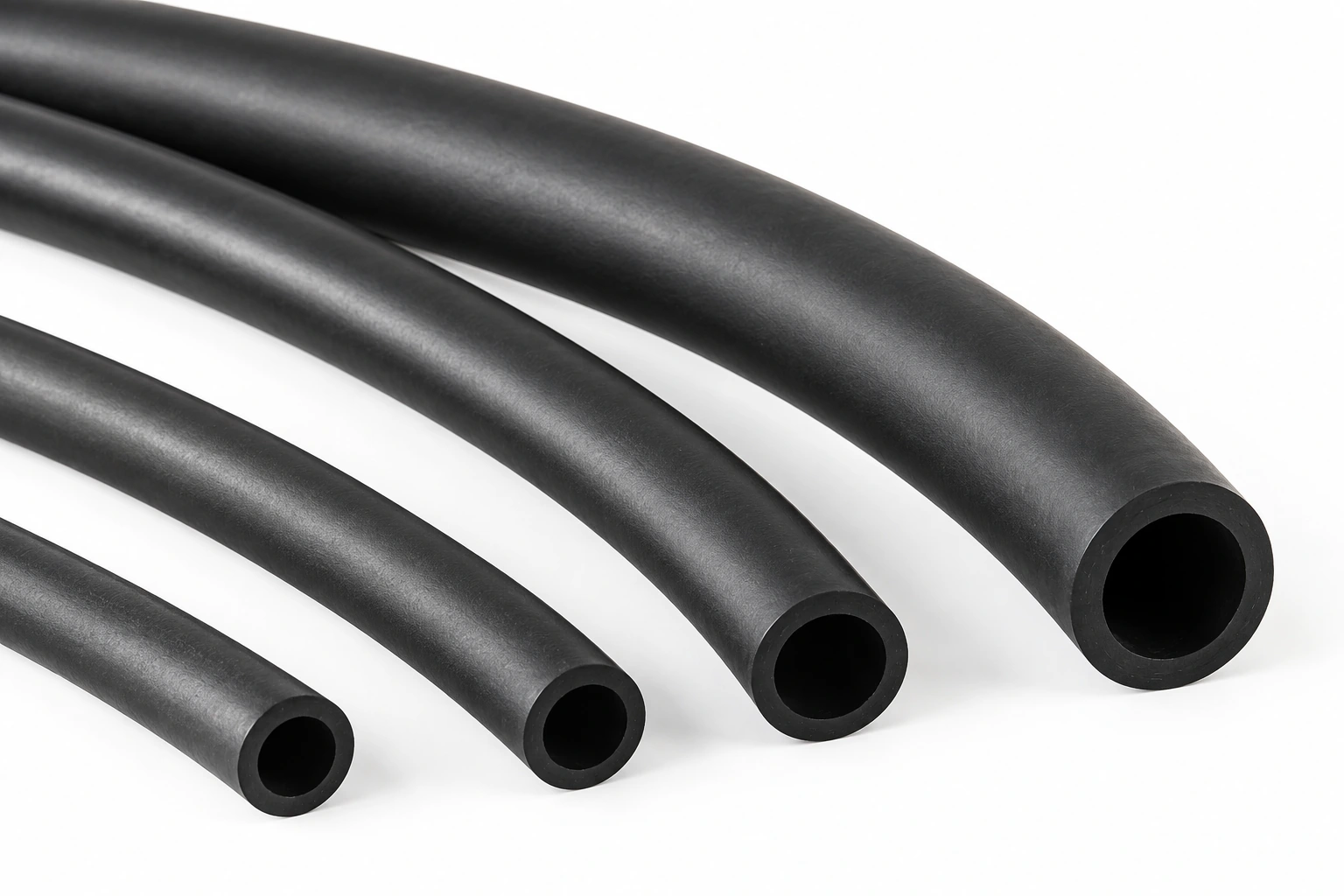
Rubber Hose
Compare Inside Diameter and Outside Diameter in mm. The cross-section drawing identifies the bore and outside diameter; confirm the selected tube material and service requirements.

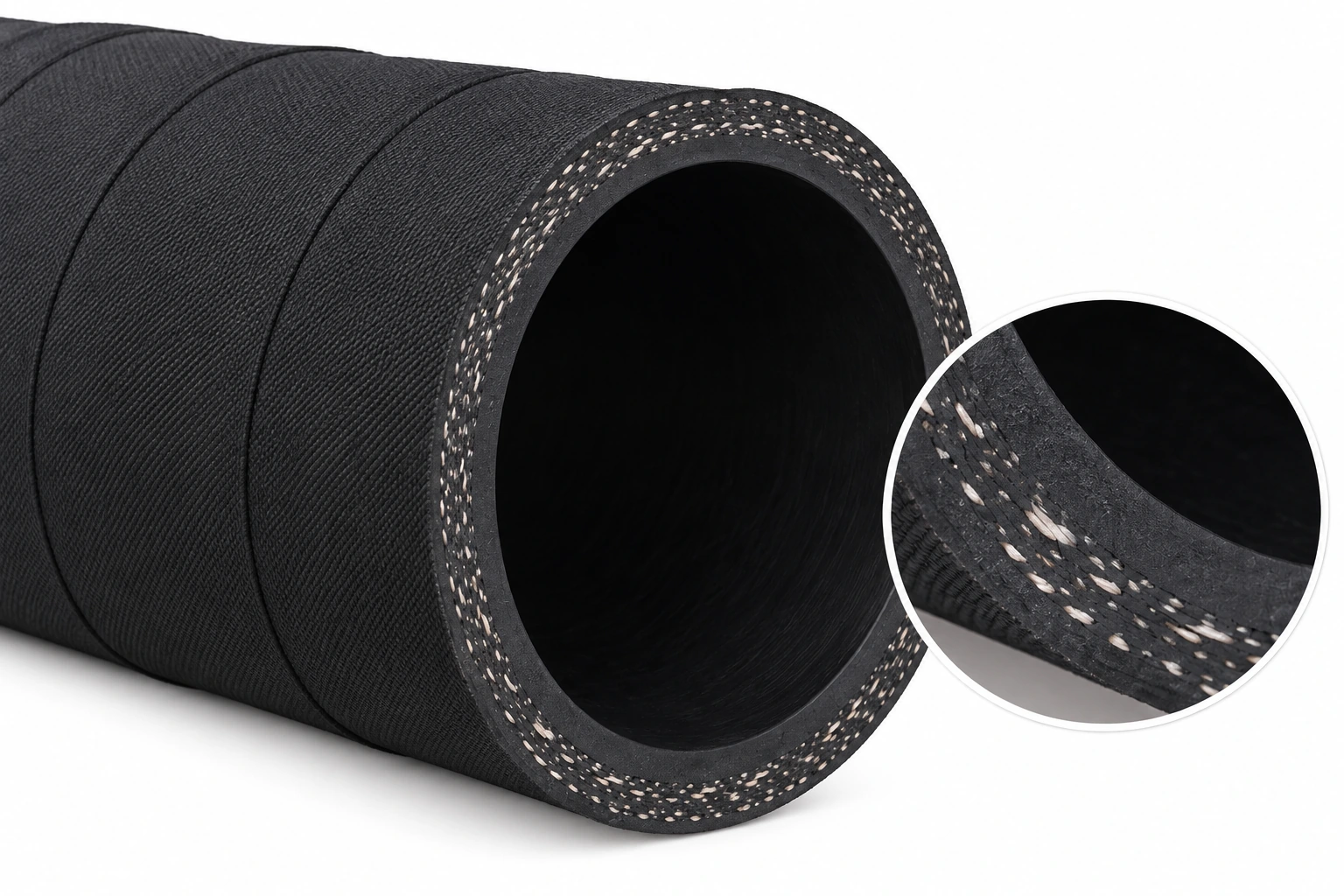
Fluororubber Hose
Compare Inside Diameter and Outside Diameter in mm. The cross-section drawing identifies the bore and outside diameter; confirm the selected tube material and service requirements.
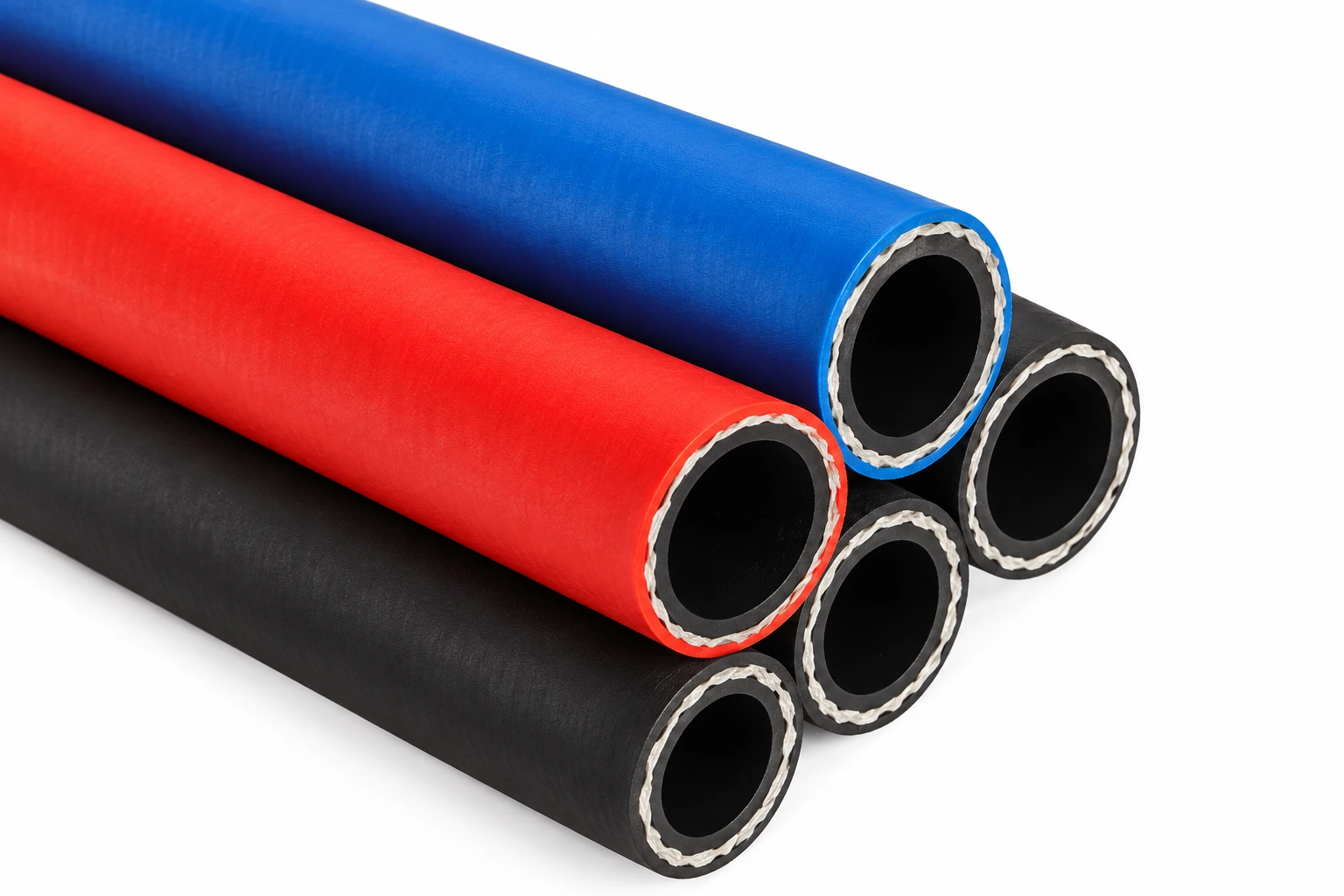
Colourful rubber high pressure hose
Compare Inside Diameter and Outside Diameter in mm, together with the listed Thickness and Colour. The cross-section drawing identifies the bore and outside diameter; confirm the selected tube material and service requirements.
Need a different size? Share your drawing, mating dimensions and intended use to discuss a suitable part.
Discuss Your RequirementsProduct specifications
- Product form
- Hollow elastomer tubing for a fitted line or sleeve
- Material
- Natural rubber / latex. Specify the compound grade for the selected service.
- Application focus
- Industrial fluid lines and food-processing equipment. Size the part against the selected assembly.
- Dimensions to confirm
- Inside diameter, outside diameter, wall thickness and cut length. Match these to industrial fluid lines.
- Wall control
- Dimension wall thickness separately from the bore; check the required bending behavior and connection fit at that thickness.
- Contact conditions
- Food ingredients: define concentration, temperature and contact time, then check compatibility with the chosen compound.
- Line layout
- Check bend radius, unsupported spans and clearance at both connections.
Need a quote or a custom part?
Send your requirements, drawings or samples to discuss standard and custom silicone rubber parts.
Email us[email protected]