
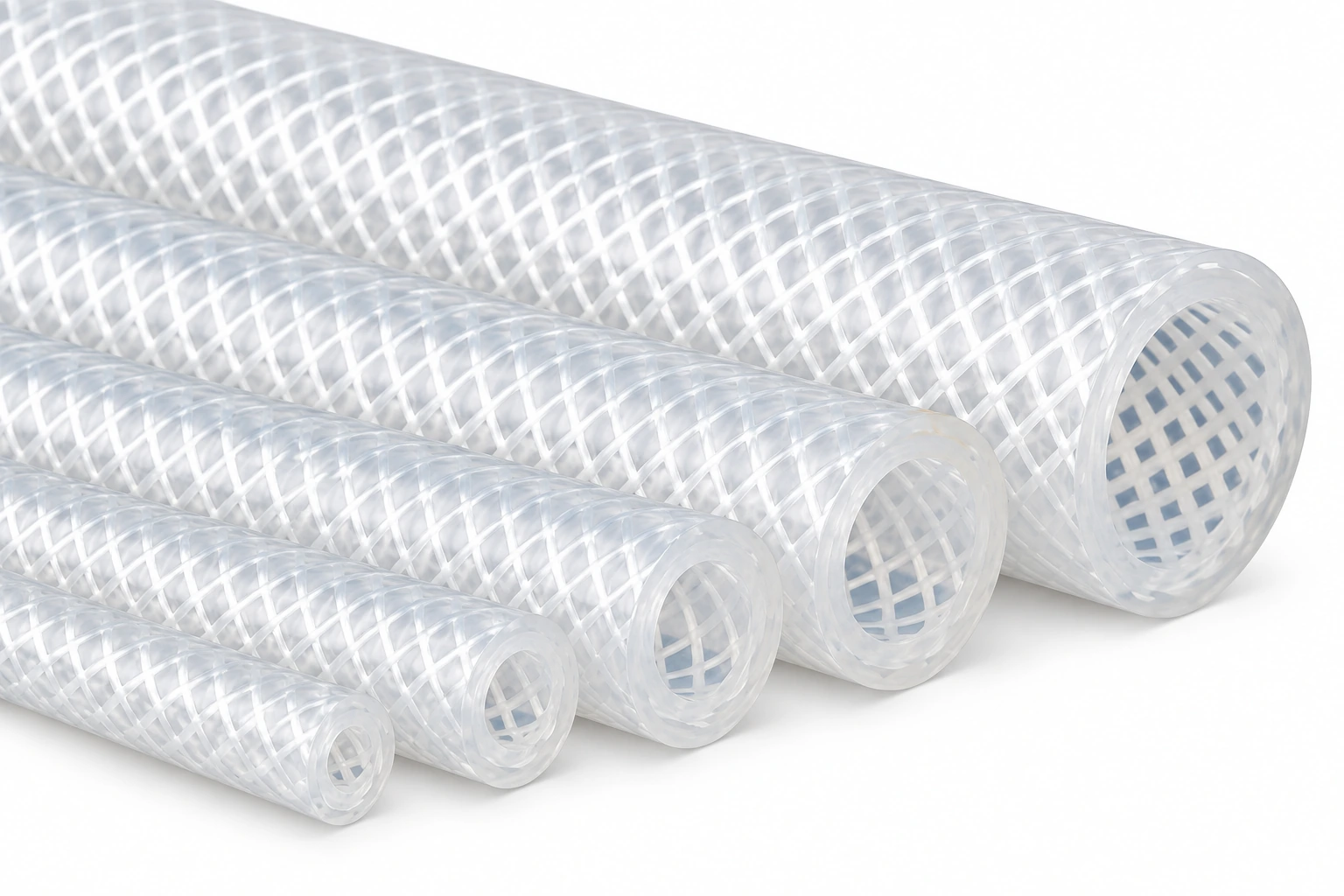
Thin wall silicone rubber tubing
The thin wall silicone rubber tubing is one of the most commonly used components in the food and beverage industry, places where dimensions are vital, and applications that don’t require additional protection against the environment. As you already know, the hoses that we use are completely water and dust-proof, and they will also protect your equipment from extremely high or low temperatures. When the application does not require you to work with harsh chemicals or in any conditions that are too extreme, you can easily utilize the thin wall silicone rubber tubing.
The great thing about these units is that they are much more bendable than the traditional ones, and they will allow you to transfer solids, fluids, and gasses much faster and easier. The opening is winder since the walls are thinner, and there can be easier transport without you having to worry about the opening. Note that these units are still going to provide the needed protection, and their application will not be compromised just because they are not as tick as the other options. As manufacturers, we make sure to offer items that are long-lasting, durable, and reliable, and we can customize the thickness of the walls of the tubing depending on your needs and requests.
The thin wall silicone rubber tubing is easy to implement, remove, and reuse and the only thing you need to pay attention to is the application. Note that even though these components can fit almost every project, you should not expose them to harsh chemicals that could lead to damage and melting. You can reach out to us if you need any information about the maintenance or the storing process, and we can aid you in picking the right type of thin wall silicone rubber tubing for your needs. These units are versatile, and there are no limits to how you can implement them, and they are also flexible, so they will follow the curves of your devices without getting broken or damaged.
Silicone Tubing Size Catalog
Compare inside diameter, outside diameter and listed wall thickness across silicone tube ranges. Confirm the material grade and application requirements for the selected part.
Food grade silicone tube
Compare Inside Diameter and Outside Diameter in mm, together with the listed Thickness and Colour. The cross-section drawing identifies the bore and outside diameter; confirm the selected tube material and service requirements.

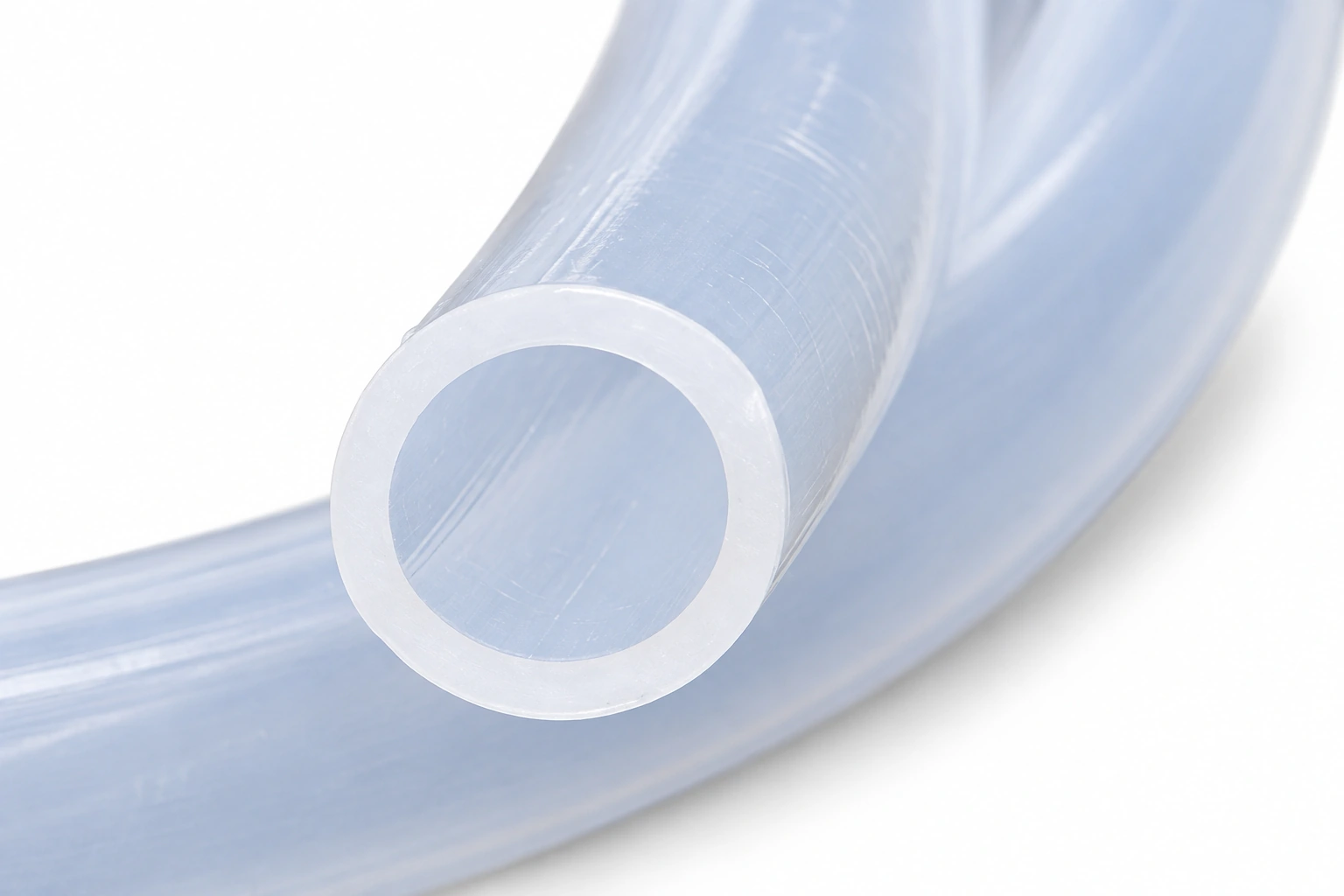
Black silicone tubing
Compare Inside Diameter and Outside Diameter in mm, together with the listed Thickness and Colour. The cross-section drawing identifies the bore and outside diameter; confirm the selected tube material and service requirements.
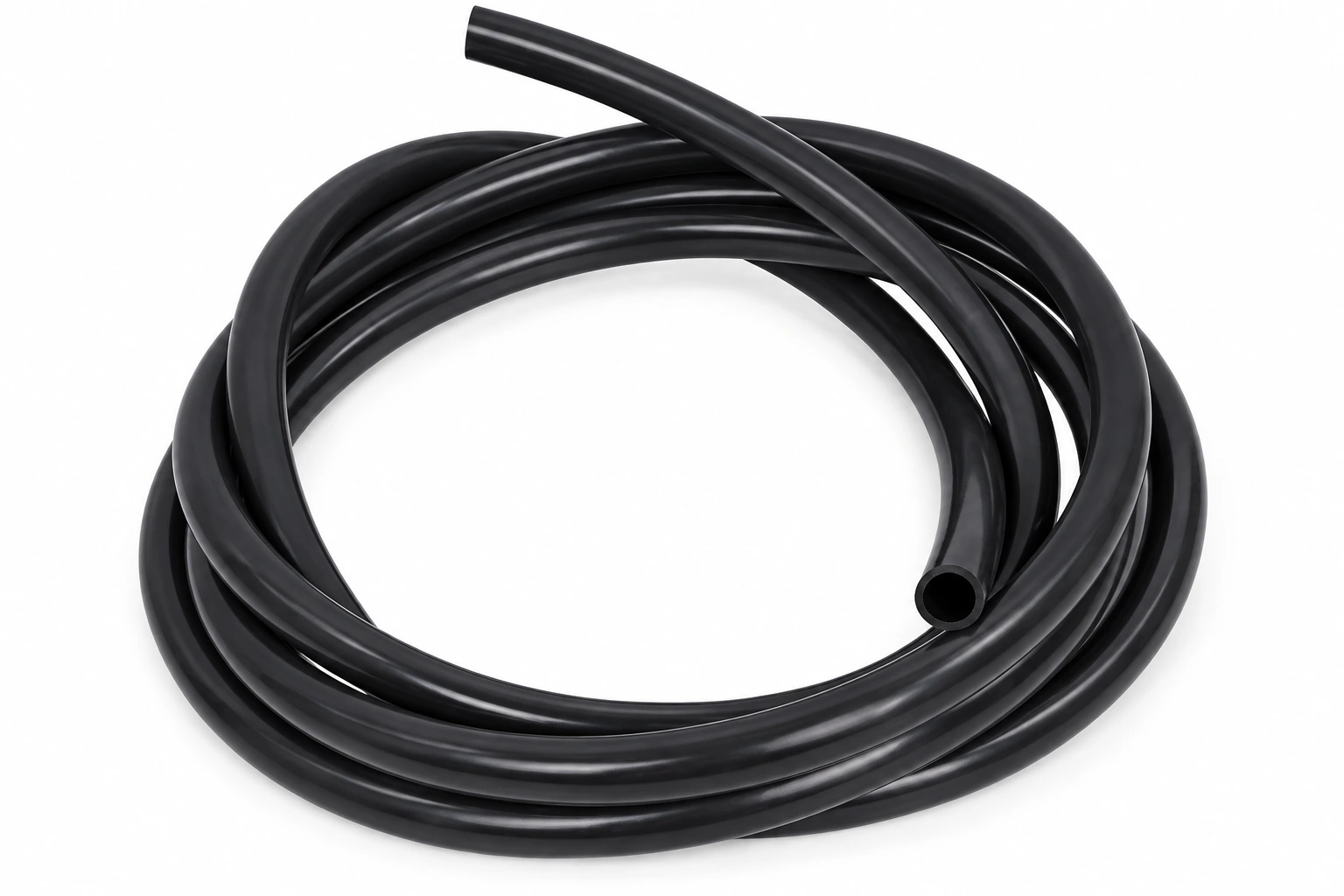
Industrial silicone tube
Compare Inside Diameter and Outside Diameter in mm, together with the listed Thickness and Colour. The cross-section drawing identifies the bore and outside diameter; confirm the selected tube material and service requirements.
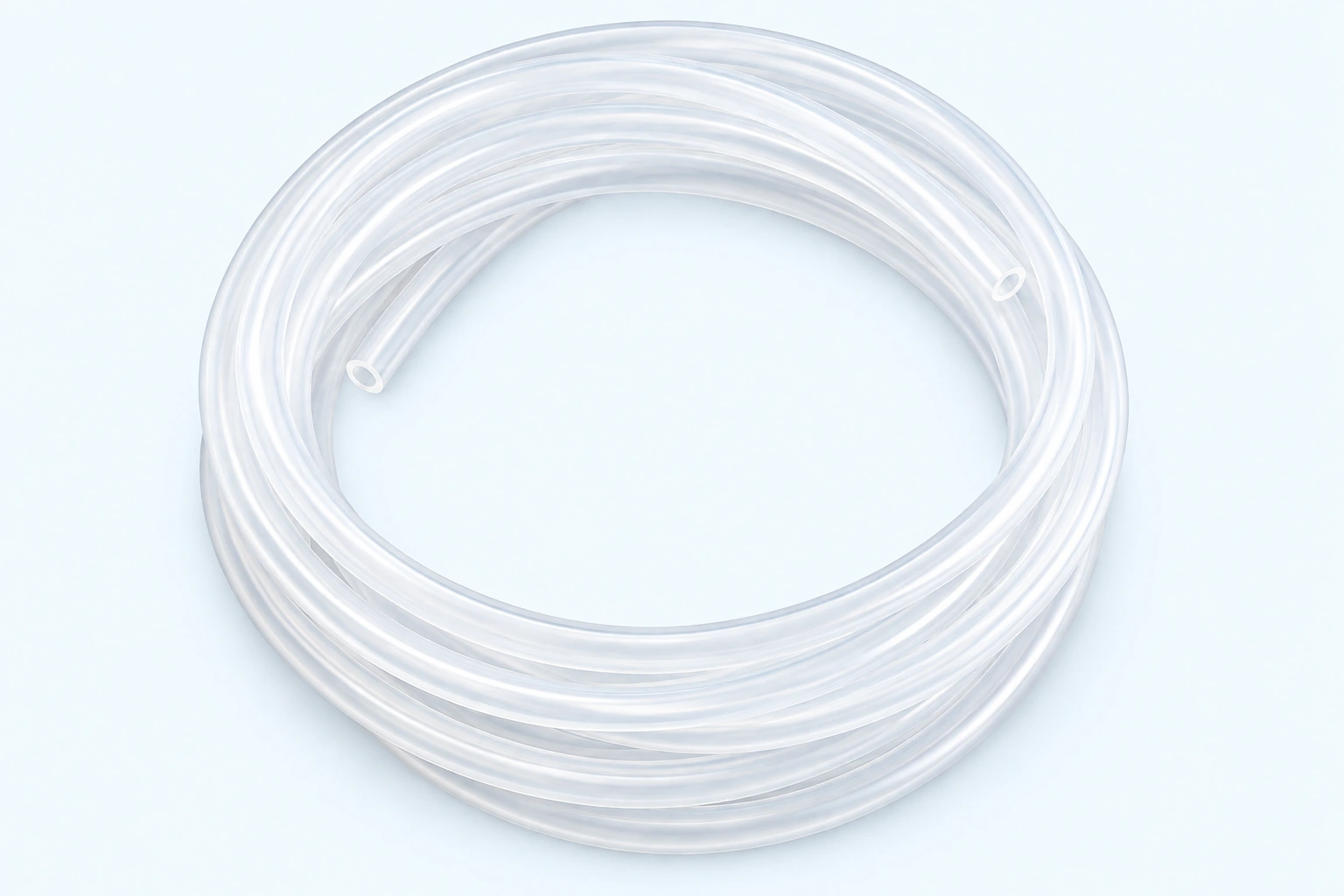
Colourful silicone braided tube
Compare Inside Diameter and Outside Diameter in mm, together with the listed Thickness and Colour. The cross-section drawing identifies the bore and outside diameter; confirm the selected tube material and service requirements.
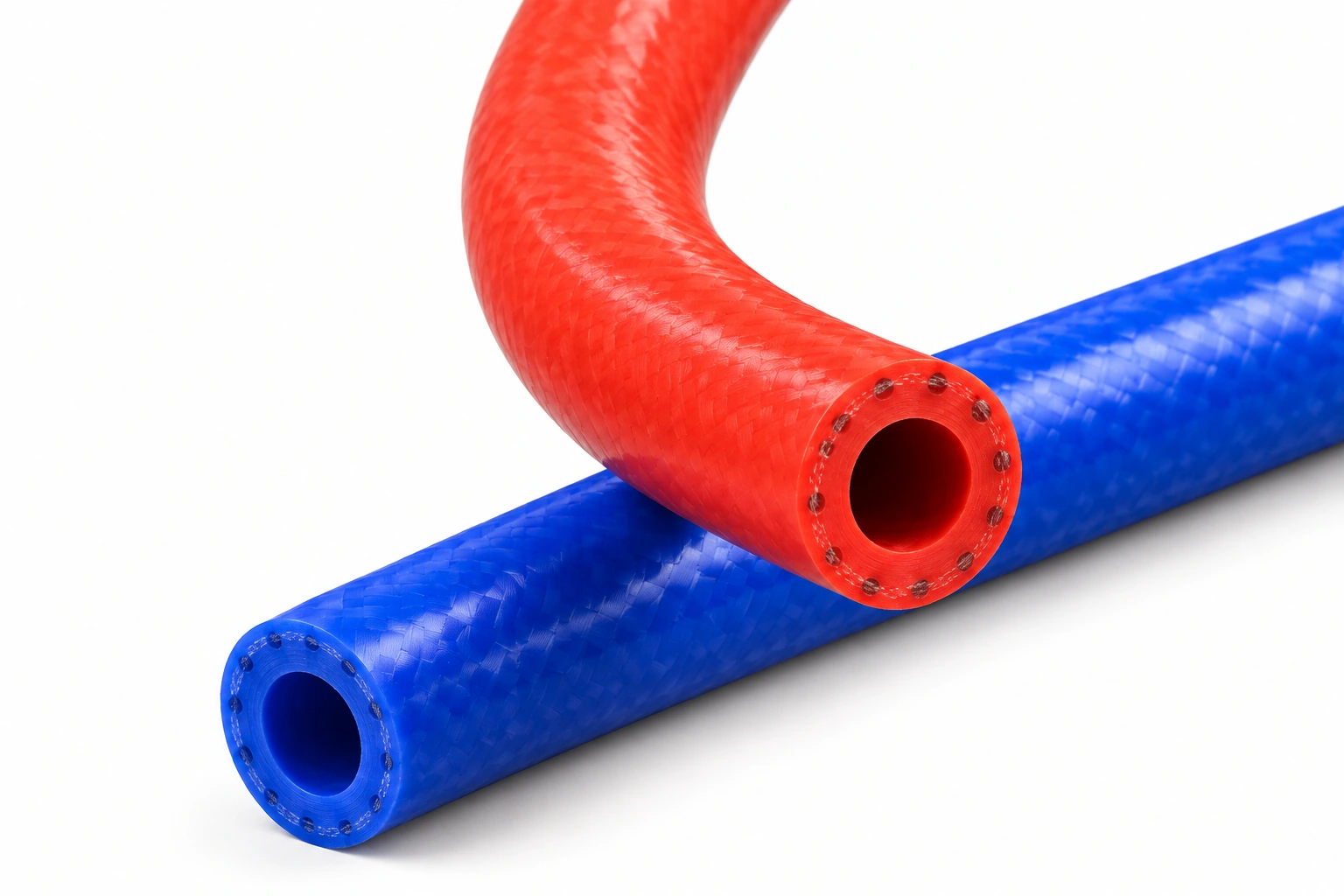
Food grade silicone braided tube
Compare Inside Diameter and Outside Diameter in mm, together with the listed Thickness and Colour. The cross-section drawing identifies the bore and outside diameter; confirm the selected tube material and service requirements.
Need a different size? Share your drawing, mating dimensions and intended use to discuss a suitable part.
Discuss Your RequirementsProduct specifications
- Product form
- Hollow elastomer tubing for a fitted line or sleeve
- Material
- Silicone. Specify the compound grade for the selected service.
- Application focus
- Food-processing equipment. Size the part against the selected assembly.
- Dimensions to confirm
- Inside diameter, outside diameter, wall thickness and cut length. Match these to food-processing equipment.
- Wall control
- Dimension wall thickness separately from the bore; check the required bending behavior and connection fit at that thickness.
- Contact conditions
- Food ingredients and water: define concentration, temperature and contact time, then check compatibility with the chosen compound.
- Exposure to evaluate
- Dust or debris. Validate the selected material under the combined conditions.
- Line layout
- Check bend radius, unsupported spans and clearance at both connections.
Need a quote or a custom part?
Send your requirements, drawings or samples to discuss standard and custom silicone rubber parts.
Email us[email protected]