
Culture vial stopper
Vials are one of the basic laboratory vessels used in various fields. They are used by both chemists and microbiologists to store certain liquids or other materials and to ensure that the contents remain protected from adverse external factors, such as light, oxygen and microorganisms. This is especially important with culture vials used to develop and store different bacterial cultures in microbiological laboratories. Culture vial stopper is one of the necessary accessories that ensures that the vial is optimally closed. It is equally important that the contents of it are protected in order to preserve all the material, as well as that bacteria do not come out of the container and do not pose a health hazard.
Our company produces culture vial stoppers that are needed by all microbiologists for optimal day to day functioning in the laboratory. If you are one of them, feel free to contact us and we will provide you with all the important information, as well as tips that will be useful to you when choosing. When buying a culture vial stopper, it is necessary to know the dimensions of the vial on which you will place them. Our stoppers are designed to be conical in shape, that is, to make the lower part narrower. It is important to choose the culture vial stopper that is narrower than the opening of your container, so that it can adequately seal it.
Rubber is an excellent material for making stoppers because it is inert, so it is not subject to chemical and microbiological reactions that would ultimately lead to changes in the properties of the material contained in the container. It is also resistant to various physical influences, such as high or low temperature, UV rays, oxygen and mechanical damage. This means that you can be sure that the contents of your culture vial are well protected from external influences, but also that the plug material will not interact with it, but will ensure that it retains all its basic characteristics. Finally, this means that the results of your experiments will be credible, which is the priority of every microbiologist.
Our Butyl Stoppers Size Chart
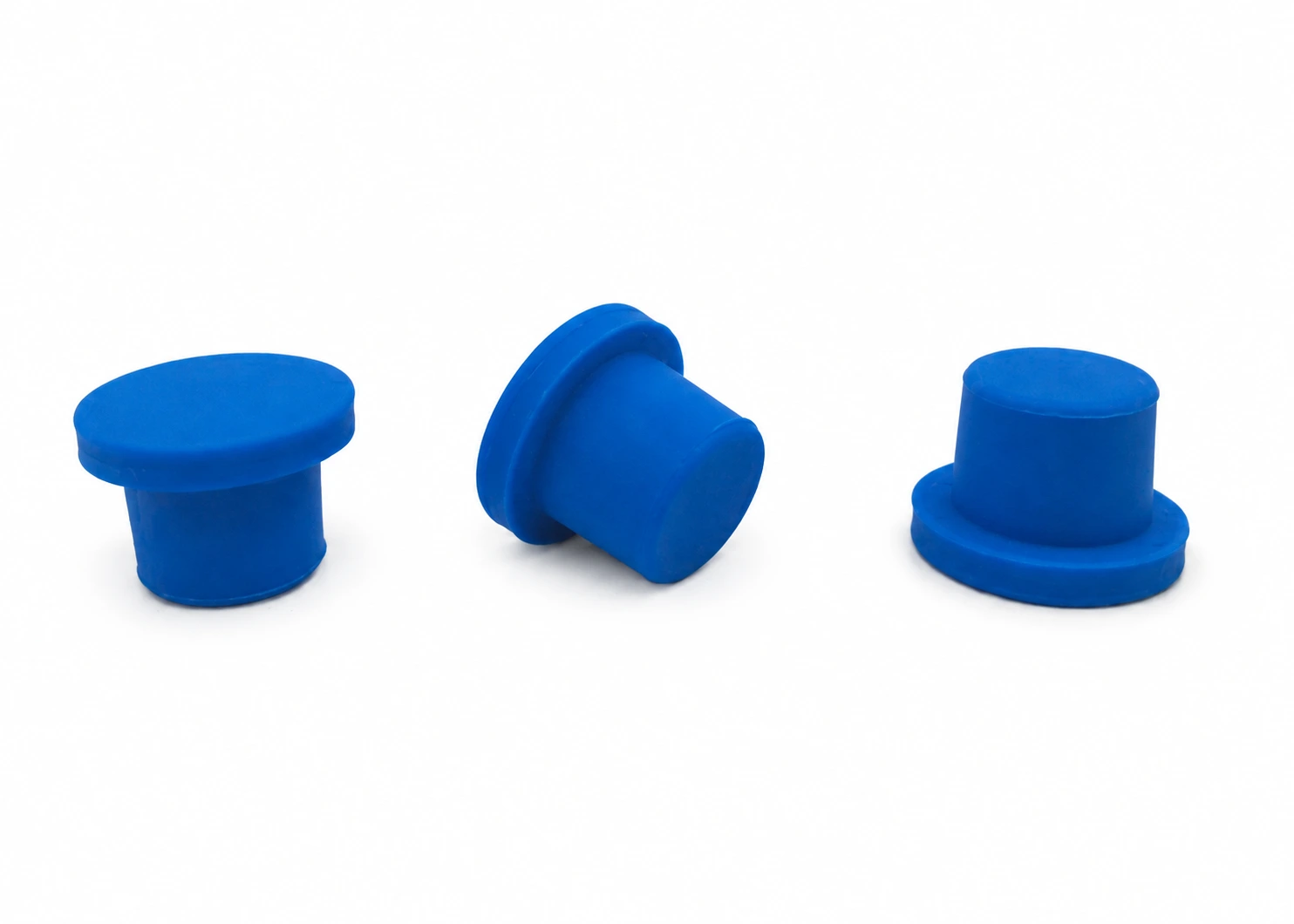
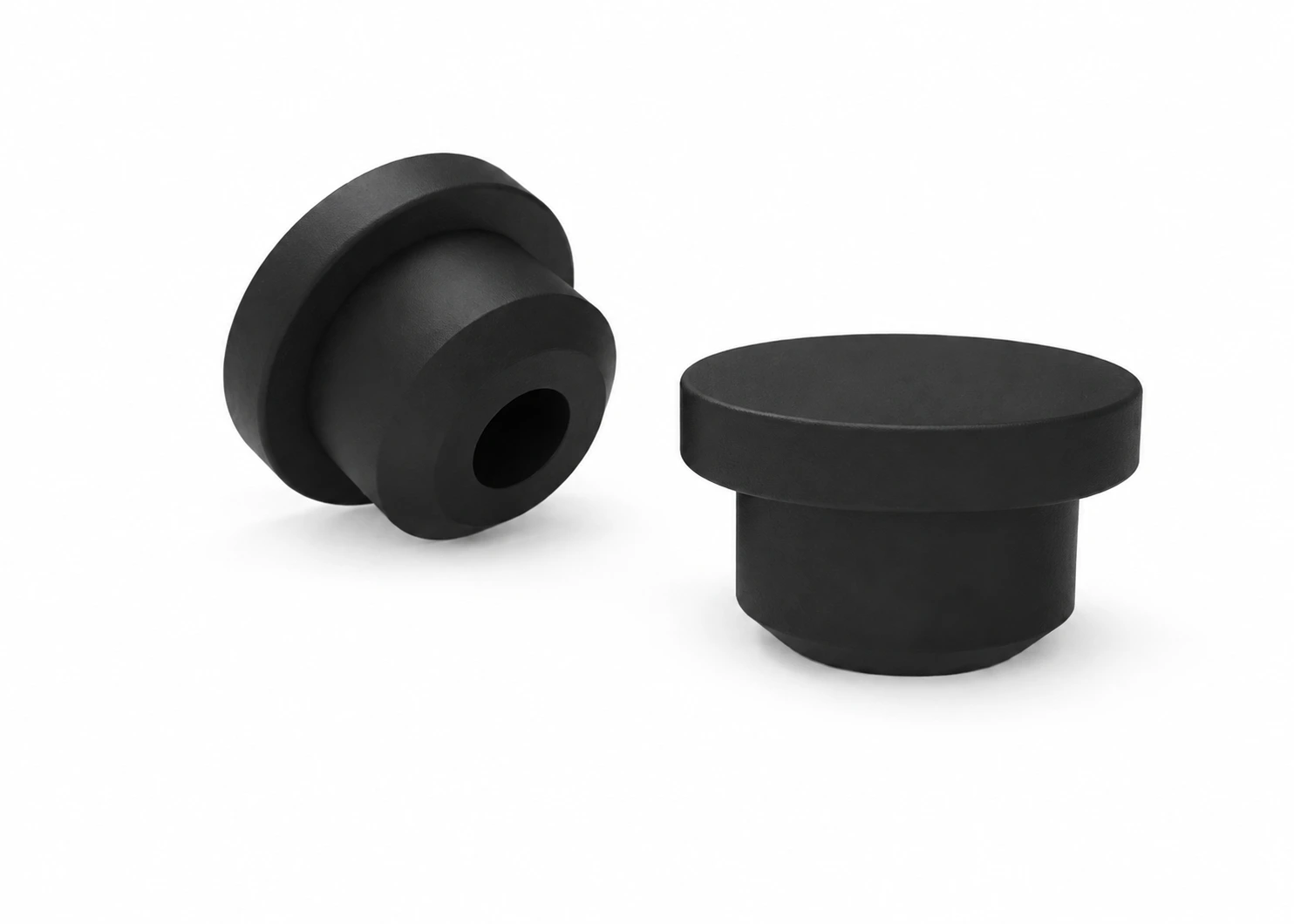
Bottle Stopper Size Catalog
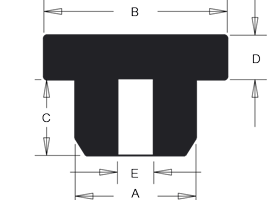
Compare the listed butyl stopper dimensions against the bottle opening and seating arrangement. Confirm the selected profile using the part drawing.
Custom colors are available to your Pantone color code. Include the code in your inquiry.
Butyl Rubber Stopper(Anaerobic bottle stopper)
Compare A, B, C, D and E in mm against the selected stopper drawing. The illustration shows a related profile; confirm the precise underside and fit before specifying the part.
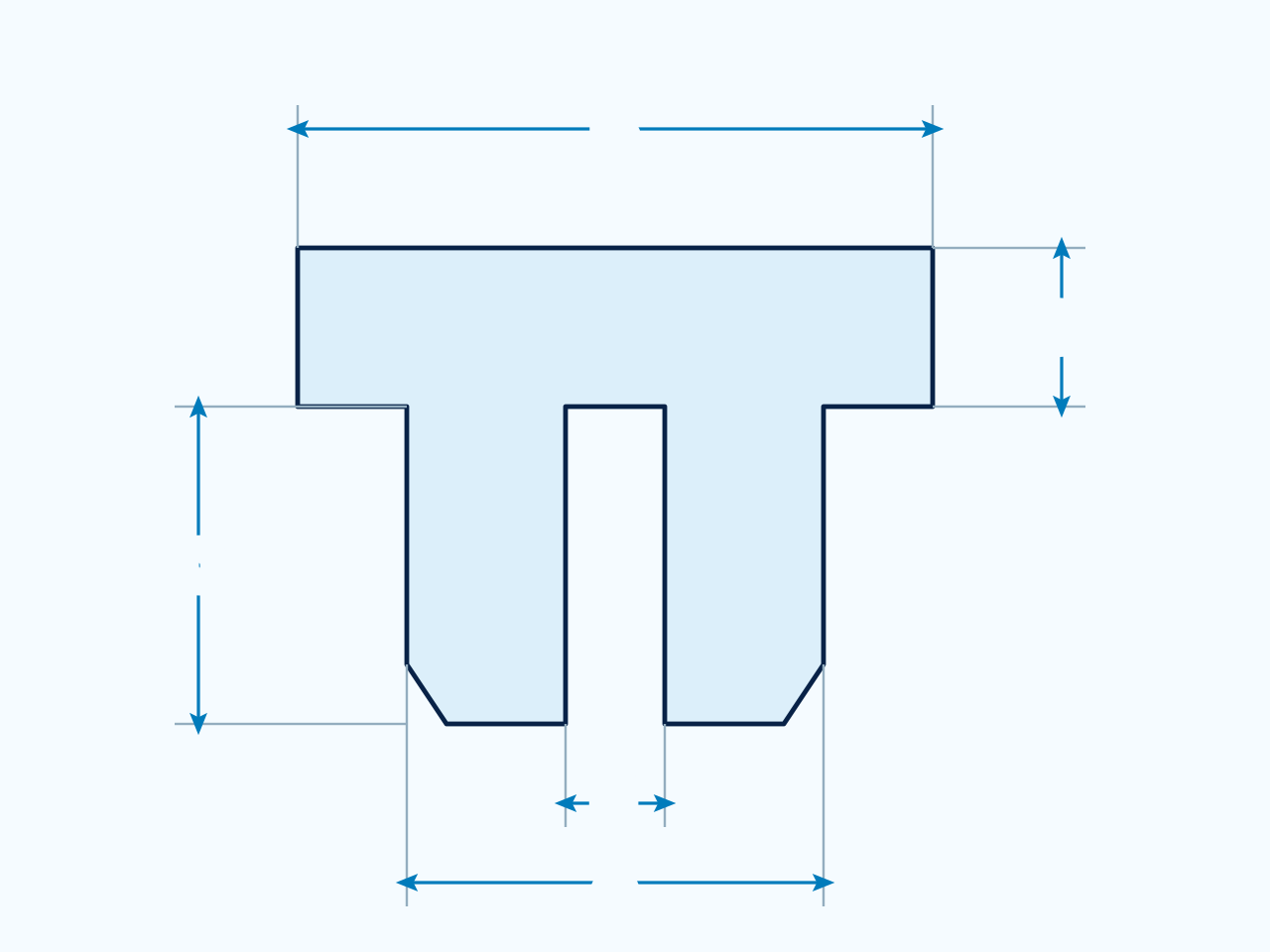
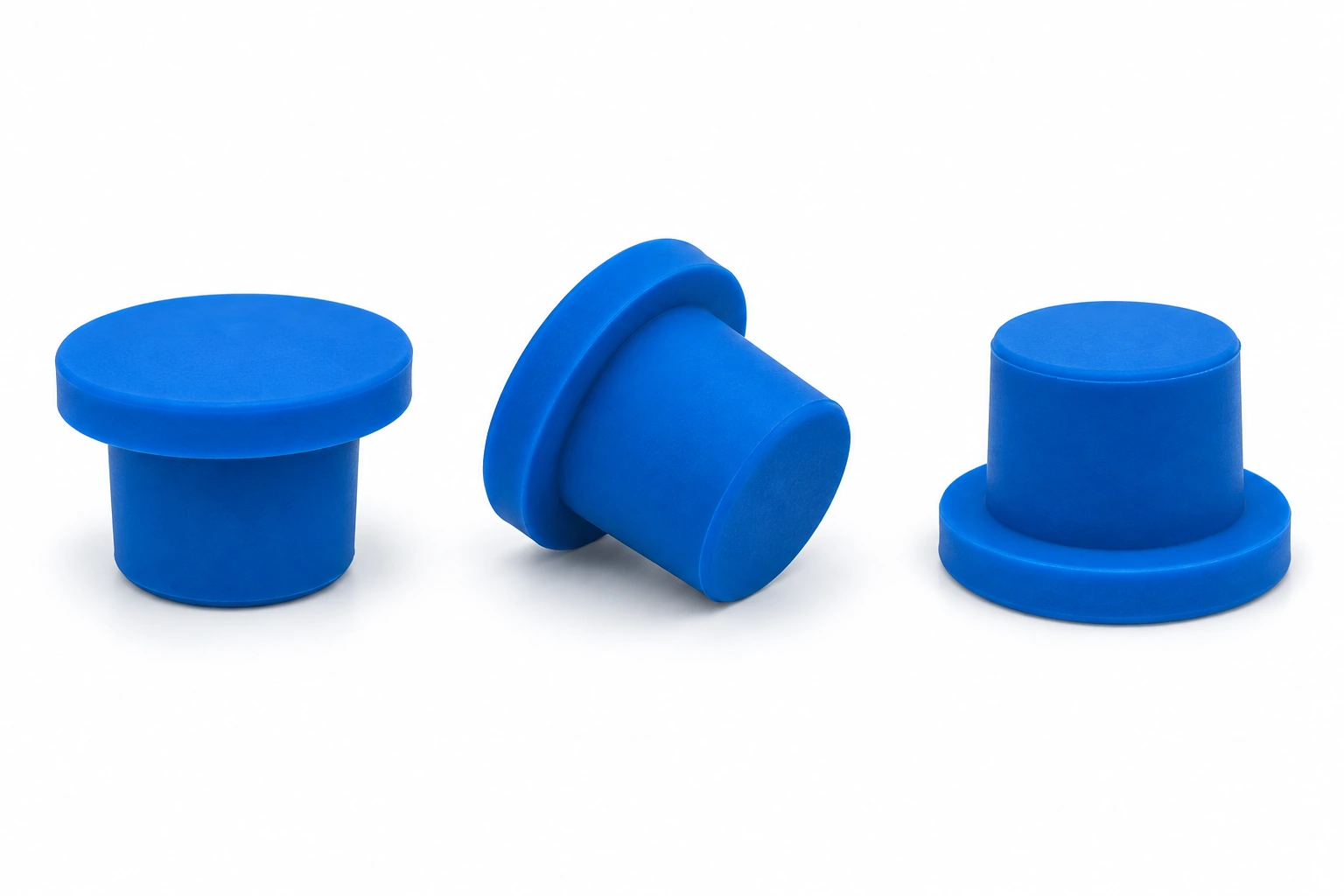
Need a different size? Share your drawing, mating dimensions and intended use to discuss a suitable part.
Discuss Your RequirementsProduct specifications
- Product form
- Vial or bottle closure matched to its neck finish
- Application focus
- Culture vials, vials and laboratory vessels. Size the part against the selected assembly.
- Dimensions to confirm
- Vial neck bore, sealing flange, plug depth and any crimp-cap interface. Match these to culture vials and vials.
- Profiles discussed
- Tapered sections. Select the profile that matches the mating part and dimension that section explicitly.
- Contact conditions
- Oxygen: define concentration, temperature and contact time, then check compatibility with the chosen compound.
- Exposure to evaluate
- Sunlight or UV. Validate the selected material under the combined conditions.
- Seating check
- Check the sealing contact around the opening and the force needed for insertion and removal.
Need a quote or a custom part?
Send your requirements, drawings or samples to discuss standard and custom silicone rubber parts.
Email us[email protected]