
Butyl rubber tubing
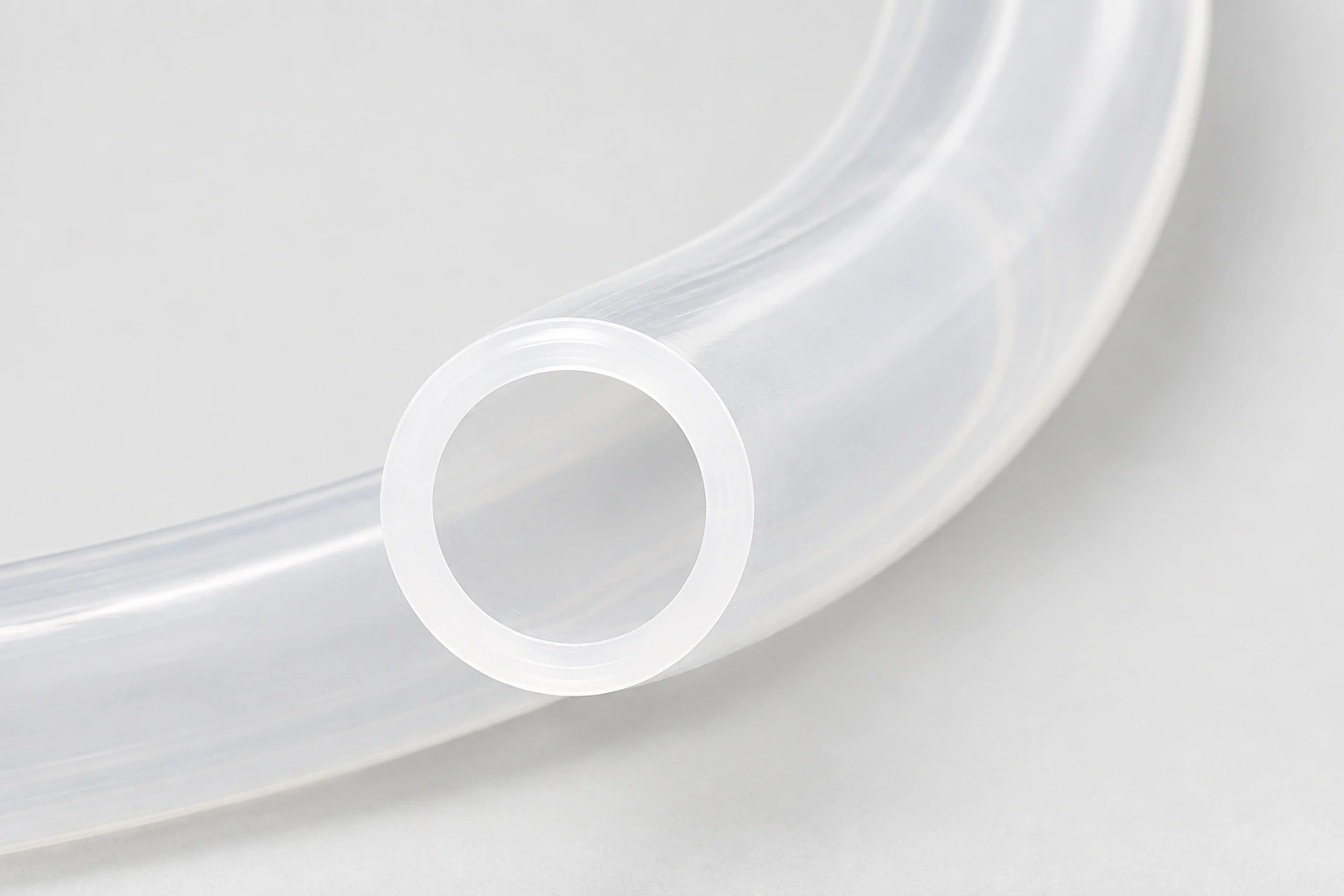
Butyl rubber tubing is a tubing made of synthetic rubber compound whose primary purpose is to conduct air and other gases, as well as to prevent their mixing if necessary. It is most commonly used for contact with air and carbon dioxide because it completely resists oxygen degradation. It is also gas-tight, which means that air diffusion is almost ten times smaller compared to natural rubber, for example.
That’s why I use butyl rubber tubing when low gas transfer is needed, so you can find butyl rubber tubing in pneumatic bladders and the like. Butyl rubber tubing is very durable in every way and not just because of its resistance to oxygen degradation. Ozone, as well as different weather conditions will not affect butyl rubber tubing, so you can count on durability, tear resistance and all the other characteristics that are necessary for butyl rubber tubing to perform its task. It can withstand temperatures from minus 40 to close to 300 degrees Celsius, so it will work even in extreme environments.
In general, butyl rubber tubing has thick walls, as this further affects the safe conduction of air and other gases. The thickness of the walls is often over 3 mm, and can be over 5 mm, for special purposes. When we talk about dimensions, primarily inner and outer diameter, you can find a variety of sizes and you can order custom butyl rubber tubing. You can also choose the thickness of the wall according to your needs. Butyl is a black or white synthetic rubber compound, but can be in other colors if requested.
Pressure rating which represents the minimum or maximum pressures that tubing can whitstand is great, which is necessary for tubing of this type. The hardness is mostly 30-60 Shore A, and the pressure that can be created inside the tubing is huge.
Need a quote or a custom part?
Send your requirements, drawings or samples to discuss standard and custom silicone rubber parts.
Email us[email protected]
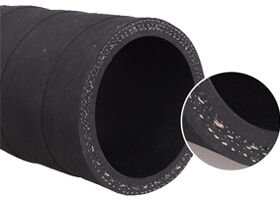
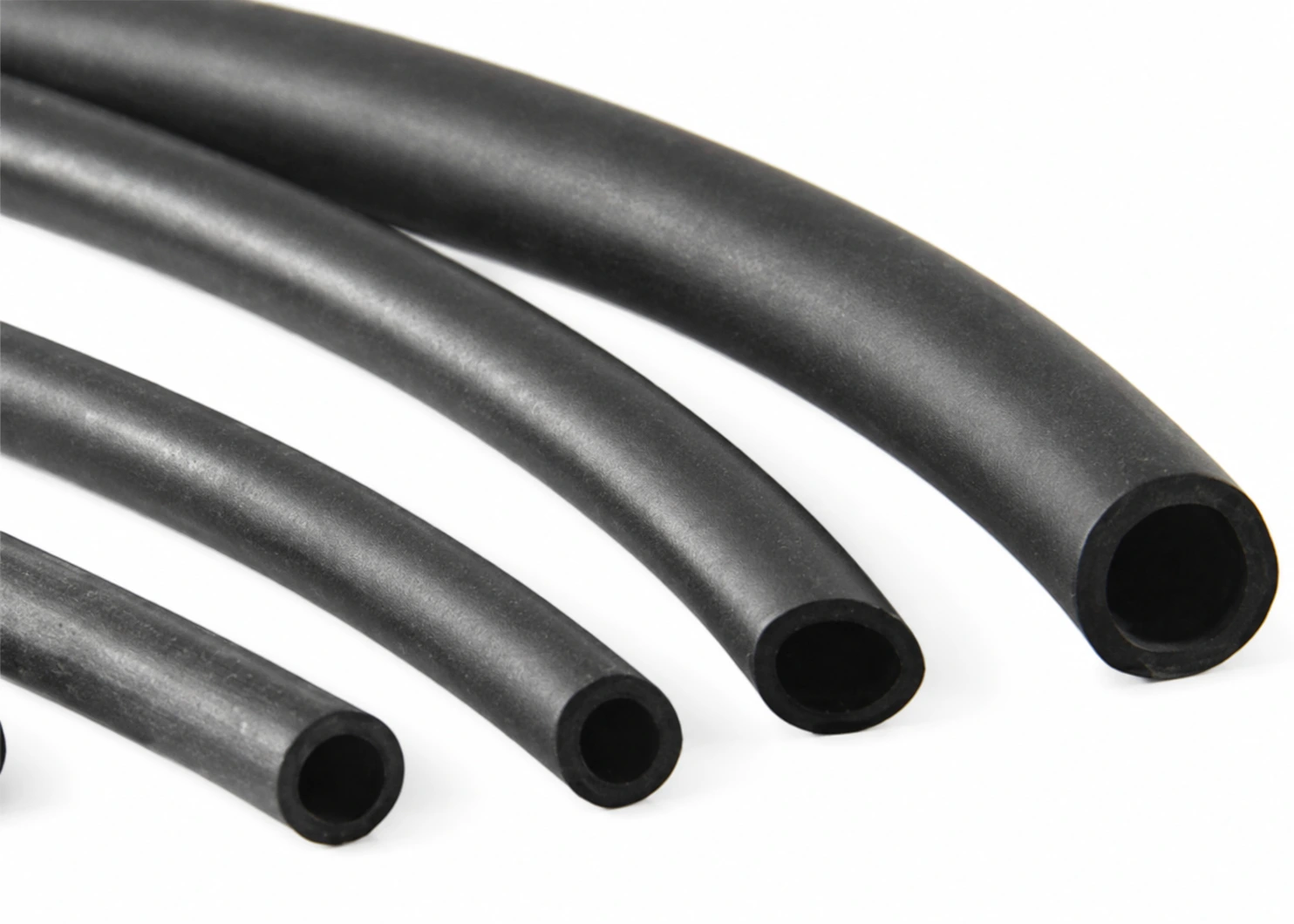
Rubber Hose Size Catalog
Compare tube bore, outside diameter and available wall thickness. Confirm material compatibility and operating requirements for the selected hose.
Rubber Hose
Compare Inside Diameter and Outside Diameter in mm. The cross-section drawing identifies the bore and outside diameter; confirm the selected tube material and service requirements.


Fluororubber Hose
Compare Inside Diameter and Outside Diameter in mm. The cross-section drawing identifies the bore and outside diameter; confirm the selected tube material and service requirements.

Colourful rubber high pressure hose
Compare Inside Diameter and Outside Diameter in mm, together with the listed Thickness and Colour. The cross-section drawing identifies the bore and outside diameter; confirm the selected tube material and service requirements.

Need a different size? Share your drawing, mating dimensions and intended use to discuss a suitable part.
Discuss Your Requirements