
Rubber Resistive Tubing
Rubber tubing is one of the most universally used products in the world. It is used to transport liquid, gases or some other substances from one place to another, without compromising either the environment or the transported substance. Considering the wide variety of substances that can be transported, it is easy to assume that there are various rubber tubes being manufactured by companies such as ours.
In general, all rubber tubes are divided into two categories – natural rubber tubing and synthetic rubber tubing. Natural rubber tubes are usually made from what is called gum rubber, also known as polyisoprene, and of course, latex. What makes natural rubber tubing special and to some degree different from synthetic tubing is that the natural rubber tubing is very resilient and tear resistant. That can loosely be translated into highly flexible, stretchable or rubber resistive tubing. Rubber resistive tubing can withstand significant physical changes without compromising its quality, state or shape. That means, these rubes can be stretched a lot before any abrasions or damages could occur and most importantly, upon releasing the tension, they would easily revert back to its original state. This is also called elastic memory.
Some machinery and industries have a significant use for these products, especially in vacuum applications, but that is not all that makes them special. Apart from excellent elastic memory, rubber resistive tubing is also highly resistant to changes in temperature. They can easily withstand temperatures as low as negative 30 degrees Celsius and as high as 150 degrees Celsius, without melting or deforming. Furthermore, rubber resistive tubing is also very chemically stable, meaning it can be used to transport various liquids and gases.
Finally, rubber resistive tubing can also be customized to your liking, all the way from size and diameter to the level or resistance you need, depending on the further application.
Rubber Hose Size Catalog
Compare tube bore, outside diameter and available wall thickness. Confirm material compatibility and operating requirements for the selected hose.
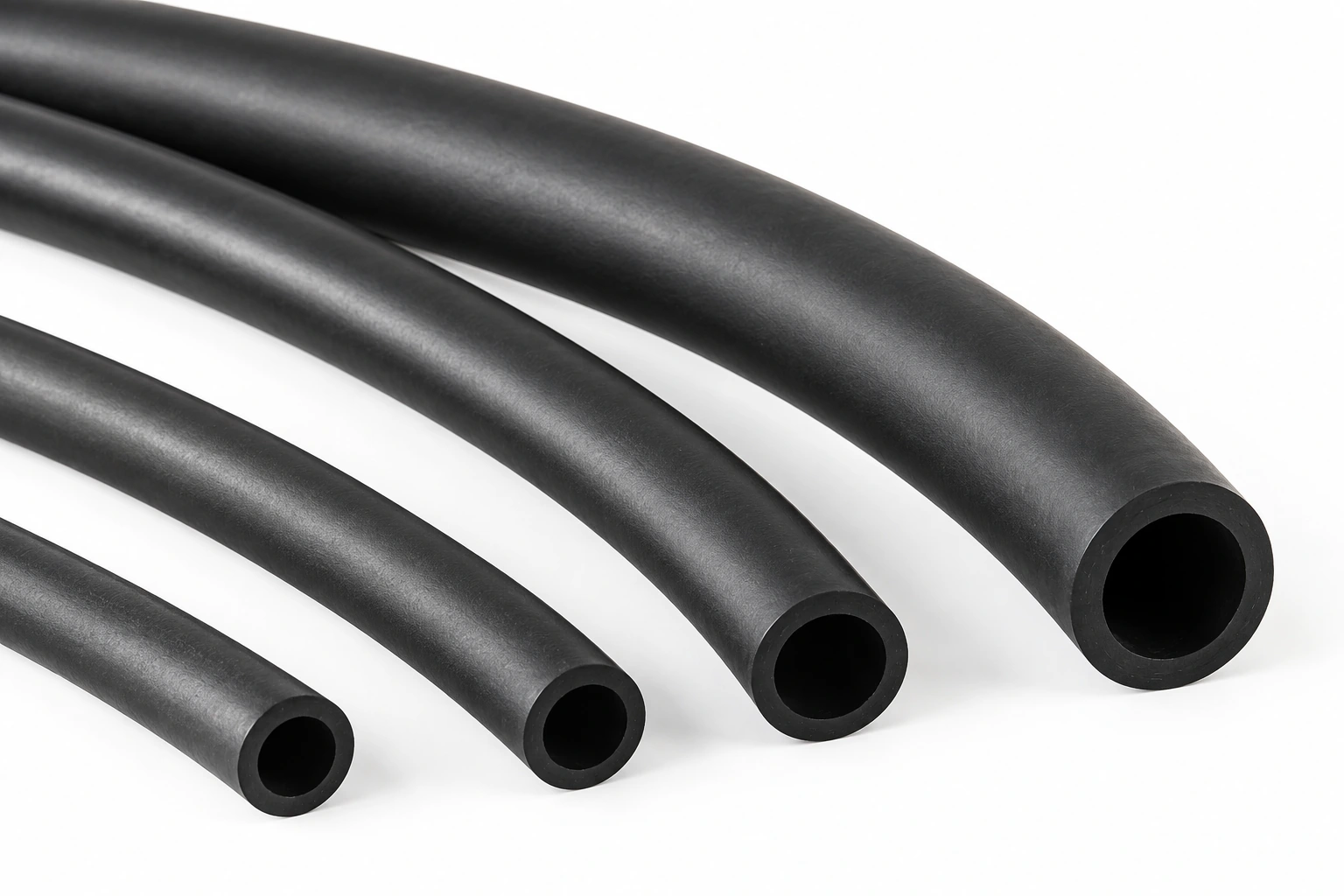
Rubber Hose
Compare Inside Diameter and Outside Diameter in mm. The cross-section drawing identifies the bore and outside diameter; confirm the selected tube material and service requirements.

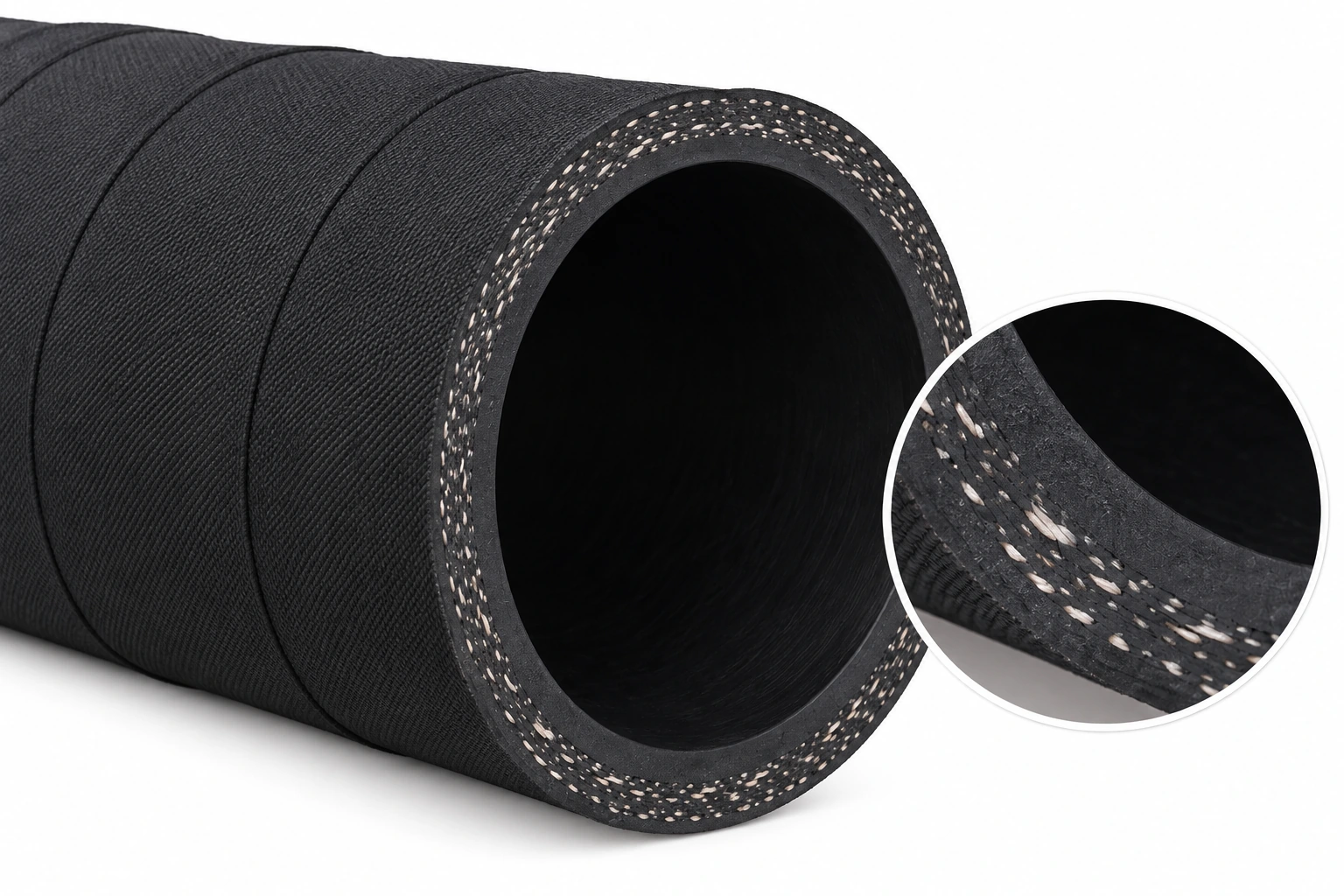
Fluororubber Hose
Compare Inside Diameter and Outside Diameter in mm. The cross-section drawing identifies the bore and outside diameter; confirm the selected tube material and service requirements.
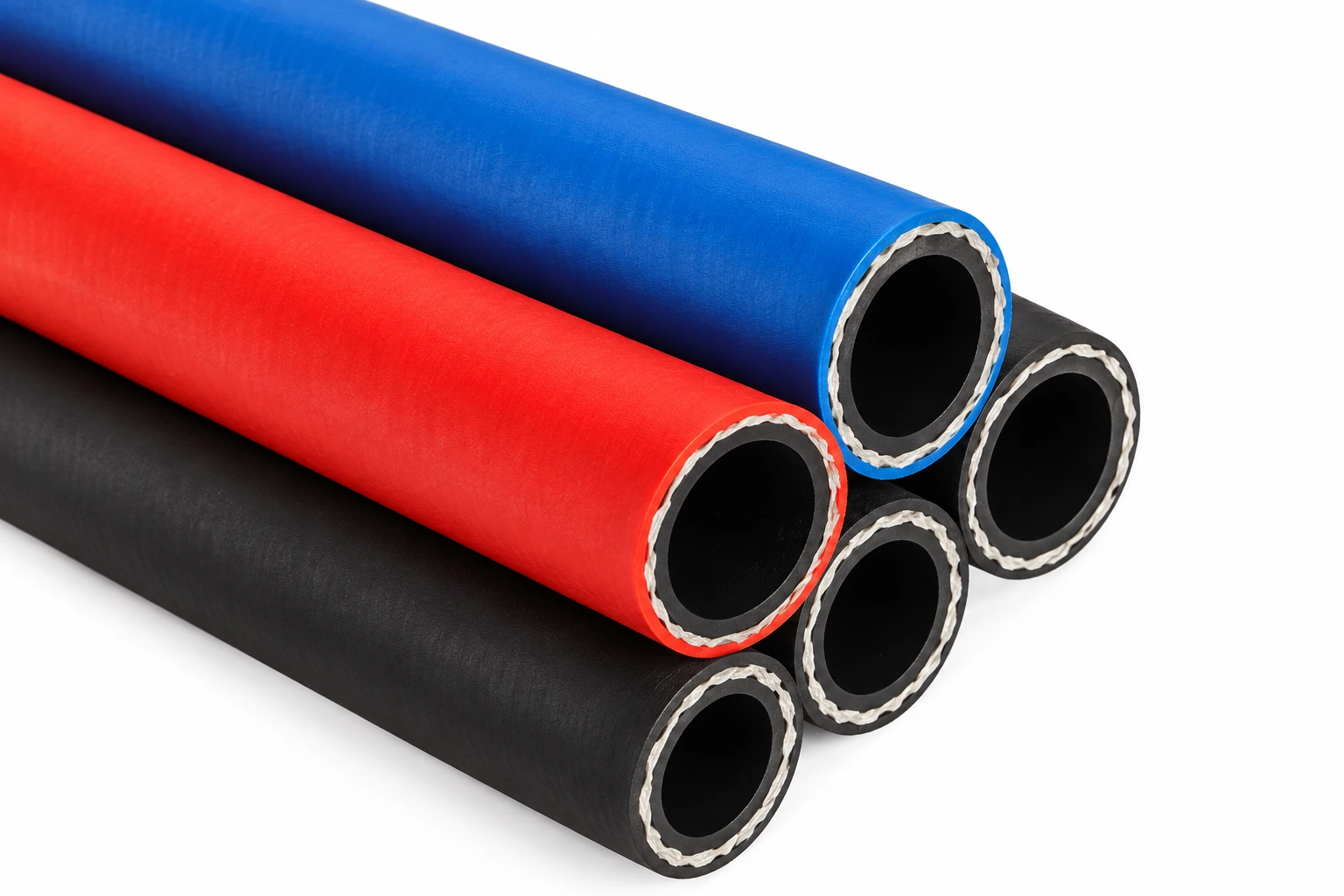
Colourful rubber high pressure hose
Compare Inside Diameter and Outside Diameter in mm, together with the listed Thickness and Colour. The cross-section drawing identifies the bore and outside diameter; confirm the selected tube material and service requirements.
Need a different size? Share your drawing, mating dimensions and intended use to discuss a suitable part.
Discuss Your RequirementsProduct specifications
- Product form
- Hollow elastomer tubing for a fitted line or sleeve
- Material options discussed
- Natural rubber / latex. Choose one formulation for the actual contact and loading conditions.
- Dimensions to confirm
- Inside diameter, outside diameter, wall thickness and cut length.
- Extension duty
- Specify free length, working extension, attachment ends and the force required through the movement.
- Contact conditions
- Other gases: define concentration, temperature and contact time, then check compatibility with the chosen compound.
- Line layout
- Check bend radius, unsupported spans and clearance at both connections.
Need a quote or a custom part?
Send your requirements, drawings or samples to discuss standard and custom silicone rubber parts.
Email us[email protected]