
Opaque Silicone Tubing
Silicone tubes of various types are used today in production in different areas. Today, we use silicone tubing in industries such as food, medicine, or vehicle manufacturing. In addition, silicone tubing has a wide application in agriculture, especially in irrigation or fertilization, as well as spraying of protective agents.
When producing silicone tubing, the production standards must be met. This actually means that the conditions and methods of production must follow certain rules. This is especially significant if you take into consideration what certain products will be used for. It is quite certain that you will use one type of silicone tubing in medicine – while in the auto parts industry you will use ordinary rubber or opaque silicone tubing.
Although, for example, opaque silicone tubing has been developed mostly for use in the technical field – today we use this type of silicone tubing in other industries as well. Very often, opaque silicone tubing is also used in other industries, where the transparency of the tubing is not crucial. Also, in larger cities, during hot summers you can see tanks with drinking water. Passers-by can refresh themselves, but the delivery of water to the tank is done through opaque silicone tubing. We know that it is drinking water, so transparency is not necessary – and on the other hand, a material such as silicone will not affect the quality or taste of water.
Silicone tubing is known to be very resistant to temperatures and is also highly flexible. However, we must emphasize that it also has excellent chemical resistance. In practice, this means that silicone tubing can be easily cleaned and, if necessary, sterilized. Opaque silicone tubing is most commonly used for an electronic applications. Namely, it is known that this kind of tubing has good resistance to weather conditions, UV, radiation, freon, and ozone – so it is not surprising that opaque silicone tubing is very often used for such purposes.
Silicone Tubing Size Catalog
Compare inside diameter, outside diameter and listed wall thickness across silicone tube ranges. Confirm the material grade and application requirements for the selected part.
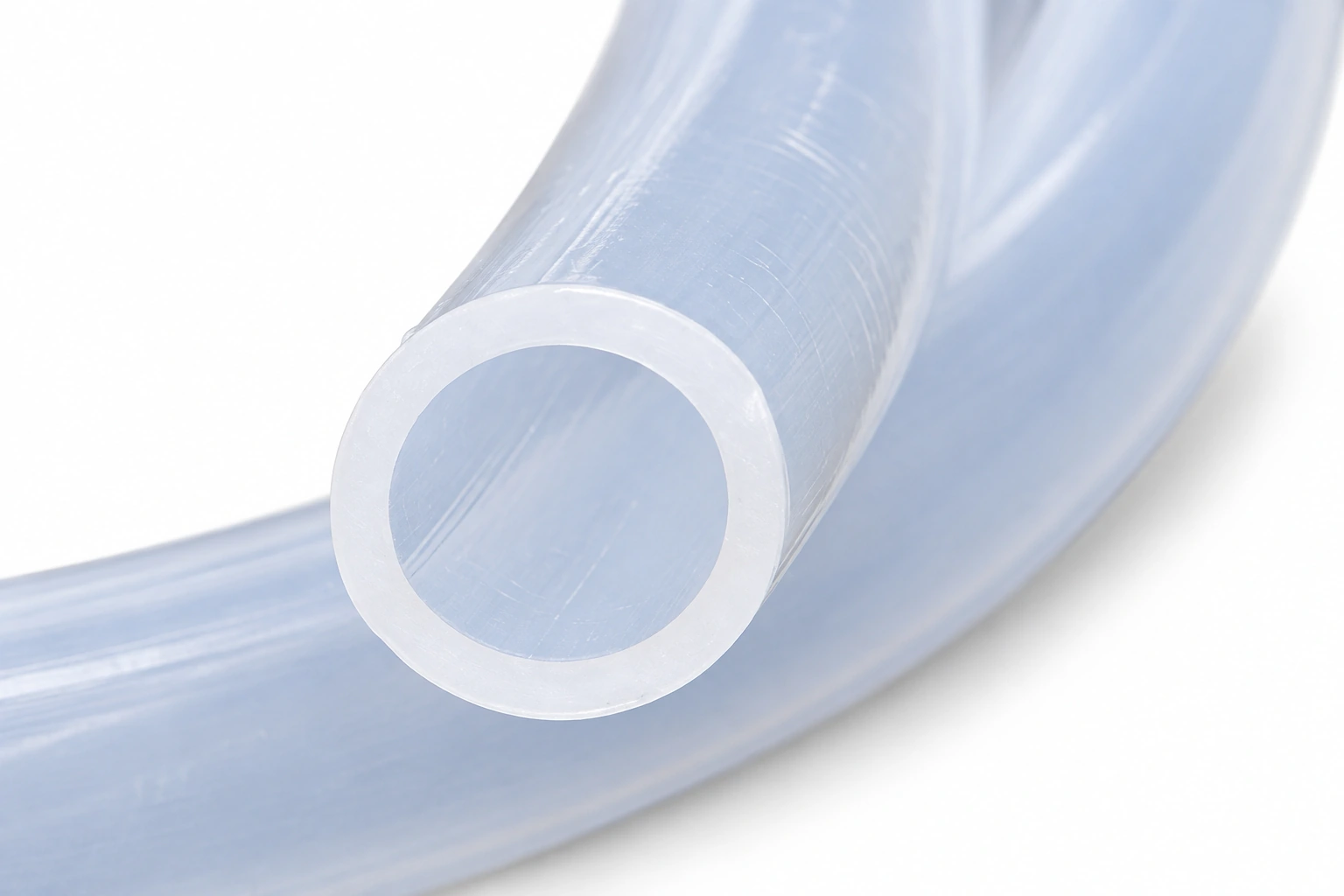
Food grade silicone tube
Compare Inside Diameter and Outside Diameter in mm, together with the listed Thickness and Colour. The cross-section drawing identifies the bore and outside diameter; confirm the selected tube material and service requirements.

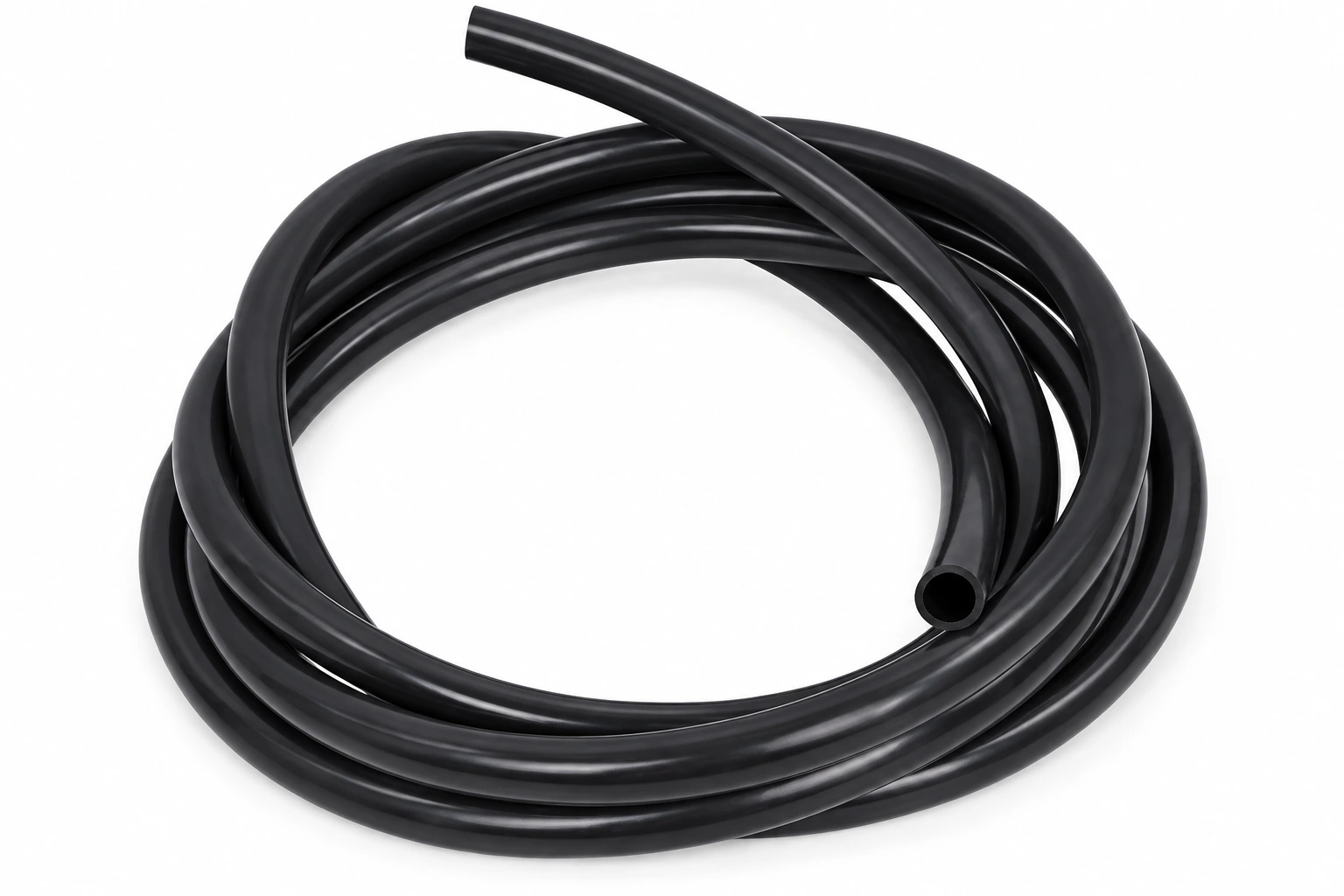
Black silicone tubing
Compare Inside Diameter and Outside Diameter in mm, together with the listed Thickness and Colour. The cross-section drawing identifies the bore and outside diameter; confirm the selected tube material and service requirements.
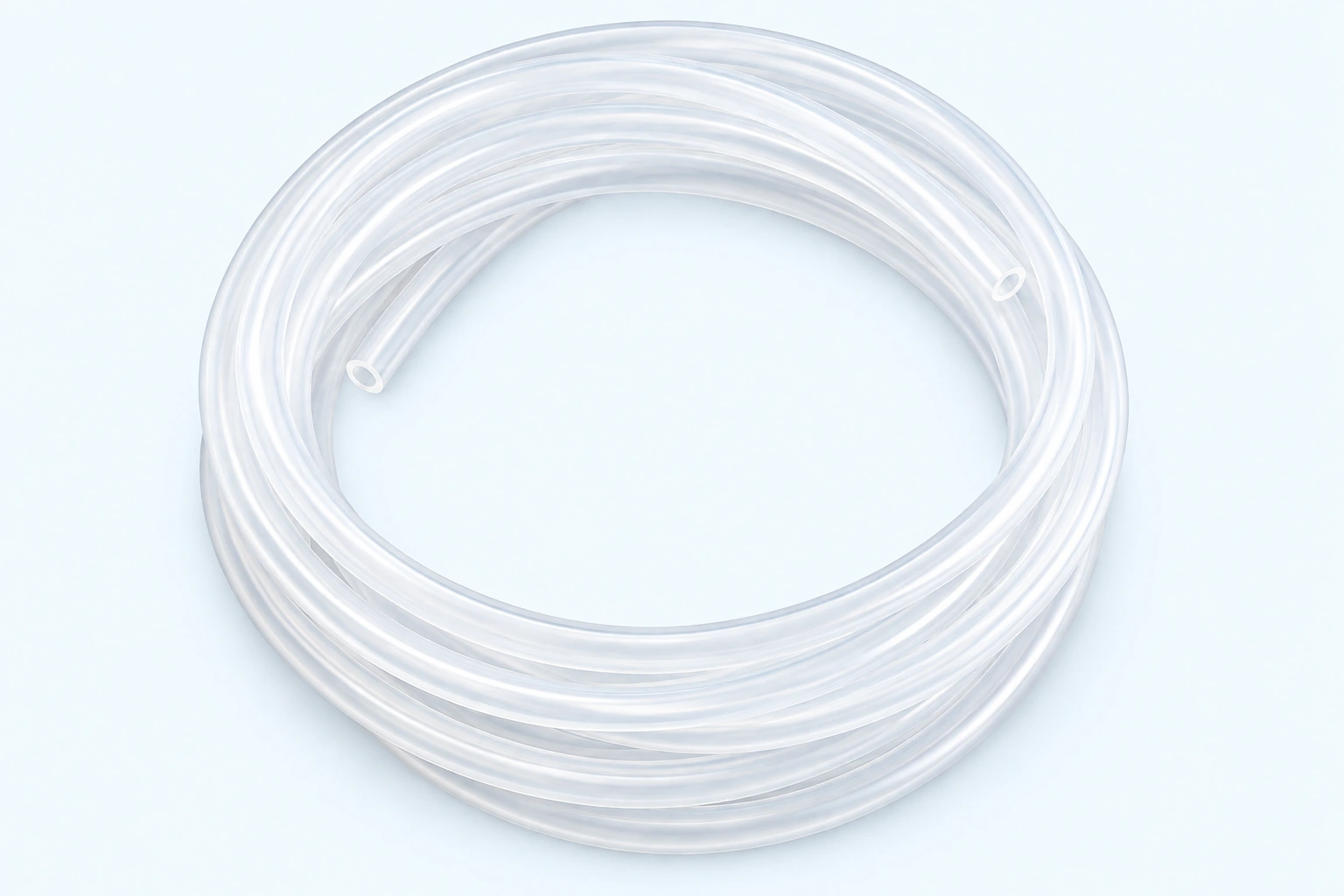
Industrial silicone tube
Compare Inside Diameter and Outside Diameter in mm, together with the listed Thickness and Colour. The cross-section drawing identifies the bore and outside diameter; confirm the selected tube material and service requirements.
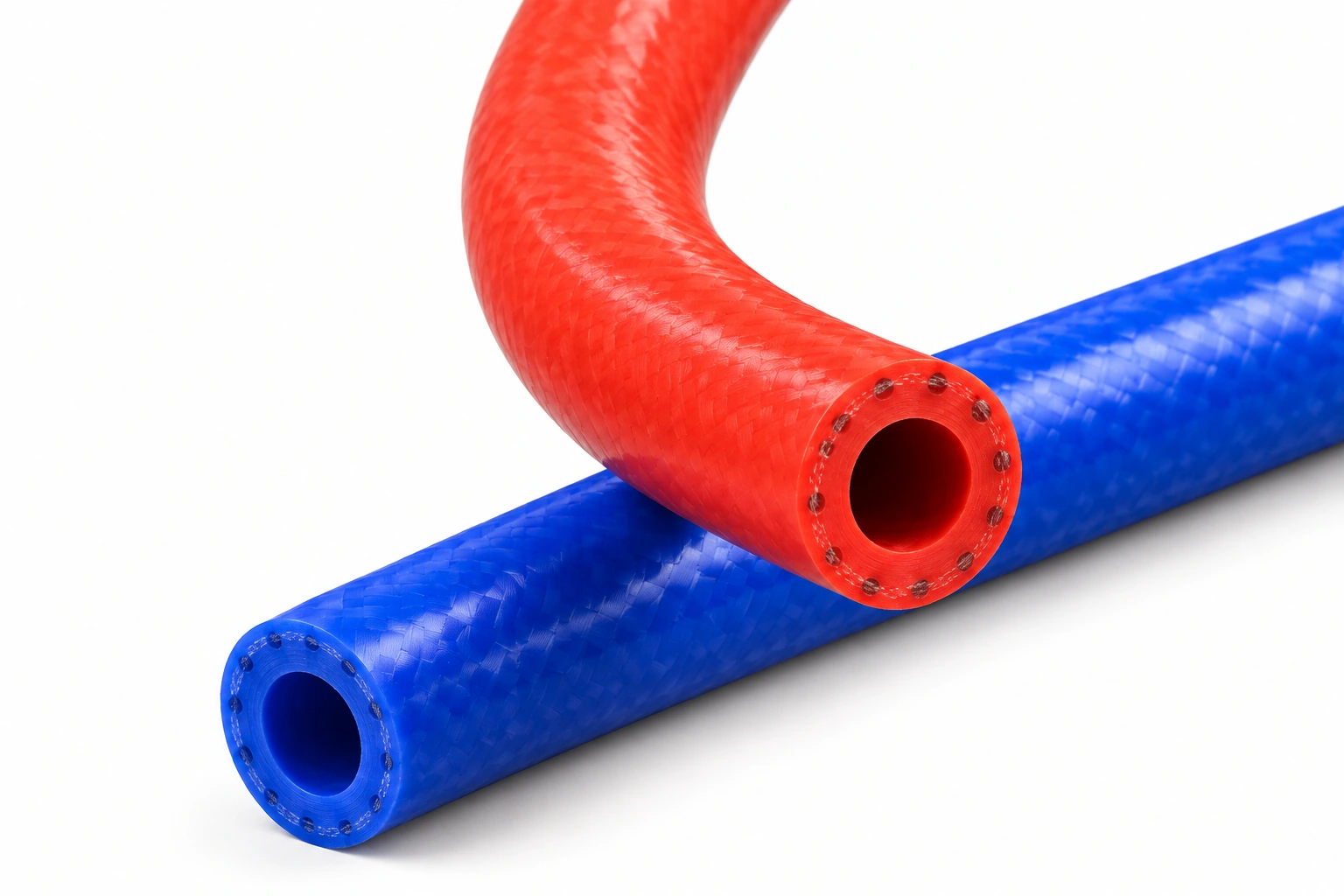
Colourful silicone braided tube
Compare Inside Diameter and Outside Diameter in mm, together with the listed Thickness and Colour. The cross-section drawing identifies the bore and outside diameter; confirm the selected tube material and service requirements.
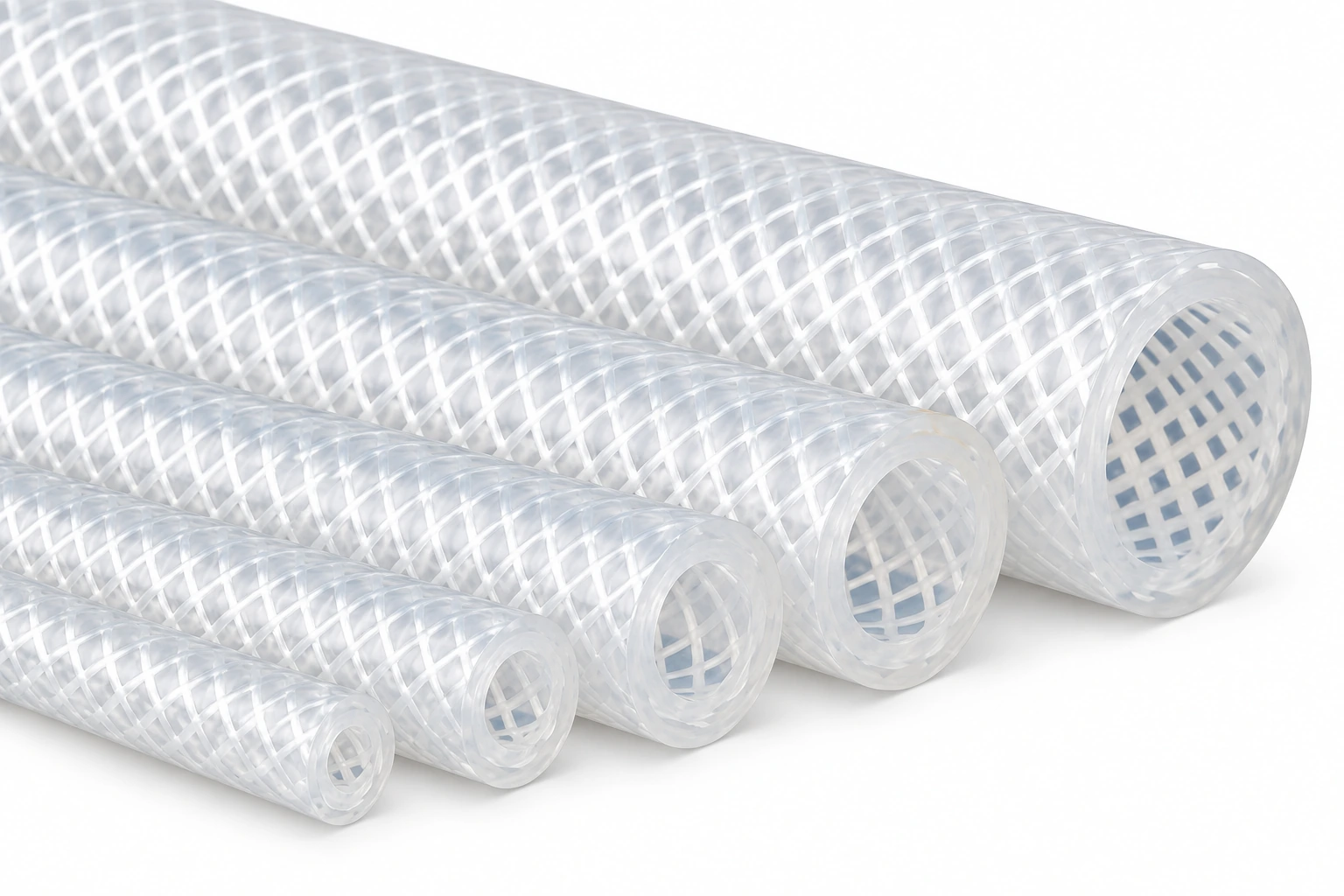
Food grade silicone braided tube
Compare Inside Diameter and Outside Diameter in mm, together with the listed Thickness and Colour. The cross-section drawing identifies the bore and outside diameter; confirm the selected tube material and service requirements.
Need a different size? Share your drawing, mating dimensions and intended use to discuss a suitable part.
Discuss Your RequirementsProduct specifications
- Product form
- Hollow elastomer tubing for a fitted line or sleeve
- Material
- Silicone. Specify the compound grade for the selected service.
- Application focus
- Food-processing equipment, medical-device assemblies, vehicle hose runs, industrial fluid lines and irrigation lines. Size the part against the selected assembly.
- Dimensions to confirm
- Inside diameter, outside diameter, wall thickness and cut length. Match these to food-processing equipment and medical-device assemblies.
- Opacity
- Specify the required light blocking and check the finished wall thickness rather than relying on color alone.
- Contact conditions
- Food ingredients, medicinal contents and water: define concentration, temperature and contact time, then check compatibility with the chosen compound.
- Exposure to evaluate
- Sunlight or UV, ozone and outdoor weather. Validate the selected material under the combined conditions.
- Cleaning and reuse
- Specify the cleaning or sterilization cycle discussed for the application, including temperature, duration and permitted reuse.
- Line layout
- Check bend radius, unsupported spans and clearance at both connections.
Need a quote or a custom part?
Send your requirements, drawings or samples to discuss standard and custom silicone rubber parts.
Email us[email protected]