
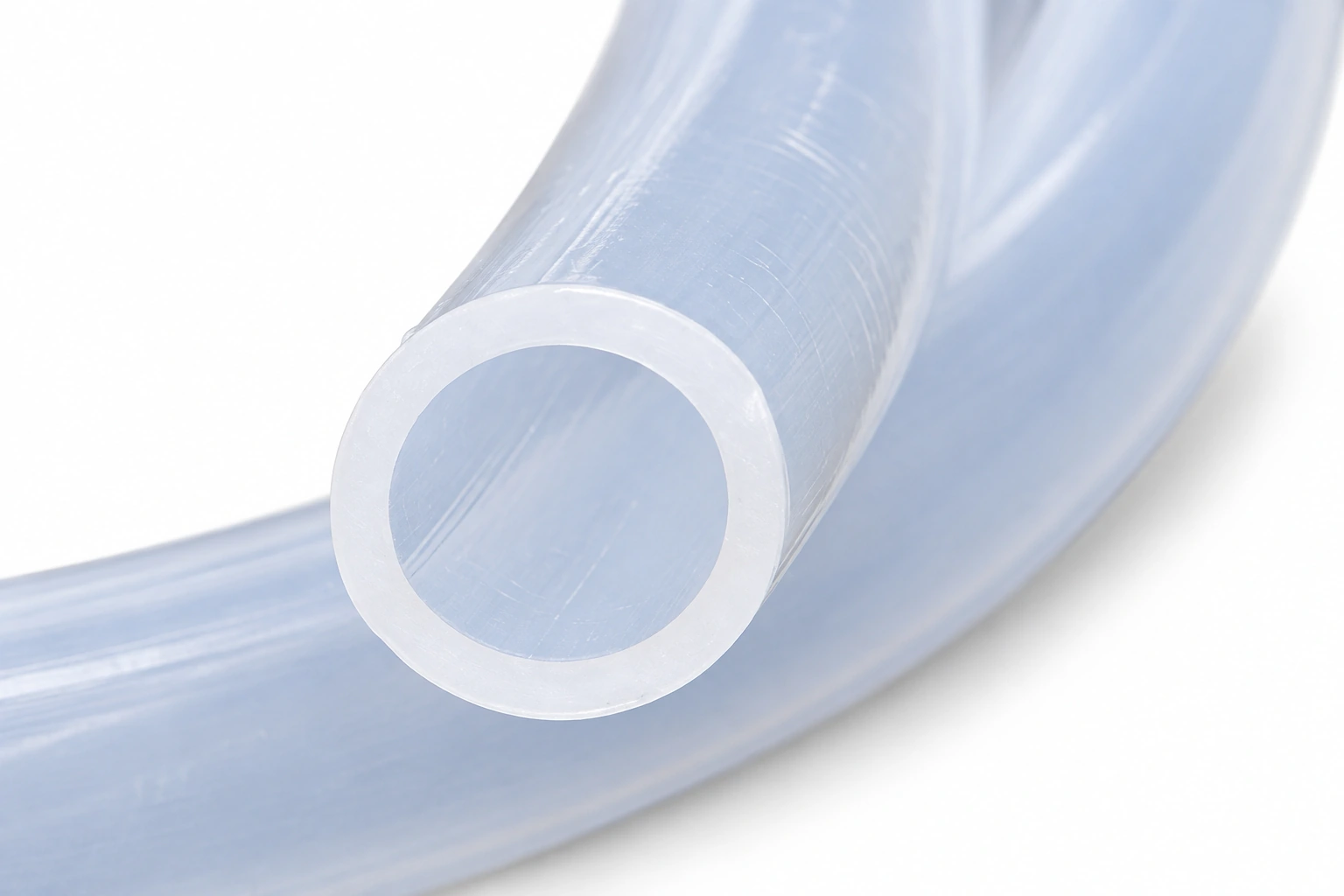
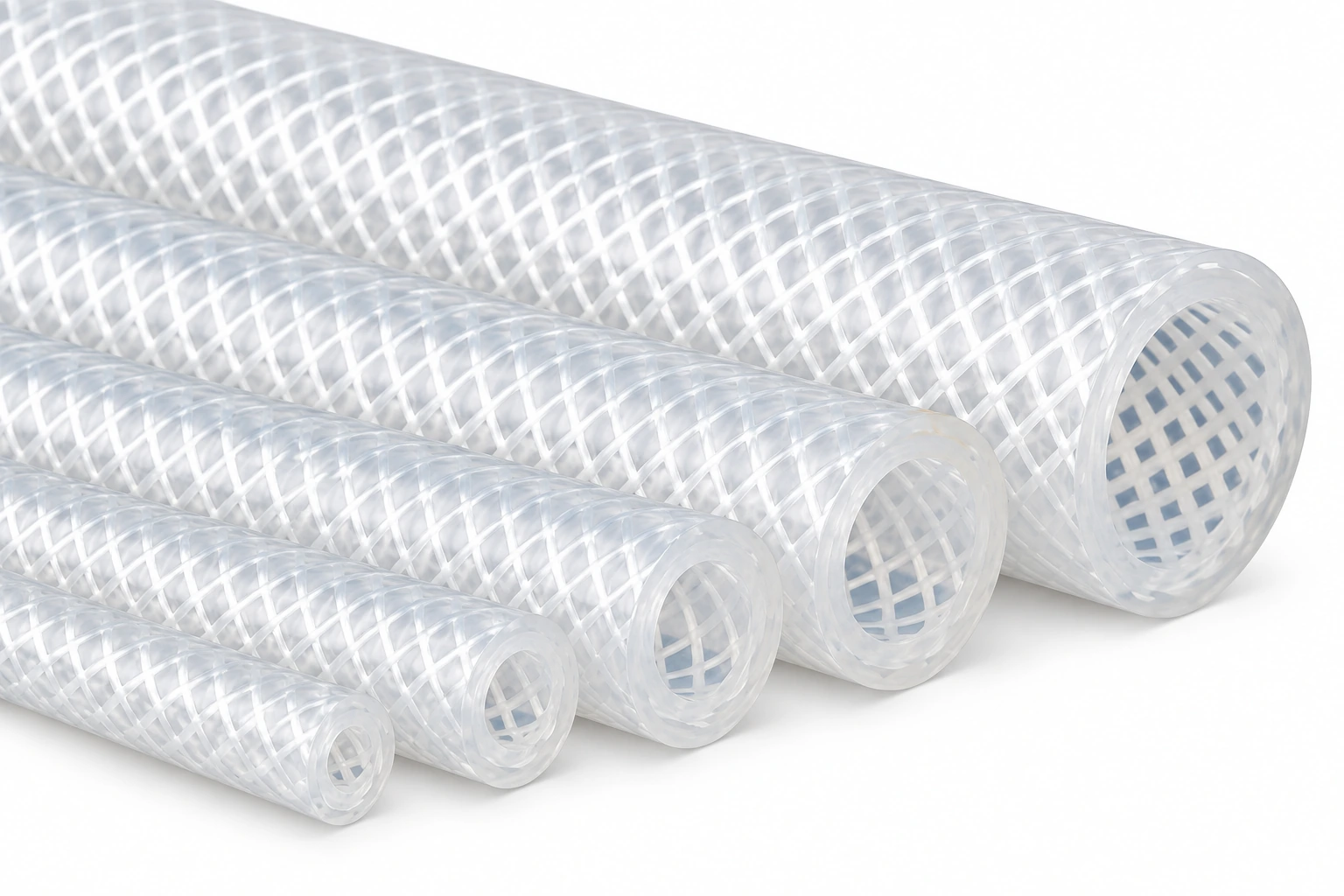
Soft flexible silicone tubing
Have you ever wondered what the properties of the soft, flexible silicone tubing are? It is mainly used for beverage and food applications, meaning that it is an essential part of almost all appliances you use daily, such as a coffee machine. Now, due to this reason, the manufacturing process of this item must be regulated, right? After all, it needs to be safe, and therefore, meets several critical requirements posed by the FDA. So, what are the main features?
First of all, there are the properties and benefits of rubber, that is, silicone in this case. As you know, it is a flexible material, which means that replacing an old tubing with a new one shouldn’t be too difficult. You can adjust it the way you want, and since it is a primary benefit of this material, you don’t have to worry about damaging it in any way. This leads us to the next feature – durability. As already stated, soft, flexible silicone tubing is a vital part of several appliances, which means that it is constantly exposed to various effects and factors. It needs to be able to withstand these. Otherwise, this tubing would last for a very long time, and you would have to repair the machine quite often. However, because of this feature, all you have to do is occasionally inspect the soft, flexible silicone tubing and ensure there are no cracks on it.
Finally, there is the matter of safety. Since this tubing is used to transport liquids, that is, beverages, it cannot include any kind of chemicals that may endanger our health. There is a specific list of compounds and substances that are allowed to be used during the production process. Due to this reason, silicone is considered to be the safest type of rubber, which is why it is used for multiple purposes.
Silicone Tubing Size Catalog
Compare inside diameter, outside diameter and listed wall thickness across silicone tube ranges. Confirm the material grade and application requirements for the selected part.
Food grade silicone tube
Compare Inside Diameter and Outside Diameter in mm, together with the listed Thickness and Colour. The cross-section drawing identifies the bore and outside diameter; confirm the selected tube material and service requirements.

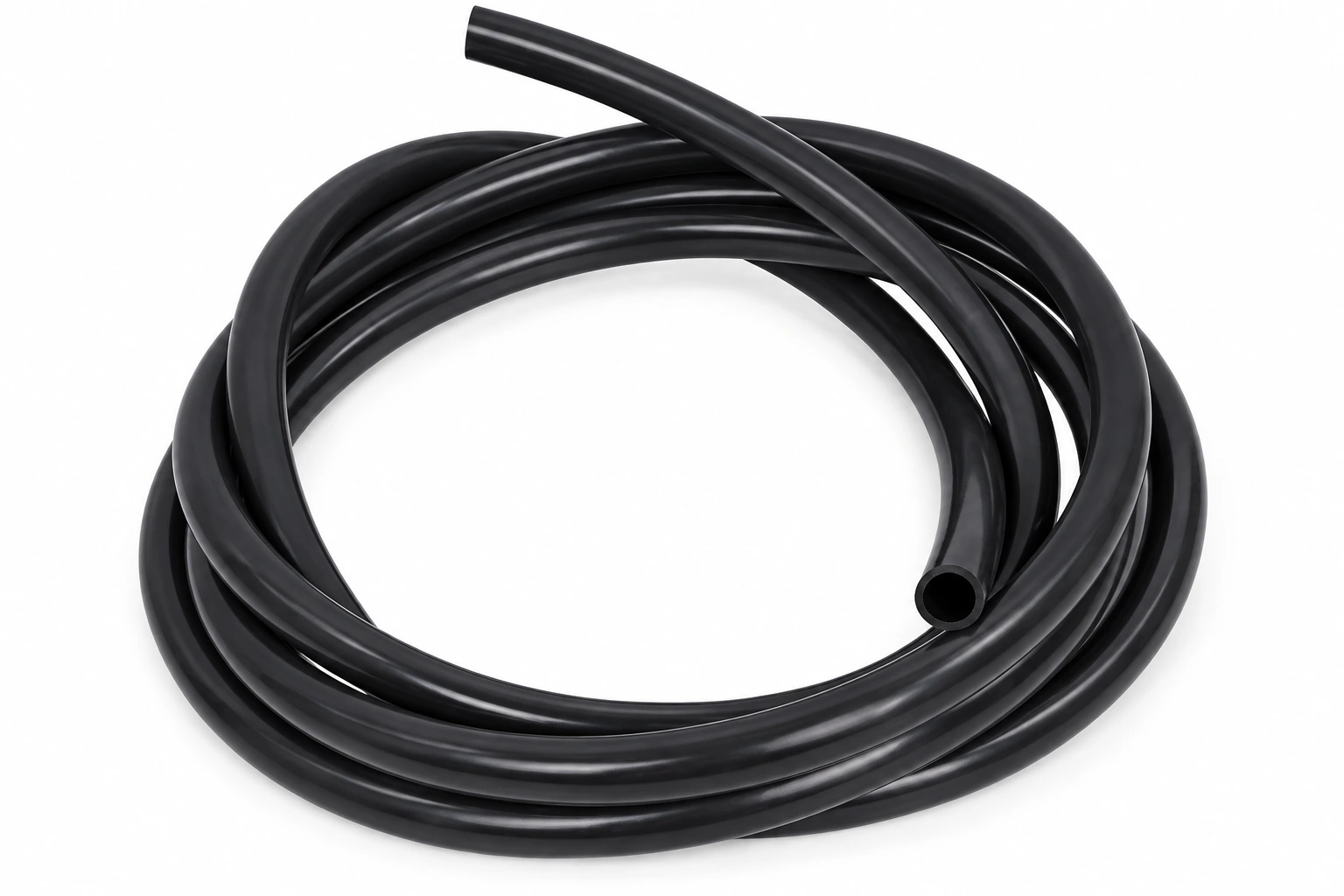
Black silicone tubing
Compare Inside Diameter and Outside Diameter in mm, together with the listed Thickness and Colour. The cross-section drawing identifies the bore and outside diameter; confirm the selected tube material and service requirements.
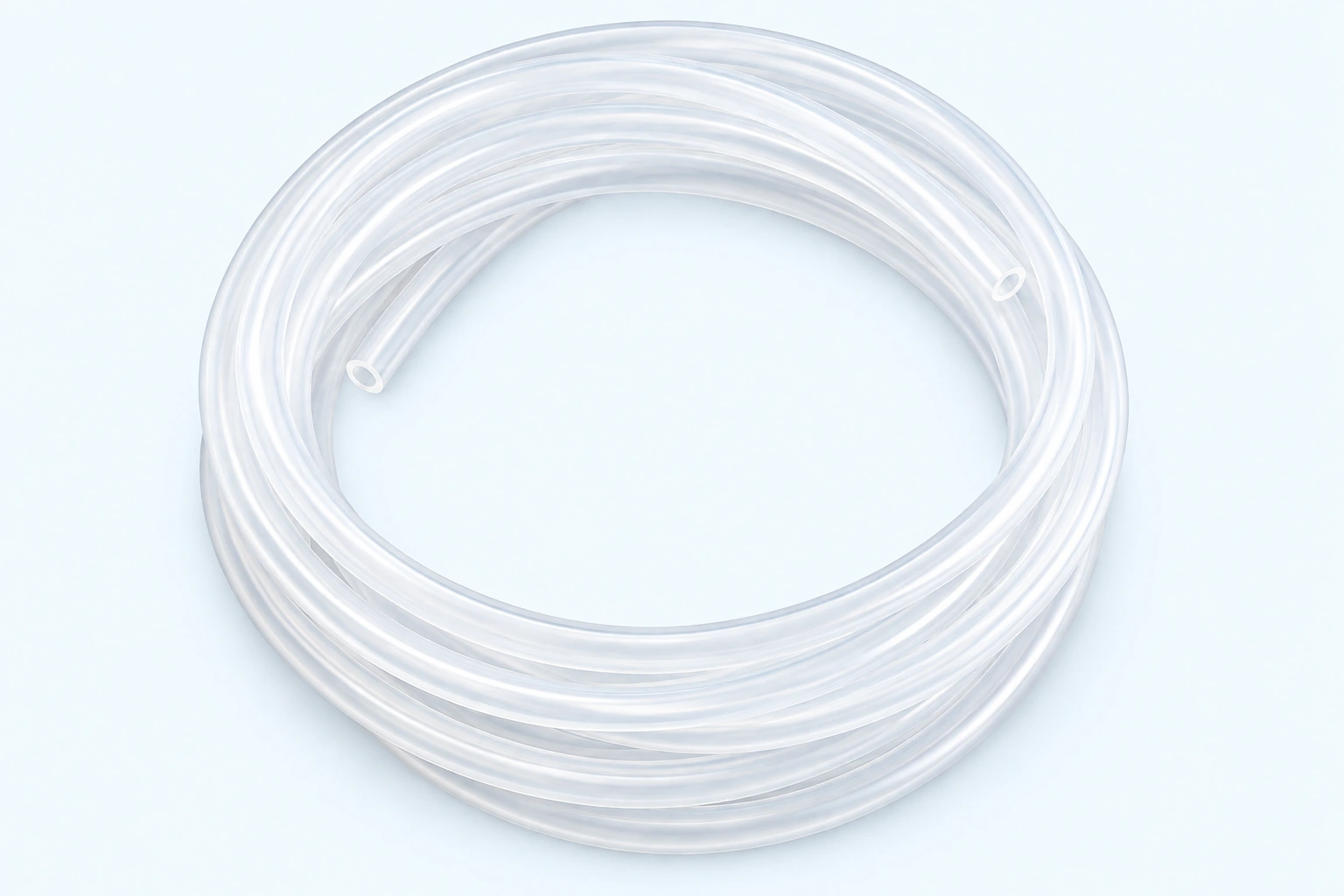
Industrial silicone tube
Compare Inside Diameter and Outside Diameter in mm, together with the listed Thickness and Colour. The cross-section drawing identifies the bore and outside diameter; confirm the selected tube material and service requirements.
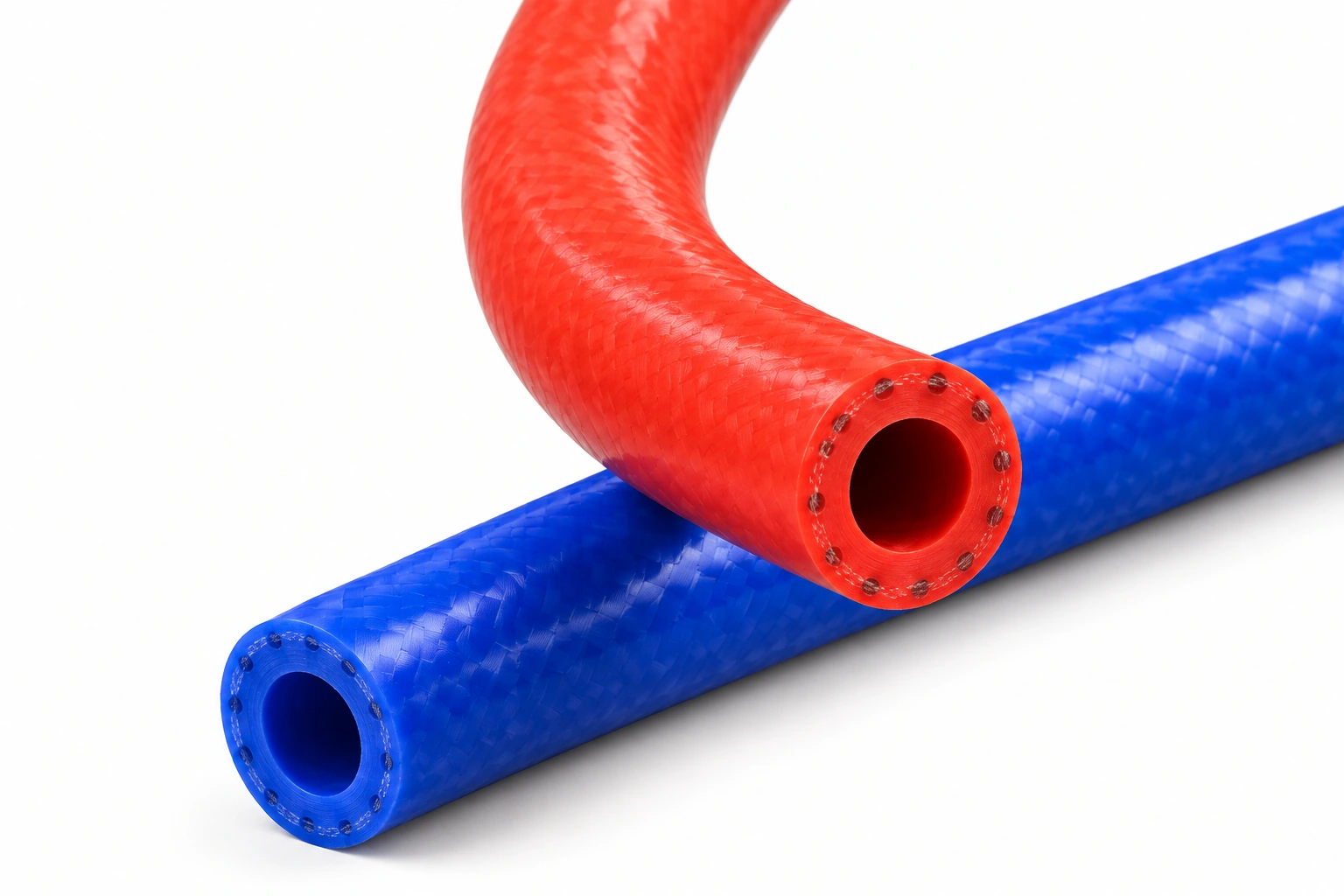
Colourful silicone braided tube
Compare Inside Diameter and Outside Diameter in mm, together with the listed Thickness and Colour. The cross-section drawing identifies the bore and outside diameter; confirm the selected tube material and service requirements.
Food grade silicone braided tube
Compare Inside Diameter and Outside Diameter in mm, together with the listed Thickness and Colour. The cross-section drawing identifies the bore and outside diameter; confirm the selected tube material and service requirements.
Need a different size? Share your drawing, mating dimensions and intended use to discuss a suitable part.
Discuss Your RequirementsProduct specifications
- Product form
- Hollow elastomer tubing for a fitted line or sleeve
- Material
- Silicone. Specify the compound grade for the selected service.
- Application focus
- Food-processing equipment, household appliance connections, coffee-making equipment and industrial fluid lines. Size the part against the selected assembly.
- Dimensions to confirm
- Inside diameter, outside diameter, wall thickness and cut length. Match these to food-processing equipment and household appliance connections.
- Compliance
- Specify hardness and its tolerance together with the required deflection of the finished part.
- Contact conditions
- Food ingredients: define concentration, temperature and contact time, then check compatibility with the chosen compound.
- Line layout
- Check bend radius, unsupported spans and clearance at both connections.
Need a quote or a custom part?
Send your requirements, drawings or samples to discuss standard and custom silicone rubber parts.
Email us[email protected]