
Water pipe rubber stopper
Water pipe rubber stopper is something that is an indispensable piece of equipment that every plumber carries with them. Also, most people have a water pipe rubber stopper at home because of the very wide application it has. There is a water pipe rubber stopper of various shapes and each of these shapes is designed to be used with a wide variety of water pipe styles. You know how many different water pipe styles there are, so one model of water pipe rubber stopper could not be suitable for all types of pipes and then there would be a water leak, which of course must be avoided.
Water pipe rubber stopper made of natural rubber is usually the most popular choice because natural rubber is very strong and durable, and therefore tear-resistant, and because it is watertight and waterproof. Natural rubber is also a very good insulator and all this contributes to the fact that water pipe rubber stopper is usually made of natural rubber. Of course, at the request of the client it can be made of any other rubber-like material such as silicone, neoprene and so on. The temperature range that natural rubber and other types of rubber materials can withstand is very high, so the water pipe rubber stopper can easily be in contact with boiling water or be exposed to very low temperatures.
When talking about sizes, you have to consider the diameter of the water pipe and then choose the appropriate water pipe rubber stopper accordingly. Measure all the parts and taps and rubber stopper because the outside and inside diameters can be different, so then it will be very difficult to install and will not fit well, although it is flexible and the water will leak. Make sure you find the right size, if it doesn’t exist, order a custom one to be made for you.
Stopper & Plug Size Catalog
Compare four stopper profiles and check the selected part dimensions against your opening and available depth. Each profile has its own drawing and dimension meanings.
Custom colors are available to your Pantone color code. Include the code in your inquiry.
RST T-Shaped Plugs
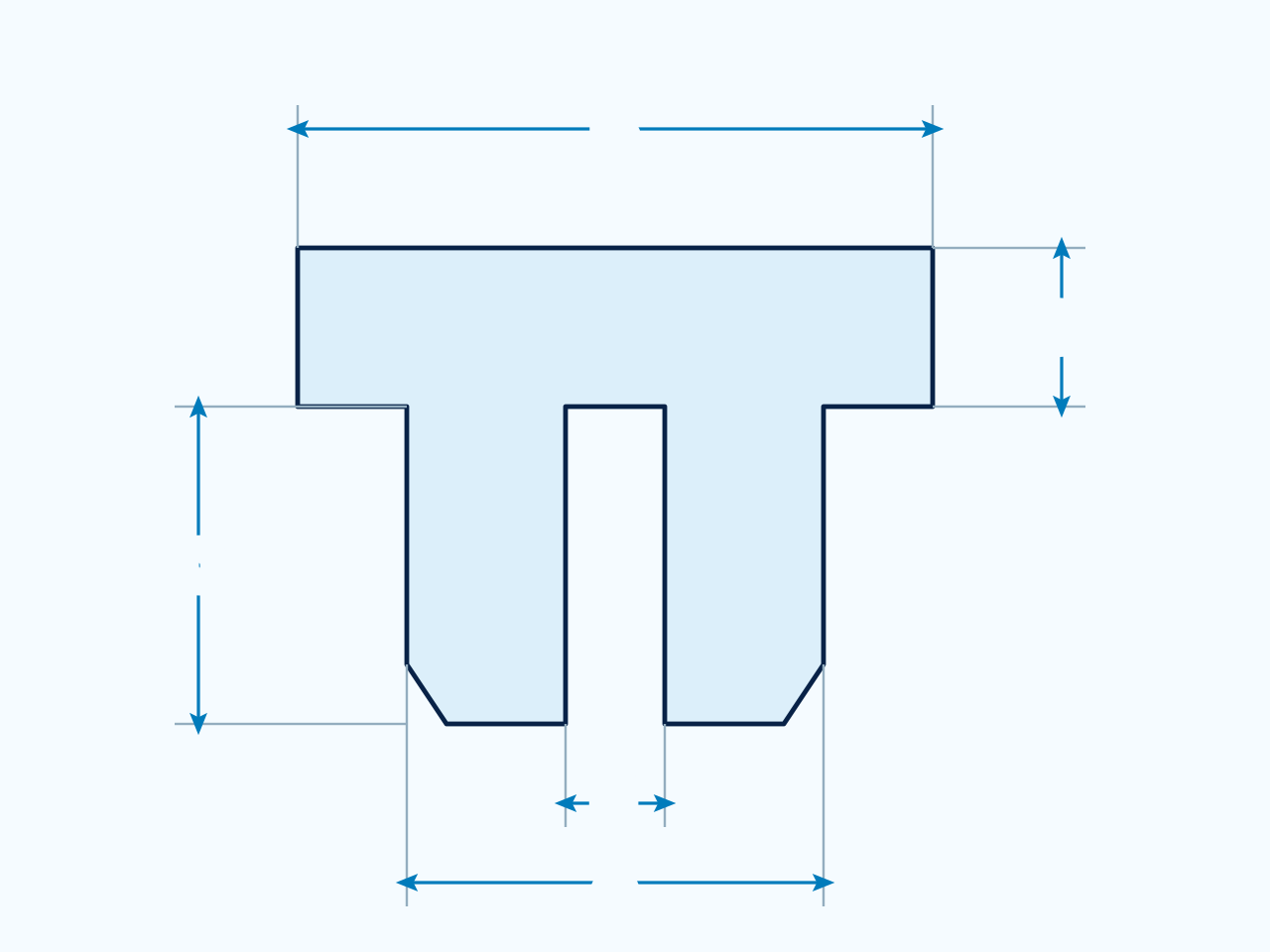
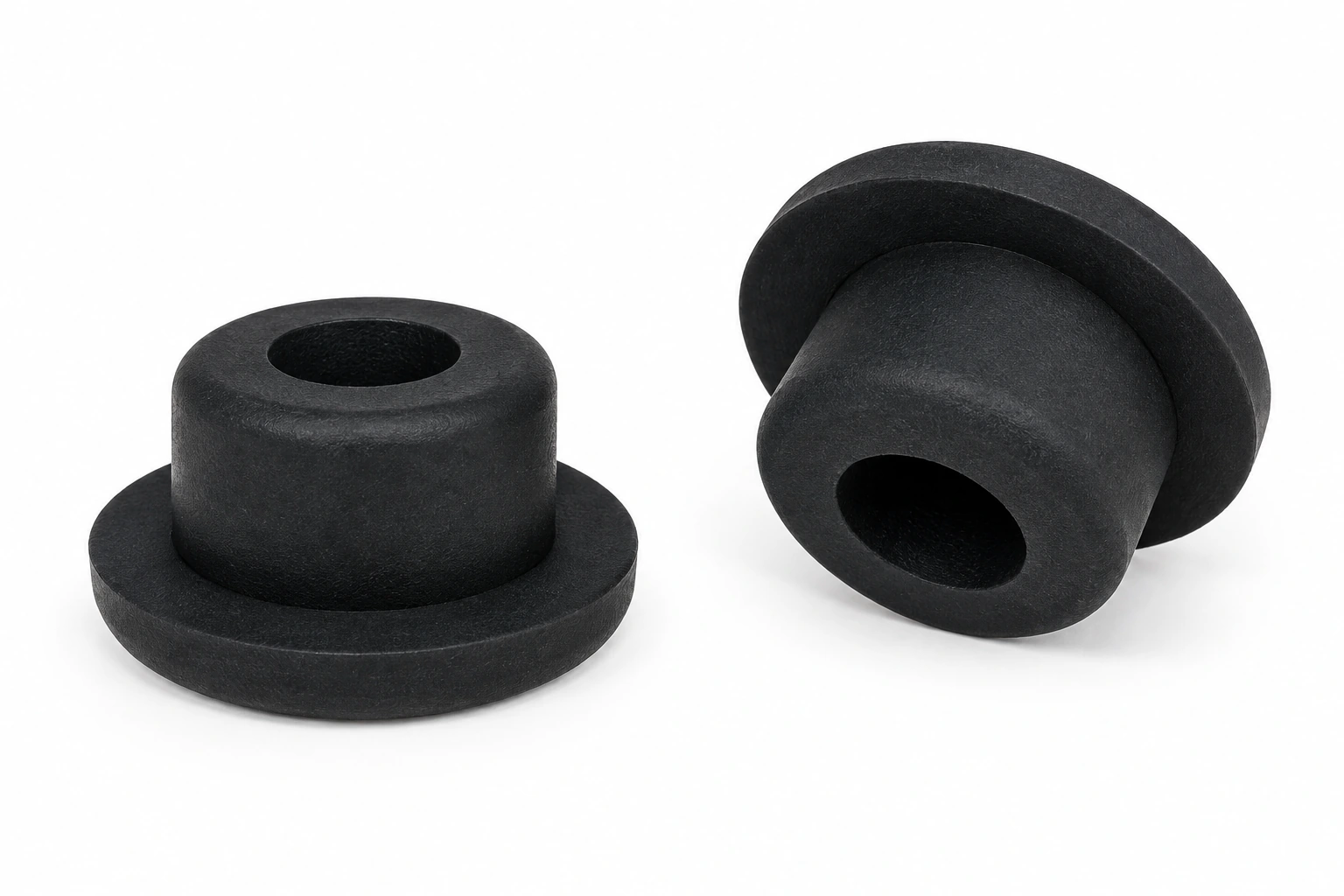
Match stem diameter A, flange diameter B, stem length C and flange thickness D. E refers to the underside recess; use the selected row and approved drawing to confirm the actual profile.
RSA Tapered Corks
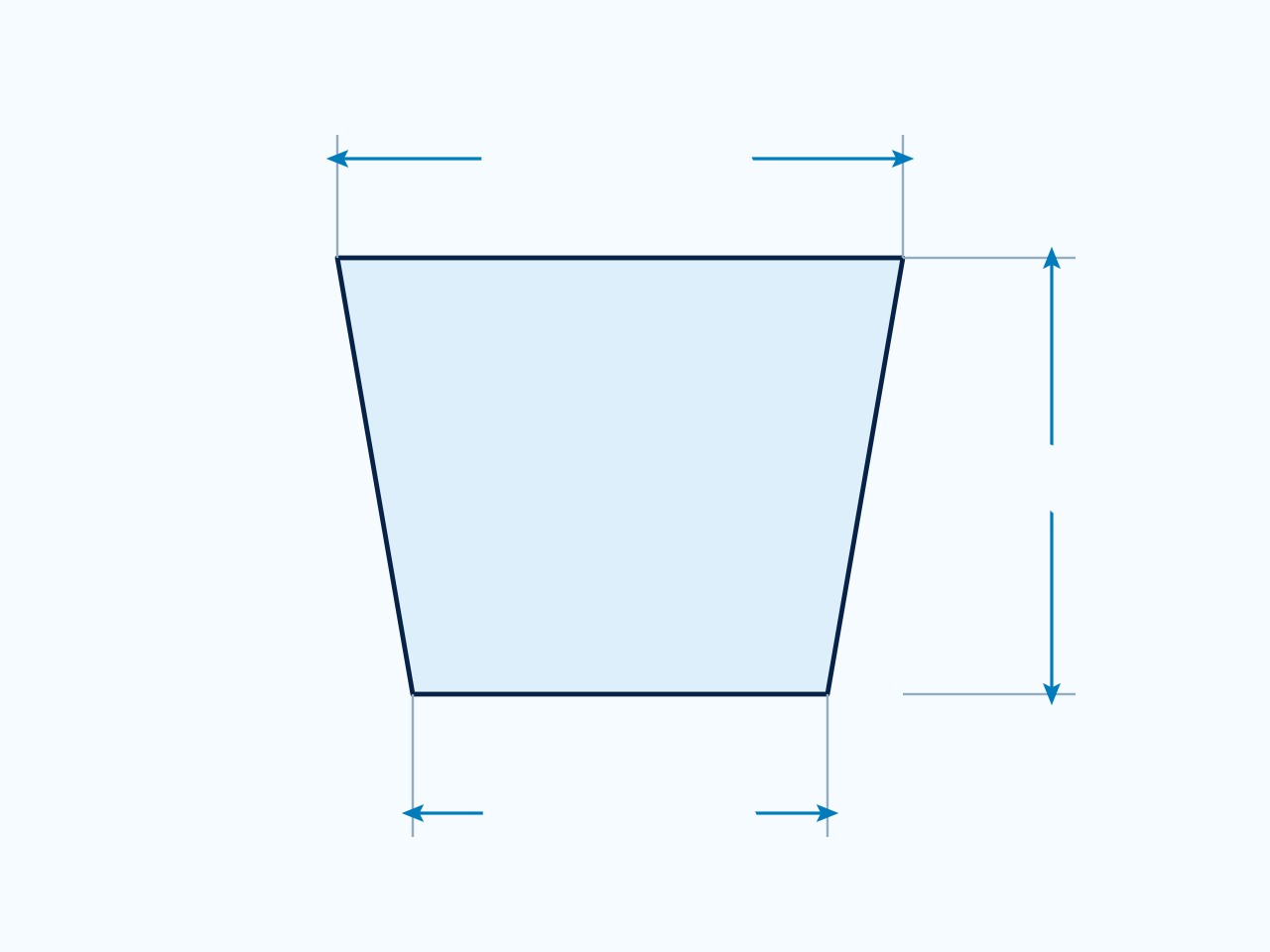
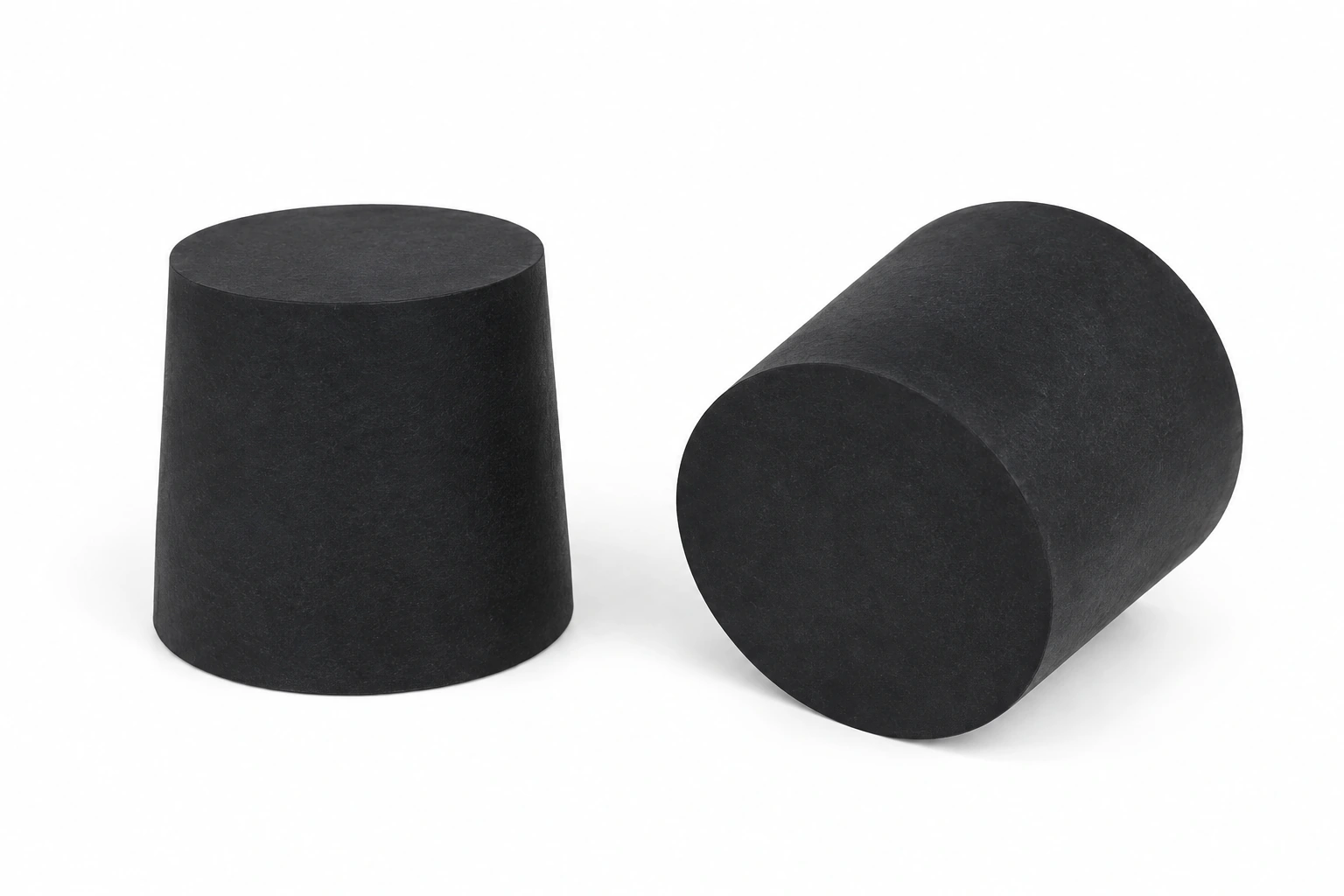
Compare large-end diameter A, small-end diameter B and Height, in mm. The mating bore and required seating depth determine where the taper contacts the opening.
RSB Undercut Plugs
Compare neck diameter A, flange diameter B, flange-to-lip distance C and flange thickness D. Check panel thickness and rear clearance. E refers to the underside recess.
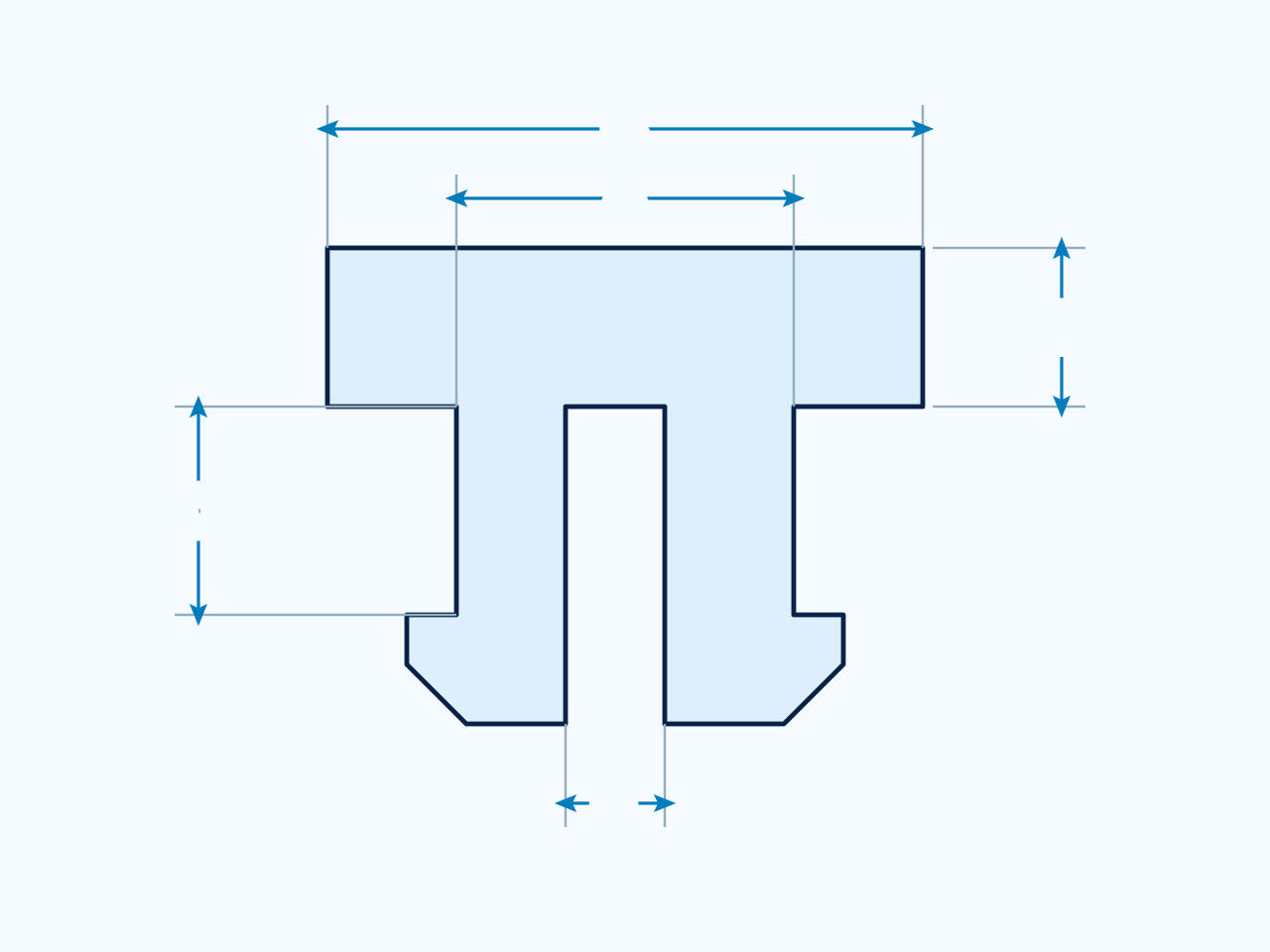
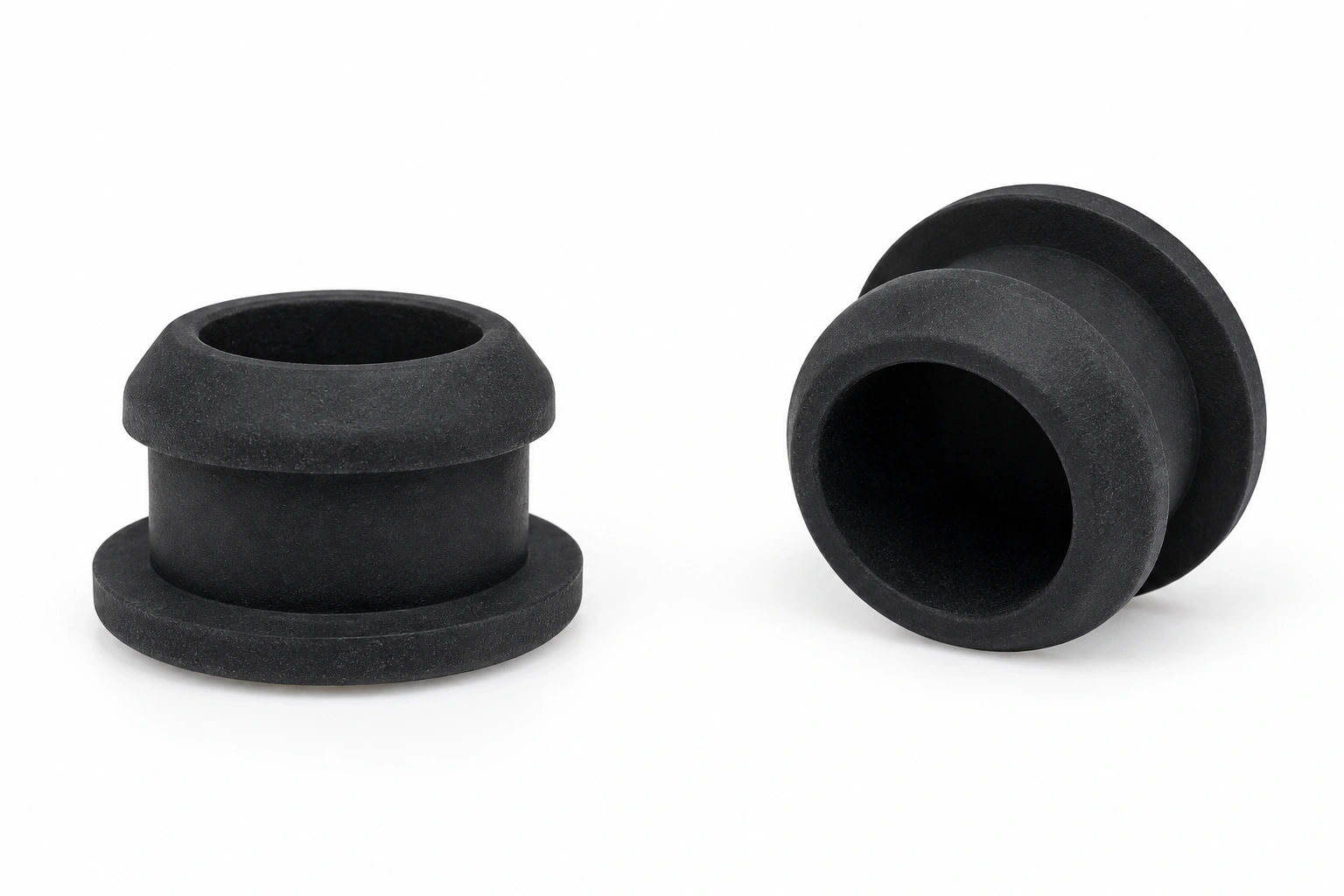
RSD T-Shaped Stoppers
Compare stem diameter A, flange diameter B, stem length C and head thickness D, in mm. Check the seating surface and available depth as well as the hole diameter.
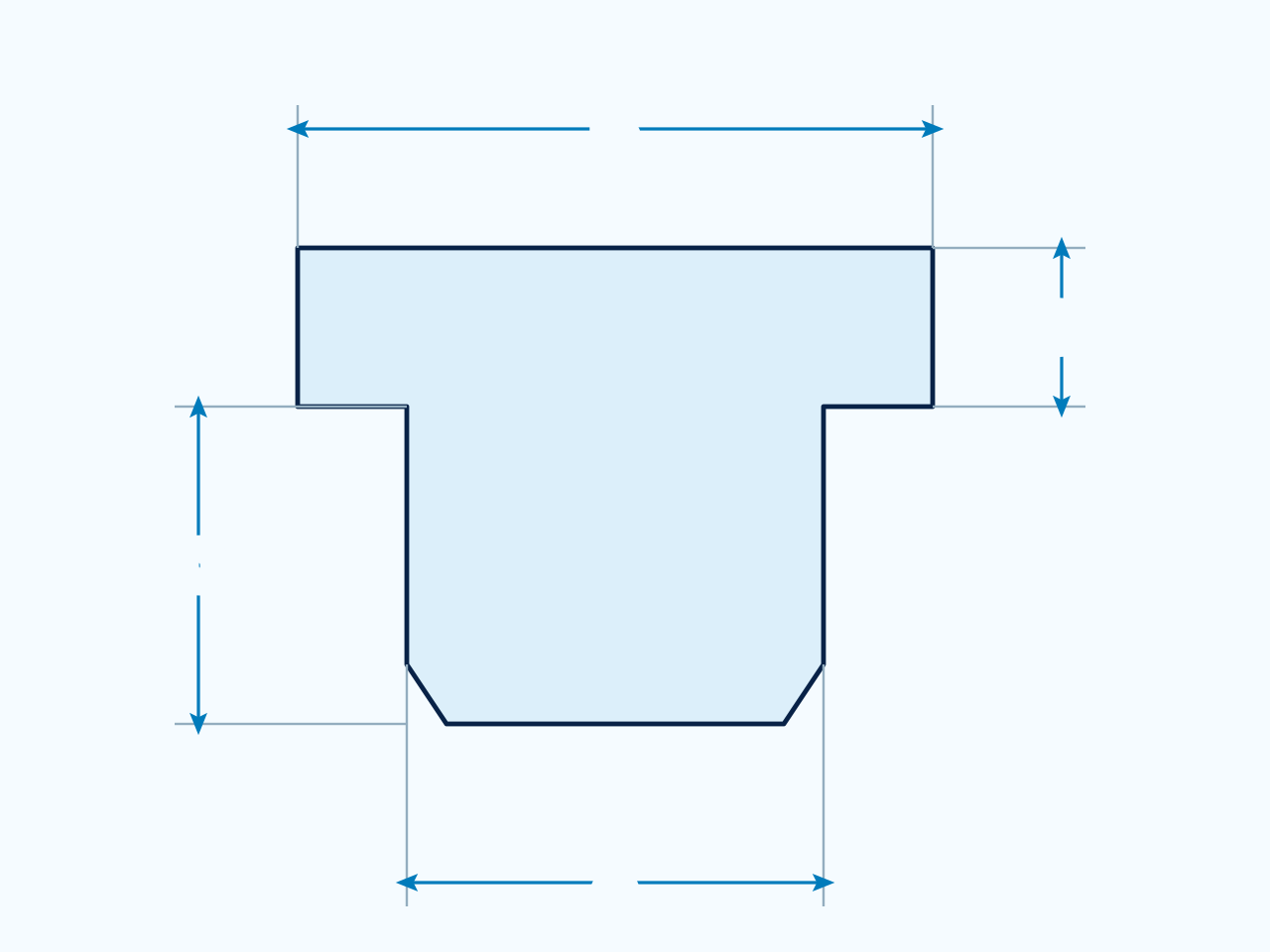
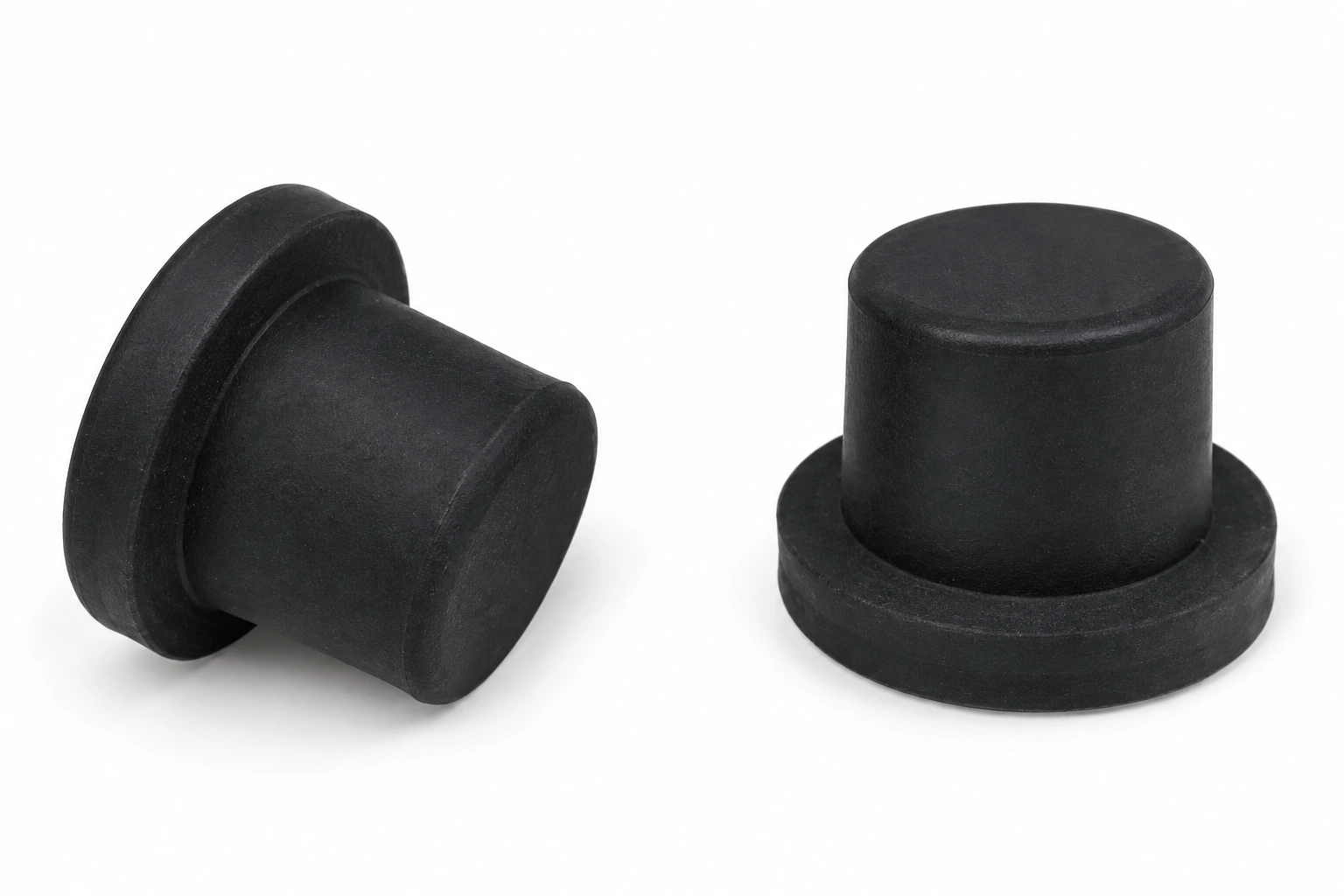
Need a different fit? Share the opening dimensions, mating profile and intended use for a custom size.
Discuss Your RequirementsProduct specifications
- Product form
- Internal pipe-end closure
- Material options discussed
- Silicone, chloroprene rubber (CR) and natural rubber / latex. Choose one formulation for the actual contact and loading conditions.
- Application focus
- Pipe or conduit ends. Size the part against the selected assembly.
- Dimensions to confirm
- Pipe bore, insertion length, plug body and retention hardware. Match these to pipe or conduit ends.
- Contact conditions
- Water: define concentration, temperature and contact time, then check compatibility with the chosen compound.
- Closure retention
- Define the means of retention and any pressure differential before fitting the closure.
Need a quote or a custom part?
Send your requirements, drawings or samples to discuss standard and custom silicone rubber parts.
Email us[email protected]