
Rubber stopper chemistry
Just as we have a need for various types of plugs, ie stoppers, performing daily activities, there is a huge demand for rubber stoppers in the chemical industry. Doing chemical exercises and working in laboratories is simply unthinkable without the use of these additives. The use of rubber stoppers in this industry is growing rapidly day by day.
Rubber stopper chemistry serves to protect, seal and preserve the content of chemical elements in test tubes and other types of chemical tools. Due to their adaptability, they can be used on various elements, offering equal protection and safety of the contents in them. Due to its high chemical resistance, its application is very common in laboratory work. In order for the content not to leak out or change the composition in the face of external factors, rubber stopper chemistry represents an ideal help. Protection is its primary function. During the experiments you will not have the fear that liquid or gas will come out of the chemical vessel thanks to these stoppers. Also during the examination, these plugs can help in mixing the various substances that are the subject of the study.
Their material is something that separates them from the rest of the stoppers. The material is extremely flexible and is an excellent insulator. Depending on your needs, it can be found in various sizes and shapes. Rubber stopper chemistry is circular and tapers at the very end, to accommodate different openings. Also at the very top, these plugs contain one or two holes that allow the pipette to enter the tube. In this way, these plugs allow the pipette to enter the test tube for mixing or adding the substance. Rubber stopper chemistry allows us to do demanding experiments much easier and simpler, without having to worry about possible liquid spillage.
Stopper & Plug Size Catalog
Compare four stopper profiles and check the selected part dimensions against your opening and available depth. Each profile has its own drawing and dimension meanings.
Custom colors are available to your Pantone color code. Include the code in your inquiry.
RST T-Shaped Plugs
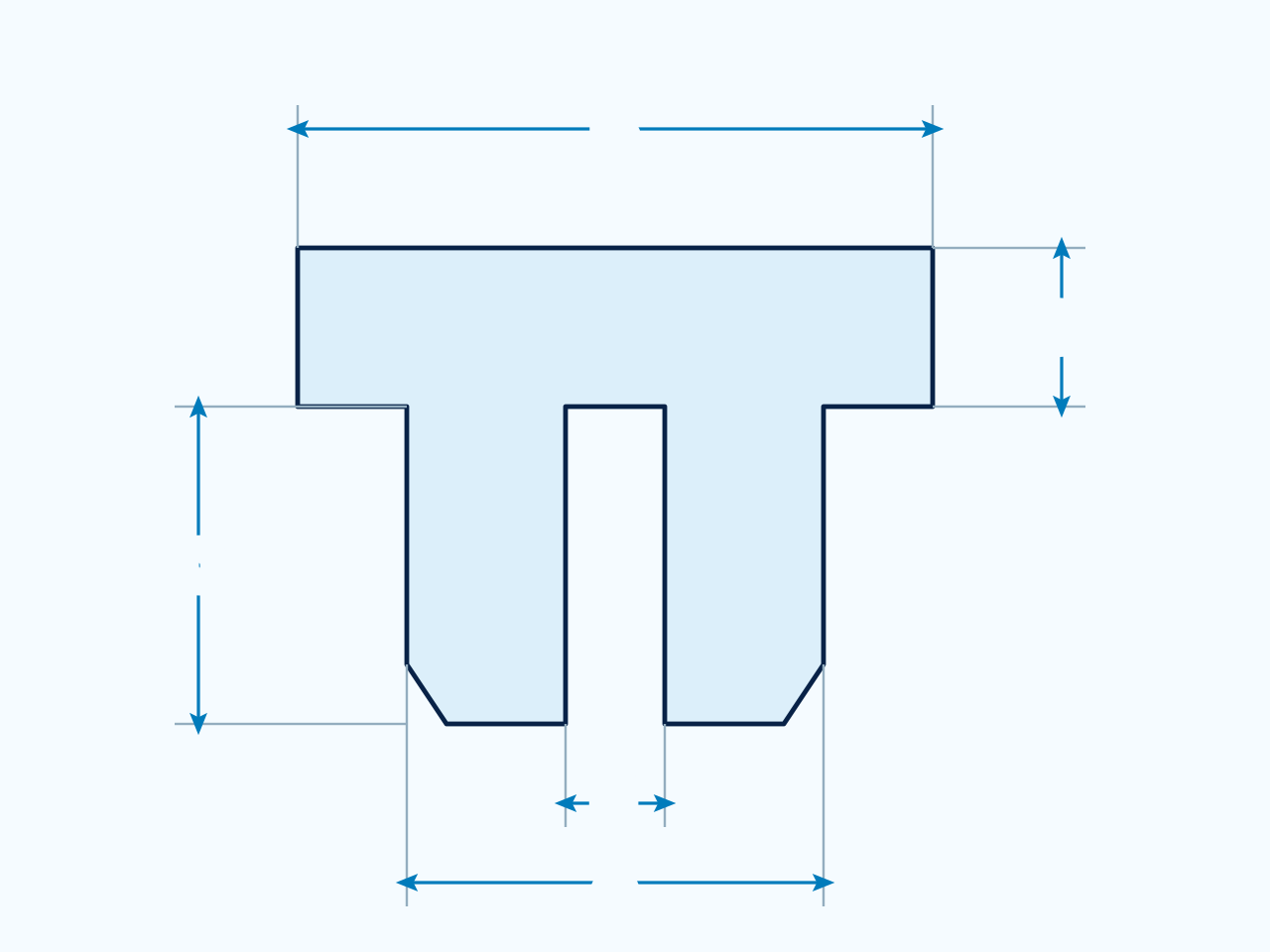
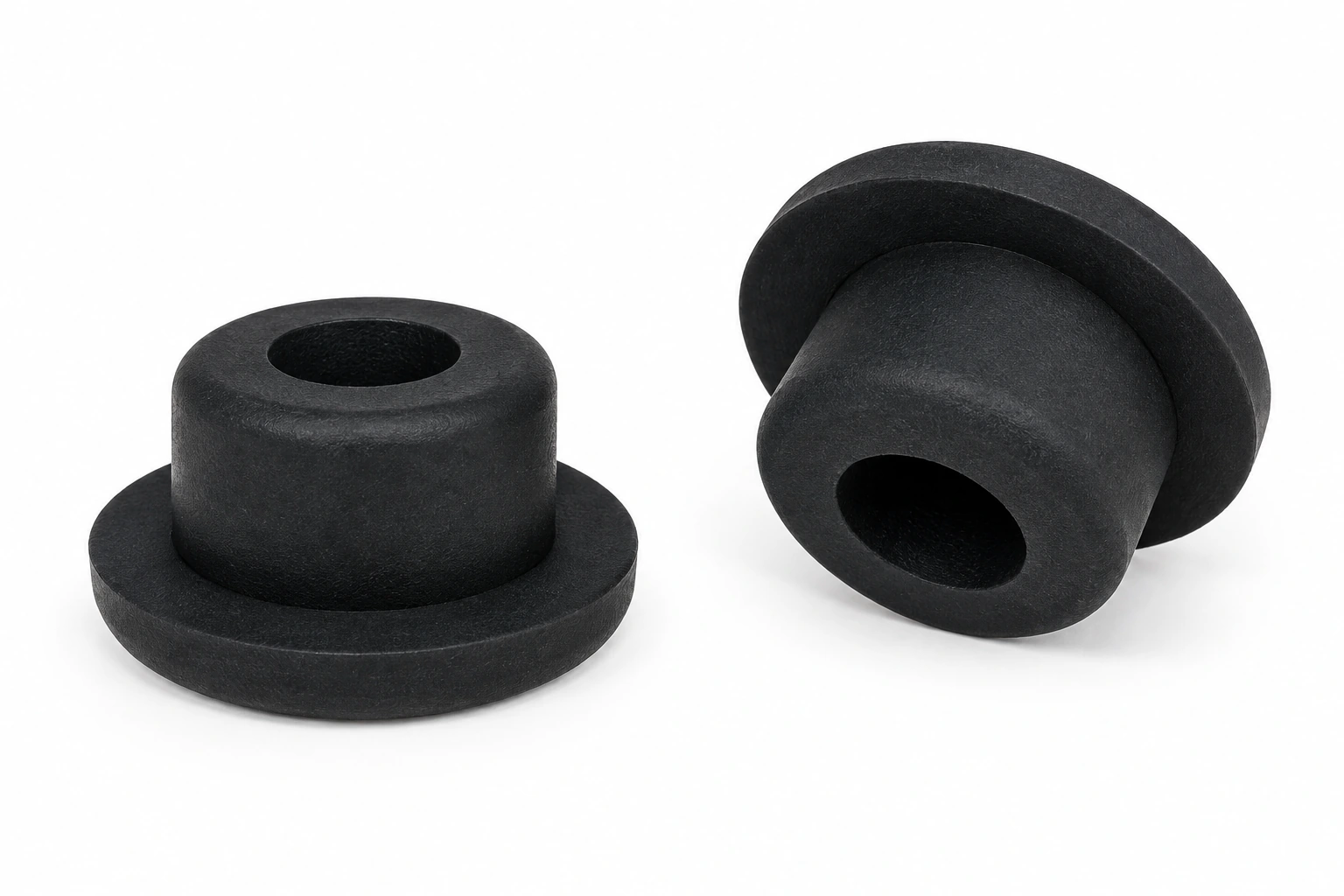
Match stem diameter A, flange diameter B, stem length C and flange thickness D. E refers to the underside recess; use the selected row and approved drawing to confirm the actual profile.
RSA Tapered Corks
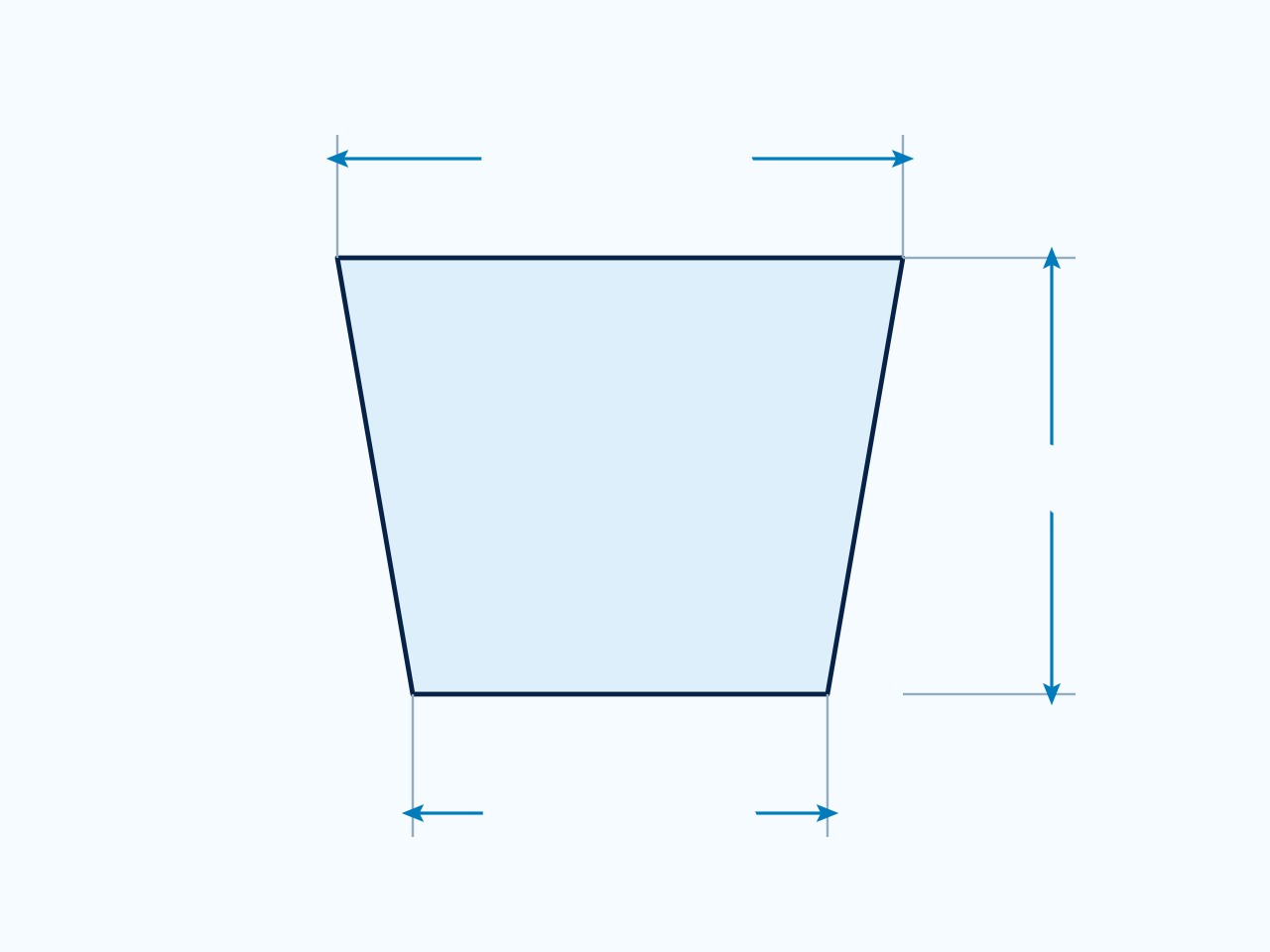
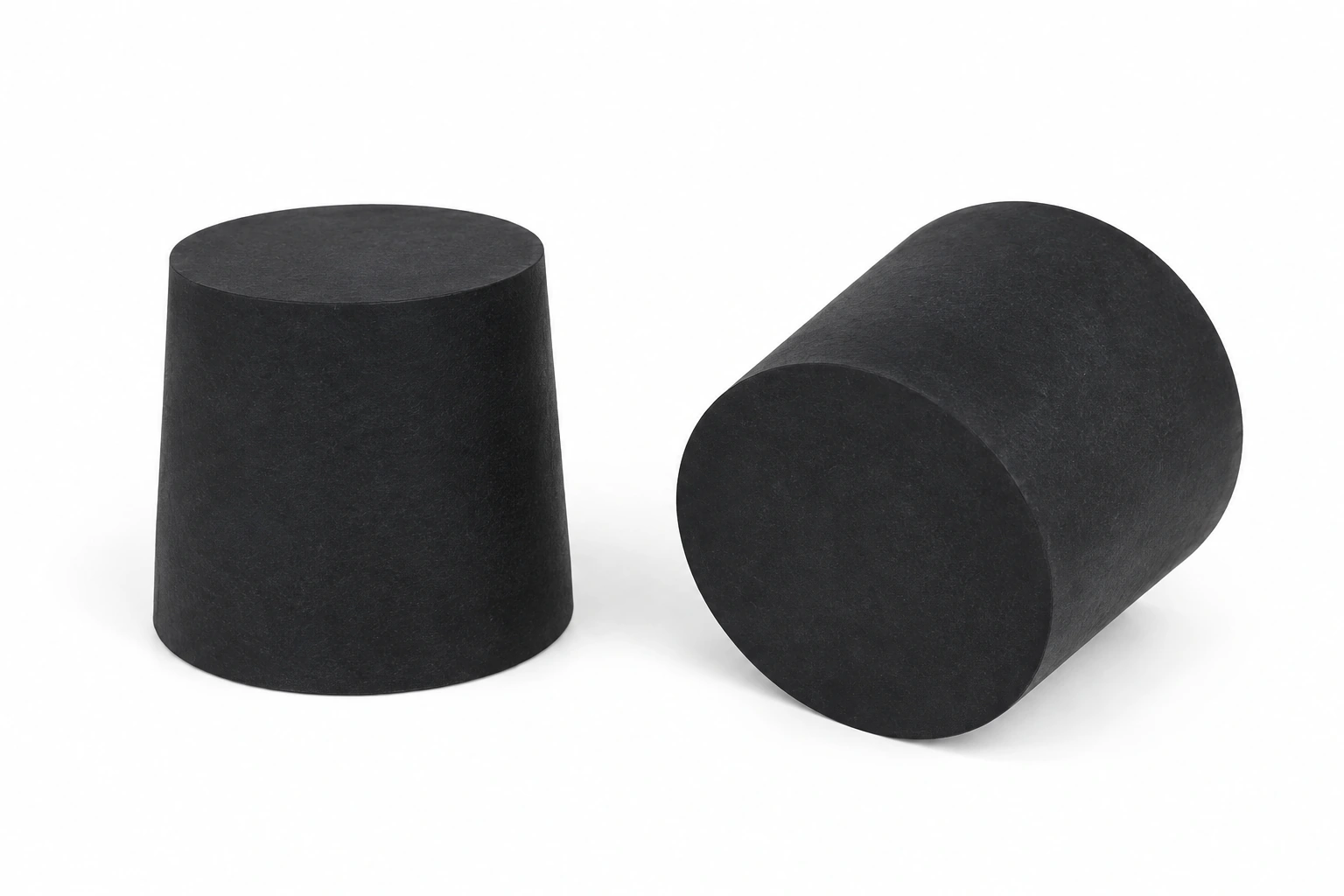
Compare large-end diameter A, small-end diameter B and Height, in mm. The mating bore and required seating depth determine where the taper contacts the opening.
RSB Undercut Plugs
Compare neck diameter A, flange diameter B, flange-to-lip distance C and flange thickness D. Check panel thickness and rear clearance. E refers to the underside recess.
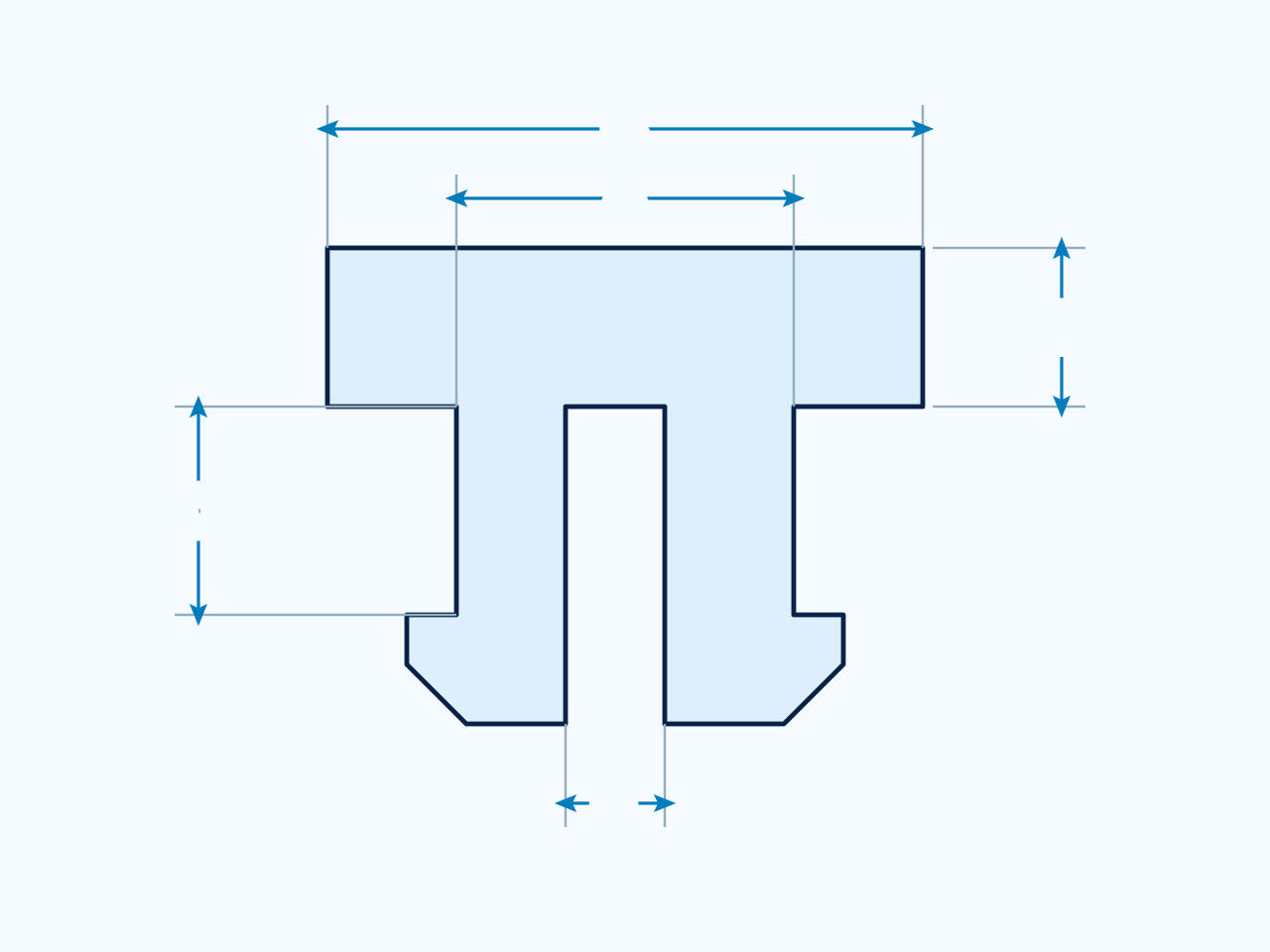
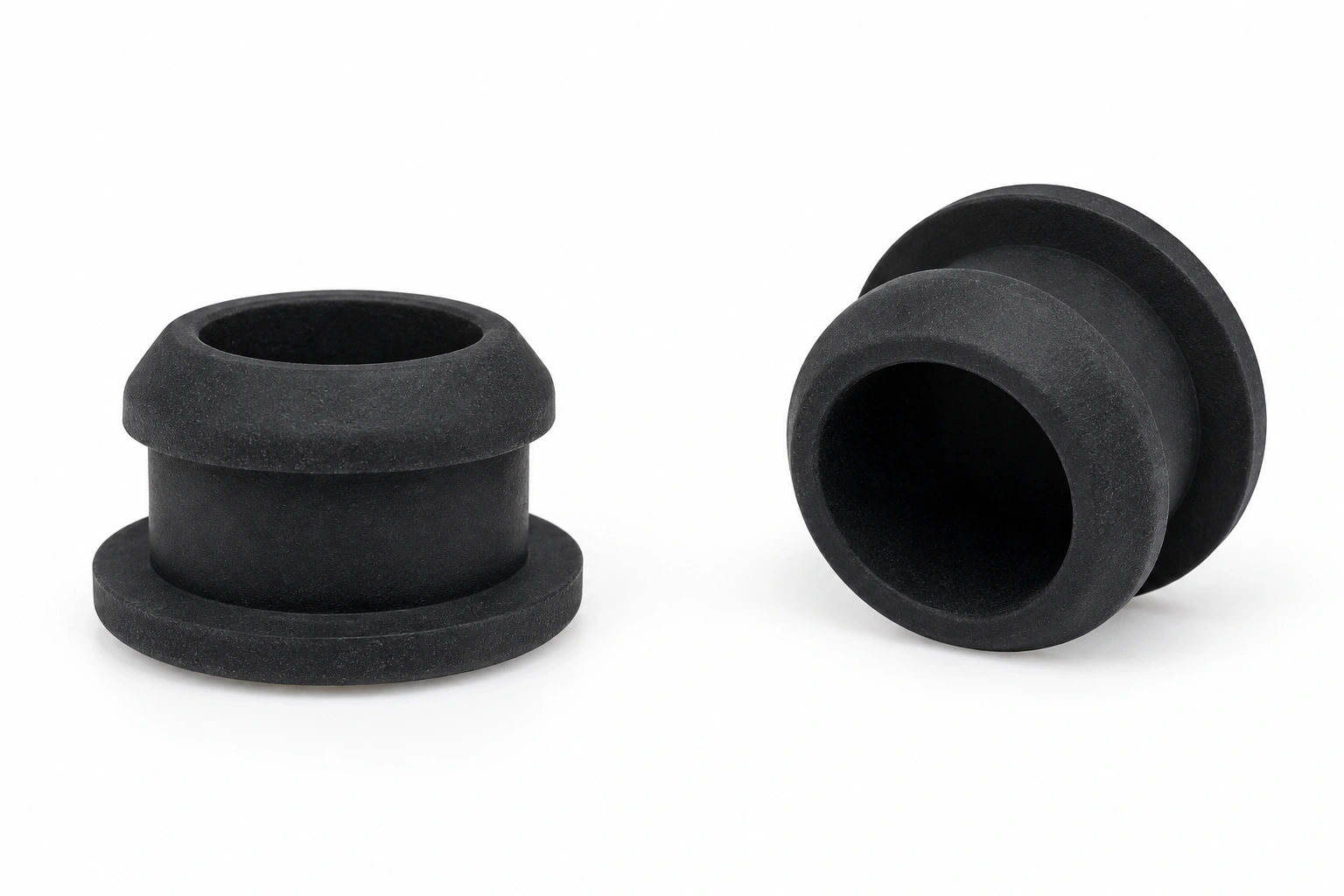
RSD T-Shaped Stoppers
Compare stem diameter A, flange diameter B, stem length C and head thickness D, in mm. Check the seating surface and available depth as well as the hole diameter.
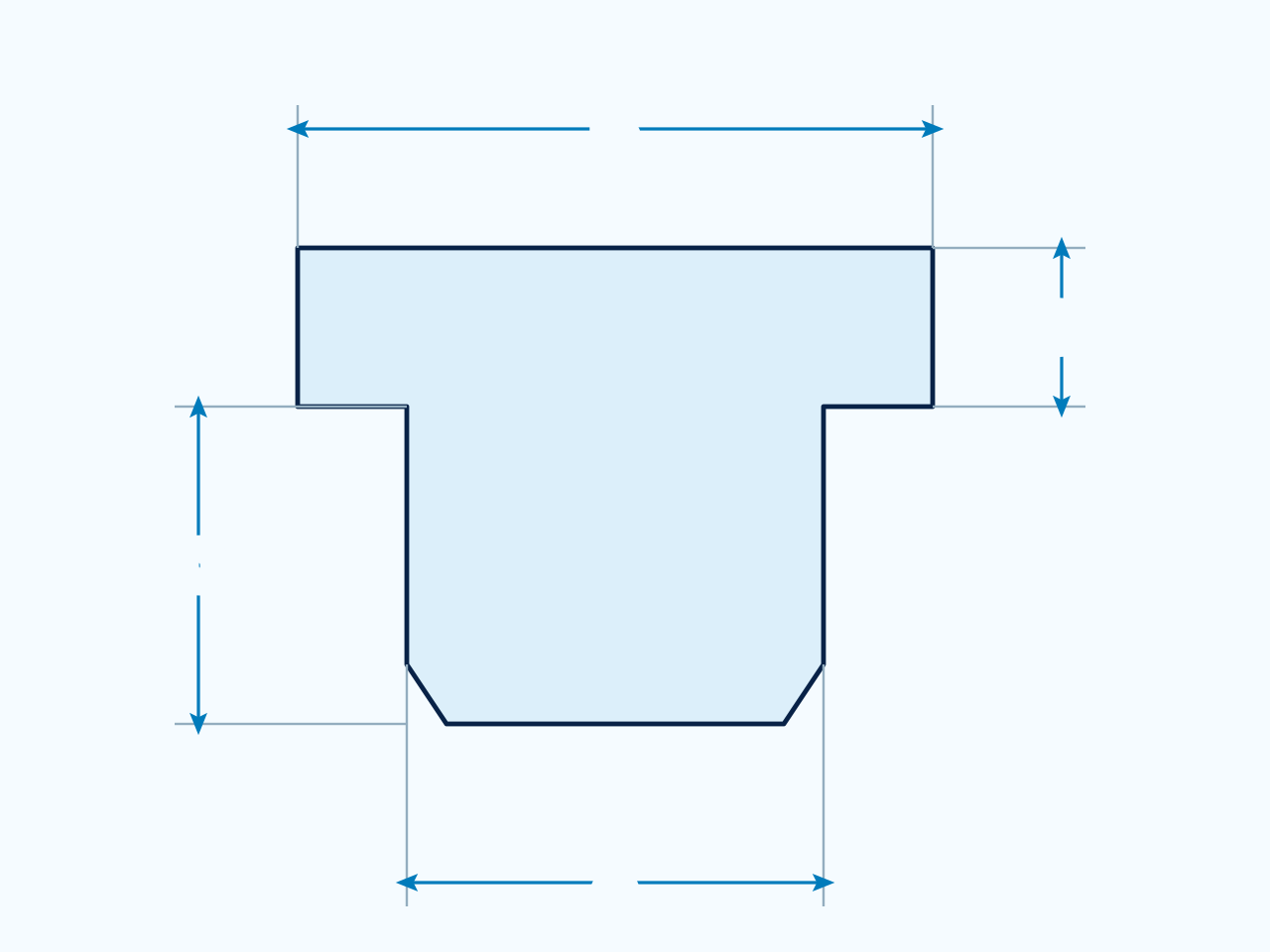
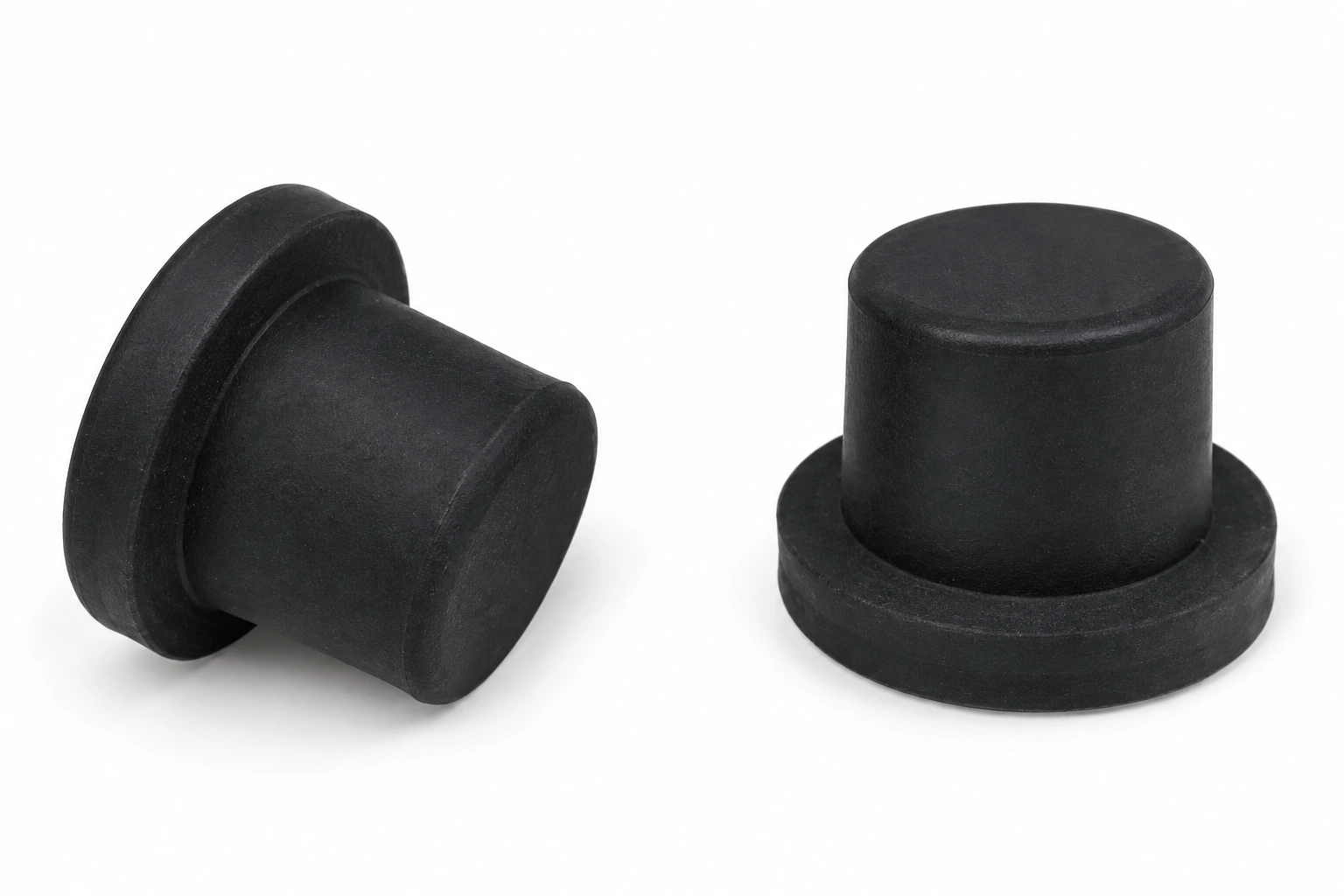
Need a different fit? Share the opening dimensions, mating profile and intended use for a custom size.
Discuss Your RequirementsProduct specifications
- Product form
- Removable closure fitted inside an opening
- Application focus
- Laboratory vessels and test tubes. Size the part against the selected assembly.
- Dimensions to confirm
- Opening diameter, closure profile, insertion depth and exposed grip. Match these to laboratory vessels and test tubes.
- Profiles discussed
- Round profiles. Select the profile that matches the mating part and dimension that section explicitly.
- Contact conditions
- Other gases: define concentration, temperature and contact time, then check compatibility with the chosen compound.
- Seating check
- Check the sealing contact around the opening and the force needed for insertion and removal.
Need a quote or a custom part?
Send your requirements, drawings or samples to discuss standard and custom silicone rubber parts.
Email us[email protected]