
Small rubber feet
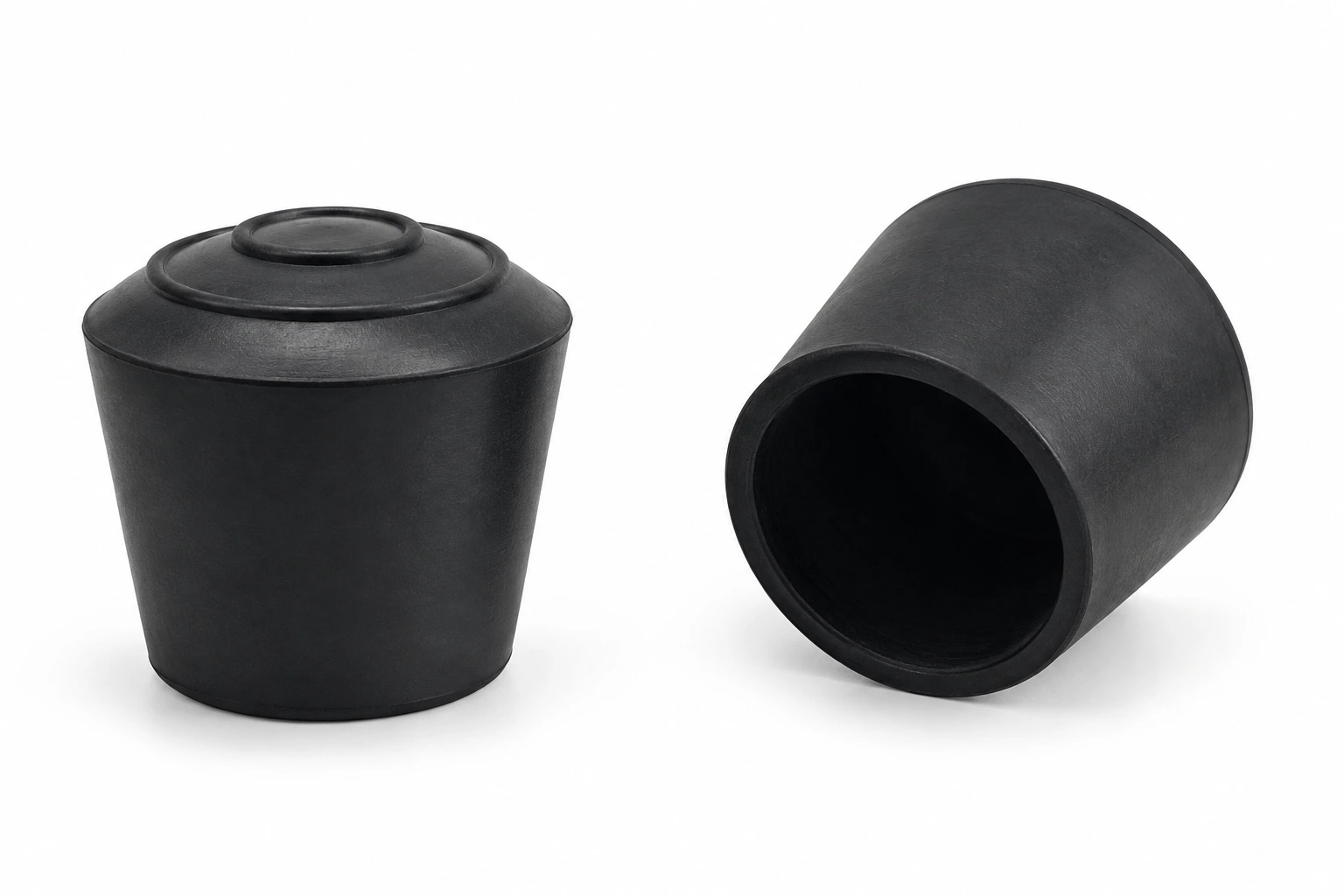
Small rubber feet you can use for so many different purposes that we practically cannot tell you what small rubber feet are intended for in the first place. Some of the primary purposes of small rubber feet are to reduce impact and thus enable smooth operation. Shock absorption is very useful for vehicles, but also for different types of speakers and other electronic equipment. That is why small rubber feet are an indispensable part of the music industry, and they are also implemented in many factory machines.
Protection from scratches is one of the everyday purposes of small rubber feet, so various equipment will not have scratched edges if you implement this type of rubber feet. It will not only protect the edges of equipment and appliances, but you will also protect the floor. When you move furniture or appliances, it leaves marks on the floor, especially if you have wood flooring. Also, without small rubber feet the furniture would slide and the speakers would move from vibration if there was no carpet under them. With rubber feet, slippery will no longer be a problem.
And there is something else. Surely you know that extremely unpleasant sound that makes us cringe as we move the furniture. That squeak we all hate. Thanks to small rubber feet this will no longer be a problem. What is definitely great and what also makes this product so versatile is the ability to change the dimensions. Although we know you need small feet made of rubber, the exact size you need varies. Small can be a few millimeters, but also a few centimeters. You can order any size you want. You can also choose the material. Rubber is not just a unique material, but a family of materials that includes neoprene, silicone, natural rubber and many others.
Rubber Feet & Bumper Size Catalog
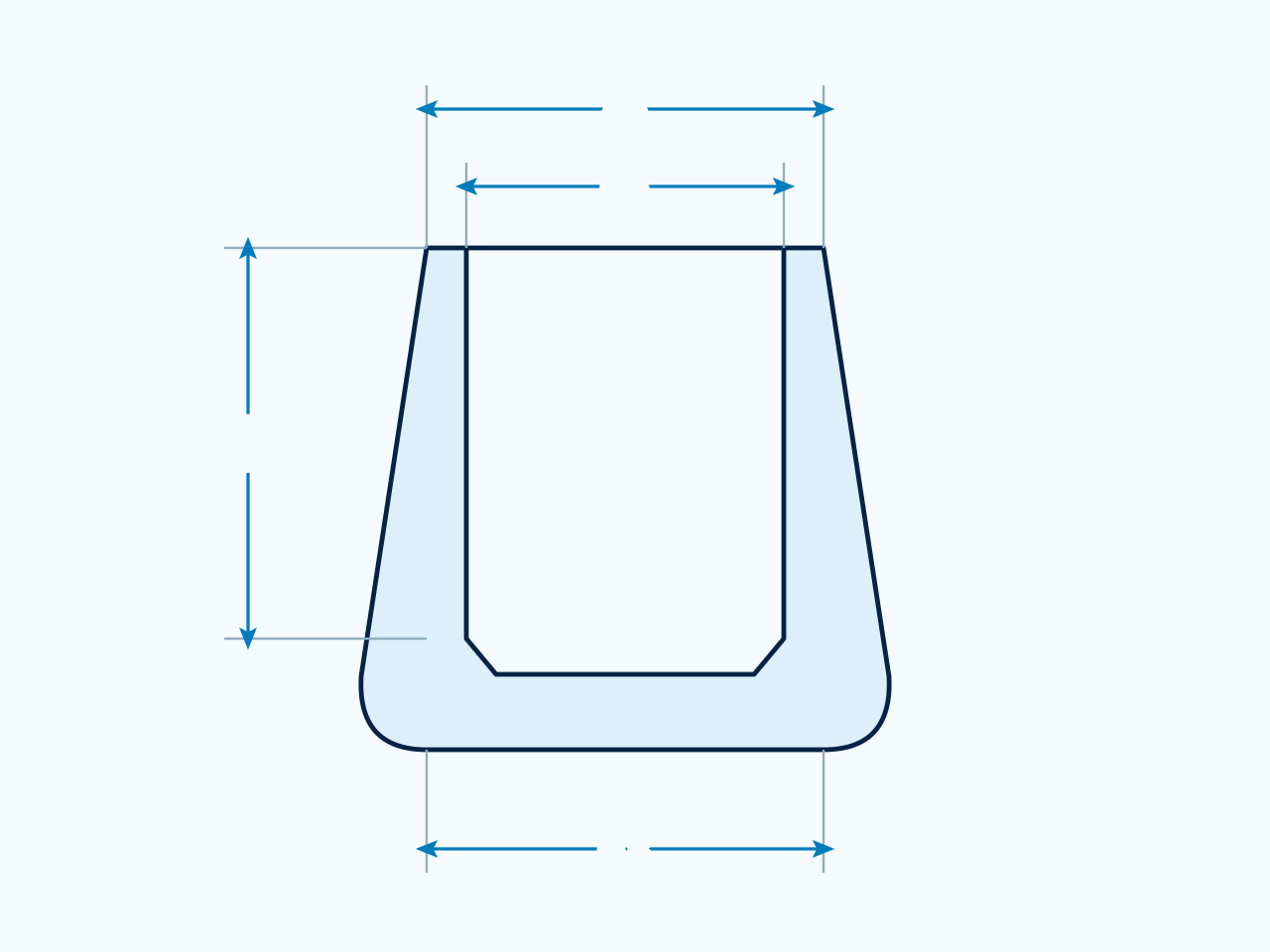
Compare mounting style, overall size and recess dimensions. Each profile uses its own drawing and column meanings.
Recess Rubber Bumper
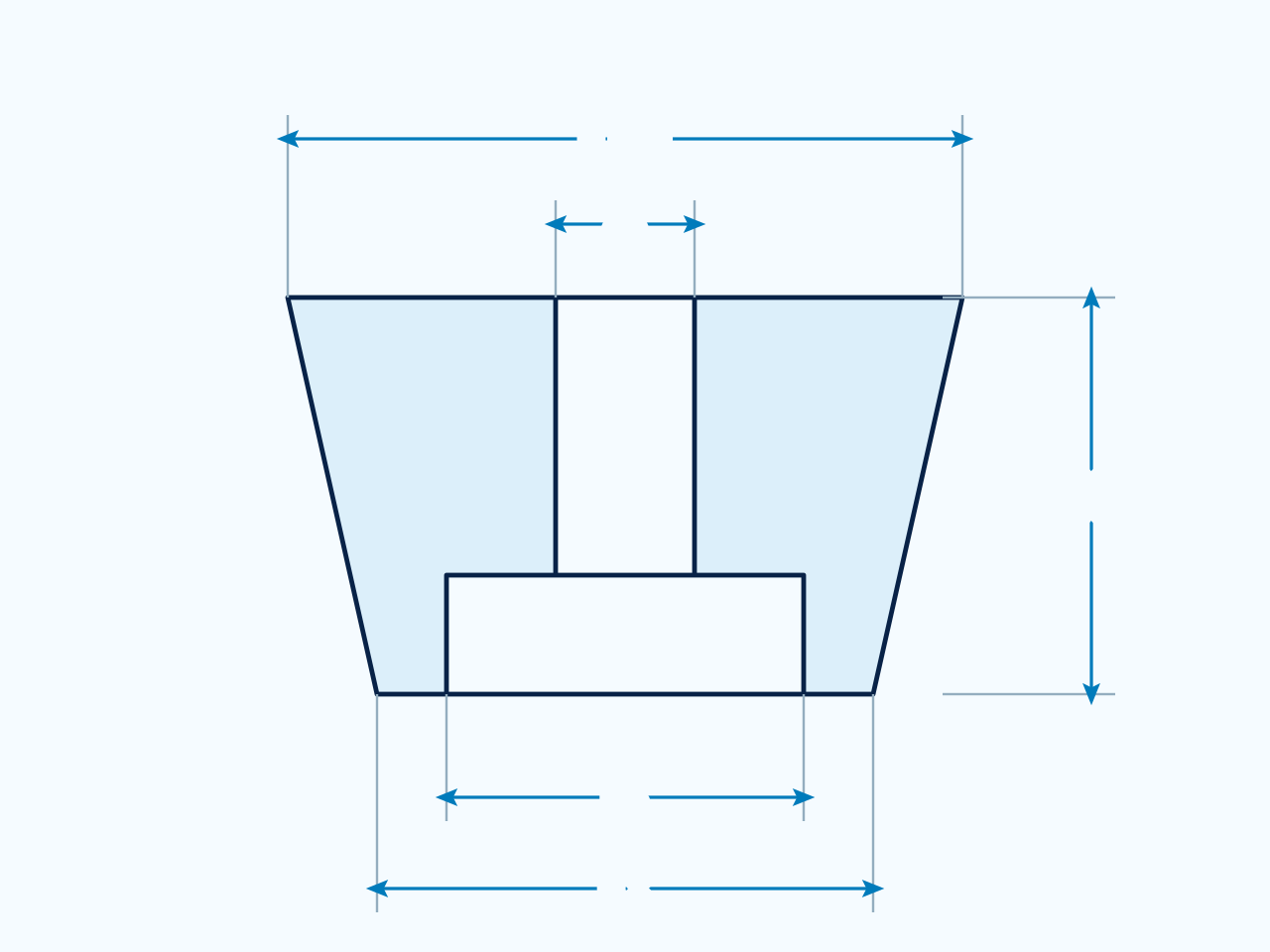
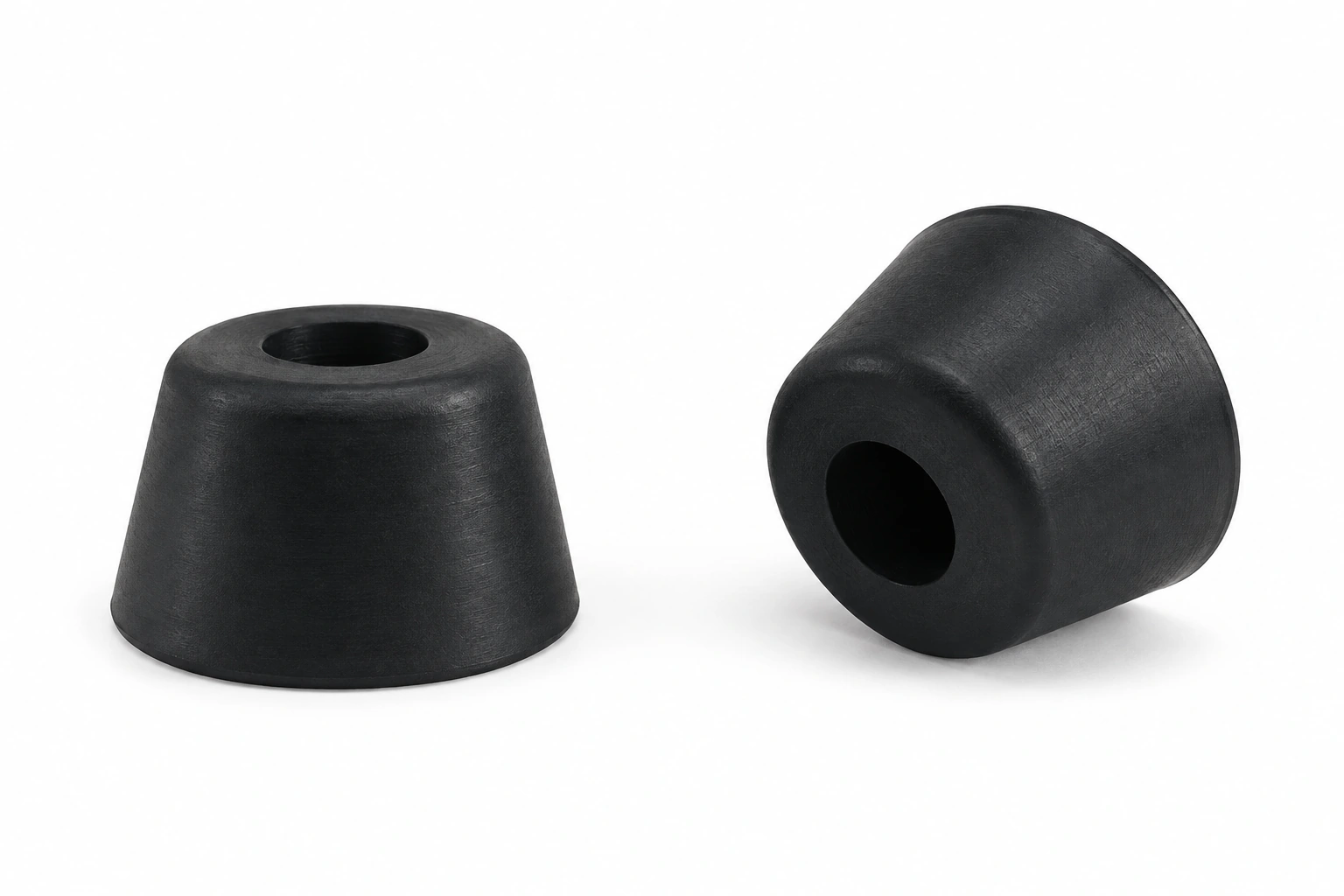
Compare OD, H, A, B and C in mm. C indicates the outer base dimension on this bumper profile, not the recess depth.
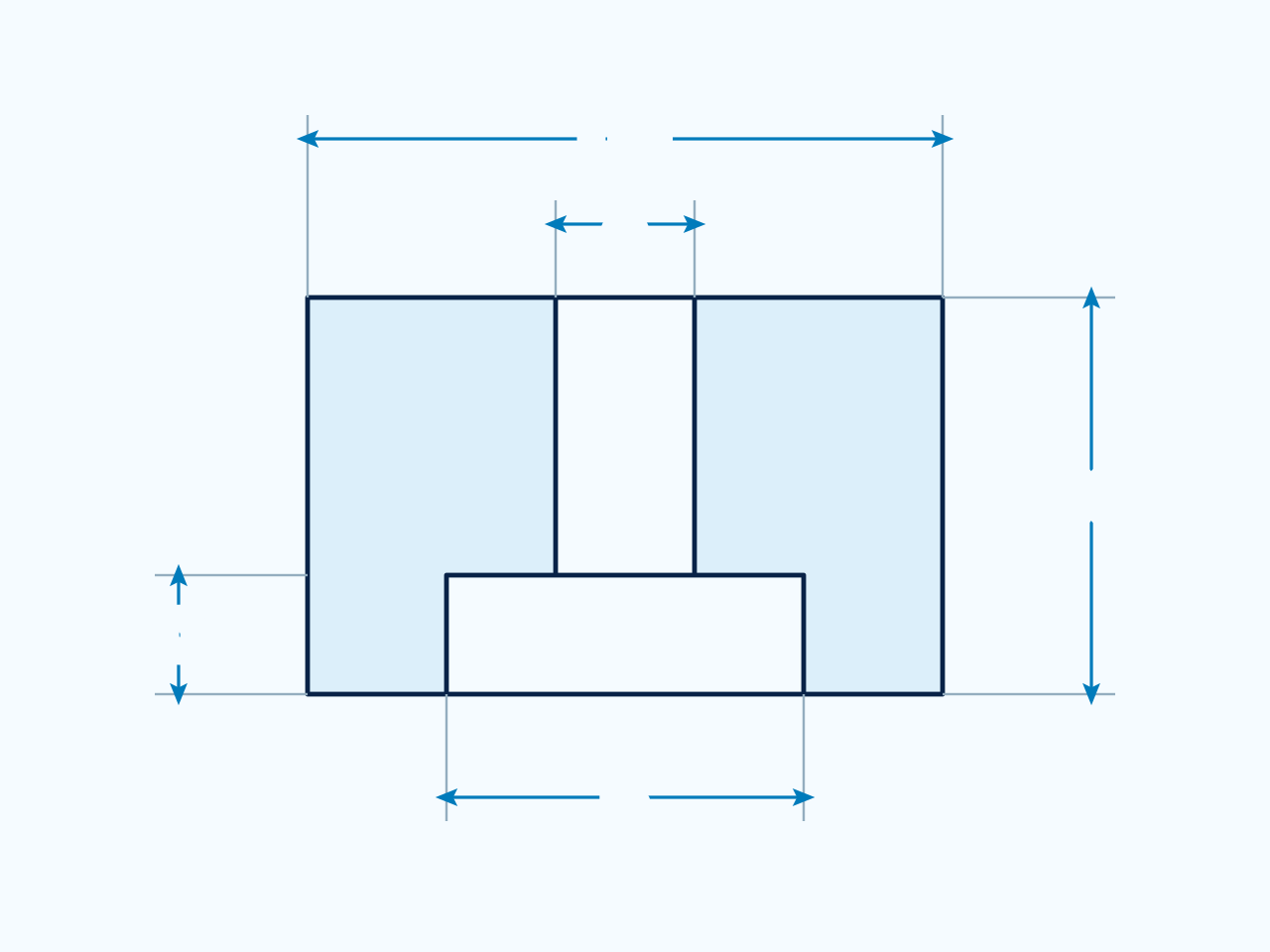
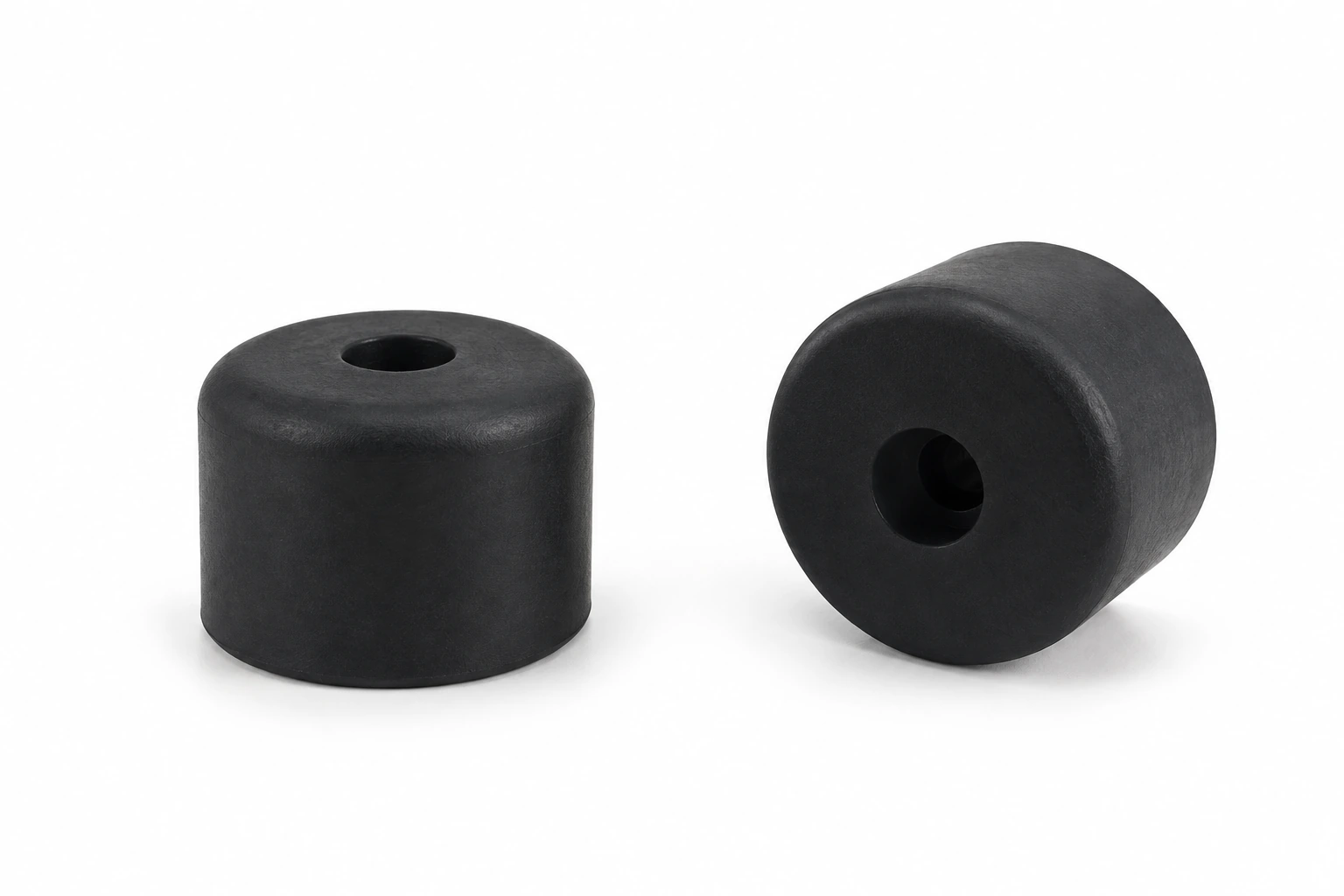
Cylindrical Rubber Feet
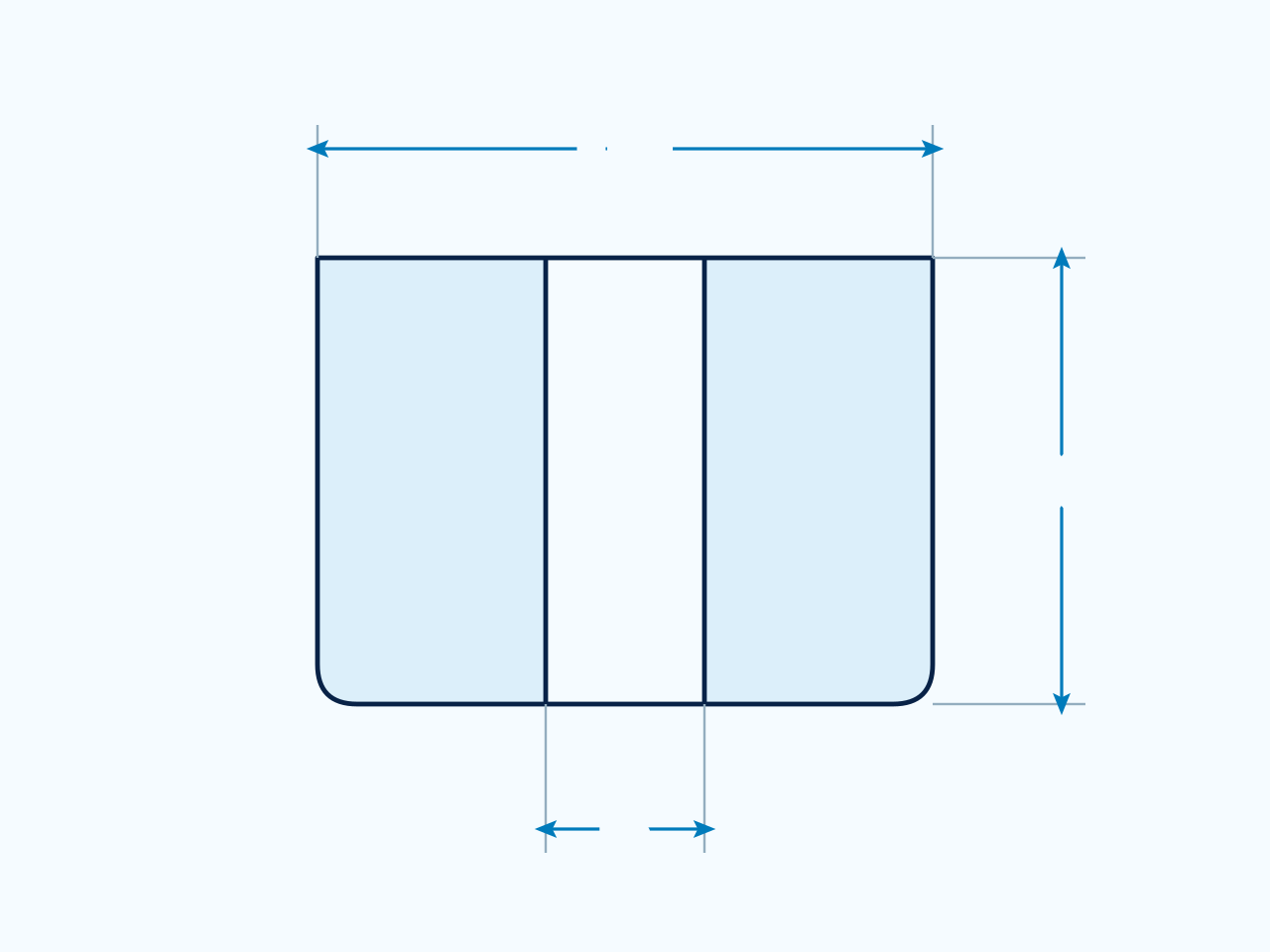
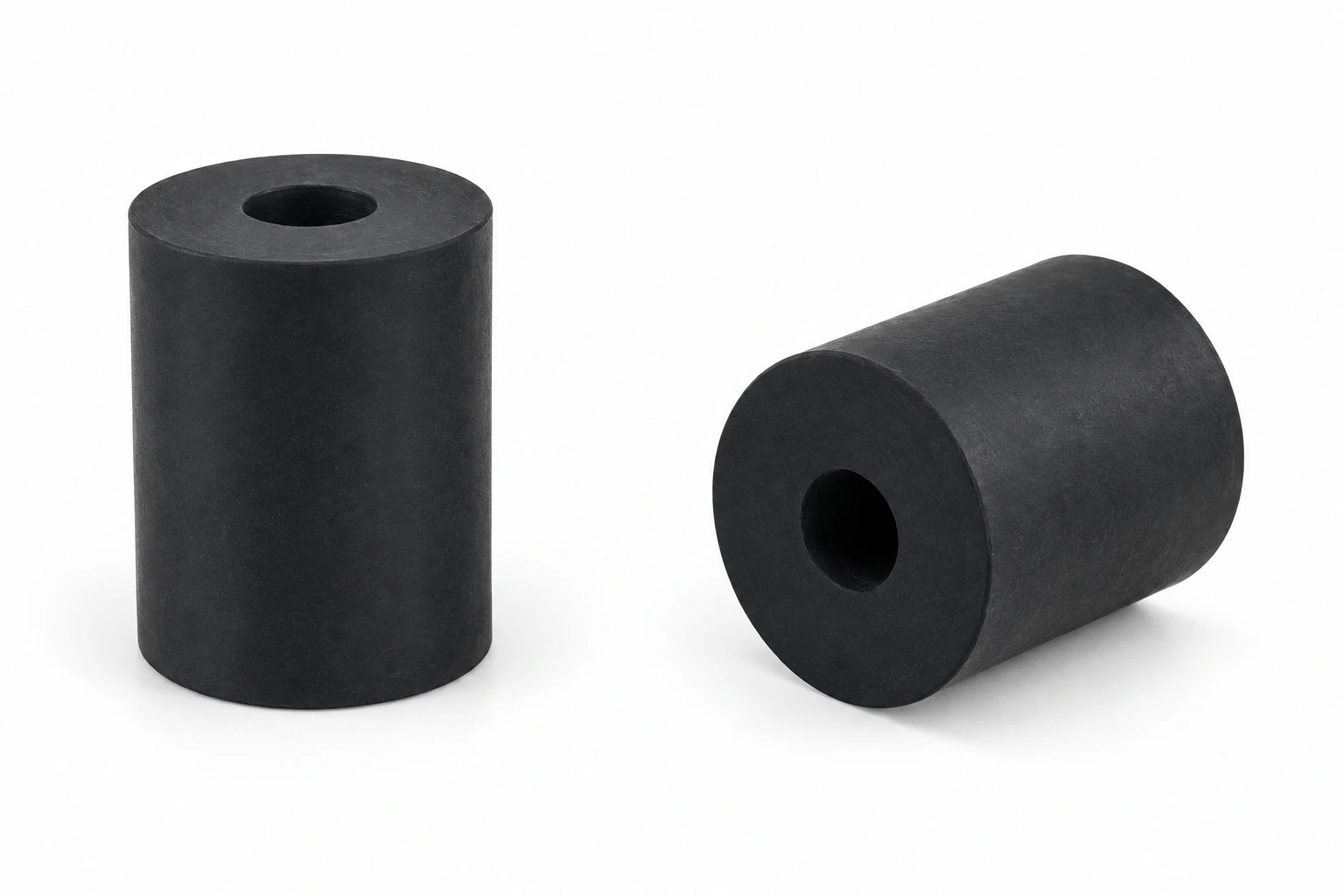
Compare OD, H and B in mm using the cylindrical-foot drawing. Material and colour remain listed separately.
Recess Rubber Feet
Compare OD, H, A, B and C in mm. C indicates the recess depth on this feet profile.
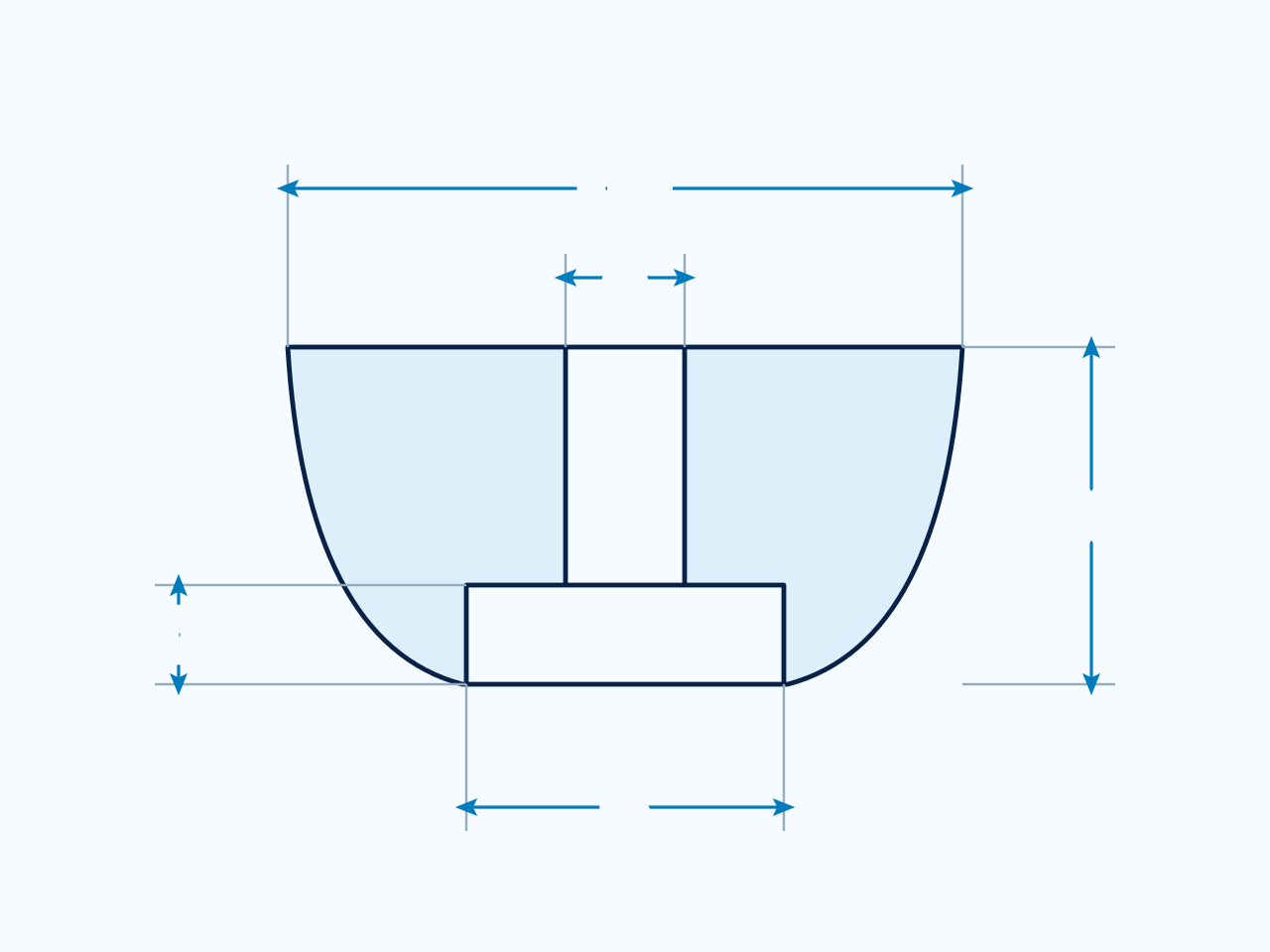
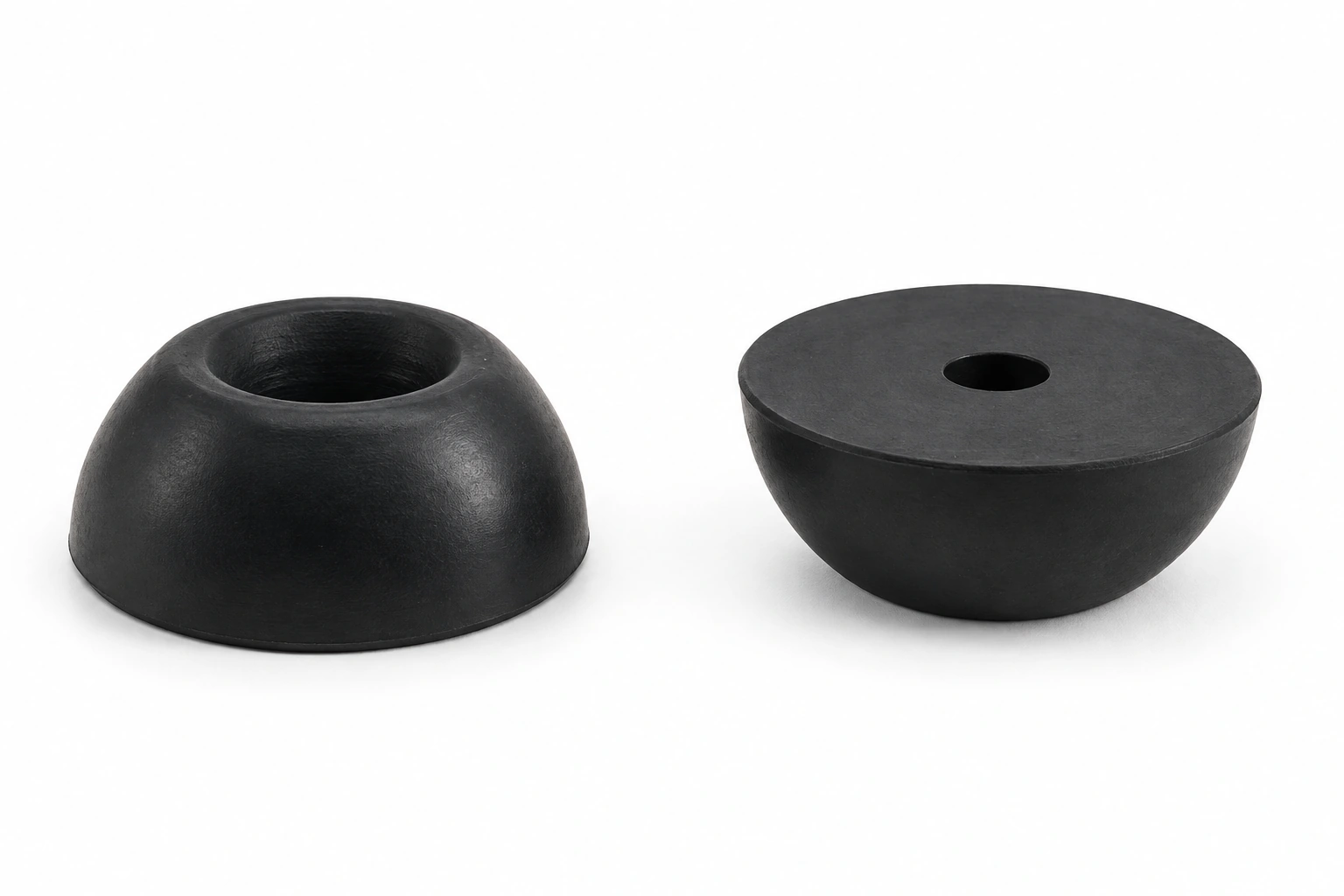
Hemispherical Rubber Bumper
Compare OD, H, A, B and C in mm using the hemispherical-bumper drawing.
Rubber Tips
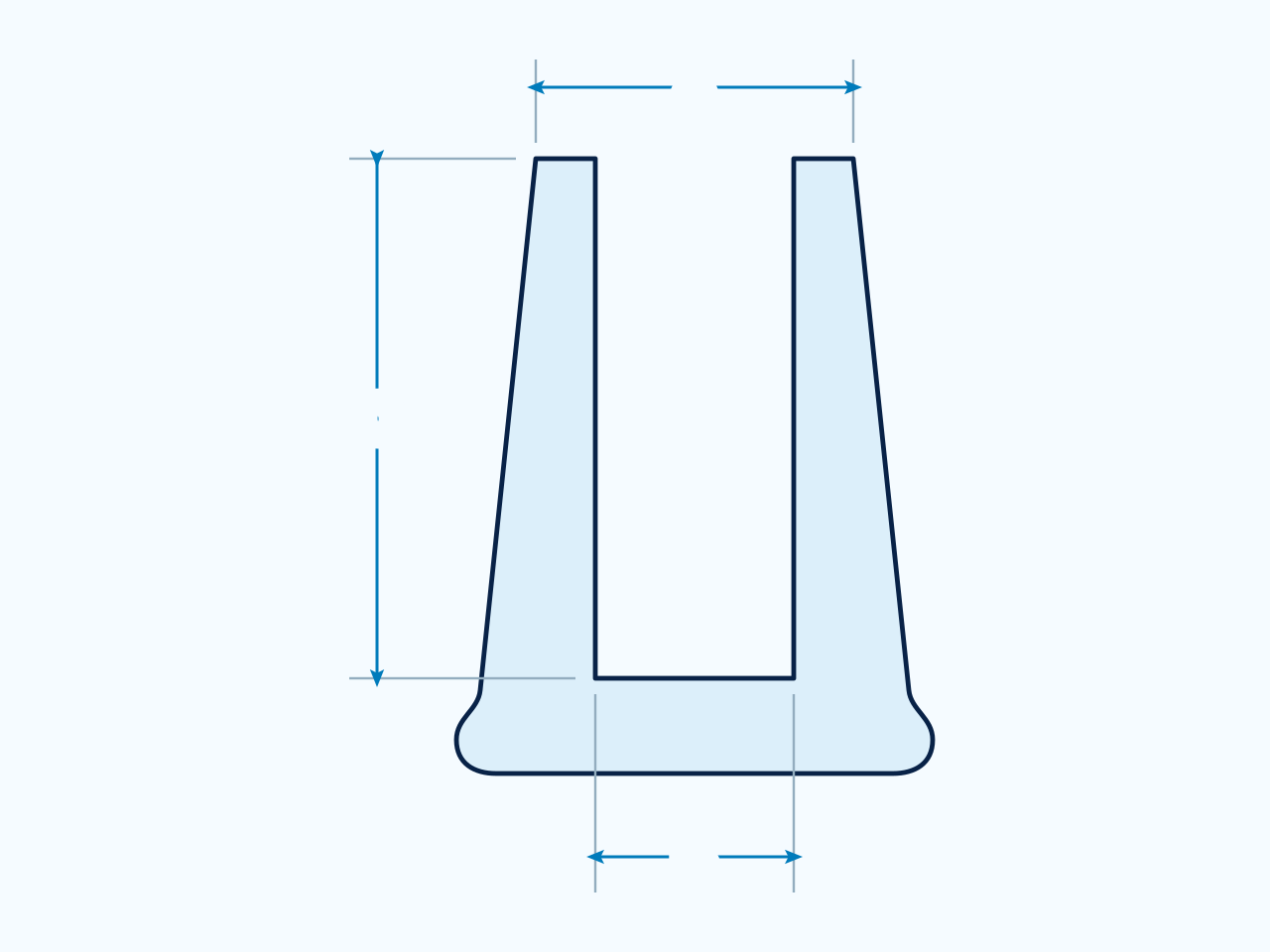
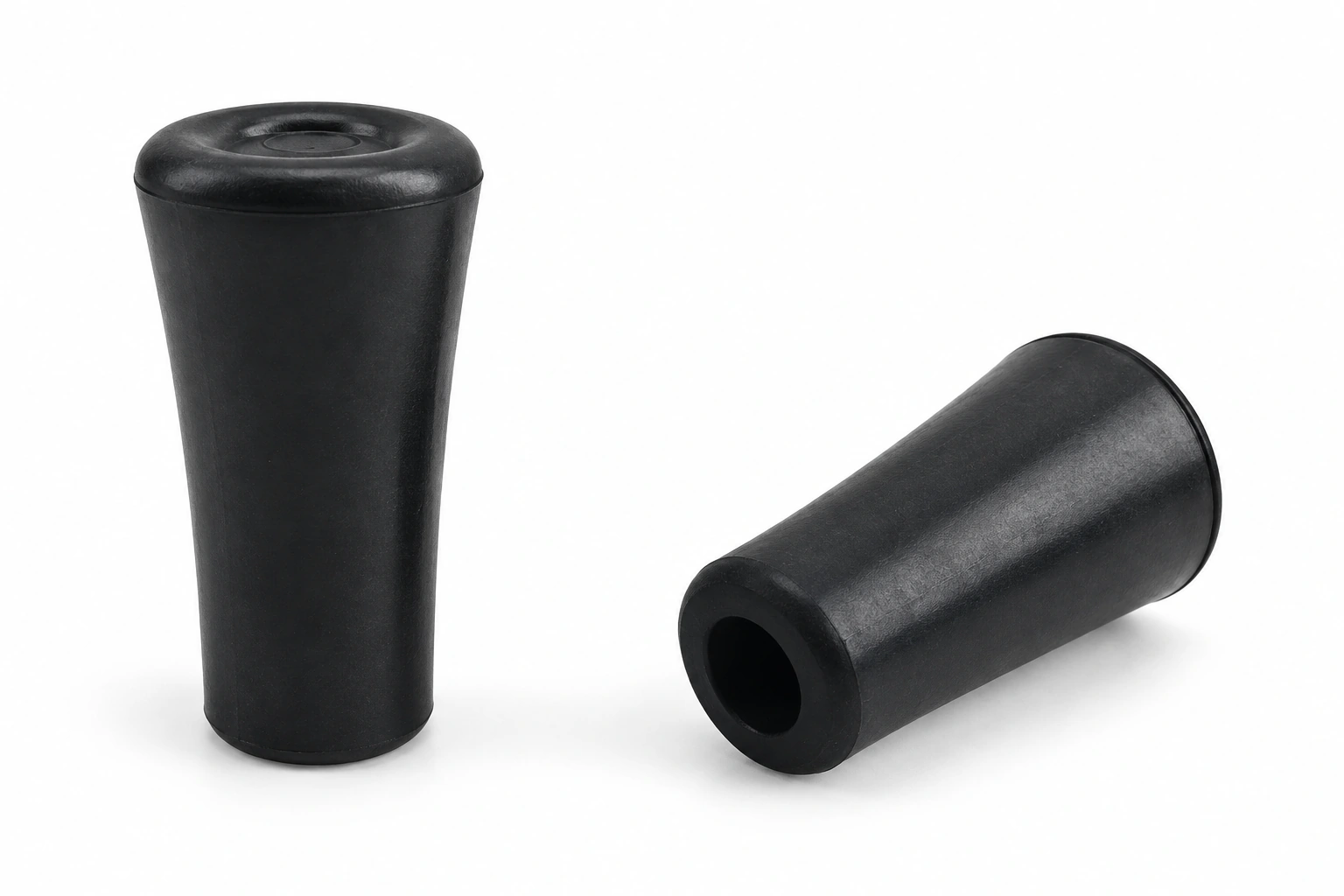
Compare A, B and C in mm using the open round-tip drawing. Check the mating leg dimensions and seating depth.
Rectangular rubber feet for chairs
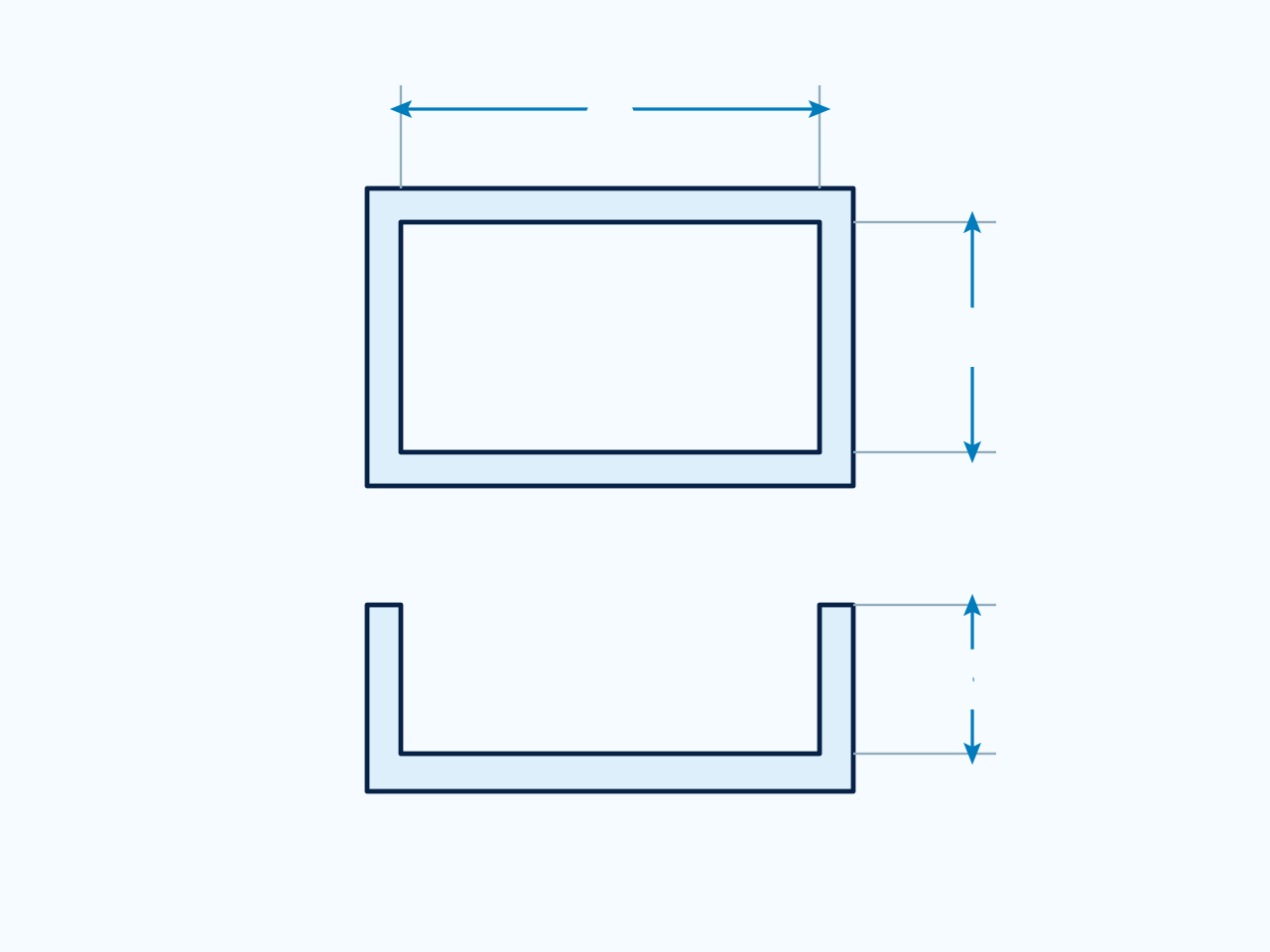
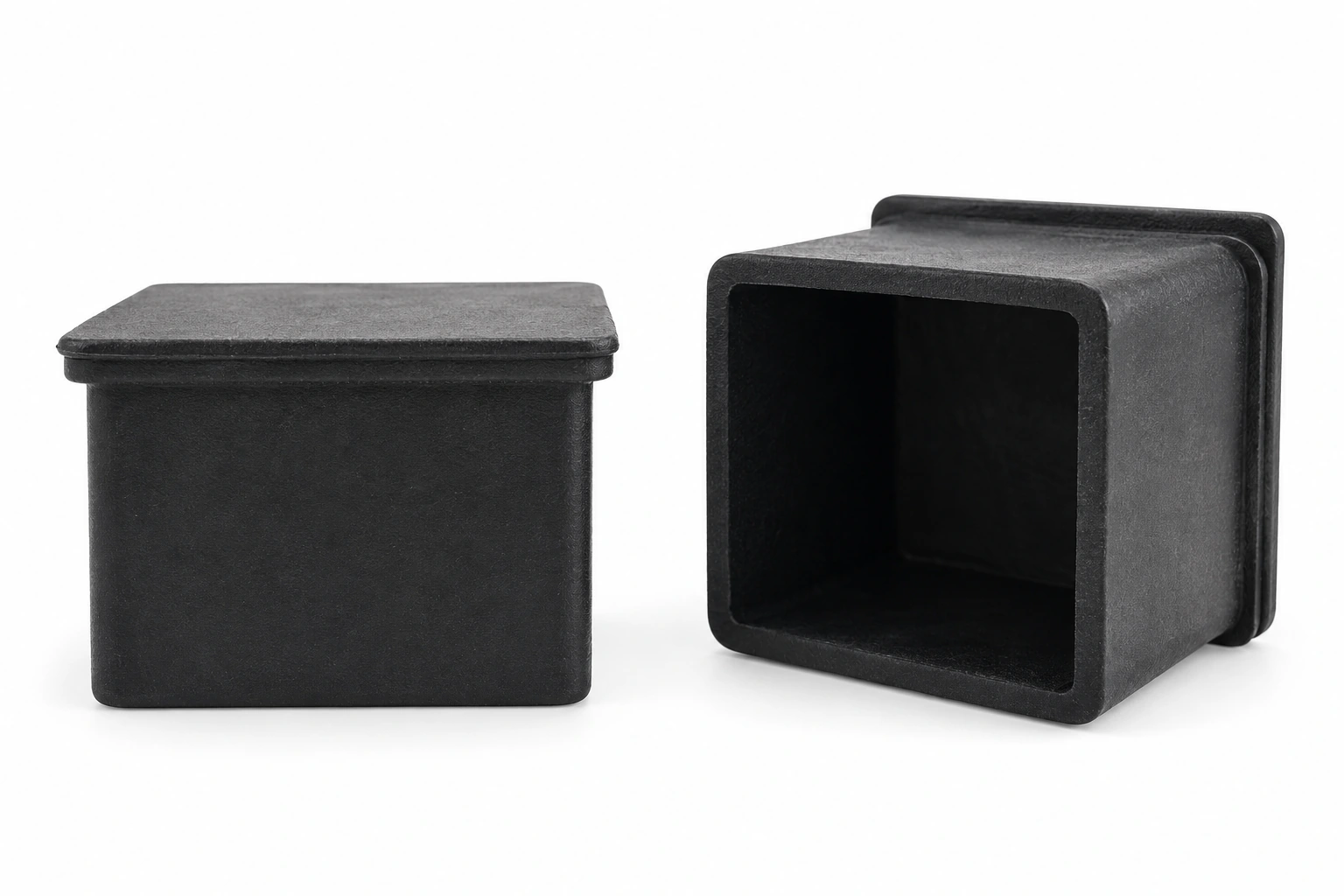
Compare A, B and C in mm using the rectangular-tip drawing. Check both sides of the mating leg and the seating depth.
Rubber Feet For Chairs
Compare A, B, C and D in mm using the square-tip drawing. Check the mating leg profile and seating depth.
Need a different size? Share your drawing, mating dimensions and intended use to discuss a suitable part.
Discuss Your RequirementsProduct specifications
- Product form
- Resilient support foot for an equipment or furniture base
- Material options discussed
- Silicone, chloroprene rubber (CR) and natural rubber / latex. Choose one formulation for the actual contact and loading conditions.
- Application focus
- Speaker cabinets, electronic equipment bases, household appliances and furniture bases. Size the part against the selected assembly.
- Dimensions to confirm
- Footprint, installed height and attachment position. Match these to speaker cabinets and electronic equipment bases.
- Compact envelope
- Define the available installation space, minimum wall or web thickness and access for fitting and removal.
- Contact surface
- Hardwood and carpet. Check marking, grip and movement on the actual finish under load.
- Support loading
- Determine the load at each foot and check the resulting compression and stability.
Need a quote or a custom part?
Send your requirements, drawings or samples to discuss standard and custom silicone rubber parts.
Email us[email protected]