
Rubber Isolation Feet
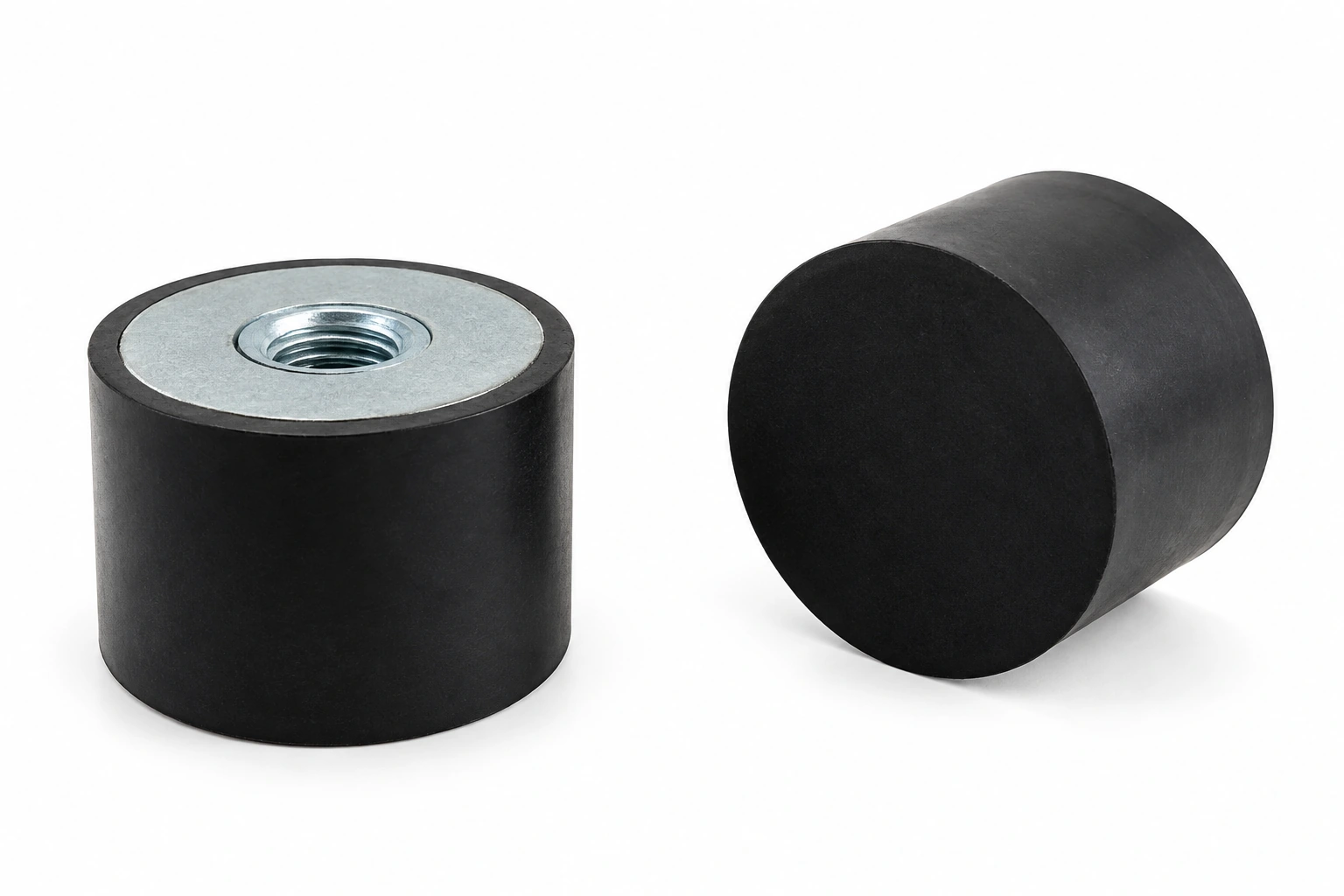
Whether as a shock-absorbing pad, as a space between floor and machine, or as machine feet – rubber insulation elements offer us a wide range of applications. In addition to the metal threaded part, the main component is natural rubber, which can vary in hardness and temperature range – depending on the composition and purpose for which it is used.
Rubber insulation products such as rubber isolation feet are most often intended to prevent and insulate strong vibrations and prevent damage. In every house, we have some doors close on their own due to poor installation, or pieces of furniture that slide, damaging our floors. It is clear that a permanent solution needs to be found for this and the walls, floors, or other surfaces must be protected from unpleasant traces and damage that remain. The solution is rubber isolation feet. If you thought you had not encountered these parts, you are wrong. Almost every home appliance has them. Just take a look at the underside of your blender in the kitchen – and you will see that it must have rubber feet that prevent unpleasant vibrations when the blender is running.
We also have rubber insulation feet on other devices in the house, such as washing machines, air conditioners, etc. These tiny parts are extremely important not only for the house but also for the production facilities. Namely, rubber insulation feet are used in both industry and production. Then they are most often made in a combination of steel rubber, where strength and durability are obtained in combination with flexibility. The most important feature of these products is that they are not easily flammable but are resistant to high and low temperatures and sudden temperature changes. And to conclude, rubber insulating feet certainly have an impact on us – especially when we can avoid noise that can irritate us.
Vibration Mount Size Catalog
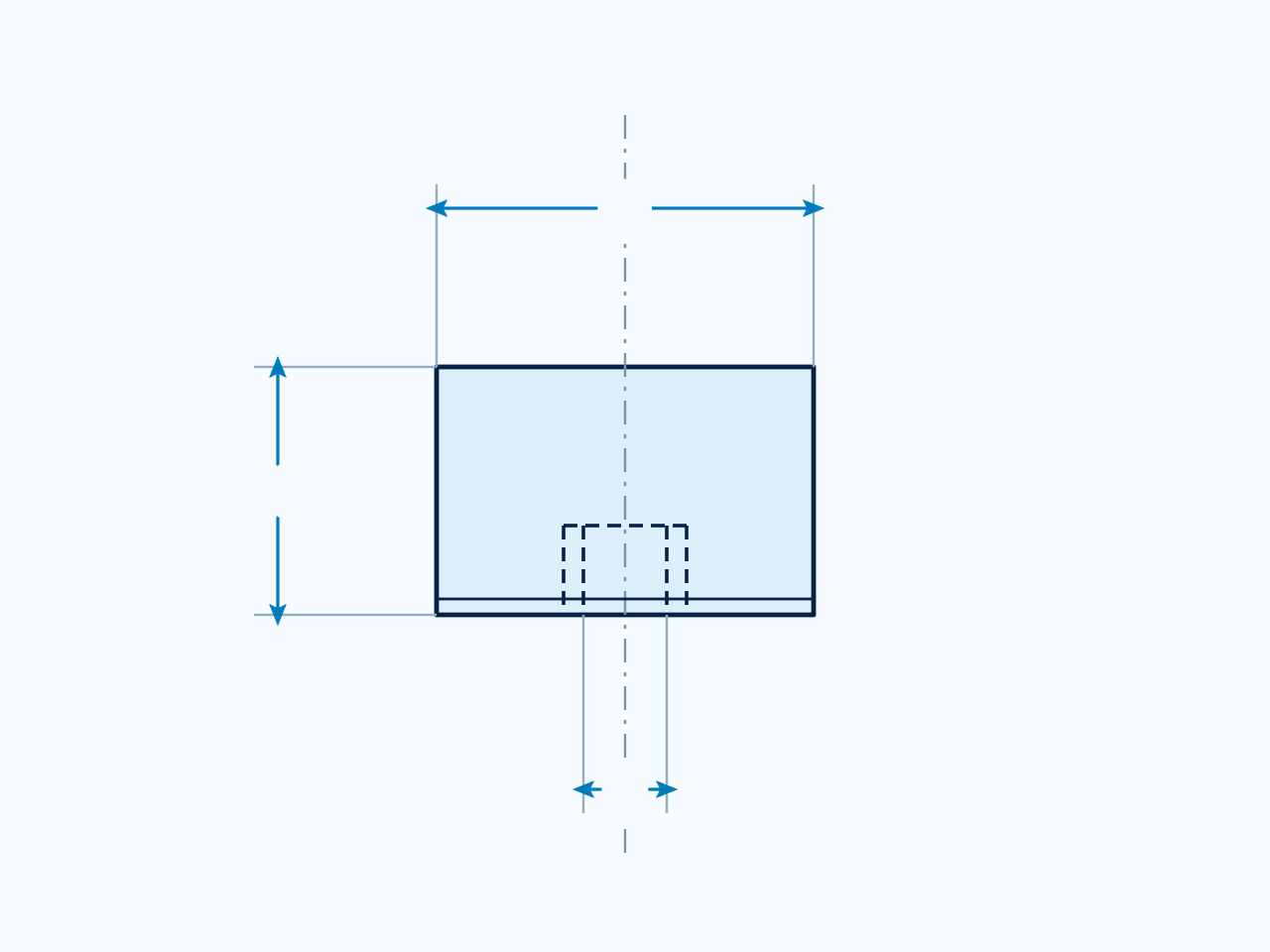
Compare five mounting arrangements using the matching drawing, thread and dimensional data. Load and compression columns retain their stated units; confirm operating conditions for your installation.
Vibration Damping Mounts A
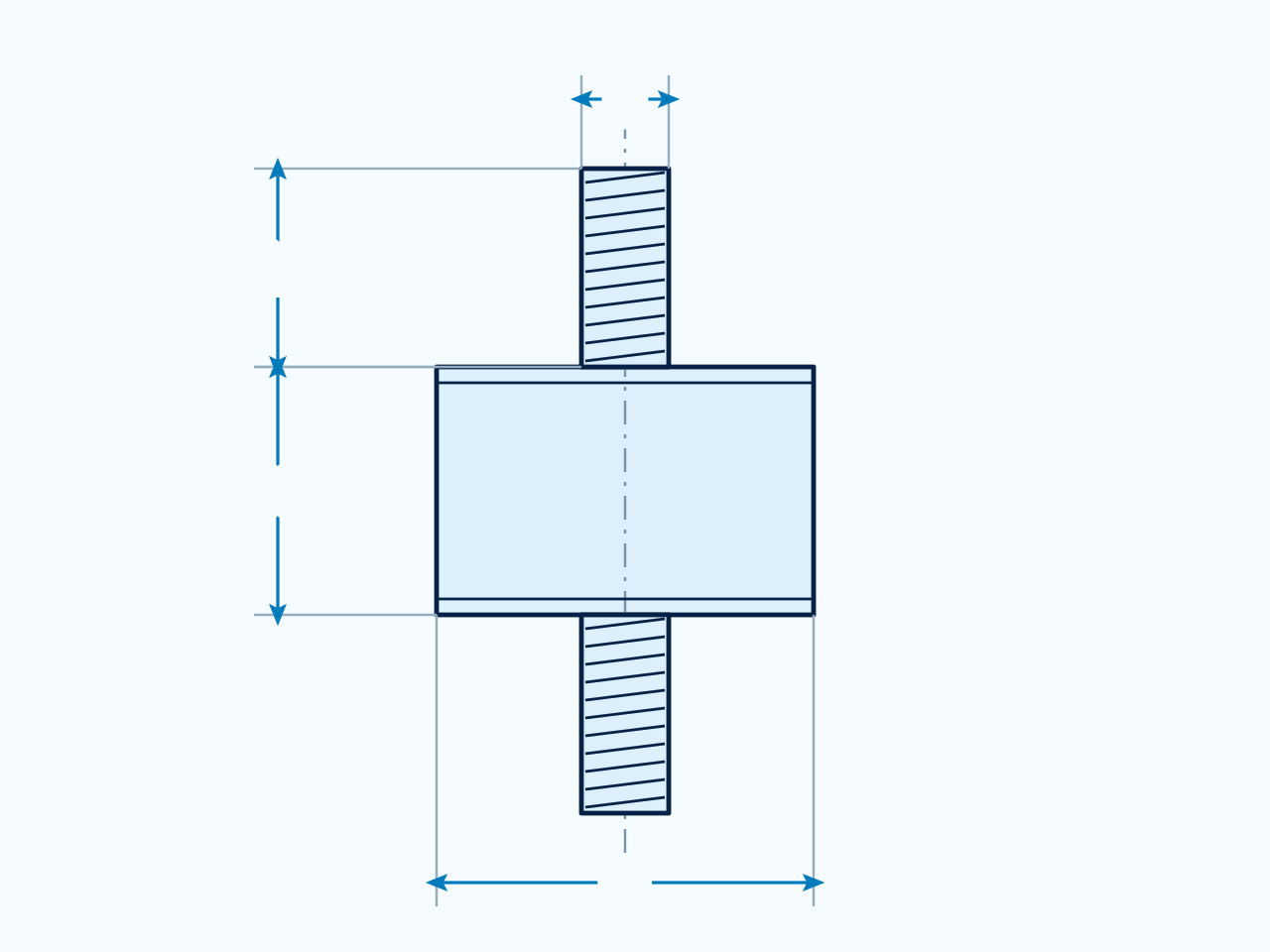
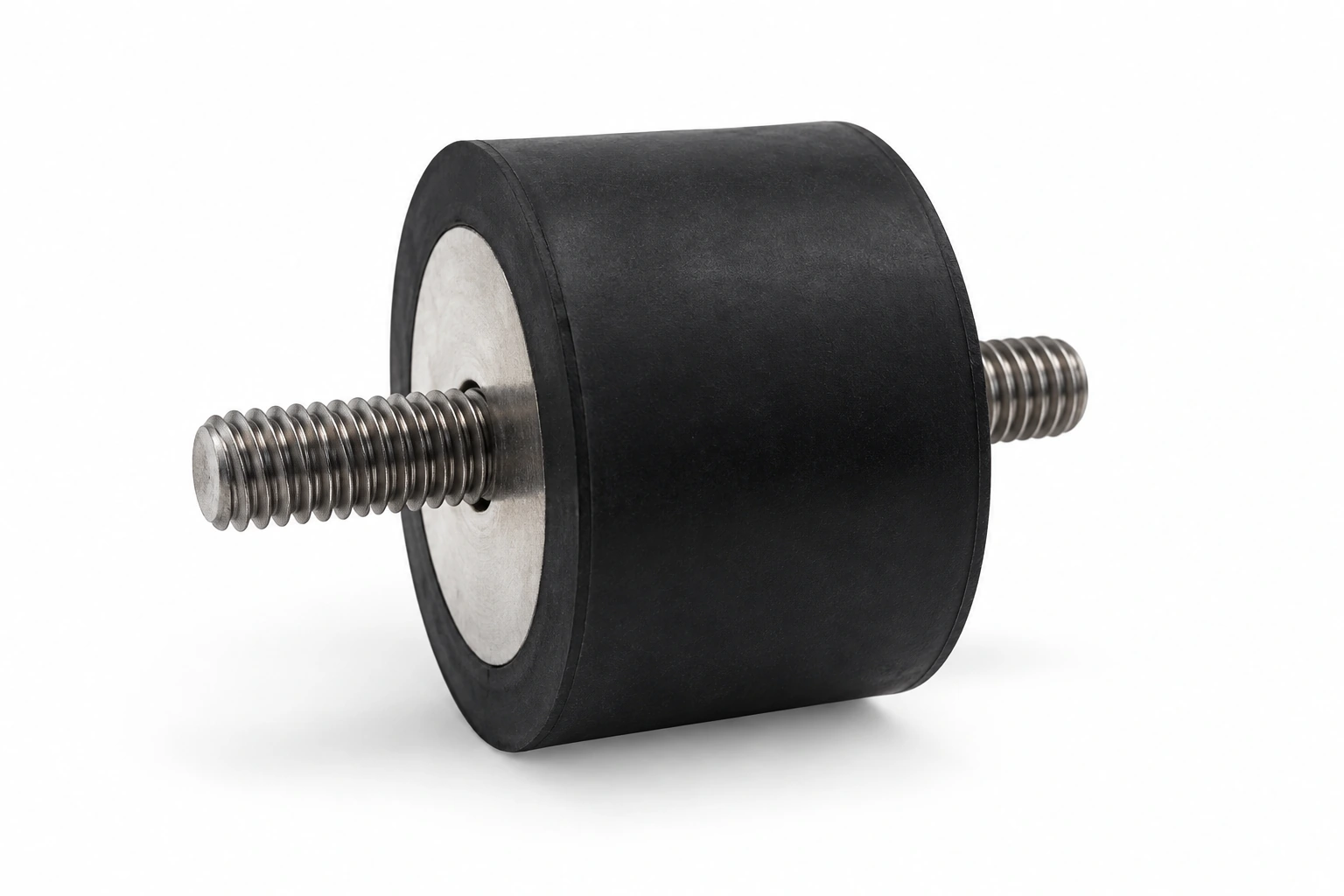
Match D, H and thread d to the drawing, including stud length L. Dimensions are in mm; thread designations, load in kg and compression in mm follow the table headings. Confirm load direction and operating conditions for your installation.
Anti-Vibration Rubber Mounts B
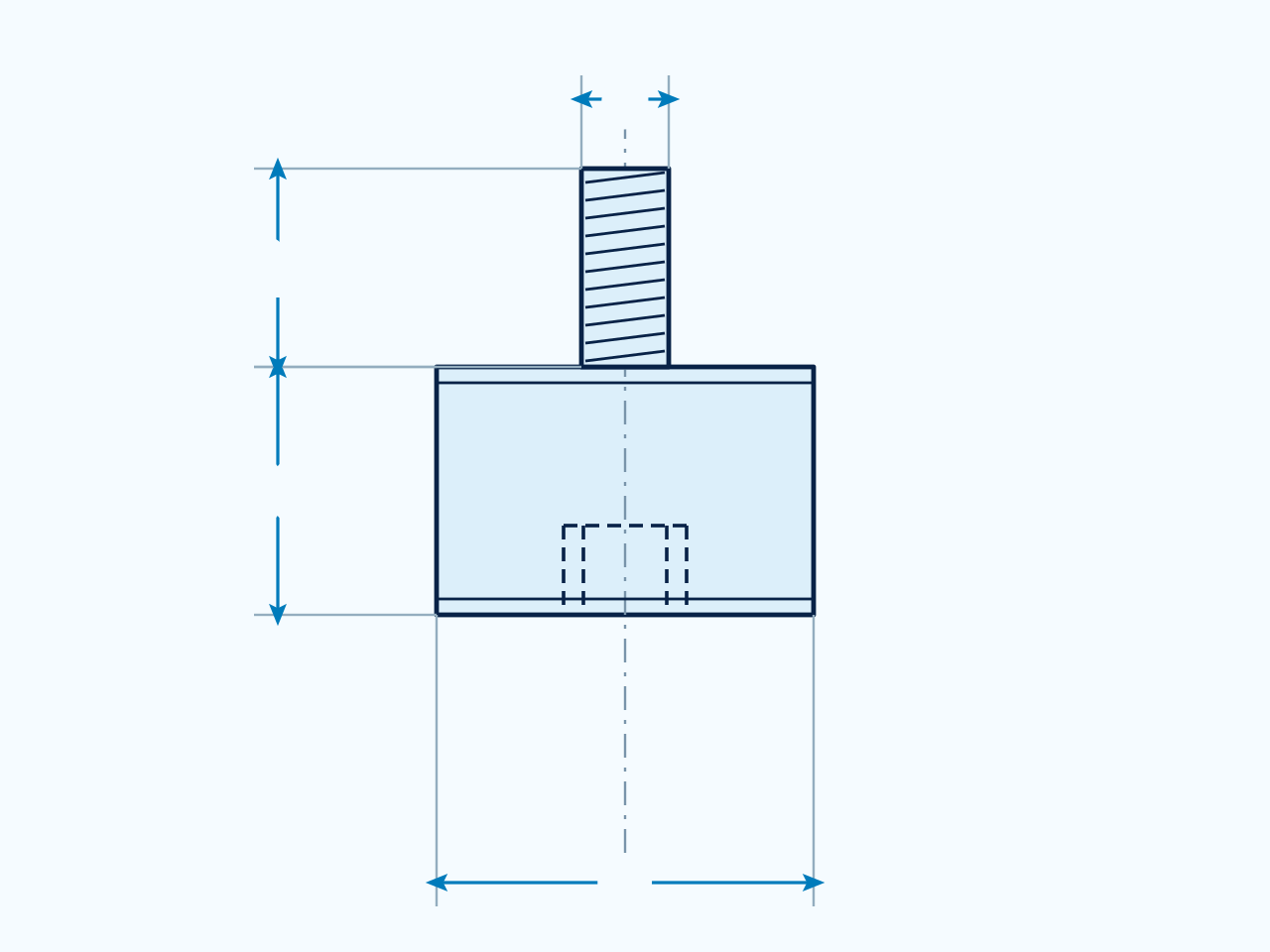
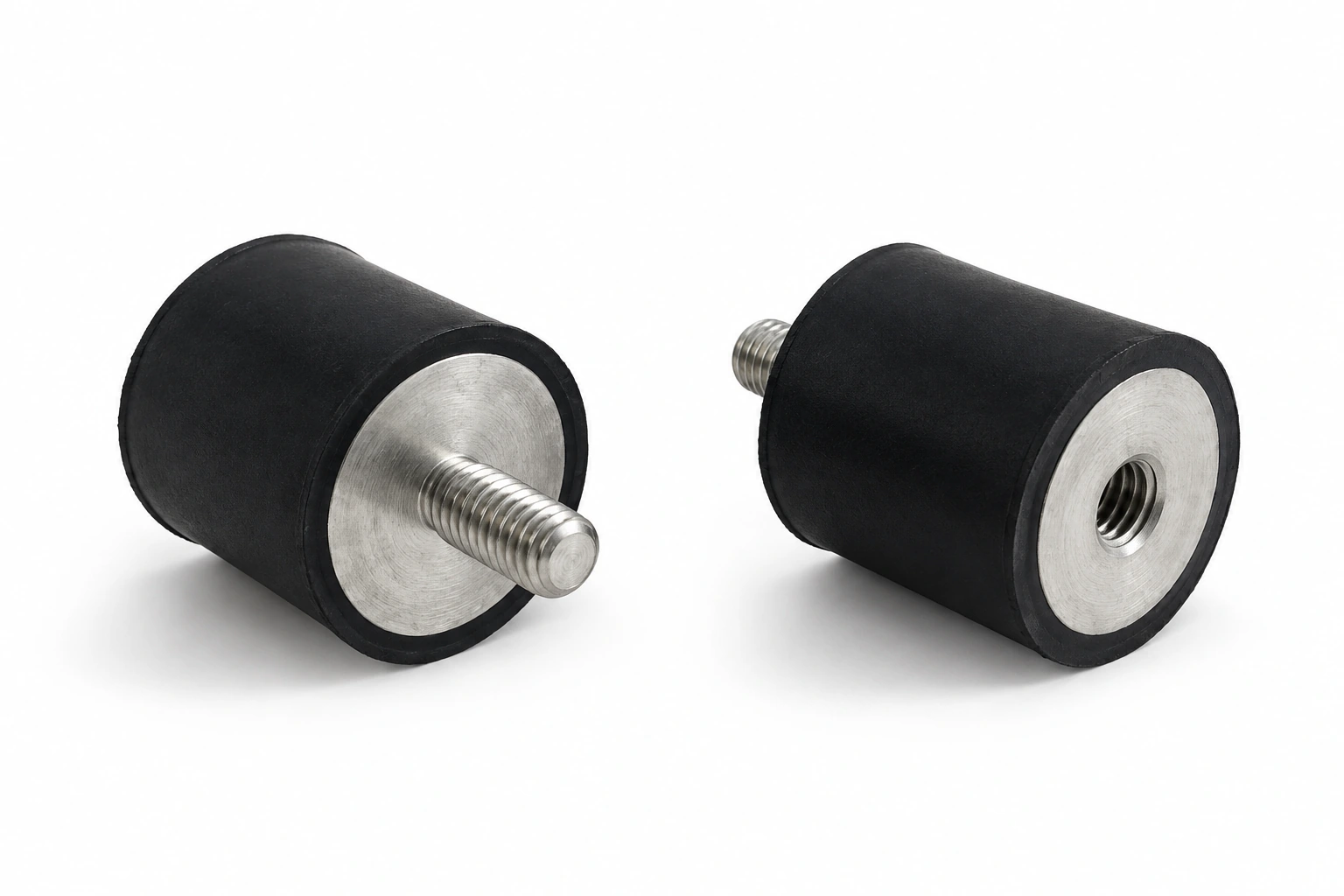
Match D, H and thread d to the drawing, including stud length L. Dimensions are in mm; thread designations, load in kg and compression in mm follow the table headings. Confirm load direction and operating conditions for your installation.
Vibration Isolators C
Match D, H and thread d to the drawing. Dimensions are in mm; thread designations, load in kg and compression in mm follow the table headings. Confirm load direction and operating conditions for your installation.
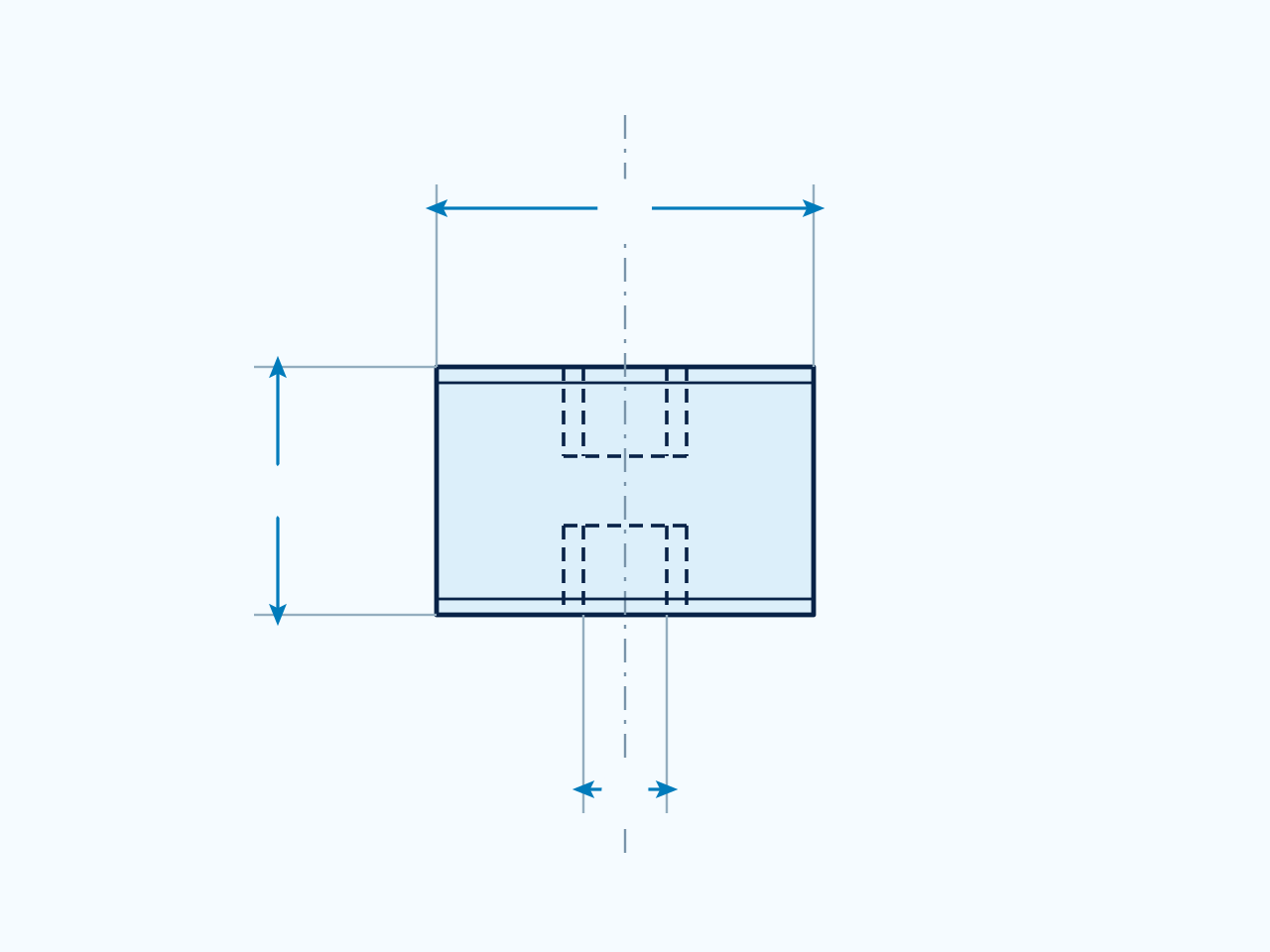
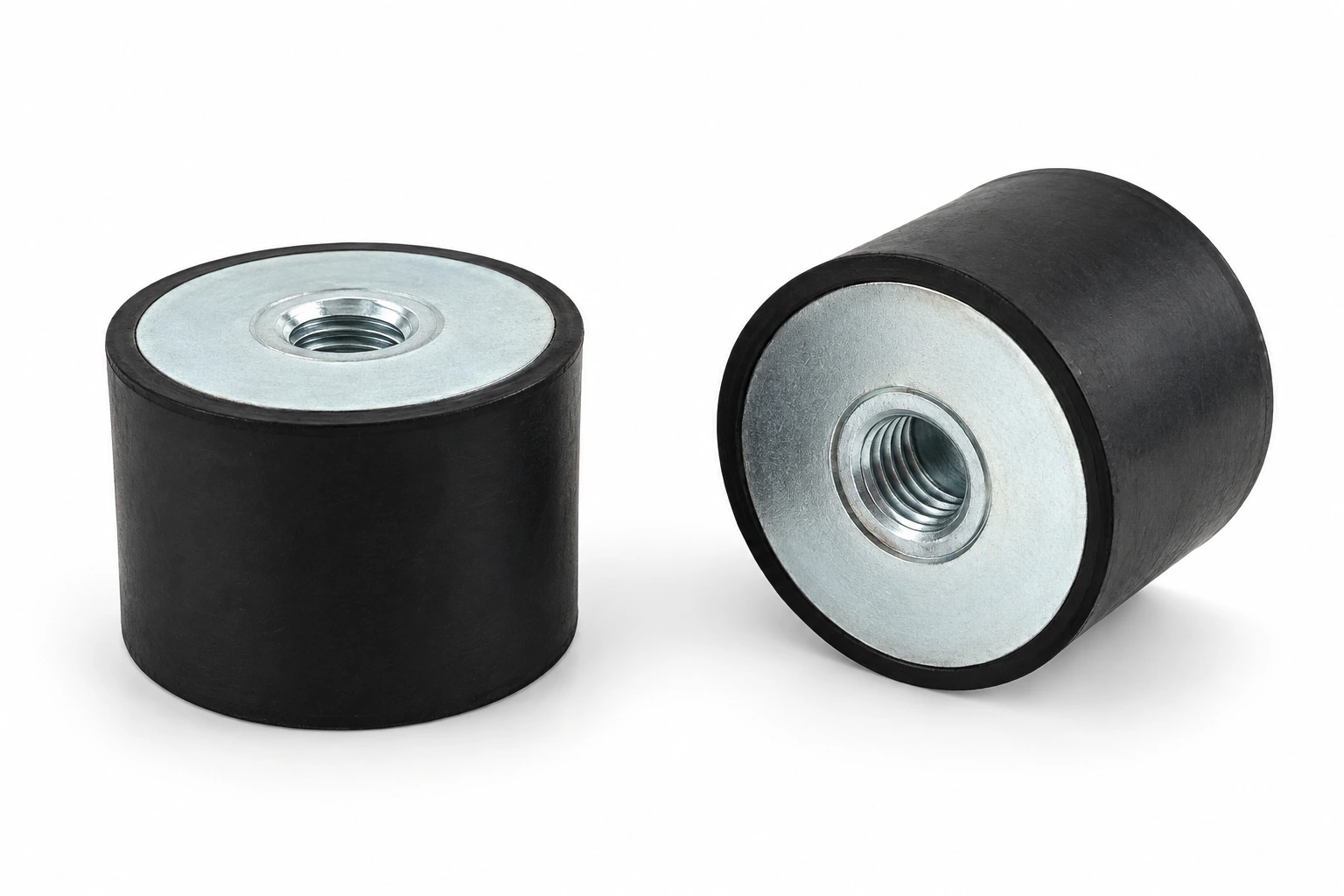
Rubber Mountings D
Match D, H and thread d to the drawing, including stud length L. Dimensions are in mm; thread designations, load in kg and compression in mm follow the table headings. Confirm load direction and operating conditions for your installation.
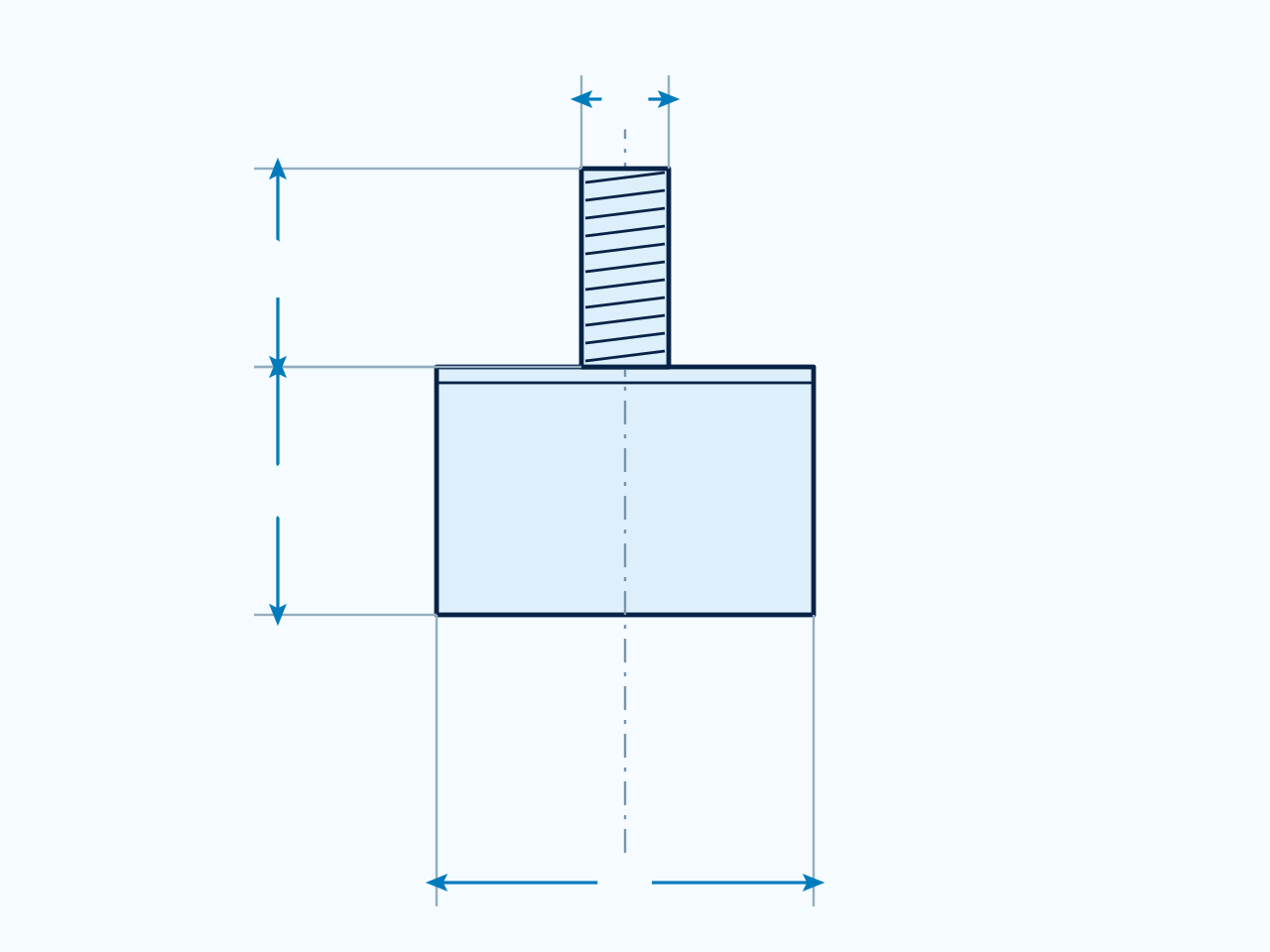
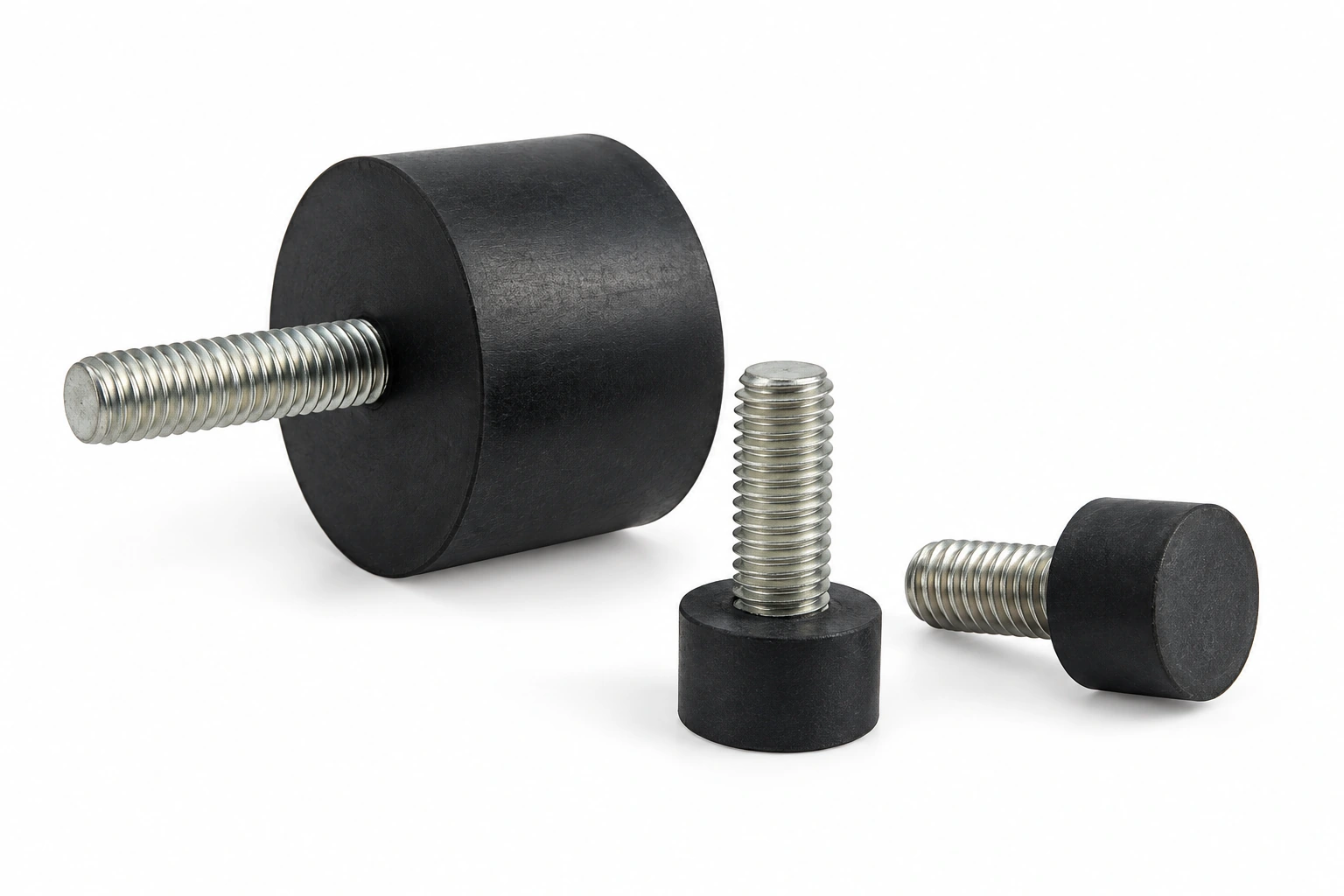
Rubber Vibration Mounts E
Match D, H and thread d to the drawing. Dimensions are in mm; thread designations, load in kg and compression in mm follow the table headings. Confirm load direction and operating conditions for your installation.
Need a different size? Share your drawing, mating dimensions and intended use to discuss a suitable part.
Discuss Your RequirementsProduct specifications
- Product form
- Elastomer mount between a vibrating assembly and its support
- Material options discussed
- Natural rubber / latex. Choose one formulation for the actual contact and loading conditions.
- Application focus
- Household appliances and washing machines. Size the part against the selected assembly.
- Dimensions to confirm
- Free and loaded heights, attachment spacing and body envelope. Match these to household appliances and washing machines.
- Exposure to evaluate
- Heat and cold cycling. Validate the selected material under the combined conditions.
- Isolation objectives
- Steady vibration, impact or shock, structure-borne noise and sliding at the support. Define a measurable acceptance target on the supported assembly.
- Dynamic selection
- Use the load per mount, excitation frequency and allowed movement to select the mount.
Need a quote or a custom part?
Send your requirements, drawings or samples to discuss standard and custom silicone rubber parts.
Email us[email protected]