
Rubber Isolation
Quality and long-lasting insulation are necessary for a healthy and comfortable stay in residential buildings or the work environment. However, there are many doubts and questions when it comes to the use of insulation or parts that provide us with insulation. There are so many things, devices, or machines that use insulating parts or are made of insulating materials. Rubber is used as one of the basic materials best for insulation. Today, rubber Isolation has such a wide application that we can hardly list where we use it today – from non-slip mats for the house, through children’s playgrounds, to electrical and vibration insulation for home appliances, various factory machines, cars, etc.
Rubber Isolation has different shapes and is used for various purposes. We will start with what has a wide application and purpose – and that is rubber Rubber Isolation boards. Flexible rubber insulation boards have great durability that is used every day in industrial plants for sealing, lining rooms and entrances to shops and buildings, etc. Their practical application is exceptional because they are durable and easy to maintain. Depending on the need and purpose – they can be oil-resistant, anti-abrasive, temperature resistant.
On the other hand, rubber insulators are used (just as the name suggests) for insulation. Rubber is an excellent insulator when it comes to water, electricity, or sound insulation. It is therefore not surprising that rubber isolators are used, for example, in the automotive industry. It is most often used to insulate power cables, but also in the form of rubber protective insulators against water or possible shocks. Rubber insulators are also used as protection against noise or vibration. For example, rubber foam can at the same time serve as a thermal isolator but also as an insulator against noise and vibration – because it has the properties of sound absorption and attenuation.
Vibration Mount Size Catalog
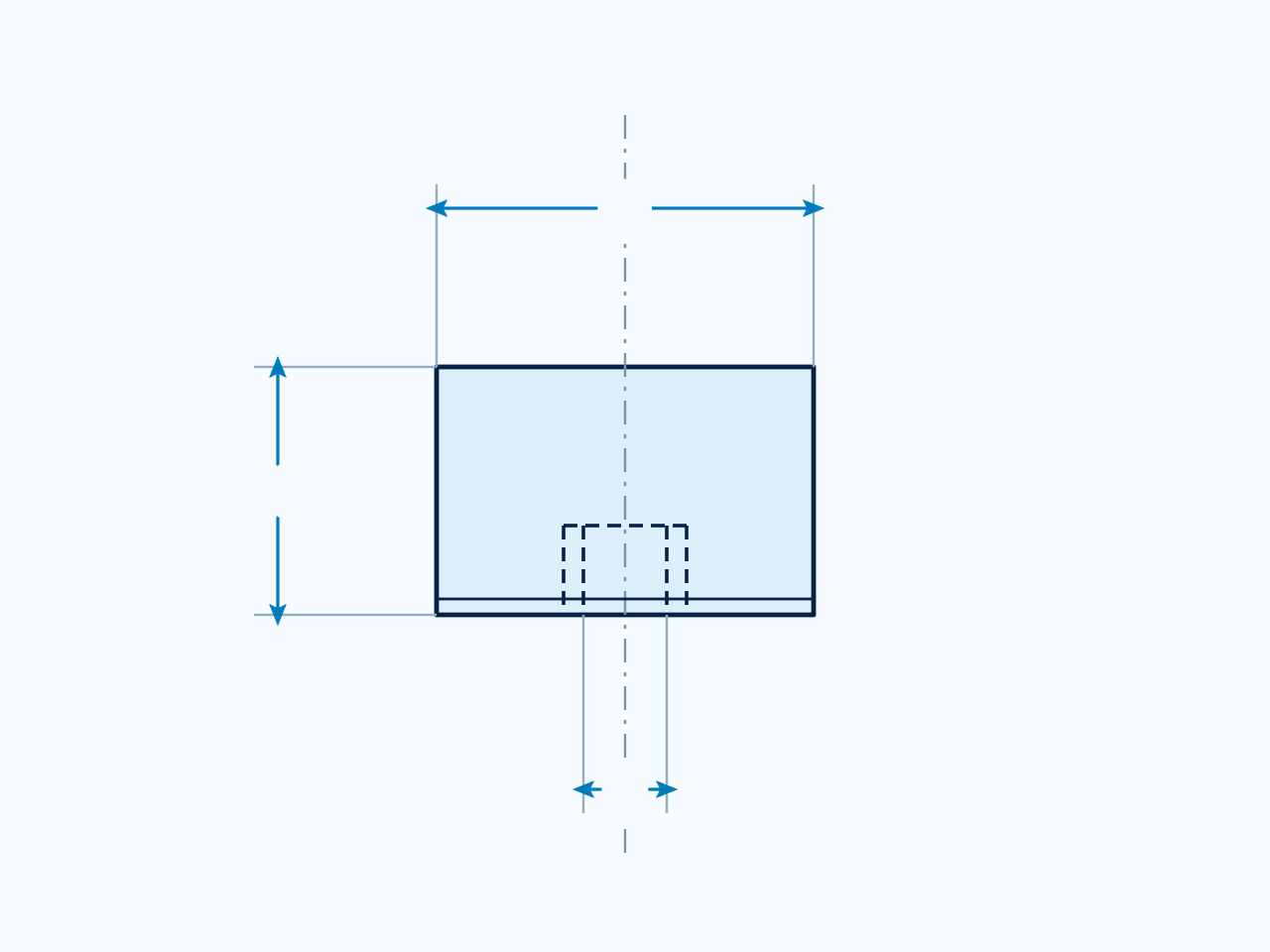
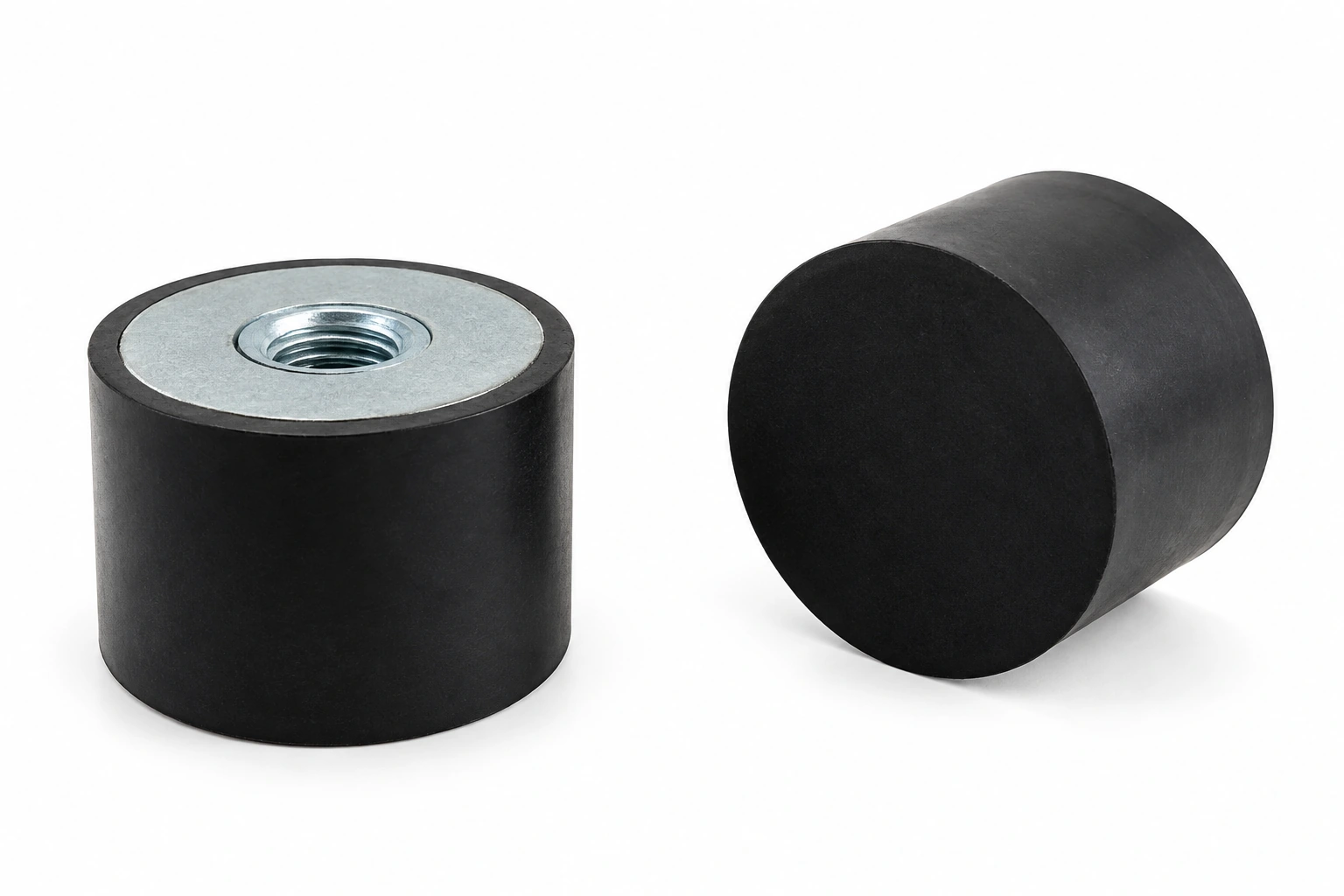
Compare five mounting arrangements using the matching drawing, thread and dimensional data. Load and compression columns retain their stated units; confirm operating conditions for your installation.
Vibration Damping Mounts A
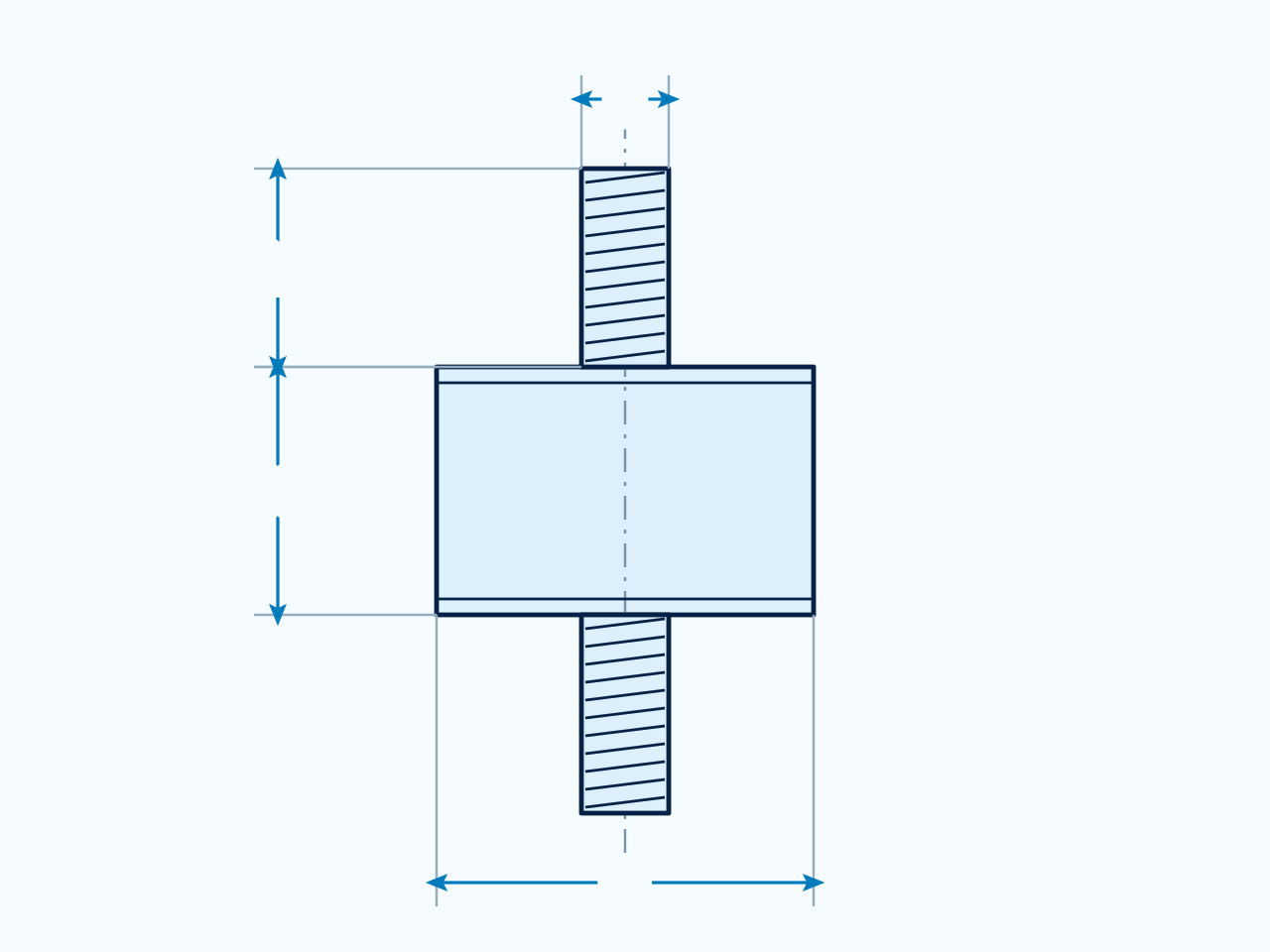
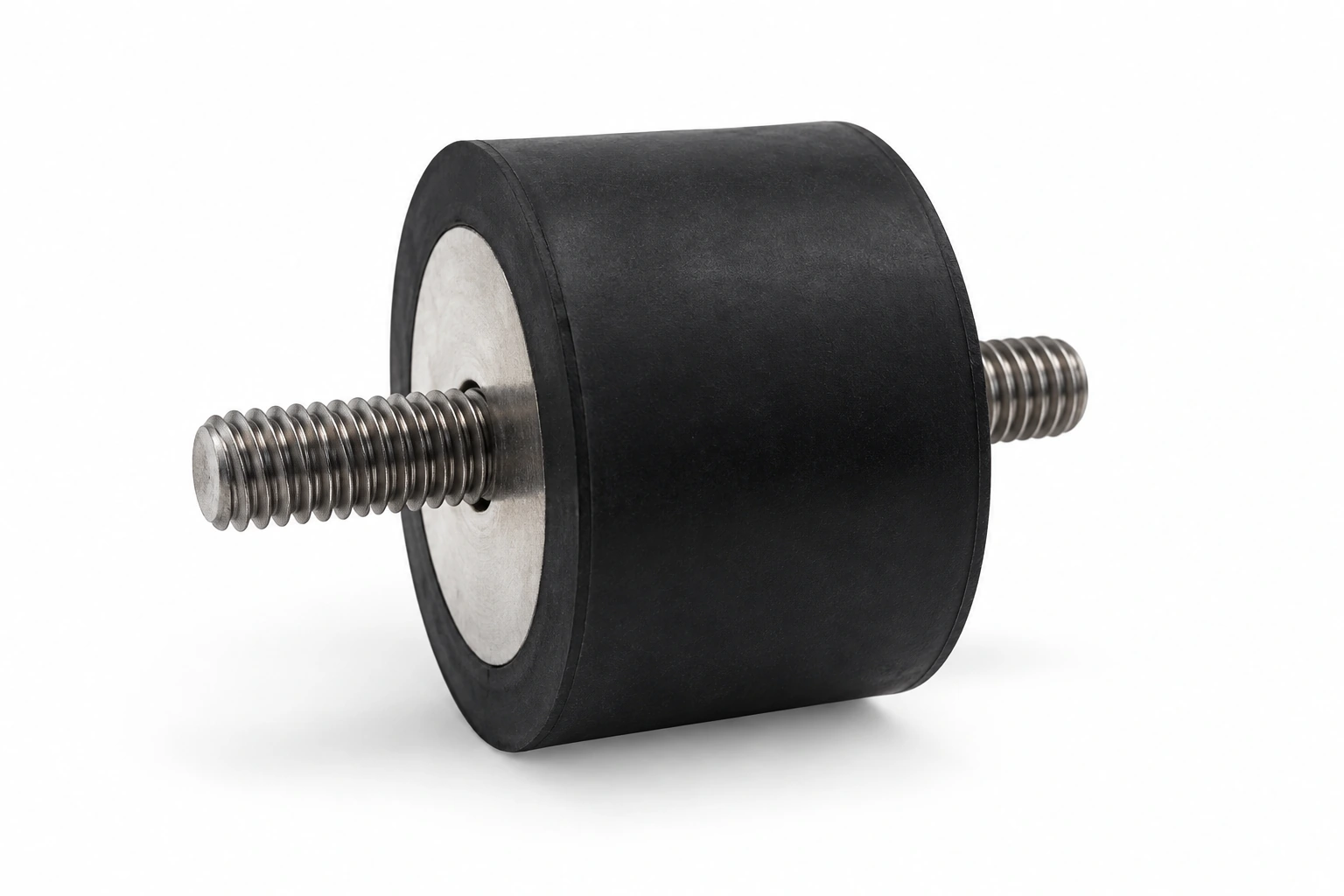
Match D, H and thread d to the drawing, including stud length L. Dimensions are in mm; thread designations, load in kg and compression in mm follow the table headings. Confirm load direction and operating conditions for your installation.
Anti-Vibration Rubber Mounts B
Match D, H and thread d to the drawing, including stud length L. Dimensions are in mm; thread designations, load in kg and compression in mm follow the table headings. Confirm load direction and operating conditions for your installation.
Vibration Isolators C
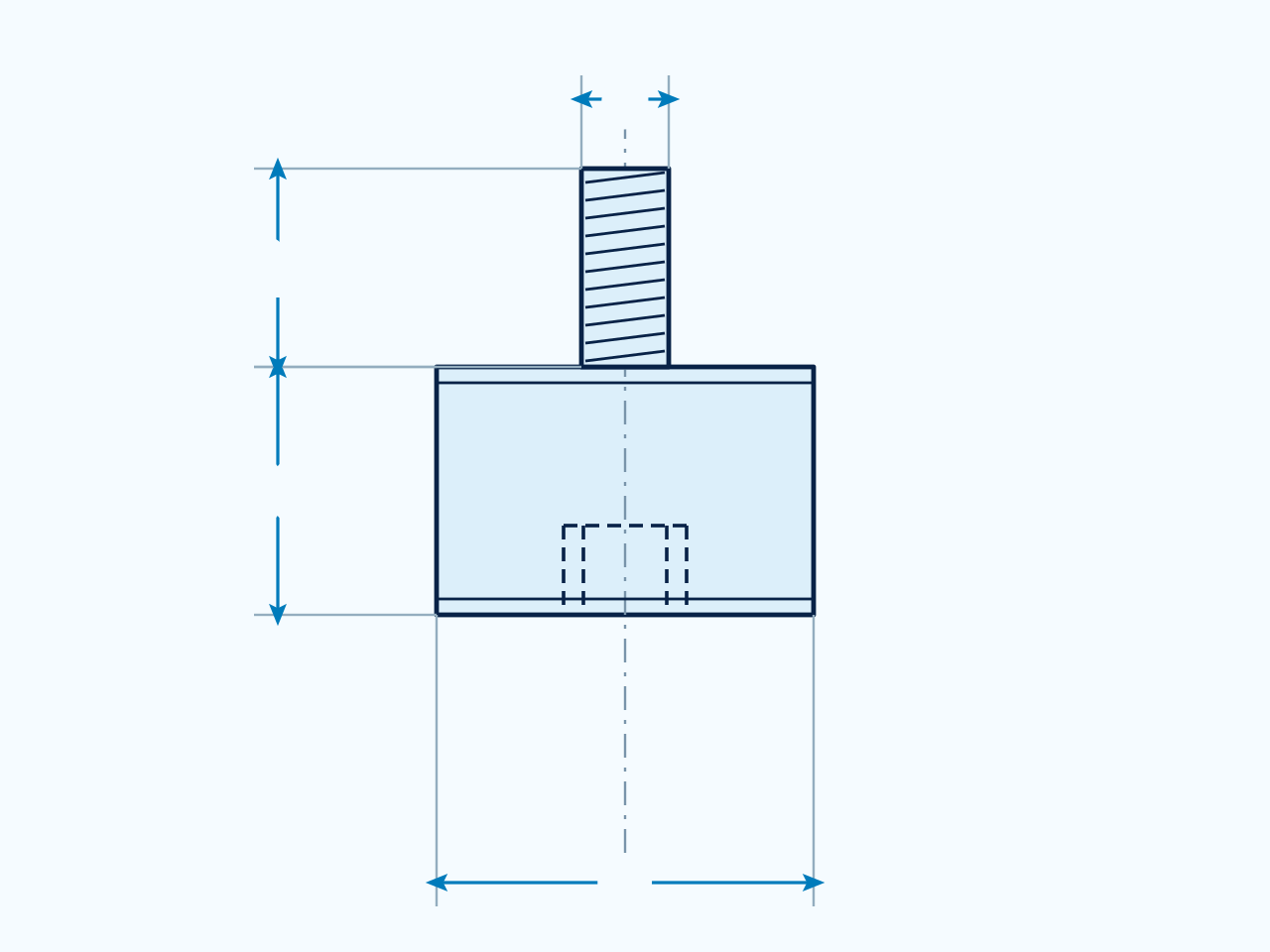
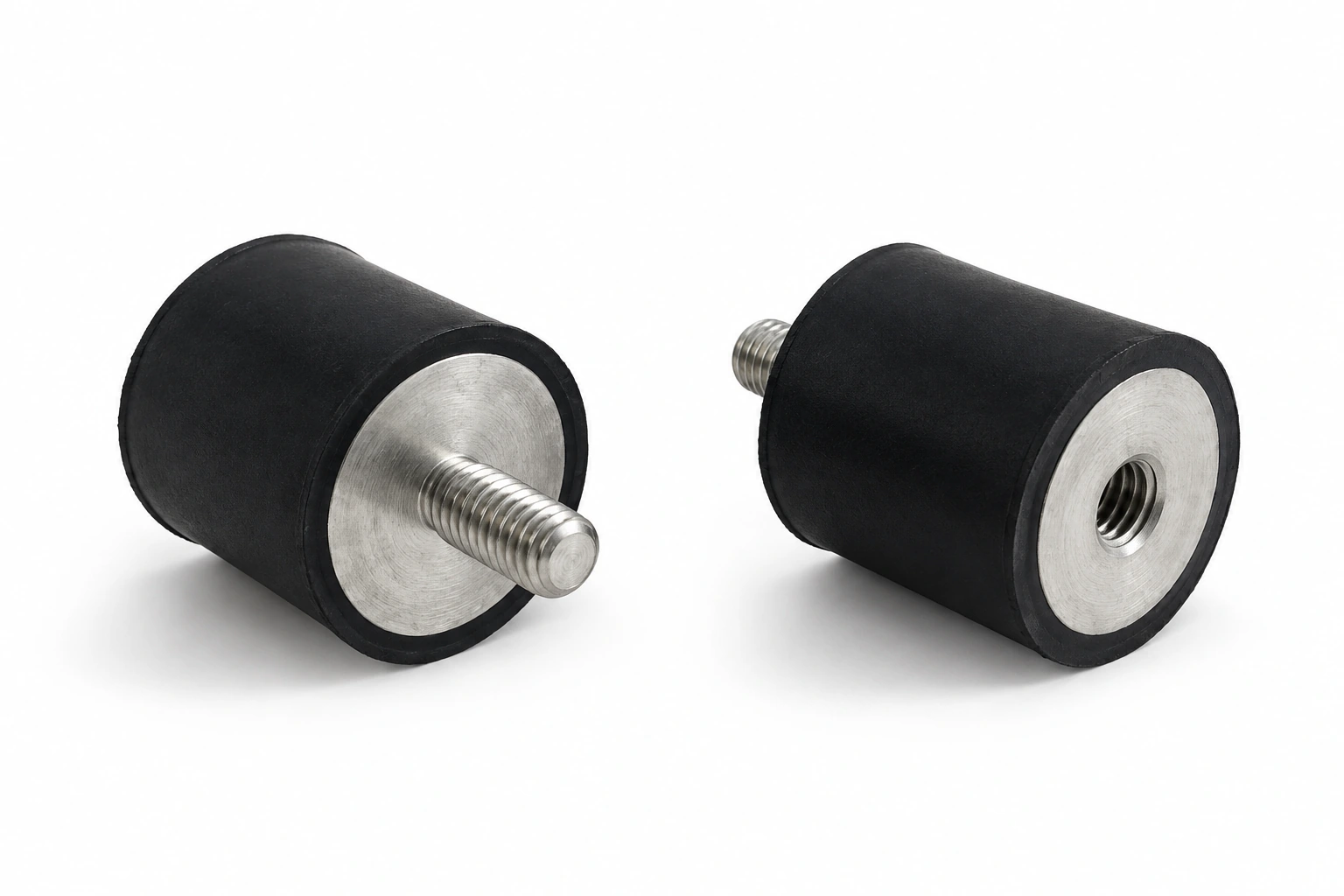
Match D, H and thread d to the drawing. Dimensions are in mm; thread designations, load in kg and compression in mm follow the table headings. Confirm load direction and operating conditions for your installation.
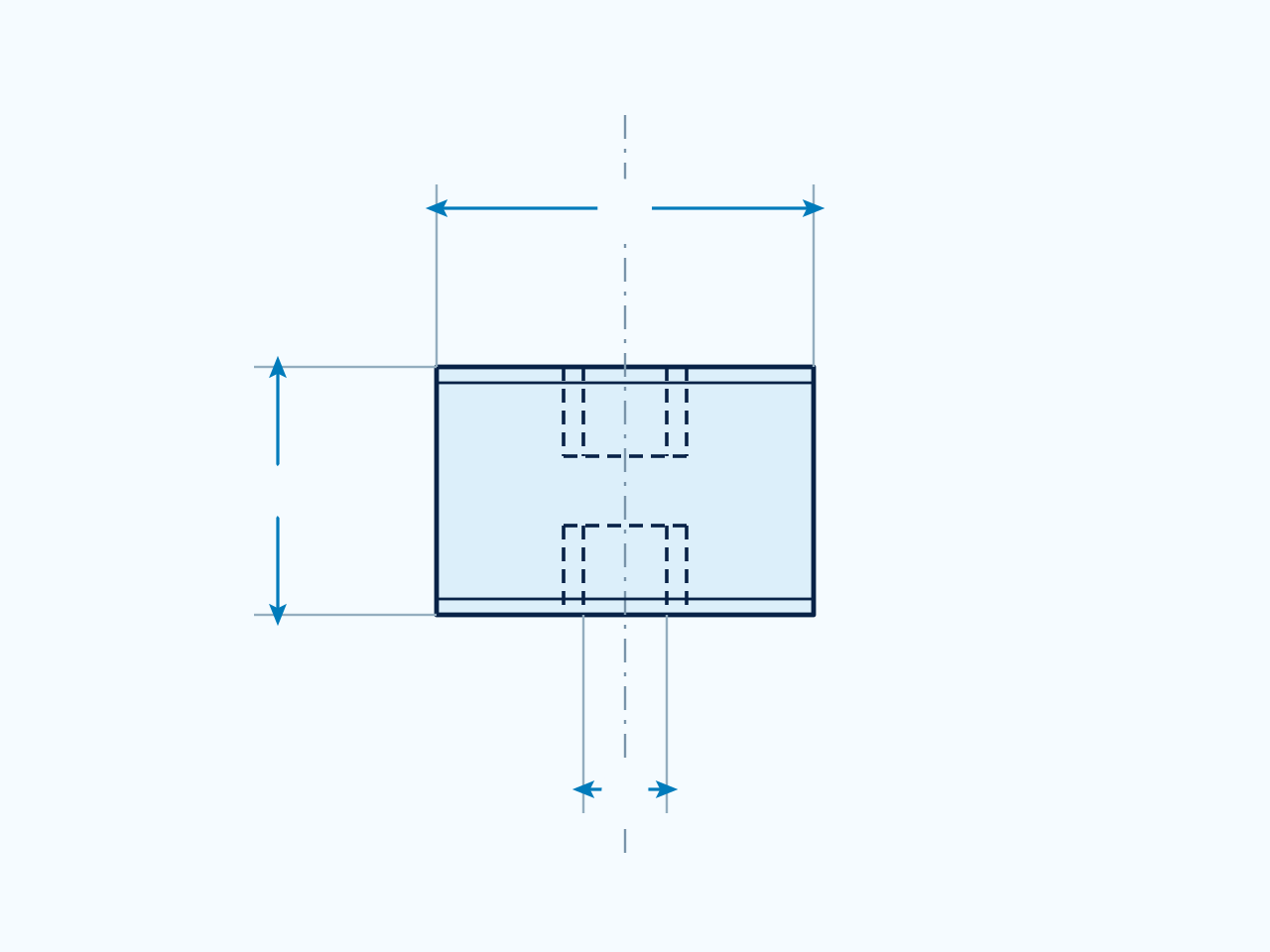
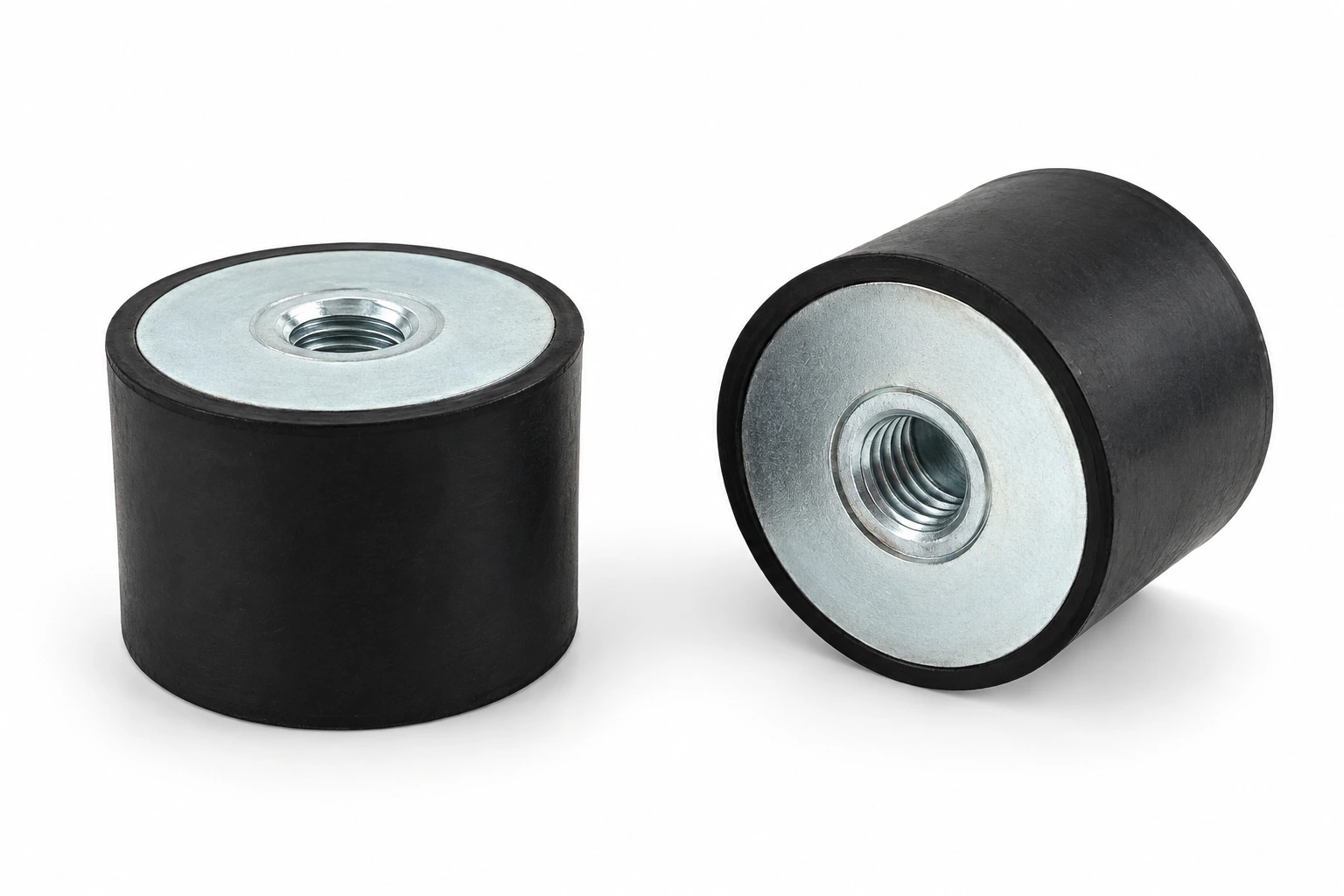
Rubber Mountings D
Match D, H and thread d to the drawing, including stud length L. Dimensions are in mm; thread designations, load in kg and compression in mm follow the table headings. Confirm load direction and operating conditions for your installation.
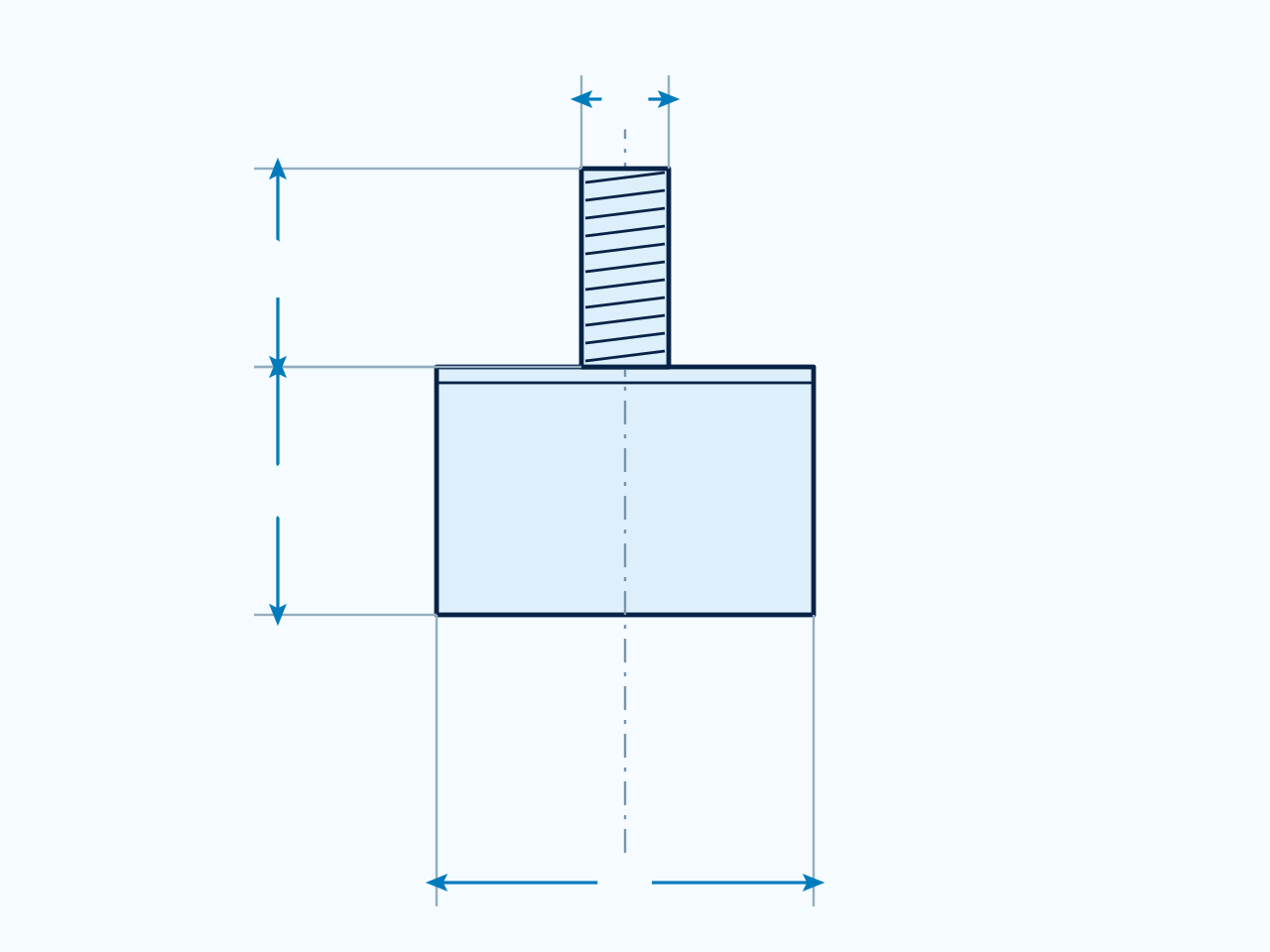
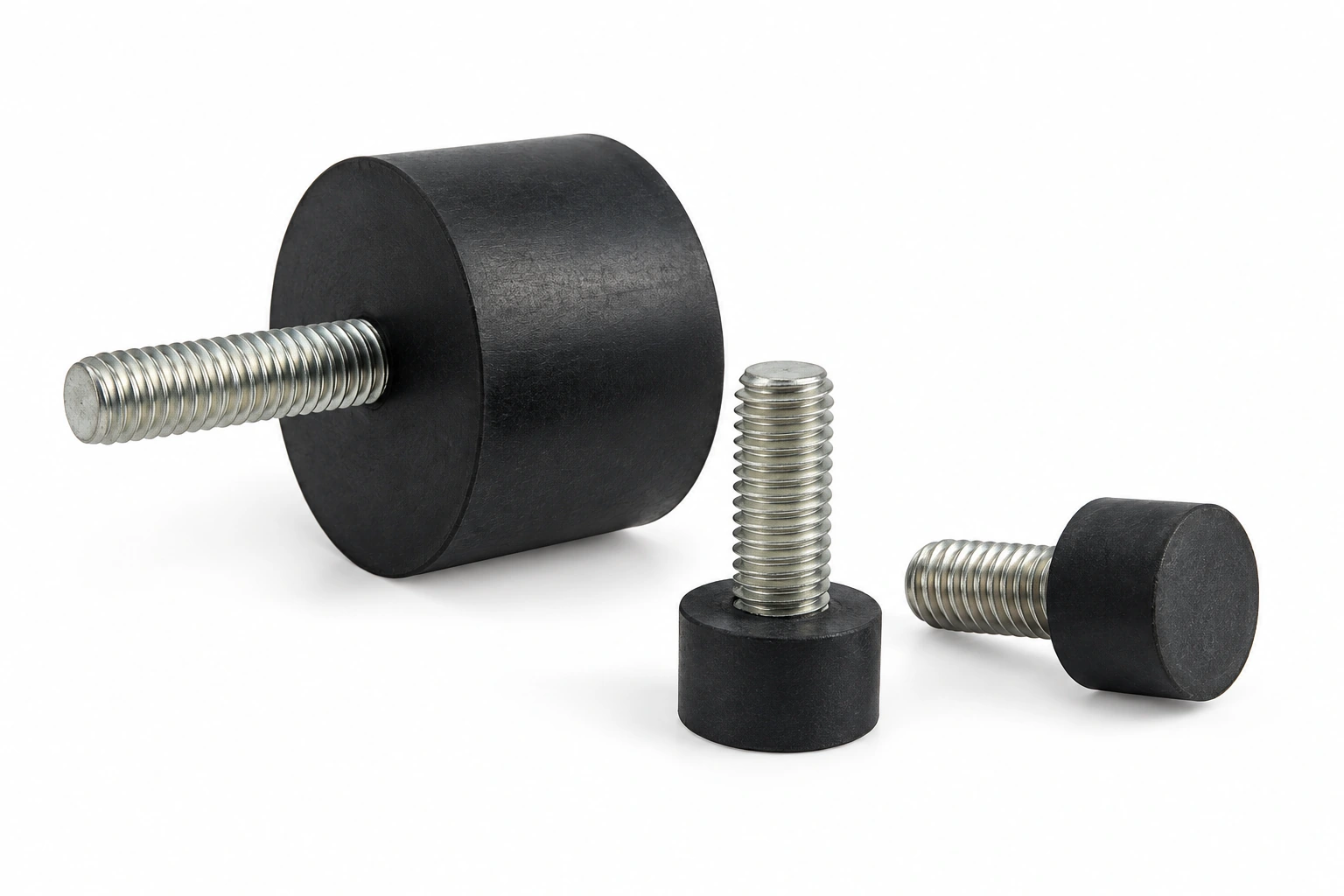
Rubber Vibration Mounts E
Match D, H and thread d to the drawing. Dimensions are in mm; thread designations, load in kg and compression in mm follow the table headings. Confirm load direction and operating conditions for your installation.
Need a different size? Share your drawing, mating dimensions and intended use to discuss a suitable part.
Discuss Your RequirementsProduct specifications
- Product form
- Elastomer mount between a vibrating assembly and its support
- Application focus
- Household appliances. Size the part against the selected assembly.
- Dimensions to confirm
- Free and loaded heights, attachment spacing and body envelope. Match these to household appliances.
- Exposure to evaluate
- Rubbing or abrasion and oil splash. Validate the selected material under the combined conditions.
- Isolation objectives
- Steady vibration, structure-borne noise and sliding at the support. Define a measurable acceptance target on the supported assembly.
- Dynamic selection
- Use the load per mount, excitation frequency and allowed movement to select the mount.
Need a quote or a custom part?
Send your requirements, drawings or samples to discuss standard and custom silicone rubber parts.
Email us[email protected]